

Why Does Caffeine and Sleep Quality Clash? The Science Behind Your 3 AM Awakenings
Struggling with 3 AM awakenings and non-restorative sleep? At Team Mind Body Dan, we explore how caffeine disrupts your nights. Understanding caffeine and sleep metrics is key to reclaiming your mornings. Discover how to monitor your sleep phases using a lightweight, screen-free tracking solution like the Herz P1 Smart Ring.
Take Back Your Sleep.
Take Back Your Life.
- Fall asleep faster & sleep deeper
- Stop waking up in the middle of the night
- Wake up refreshed & full of energy
What You’ll Learn in This Guide:
- The molecular mechanics of how caffeine blocks sleep-promoting chemicals in your brain.
- How genetic variations dictate your personal caffeine clearance rate.
- The hidden cost of afternoon stimulant use on Deep and REM sleep architecture.
- Why traditional trackers fail your sleep environment, and how a screen-free smart ring offers an elegant solution.
The Disruptive Connection Between Caffeine and Sleep

Quick Answer
Yes, caffeine absolutely impairs sleep quality, even if you fall asleep easily. The short answer is that caffeine acts as an adenosine receptor antagonist, masking your biological drive to sleep. However, to choose the right approach to managing this, you need to understand that its effects extend far beyond sleep latency. Even if you don’t feel jittery, caffeine taken too late in the day dramatically reduces slow-wave (deep) sleep and shifts your sleep architecture toward lighter, easily disrupted phases.
Detailed Explanation: The Biological Hijacking
From the moment you wake up, a chemical called adenosine steadily builds up in your brain. This accumulation creates what sleep scientists call “sleep pressure”—the natural physiological urge to rest. When you consume caffeine, it quickly crosses the blood-brain barrier and binds to adenosine receptors without activating them. Essentially, it places a cardboard cutout over the keyhole, preventing real adenosine from docking.
This explains how long does coffee keep you awake. While you may feel mentally sharp, your body’s underlying exhaustion continues to compound. When the liver eventually filters the caffeine out of your system, a massive wave of accumulated adenosine suddenly floods your receptors. This is the notorious “caffeine crash.” If this crash occurs during your sleeping hours, it can result in micro-arousals—tiny awakenings you might not even remember, but which leave you feeling completely unrefreshed the next morning.
Furthermore, when looking at how long does caffeine keep you awake, we must consider the metabolic half-life. On average, caffeine has a half-life of 5 to 7 hours. This means if you drink a double espresso containing 200mg of caffeine at 4 PM, around 100mg remains active in your brain at 10 PM. This persistent stimulation makes consuming caffeine before bed a significant threat to your restorative deep sleep stages.
When to Monitor Your Caffeine Intake
- Monitor Closely If: You struggle with a racing mind at night, experience non-restorative sleep, regularly wake up at 3 AM with elevated heart rates, or feel dependent on multiple cups of coffee just to push through morning brain fog.
- Less Critical If: You have a highly efficient CYP1A2 liver enzyme (fast metabolizer) and consistently record optimal deep sleep duration, balanced resting heart rates, and high heart rate variability (HRV) metrics.
Suggested Solutions: A Screen-Free Path to Sleep Recovery
To break free from this cycle, we must move away from guesswork. Many individuals turn to bulky smartwatches to monitor their sleep, but these often introduce new problems: intrusive glowing screens that emit blue light, buzzing notifications that wake you up, and bulky designs that make sleeping uncomfortable.
A elegant solution is the Herz P1 Smart Ring. Crafted from ultra-lightweight titanium, this premium ring sits comfortably on your finger, completely screen-free. It quietly monitors your sleep stages (REM, Deep, Light), heart rate variability (HRV), and daily activity. Instead of overwhelming you with complex graphs, it translates advanced biometric algorithms into a single, intuitive Daily Recovery Score. With no screens to disrupt your bedroom environment and no hidden subscription fees, it allows you to observe exactly how your afternoon coffee impacts your biometric trends.
Section FAQ
Q: Does decaf coffee affect my sleep?
A: While decaf contains significantly less caffeine (typically 2 to 15mg per cup compared to 95-200mg in regular coffee), highly sensitive individuals may still notice mild sleep-stage disruptions if they consume multiple cups close to bedtime.
Q: Why can I sleep fine even after drinking coffee at night?
A: Ability to fall asleep does not equal quality sleep. Biometric tracking often reveals that while you might pass out due to sheer exhaustion, your deep sleep stages are virtually non-existent, leaving you chronically tired.
Q: How can I accurately see if caffeine is ruining my rest?
A: The most reliable method is tracking your overnight physiological biomarkers—specifically your resting heart rate (RHR) and Heart Rate Variability (HRV)—using a continuous, medical-grade sensor system like a smart ring.
The Hidden Math: How Long Does Caffeine Keep You Awake?
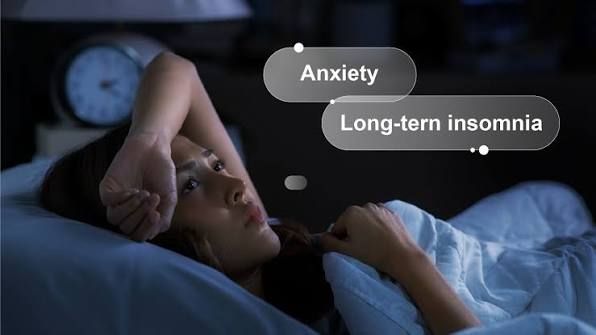
Most of us treat caffeine clearance as a quick, linear process. We drink a cup of coffee at noon and assume it is long gone by our 10 PM bedtime. But the reality of how long does caffeine keep you awake is governed by exponential decay curves and personal genetics.
Your body processes caffeine using a liver enzyme pathway called cytochrome P450 1A2 (CYP1A2). Variations in the gene that codes for this enzyme divide the population into “fast,” “medium,” and “slow” metabolizers. For a fast metabolizer, the half-life of caffeine might be 3 to 4 hours. For a slow metabolizer, that same half-life can stretch to over 9 hours. If you belong to the latter category, a standard cup of coffee enjoyed during a 2 PM afternoon slump is effectively the same as drinking caffeine before bed.
The table below highlights how different caffeine sources linger in the average system over time:
| Beverage Type | Initial Caffeine (Avg) | Active Amount after 6 Hrs | Active Amount after 12 Hrs |
|---|---|---|---|
| Espresso (1 shot) | 63 mg | ~31.5 mg | ~15.7 mg |
| Drip Coffee (12 oz) | 150 mg | ~75 mg | ~37.5 mg |
| Energy Drink (16 oz) | 160 mg | ~80 mg | ~40 mg |
| Matcha Green Tea (1 cup) | 70 mg | ~35 mg | ~17.5 mg |
When you look at these numbers, it becomes clear why many of us struggle to maintain stable, restorative sleep. If you are still carrying 40mg of active caffeine in your system when your head hits the pillow, your autonomic nervous system remains tilted toward a sympathetic (“fight-or-flight”) state. Your resting heart rate stays elevated, your heart rate variability (HRV) drops, and your body misses out on the deep, restorative slow-wave sleep required to repair muscle tissue and consolidate memory.
⚠️ The Sleep Debt Illusion
Caffeine does not create energy; it borrows it from your future self. By blocking adenosine, you build up a hidden sleep debt. This often manifests as chronic brain fog and afternoon fatigue. Breaking this cycle requires understanding how long does coffee keep you awake so you can make informed lifestyle adjustments.
To truly understand how caffeine interacts with your specific biology, you need consistent data. This is where tracking becomes invaluable. Rather than relying on rigid, clinical estimates, monitoring your personal recovery metrics over a two-week period can show you exactly how your afternoon tea or morning espresso changes your physiological resting state.
Reclaiming Your Rest: Strategic Habits and Screen-Free Tracking

Optimizing your sleep architecture is not about total deprivation. At Mind Body Dan, we believe in practical, sustainable adjustments that respect both your lifestyle and your bio-individuality. By applying a few smart strategies, you can enjoy your morning ritual without compromising your overnight recovery.
1. Establish a Hard Caffeine Cutoff Time
Based on the science of how long does coffee keep you awake, we recommend a hard cutoff time at least 8 to 10 hours before your planned bedtime. If you aim to sleep at 10 PM, your last sip of caffeine should ideally be before 12 PM. This buffer allows your liver to process the bulk of the stimulant, clearing enough adenosine receptors to support natural, deep sleep cycles.
2. Delay Your First Morning Cup
When you first wake up, your cortisol levels naturally spike to help you feel alert. If you flood your system with coffee immediately, you blunt this natural cortisol response and build a higher tolerance. By delaying your first cup of coffee by 90 to 120 minutes, you allow your natural morning alertness hormones to clear residual adenosine, lowering the severity of your afternoon crash.
3. Adopt a Screen-Free Sleep Sanctuary
Modern environments are flooded with sleep disruptors—most notably the blue light emitted by smartwatches, phones, and tablets. Adding a bulky, glowing tracker to your wrist to monitor your sleep often defeats the purpose. Reclaiming your rest is easiest when your bedroom remains a screen-free sanctuary.
Simplify Your Metrics with the Herz P1
Don’t let complex, hard-to-read graphs stress you out before bed. Get simple, screen-free biometric trends delivered straight to your phone when you wake up.
Tracking Your Personal Baseline
If you want to observe how your body processes how long does caffeine keep you awake, consistency is key. We suggest keeping your routine identical for one week, noting your sleep stages, HRV, and resting heart rate. The following week, implement a strict midday caffeine cutoff.
Most individuals notice a measurable shift:
- An increase in Deep Sleep duration (often by 20 to 40%).
- A lower overnight resting heart rate that bottoms out earlier in the night.
- An improved HRV trend, indicating a healthier, more balanced nervous system.
- A higher, more stable Recovery Score to start your day energized.
By moving from subjective feeling to objective, data-informed trend analysis, you can customize your lifestyle choices to match your unique biological footprint. Reclaiming your energy does not require complex routines; it starts with simple, actionable awareness.
Disclaimer: Results may vary depending on individual physical activity levels, unique health conditions, and daily tracking patterns. This content is intended for educational and informational purposes only and does not constitute medical advice.
