

How to Stop Nosebleeds While Sleeping: Causes, Treatments, and Screen-Free Recovery Tips
Waking up to a blood-stained pillow is highly alarming, throwing off your morning and leaving you asking: *why did I wake up with a bloody nose?* While dry air is often to blame, nocturnal nasal irritation deeply disrupts your recovery. Discover how to protect your airways and monitor your nightly recovery with the subscription-free Herz P1 Smart Ring today.
Take Back Your Sleep.
Take Back Your Life.
- Fall asleep faster & sleep deeper
- Stop waking up in the middle of the night
- Wake up refreshed & full of energy
- The physiological mechanics causing a bloody nose at night
- How environmental dry air and heating systems provoke bleeding
- The link between sleep apnea, CPAP use, and nasal lining irritation
- Simple lifestyle treatments to prevent nocturnal epistaxis
- Tracking your systemic recovery with premium, screen-free wearable technology
Why Do I Experience Nosebleeds While Sleeping? The Core Causes

Quick Answer: Yes, experiencing nosebleeds while sleeping is a common issue typically caused by environmental dryness, physical irritation, or underlying sleep patterns. The short answer is that dry indoor air saps moisture from delicate nasal membranes, causing them to crack and bleed. However, to choose the right preventative steps, you must identify whether your triggers are environmental, physiological, or linked to sleeping habits like nocturnal mouth breathing.
When you suffer from nosebleeds while sleeping, the physiological root usually lies within Kiesselbach’s plexus. This is a highly dense, fragile network of tiny blood vessels situated at the front of your nasal septum. Because these capillaries sit so close to the surface, any reduction in humidity, sudden temperature shift, or mechanical friction can rupture them, leading to a sudden nose bleed sleep episode.
For many individuals, waking up at 3 AM with a racing mind, a dry throat, and blood on the pillow is a deeply jarring experience. The psychological anxiety of not knowing *why did I wake up with a bloody nose* can trigger a spike in your heart rate, compounding the difficulty of falling back to sleep. This chronic stress can result in non-restorative sleep, leaving you feeling utterly exhausted with heavy brain fog the following morning.
If you find yourself asking *why did I wake up with a bloody nose*, it is essential to look at your physiological sleep profile. Many people who experience a bloody nose at night also display habits like chronic mouth breathing during sleep. Mouth breathing bypasses the nasal passages’ natural humidification system, drying out the mucosal linings of both your throat and nose, making you far more susceptible to nosebleeds at night.
To pinpoint the exact patterns behind these symptoms, many wellness seekers have transitioned to modern sleep-tracking methods. However, bulky smartwatches with bright screens often worsen sleep fragmentation. That is why we recommend utilizing a screen-free, lightweight biometric wearable. Our team at Mind Body Dan has analyzed various options, and the Herz P1 Smart Ring stands out as an exceptional, premium titanium solution that tracks your sleep metrics without disturbing your night.
When to Address Nocturnal Nosebleeds at Home vs. Seeking Medical Care
Understanding when to self-manage nosebleeds while sleeping is crucial. Home care is highly effective if the bleeding occurs infrequently, is easily managed by pinching the bridge of the nose for 10 minutes, and is clearly linked to dry winter air or air conditioning. However, if your nose bleed sleep episodes happen multiple times a week, last longer than 20 minutes despite direct pressure, or are accompanied by regular dizziness and chronic fatigue, you should consult a healthcare professional to rule out hypertension, clotting issues, or anatomical structural deviations.
If you wake up with a dry throat and nosebleed symptoms, start by measuring your room’s relative humidity. Maintaining bedroom humidity between 40% and 55% is one of the most effective ways to preserve nasal membrane integrity and promote continuous, restorative rest.
Environmental and Physiological Triggers for a Bloody Nose at Night
The microclimate of your bedroom plays a massive role in whether you experience nosebleeds while sleeping. During the winter, indoor heating units blast dry, warm air throughout your home, stripping the ambient humidity. Air conditioning units in summer can do the exact same thing by condensing moisture out of the air. This environmental dryness makes the delicate mucous membranes inside your nasal cavity brittle, leading to a bloody nose at night.
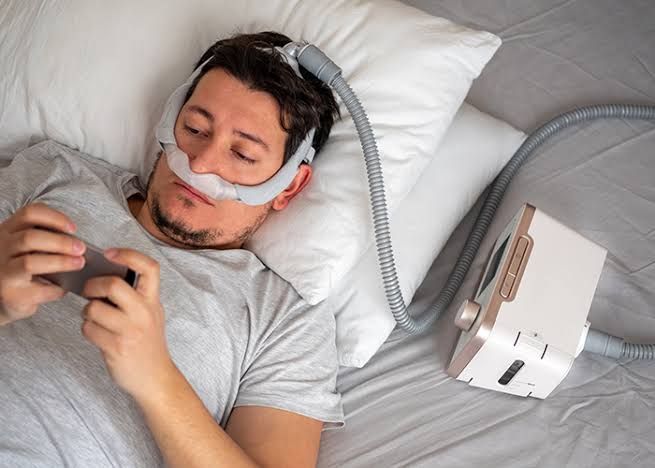
Another major physiological factor is the use of specialized medical equipment. For individuals managing obstructive sleep apnea, CPAP machines are vital. However, there are notable CPAP side effects, such as severe nasal passages dryness, especially if the machine’s built-in humidifier isn’t properly adjusted. The continuous, pressurized stream of air can easily dry out the nasal lining, increasing the incidence of nosebleeds at night.
When these disruptions occur, they don’t just cause physical irritation—they fundamentally alter your cardiac and nervous system recovery. The physical stress of breathing dry air, snoring, or dealing with micro-arousals from a bloody nose at night triggers your body’s fight-or-flight response. This nocturnal stress is reflected directly in your heart rate variability (HRV) during sleep. A lower HRV indicates that your autonomic nervous system is under stress, meaning your body is struggling to recover properly from daily activities.
Track Your Nightly Recovery Without Screens
Bulky, screen-heavy fitness bands often emit sleep-disrupting blue light and require daily charging. The subscription-free, titanium Herz P1 Smart Ring offers ultra-lightweight comfort and multi-day battery life to track your sleep stages and autonomic recovery elegantly.
Furthermore, standard health devices can sometimes feed into our anxiety by overwhelming us with complex, difficult-to-interpret data. Many users report feeling frustrated by messy graphs and persistent push notifications. Understanding the core sleep stages like REM and Deep sleep shouldn’t feel like a chore. Premium wellness rings solve this issue by translating complicated biometric signals into one simple, actionable sleep score each morning, empowering you to make direct lifestyle adjustments.
By monitoring these biomarkers, you can easily tell if room changes—like setting up a bedroom humidifier or trying nasal saline sprays—are actually soothing your autonomic nervous system. When your airway is moist and relaxed, your breathing becomes slower and more efficient. Consequently, your body stays in deep sleep stages longer, drastically reducing the instances of nosebleeds while sleeping.
Preventing Nosebleeds at Night and Optimizing Your Sleep Recovery

If you find that your breathing is obstructed, you might also ask yourself, why does my body ache when I wake up? Physical soreness and dry, irritated airways are often dual symptoms of a poor, high-friction sleeping environment. When you have to work harder to breathe, your neck and accessory respiratory muscles tense up, resulting in musculoskeletal aches and chronic nosebleeds while sleeping. To fully address these issues, we need to employ a dual-action approach: practical nasal hydration paired with effortless, screen-free recovery tracking.
Implementing targeted treatments can dramatically reduce your chances of experiencing a nose bleed sleep event:
- Use a Cool-Mist Humidifier: Place a high-quality humidifier within three to five feet of your bed to keep the ambient relative humidity levels optimal.
- Apply a Nasal Emollient: Applying a thin layer of saline nasal gel or organic petroleum jelly inside the nasal opening before sleep protects fragile capillaries.
- Optimize Hydration: Drink plenty of water throughout the evening. Systemic hydration keeps the mucous membranes naturally plump and moist.
- Adjust Sleeping Position: Sleeping slightly elevated with an extra pillow can reduce intracranial venous pressure, lowering the risk of nosebleeds at night.
By combining these hydration habits with accurate, screen-free monitoring, you can easily track how these changes improve your sleep. The Herz P1 Smart Ring is incredibly useful here because of how it consolidates complex biometrics into a unified daily sleep recovery score. Instead of fumbling with subscription fees or bright smartwatch screens, you get a clean, titanium ring that lets you reclaim your physical and mental energy without screen-time distractions.
The beauty of this lifestyle change lies in its sheer simplicity. When you focus on basic airway hydration and check your screen-free ring for trends, you remove the guesswork from your wellness routine. You’ll finally be able to see a clear connection between a properly humidified bedroom, a healthy nasal lining, and deep, highly restorative sleep stages.
Q: Why did I wake up with a bloody nose out of nowhere?
A: The most common reason is dry air from heating or cooling systems, which quickly dehydrates the delicate vessels in the nasal septum. Other common triggers include friction from rubbing your nose in your sleep, allergies, or underlying mouth breathing.
Q: Can sleeping position affect nosebleeds while sleeping?
A: Yes. Lying completely flat increases blood pressure in the delicate vessels of your head and nasal passages. Elevating your head slightly with a supportive pillow can reduce this pressure and prevent bleeding.
Q: Is a bloody nose at night linked to sleep apnea?
A: Absolutely. The fast, turbulent airflow from heavy snoring or the pressurized air from a CPAP machine can dry out and irritate the nasal lining, making your blood vessels much more fragile.
Reclaiming your sleep doesn’t have to be a complicated process. By understanding the causes of nosebleeds while sleeping, addressing dry air, and using screen-free tracking methods like the Herz P1 Smart Ring, you can fully protect your health, boost your recovery, and wake up feeling refreshed and energized every day.
