

Why Do You Wake Up Drenched? What Causes Night Sweats and How to Stop Them
Waking up drenched in sweat is exhausting and disorienting. When you find yourself constantly sleeping and sweating, your body is signaling an autonomic nervous system imbalance. In this article, we explain the triggers behind night sweats and show you how tracking biometric trends screen-free with the Herz P1 Smart Ring helps restore restorative sleep.
Take Back Your Sleep.
Take Back Your Life.
- Fall asleep faster & sleep deeper
- Stop waking up in the middle of the night
- Wake up refreshed & full of energy
What You Will Learn in This Guide:
- The Thermoregulation Loop: Why the body’s internal thermostat triggers sweating during sleep.
- The Autonomic Connection: How Heart Rate Variability (HRV) and stress hormones orchestrate midnight awakenings.
- Practical Sleep Hygiene: Simple adjustments in bedding, nutrition, and timing to cool your sleep profile.
- No-Screen Tracking: Why modern smartwatch screens disrupt sleep and how screen-free wearable technology simplifies your wellness path.
Understanding the Science: What Causes Night Sweats During Sleep?
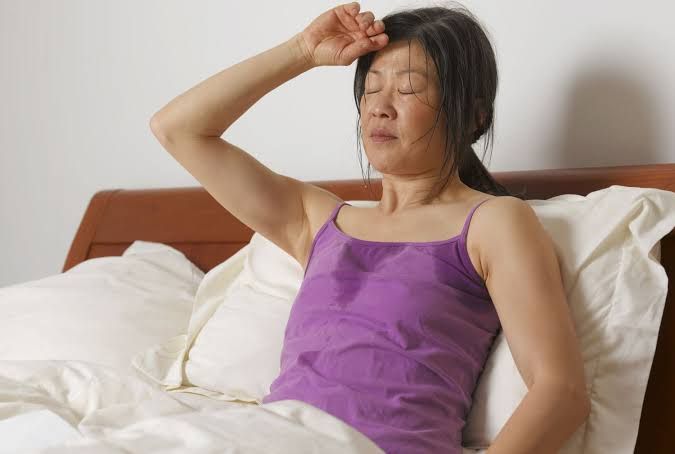
The Quick Answer
Yes, experiencing sleep-onset or midnight sweating is incredibly common, yet highly disruptive to your recovery. The short answer is that nocturnal sweating is usually caused by your body’s thermoregulation system working overtime due to hormonal shifts, elevated stress hormones, or environmental conditions. However, to choose the right strategy to manage it, you must understand your body’s underlying autonomic and cardiovascular patterns during recovery.
The Physiology of Sleep Thermoregulation
Under normal conditions, your core body temperature must drop by about 1 to 2 degrees Fahrenheit to initiate and sustain deep sleep. This natural dip is driven by your circadian rhythm and is essential for entering the deep, restorative sleep stages where cellular repair occurs. The brain’s preoptic area in the hypothalamus regulates this delicate balance. However, when a stressor disrupts this system, the hypothalamus misinterprets your core temperature, sending emergency signals to dilate blood vessels and activate sweat glands. The result is a sudden, uncomfortable spike in temperature that leaves you shivering in damp sheets.
If you have ever experienced night sweats, you are likely familiar with the dreaded 3 AM awakening. This is not just a thermal issue; it is a physiological event. When your body works excessively to dump heat, your sympathetic nervous system (“fight or flight”) takes the wheel. Your heart rate rises, your Heart Rate Variability (HRV) plummets, and your brain is flooded with cortisol. Instead of cycling smoothly through REM and deep sleep stages, you wake up abruptly with a racing mind, intense brain fog, and a lingering sense of physical exhaustion that shadows your entire day.
— Team Mind Body Dan
When to Use Recovery Tracking vs. When to Seek Medical Guidance
Understanding when to monitor your sleep trends at home and when to consult a healthcare provider is vital for your peace of mind:
- When to track your biometrics: If your sweating is mild to moderate, occurs after stressful days, aligns with late-night meals or alcohol intake, or correlates with room temperature shifts. In these cases, tracking cardiovascular indicators like HRV, resting heart rate, and sleep staging helps you identify lifestyle habits that can be adjusted.
- When to consult a professional: If you experience severe, persistent, drenching night sweats multiple times a week, accompanied by unexplained weight loss, chronic low-grade fever, extreme pain, or signs of an underlying infection or hormone disorder. In these situations, professional medical evaluation is necessary.
Monitoring Your Thermal and Autonomic Trends
To understand the root of your disrupted rest, you need consistent data. Tracking how your lifestyle choices—like physical activity, late-night dinners, or alcohol consumption—affect your body overnight is key to finding a solution. However, traditional wearables can sometimes get in the way. Heavy, glowing smartwatches often beep and vibrate, causing bedtime anxiety and interrupting your sleep just as you start to drift off. Relying on screen-heavy devices can accidentally reinforce the very sleep difficulties you are trying to resolve.
This is why we recommend screen-free biometric tracking. The Herz P1 Smart Ring offers a lightweight, titanium alternative that sits comfortably on your finger, free of displays, notifications, or bright screens. Equipped with advanced biometric sensors, it continuously tracks your sleep stages (REM, Deep, Light), heart rate variability (HRV), and resting heart rate throughout the night. It translates these complex physiological signs into an easy-to-read, subscription-free Daily Recovery Score, helping you see exactly how your body responds to changes in your routine—without the distraction of a glowing screen on your wrist.
Section 1 FAQ
Q: Why am I suddenly experiencing sweating in my sleep?
A: Sudden episodes of sweating in my sleep are often triggered by acute stress, room temperature spikes, hormonal fluctuations, or lifestyle habits like consuming alcohol, spicy foods, or caffeine close to bedtime.
Q: How does stress cause me to wake up sweating?
A: Chronic stress keeps your cortisol and adrenaline levels elevated at night. This sympathetic dominance raises your resting heart rate and alters your hypothalamus’s temperature control, leading to sweating during sleep.
Q: Can tracking my HRV help me understand my night sweats?
A: Yes! A drop in overnight HRV suggests your nervous system is under stress, which often correlates with thermoregulatory disruptions and a higher frequency of waking up warm and damp.
Q: Is my heavy smartwatch making my sleep environment worse?
A: It can be. Bulky smartwatches can feel uncomfortable to sleep in, and their glowing screens and notifications can trigger a racing mind. This can lead to lighter, more disrupted sleep stages.
Practical Guide: How to Prevent Night Sweats Tonight

Finding relief from sleep-related overheating starts with a clear plan. If you are looking for how to prevent night sweats, the most effective approach combines environmental adjustments, lifestyle changes, and keeping a close eye on your body’s overnight recovery trends.
Step 1: Cool Down Your Bedroom Environment
Your sleeping environment plays a major role in your body’s temperature regulation. To help prevent overheating at night, try making these key adjustments to your bedroom setup:
- Optimize Room Temperature: Set your thermostat between 60°F and 67°F (15°C to 19°C). This range supports your body’s natural temperature drop, helping you slip into deep sleep more easily.
- Choose Breathable Bedding: Replace synthetic sheets with natural materials like bamboo, linen, or lightweight eucalyptus tencel. These fabrics naturally wick away moisture and encourage air circulation, keeping you cooler than heat-trapping polyester.
- Upgrade to a Cooling Mattress or Topper: Many memory foam mattresses trap body heat. Choosing a mattress with gel-infused cooling foam, latex, or a breathable coil design can make a noticeable difference in preventing overheating.
Evening Habits to Keep You Cool:
- Watch Late-Night Meals: Avoid heavy meals, refined sugars, and hot spices for at least three hours before bed. Digestion increases your metabolic rate, which can elevate your core body temperature.
- Limit Alcohol Before Bed: While a nightcap might make you feel drowsy, alcohol increases your heart rate and dilates your blood vessels, which often leads to sleeping and sweating.
- Try a Warm Bath or Shower: Taking a warm shower about 90 minutes before bed can actually help you cool down. It draws blood to the surface of your skin, allowing your core temperature to drop quickly once you step out.
The Mind-Body Connection
A racing mind before bed is a common culprit behind nighttime sweating. When you go to sleep feeling stressed or anxious, your nervous system remains on alert. This lingering tension can disrupt your body’s temperature regulation during sleep and lead to sudden, uncomfortable wake-ups.
Integrating simple wind-down practices can help quiet your mind and soothe your nervous system. Try spending 10 to 15 minutes before bed on gentle box breathing, progressive muscle relaxation, or journaling to clear your thoughts. Removing screens and bright displays from your evening routine also supports your natural melatonin production. By helping your body transition smoothly into a relaxed, parasympathetic state, you can make it easier to enjoy comfortable, uninterrupted rest.
How to Stop Sweating in Sleep: Navigating Biometric Signals
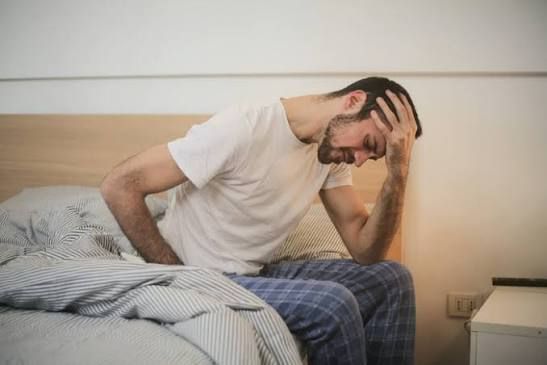
If you want to find out how to stop sweating in sleep, it helps to move past guesswork and look at your actual recovery data. Monitoring your overnight biometric trends is one of the most effective ways to understand how your habits, stress levels, and sleep environment affect your body.
Decoding Your Body’s Autonomic Trends
Your autonomic nervous system provides clear signs about the quality of your rest. By paying attention to two key metrics, you can get a better sense of your body’s overnight recovery:
- Heart Rate Variability (HRV): HRV measures the variation in time between consecutive heartbeats. Higher overnight HRV typically indicates that your body is resting, recovering, and in a balanced parasympathetic state. A sudden drop in HRV often points to physical or mental fatigue, which can be linked to disrupted temperature control and lighter sleep.
- Resting Heart Rate (RHR) Patterns: Ideally, your heart rate should dip to its lowest point during the first half of the night, forming a gentle “U-shape” curve. If your heart rate stays elevated or dips late, your body is working harder than it should to rest, which often leads to waking up feeling warm and unrested.
Paying attention to these overnight trends allows you to see the direct impact of your daytime choices. For example, you might notice that eating a late-night meal correlates with a lower HRV, an elevated heart rate, and more frequent thermal disruptions. Recognizing these patterns helps you make simple, informed adjustments to your daily routine, paving the way for more comfortable and consistent rest.
Why the Herz P1 Smart Ring fits your sleep routine:
This premium titanium ring is designed to track your biometrics comfortably and discretely, helping you understand your rest without the distraction of screens or recurring fees.
✓ Screen-Free Screen Detox
✓ Extended Battery Life
✓ Lightweight Titanium Shell
Tracking Your Sleep Staging
Your sleep is made up of distinct cycles of light, deep, and REM sleep, each serving an important role in your overall recovery. Deep sleep is when your body focuses on physical repair, tissue growth, and immune system support, while REM sleep is crucial for cognitive processing and emotional balance. Thermoregulatory events, like sudden sweating, can interrupt these cycles and pull you back into lighter, less restorative sleep. When this happens, your body misses out on the deep, uninterrupted cycles it needs to recharge.
By monitoring how much time you spend in each sleep stage, you can get a better picture of your actual rest quality. Spotting patterns in your data can help you connect your daytime choices to your nighttime recovery. Finding ways to reduce physical stress before bed and keep your sleep environment comfortable supports your natural sleep architecture. Over time, these small changes can help minimize nighttime awakenings, leaving you feeling more rested, clear-headed, and energized each morning.
By stepping away from screen-heavy trackers and focusing on consistent, long-term trends, you can gain a clearer understanding of your body’s needs. This screen-free approach lets you focus on simple lifestyle shifts that support comfortable rest, helping you reduce night sweats and build a more consistent, restorative sleep routine.
- Autonomic control of skin blood flow and sweating during thermal strain. (Journal of Applied Physiology).
- Thermoregulation and sleep sleep-stage relationships in human sleep cycles. (Physiology & Behavior).
- Heart rate variability (HRV) as an indicator of physiological stress and sleep recovery trends. (Frontiers in Neuroscience).
