

What Is Paroxysmal Nocturnal Dyspnea and Its Causes?
Waking up suddenly, gasping for air at 3 AM with a racing mind is a terrifying experience. Understanding paroxysmal nocturnal dyspnea is the first step. By combining medical insights with screen-free, stress-free tracking from the Herz P1 Smart Ring, you can monitor your sleep trends and reclaim peace.
Take Back Your Sleep.
Take Back Your Life.
- Fall asleep faster & sleep deeper
- Stop waking up in the middle of the night
- Wake up refreshed & full of energy
Key Takeaways: Understanding Sleep, Breathlessness, and Recovery
- Definition of PND: Paroxysmal nocturnal dyspnea is a sudden attack of severe breathlessness that occurs during sleep, forcing the individual to sit or stand upright to catch their breath.
- Primary Culprits: The most common nocturnal dyspnea causes stem from underlying cardiovascular dysfunction, particularly congestive heart failure (CHF), where fluid redistributes to the lungs while lying down.
- How It Differs: Unlike simple orthopnea, which is relieved almost immediately by propping up with pillows, PND takes longer to resolve and is often accompanied by coughing, wheezing, and intense panic.
- The Role of Tracking: Monitoring sleep architecture, Heart Rate Variability (HRV), and resting heart rate can provide valuable bio-feedback trends to share with your healthcare team.
- The Screen-Free Alternative: Wearables like the Herz P1 Smart Ring offer an elegant, subscription-free way to monitor overnight recovery without the blue-light disruption of smartwatches.
Table of Contents
Demystifying Paroxysmal Nocturnal Dyspnea: Signs and Symptoms

Quick Answer
Yes, experiencing sudden, severe shortness of breath at night requires immediate attention. The short answer is that paroxysmal nocturnal dyspnea is a hallmark symptom of left-sided heart failure or advanced respiratory disease. However, to choose the right strategy to manage your recovery, you need to understand how cardiorespiratory dynamics change when you transit from standing to a lying position.
Detailed Explanation
To understand this condition, we must first unpack the clinical terminology. The pnd medical abbreviation stands for Paroxysmal Nocturnal Dyspnea. Let’s break down these medical terms:
- Paroxysmal: Occurring in sudden, intense, or spasmic episodes.
- Nocturnal: Happening specifically during the night or during sleep.
- Dyspnea: The clinical term for difficult, labored, or uncomfortable breathing.
When a person experiences paroxysmal dyspnoea, they do not merely wake up feeling slightly stuffy. Instead, they are abruptly jolted from deep sleep—often 1 to 3 hours after drifting off—by a terrifying sensation of suffocation. The physical reaction is almost instinctual: the individual sits upright on the edge of the bed or rushes to an open window to gasp for fresh air.
Physiologically, when you transition to a horizontal position, fluid that has accumulated in your lower extremities during the day redistributes back into your central bloodstream. For a healthy cardiovascular system, this increase in venous return is easily handled by the heart’s chambers. However, if the left ventricle of the heart is weakened, it cannot pump this extra volume of blood effectively. This leads to a backup of pressure into the pulmonary veins, forcing fluid to leak into the alveoli (air sacs) of your lungs. This sudden accumulation of fluid—called pulmonary congestion—drastically impairs oxygen exchange, resulting in waking up gasping for air.
When to Seek Emergency Medical Care vs. When to Track Baseline Health
It is crucial to self-identify your physiological needs. If you are experiencing paroxysmal nocturnal dyspnea symptoms alongside chest pain, blue lips, severe swelling in your ankles (peripheral edema), or an irregular pulse, seek emergency medical assistance immediately. Wearables are not diagnostic tools and cannot treat cardiac emergencies.
On the other hand, if you are working with your doctor to manage a chronic cardiorespiratory condition, tracking your overnight physiological trends can be incredibly empowering. Monitoring resting heart rate, sleep stages, and autonomic nervous system activity during rest can show how well your body is recovering.
We at Team Mind Body Dan believe that tracking these biometrics shouldn’t add to your daily stress. Many traditional smartwatches are bulky, require daily charging, and constantly flash screens or notifications that disrupt your sleep hygiene. This is why we recommend screen-free, ultra-lightweight alternatives like the Herz P1 Smart Ring. Its medical-grade sensors monitor your baseline trends quietly in the background, giving you clear, actionable data to discuss with your healthcare provider.
What Triggers This Condition? Examining Nocturnal Dyspnea Causes

While the underlying pathophysiology of nocturnal dyspnea causes is highly connected to the heart, several conditions can present with similar symptoms. Identifying the precise trigger is essential for finding peace of mind and designing a targeted care plan.
1. Congestive Heart Failure (Left Ventricular Dysfunction)
This is the most frequent culprit behind nocturnal dyspnea. When you lie down flat, gravity no longer keeps fluid pooled in your legs and ankles. This fluid shifts back into your vascular system. A healthy heart simply increases its stroke volume to handle the load. A failing left ventricle, however, cannot keep pace. Blood backs up into the lungs, increasing pulmonary capillary pressure, leading to fluid accumulation in the air sacs, and causing a severe respiratory struggle.
2. Respiratory Illnesses (Asthma and COPD)
Chronic lung diseases like asthma or Chronic Obstructive Pulmonary Disease (COPD) can trigger breathing difficulties that mimic paroxysmal dyspnoea. During sleep, your body’s natural airway resistance increases, and clearance of mucus slows down. This can cause sudden bronchospasms, leaving you gasping for air. However, unlike cardiac-induced PND, respiratory-driven episodes are typically accompanied by a high-pitched wheezing sound rather than a wet, productive cough.
3. Obstructive Sleep Apnea (OSA)
In OSA, the muscles in the back of your throat relax excessively, physically blocking the airway. This leads to repeated pauses in breathing throughout the night. While OSA sufferers do wake up gasping, these awakenings are usually brief and happen dozens of times per hour. The individual might not even remember them, though they wake up feeling completely unrefreshed, with a dry mouth and heavy brain fog.
4. Gastroesophageal Reflux Disease (GERD)
When lying flat, stomach acid can easily travel up the esophagus and accidentally enter the trachea. This micro-aspiration causes a sudden, intense spasm of the vocal cords (laryngospasm), mimicking nocturnal dyspnea causes by leaving the individual temporarily unable to breathe or speak, accompanied by a burning sensation in the chest.
Lifestyle Strategies to Reduce Sleep-Related Respiratory Pressure:
- Elevate the Head of Your Bed: Use a wedge pillow or raise the head portion of your bed by 4 to 6 inches to let gravity assist your circulation.
- Avoid Heavy Meals Before Bed: Stop eating at least 3 hours before sleep to reduce the risk of acid reflux triggering respiratory spasms.
- Monitor Sodium Intake: Restricting dietary sodium helps minimize overall fluid retention, lowering the volume of fluid that can shift to your lungs at night.
- Optimize Sleep Environment: Maintain a cool, well-ventilated bedroom to support healthy airways and keep your mind calm.
How Sleep Architecture and Autonomic Recovery Intersect with Respiratory Health
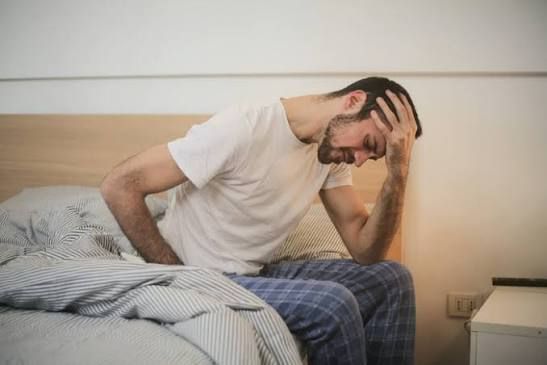
Waking up in the middle of the night gasping for air doesn’t just disrupt your respiratory rhythm; it also shatters your sleep architecture and triggers a cascade of stress hormones. When your brain registers a drop in oxygen levels, it initiates a “fight-or-flight” response, releasing adrenaline to force you awake. This survival mechanism spikes your blood pressure and heart rate, leaving you with a racing mind and making it incredibly difficult to fall back asleep.
The Importance of Tracking Biometric Recovery Trends
For anyone managing respiratory issues or sleep-related stress, understanding how your body recovers overnight is incredibly valuable. Your autonomic nervous system regulates your heart rate, breathing, and digestion through two main branches: the sympathetic (fight-or-flight) and parasympathetic (rest-and-digest) systems.
When you sleep, your parasympathetic nervous system should ideally take the lead. This transition is marked by a drop in resting heart rate and an increase in Heart Rate Variability (HRV). HRV measures the variation in time between consecutive heartbeats. A higher HRV during sleep indicates that your body is relaxed and recovering effectively, while a suppressed HRV suggests chronic physiological stress or poor recovery.
The Elegant, Screen-Free Recovery Solution
If you want to track these baseline trends, you don’t need a bulky, bright smartwatch that buzzes on your wrist and keeps you awake with notifications.
The Herz P1 Smart Ring is designed to help you reclaim your sleep quietly and elegantly. Made from lightweight, medical-grade titanium, it fits comfortably on your finger, allowing you to track your Sleep Stages (Light, Deep, and REM), resting heart rate, and HRV without any subscription fees.
Instead of overwhelming you with complex, hard-to-read graphs, the Herz P1 translates your physiological data into an intuitive, daily Recovery Score. This lets you see at a glance how your lifestyle adjustments—like raising the head of your bed or avoiding late-night sodium—are benefiting your body.
Who Is This Tracking For—And Who Is It Not For?
Who it is for: Anyone looking to monitor baseline recovery trends, track sleep quality improvements, and gather objective physiological data to share with their doctor. It is perfect for those who want a comfortable, screen-free alternative to traditional trackers.
Who it is NOT for: Anyone who expects a wearable to diagnose, treat, or cure a serious medical condition like congestive heart failure. If you are experiencing active symptoms of paroxysmal nocturnal dyspnea symptoms, your first step should always be to consult with a medical professional.
Frequently Asked Questions (FAQ)
What is the difference between orthopnea and paroxysmal nocturnal dyspnea?
Orthopnea is breathlessness that occurs almost immediately after lying flat. It is quickly relieved by sitting upright or propping yourself up with extra pillows. In contrast, paroxysmal nocturnal dyspnea is a sudden, severe episode that wakes you up after several hours of sleep. It is not instantly relieved by changing positions, often taking up to 30 minutes to resolve.
Can anxiety cause paroxysmal dyspnoea?
While anxiety and panic attacks can cause severe hyperventilation and shortness of breath at night, clinical PND is traditionally caused by physiological fluid shifts related to cardiovascular dysfunction. However, a sudden awakening from sleep can cause a massive adrenaline spike, triggering intense anxiety that can mimic or worsen the sensation of breathlessness.
How do doctors evaluate the underlying causes of nocturnal dyspnea?
A medical team will typically use a variety of diagnostic tools to assess the heart and lungs. This may include an echocardiogram to check left ventricular function, chest X-rays to look for fluid in the lungs, pulmonary function tests, and sleep studies to rule out obstructive sleep apnea.
Why is screen-free tracking beneficial for sleep recovery?
Exposure to blue light from smartphones and smartwatch screens suppresses your body’s natural production of melatonin, the hormone responsible for regulating sleep. Furthermore, vibrations and notifications from smart devices can trigger micro-arousals during the night, preventing you from reaching deep, restorative sleep stages. Using a screen-free device like a smart ring allows you to collect valuable biometric data without interrupting your sleep hygiene.
Disclaimer: Results may vary depending on individual physical activity levels, unique health conditions, and daily tracking patterns. The content on this blog is for informational and educational purposes only and should not be used as medical advice or to diagnose, treat, or prevent any medical condition. Always consult with your primary healthcare physician or a qualified cardiologist if you are experiencing severe symptoms such as paroxysmal nocturnal dyspnea, sudden breathlessness, or chest pain.
