

The Ultimate Guide to the Siesta: How Smart Tracking Unlocks the Power of Afternoon Naps
Do you suffer from relentless mid-afternoon brain fog and non-restorative sleep? Understanding the traditional siesta and its biological benefits can transform your daily recovery. By pairing natural napping rhythms with a screen-free Herz P1 Smart Ring, you can track your heart rate variability and optimize your afternoon rest without subscription fees.
Take Back Your Sleep.
Take Back Your Life.
- Fall asleep faster & sleep deeper
- Stop waking up in the middle of the night
- Wake up refreshed & full of energy
Key Article Highlights:
- The Biological Slump: Why our bodies are naturally programmed for a midday rest or siesta.
- Health Benefits: How afternoon naps lower blood pressure, improve cognitive performance, and reduce stress metrics like Heart Rate Variability (HRV).
- The Ideal Nap Duration: Balancing 20-minute power naps and full 90-minute sleep cycles to avoid grogginess.
- Precision Recovery Tracking: Utilizing advanced, screen-free smart ring technology to monitor sleep stages and guide your recovery.
The Evolution of the Siesta: Definition, History, and Cultural Significance

For centuries, the concept of a midday pause has shaped cultures around the world. But what is the siesta, and why does it remain such a powerful ritual in our modern, fast-paced society? To understand its value, we must look at both history and biology. The word itself stems from the Latin “hora sexta”, which translates to the “sixth hour” of the day—traditionally measured from dawn, aligning perfectly with the midday period when the sun is at its highest and hottest point.
Historically, the traditional siesta definition goes far beyond simply “taking a nap.” It represents a structured, culturally respected period of rest, typically occurring between 1:00 PM and 4:00 PM. In Mediterranean countries like Spain, Greece, and Italy, as well as parts of Latin America, the Middle East, and North Africa, the daily schedule was built around this midday heat. Businesses closed, streets quieted, and families gathered to eat a substantial lunch before retreating indoors to rest. This allowed workers to escape the intense afternoon sun, preserving their energy for the cooler evening hours when productivity would resume.
While modern globalization and climate-controlled offices have shifted standard business hours in many urban centers, the biological drive for a afternoon siesta nap has not changed. In fact, human biology remains deeply wired for biphasic sleep. Our circadian rhythms naturally experience a dip in alertness roughly twelve hours after the midpoint of our nighttime sleep. This phenomenon, known as the “post-prandial somnolence” or afternoon slump, is a natural physiological state, not a sign of laziness. Embracing siestas is a time-tested way to work with, rather than against, our natural internal clocks.
Our Selection Criteria for Recovery and Sleep Trackers
At Mind Body Dan, we understand that optimizing your sleep patterns requires accurate, objective data. To evaluate the best sleep and recovery tools, we use a rigorous, scientific testing process. Our team assesses wearables based on three primary pillars:
- Biometric Accuracy: The device’s ability to precisely track Sleep Stages (Light, Deep, and REM sleep), overnight Heart Rate (HR), and Heart Rate Variability (HRV).
- Ergonomic Comfort: Sleep-focused devices must be comfortable enough to wear through the night and during naps without causing physical disruption. Bulky smartwatches often fail this test.
- User Autonomy & Subscription Models: We prioritize devices that respect the user’s wallet. We heavily favor subscription-free options that provide access to all sleep data without monthly paywalls.
Based on these strict criteria, we recommend tracking your physiological recovery using the Herz P1 Smart Ring, an elegant, screen-free wearable designed for holistic health monitoring.
Comparing Wearable Form Factors for Sleep Tracking
| Device Type | Sleep Comfort | Key Sleep Metrics | Subscription Fee | Screen-Free Focus |
|---|---|---|---|---|
| Herz P1 Smart Ring | Excellent (Lightweight Titanium) | Sleep Stages, HRV, Daily Recovery Score | $0 (Lifetime Free App) | Yes (Zero Distractions) |
| Typical Smartwatch | Poor (Bulky, heavy, requires daily charging) | Steps, basic sleep duration, heart rate | Varies (Some require premium apps) | No (Blue light notifications) |
| Screen-Based Fitness Band | Moderate (Slightly bulky, plastic strap) | Sleep movement, estimated cycles | Often locked behind monthly paywalls | No (Emits light disruptions) |
The Herz P1 Smart Ring: Premium, Subscription-Free Sleep Intelligence
If you want to track how your midday siesta time affects your overall cardiovascular system, the Herz P1 Smart Ring offers a beautifully simple solution. Designed with a highly polished titanium exterior, this medical-grade smart ring fits seamlessly on your finger. Weighing only a few grams, it completely eliminates the physical bulk of traditional wrist-worn trackers—making it ideal for those who find smartwatches too uncomfortable to sleep in.
The P1 shines by translating complex biometric algorithms into simple, actionable daily metrics. Instead of presenting you with confusing, hard-to-read graphs that leave you feeling more stressed than before, the accompanying app outputs an intuitive Daily Recovery Score. It monitors three sleep stages—REM, Deep, and Light sleep—alongside overnight Heart Rate Variability (HRV), letting you know exactly when your body has fully charged and when you need to slow down.
Key Strengths:
- No Hidden Subscription Fees: Buy the ring once, and you own 100% of your biometric data forever. No monthly paywalls or premium feature locks.
- Screen-Free Recovery: Helps you maintain healthy sleep hygiene boundaries by preventing blue-light exposure or distracting notifications in bed.
- Long Battery Life: Charge it once every several days, bypassing the annoying routine of daily smartwatch charging.
Potential Limitations: Since the ring is entirely screen-free, you must open the mobile app on your phone to view your daily scores. While this is a constructive design choice to keep screens out of your bedroom, users looking for instant, on-device notifications during a workout may need a moment to adapt to this screen-free tracking method.
Ideal User: Health-conscious individuals, busy professionals, and light sleepers who want comfortable, elegant, and actionable sleep insights without the burden of ongoing monthly subscriptions.
The Science of the Siesta Nap: Sleep Stages, HRV, and Biological Benefits
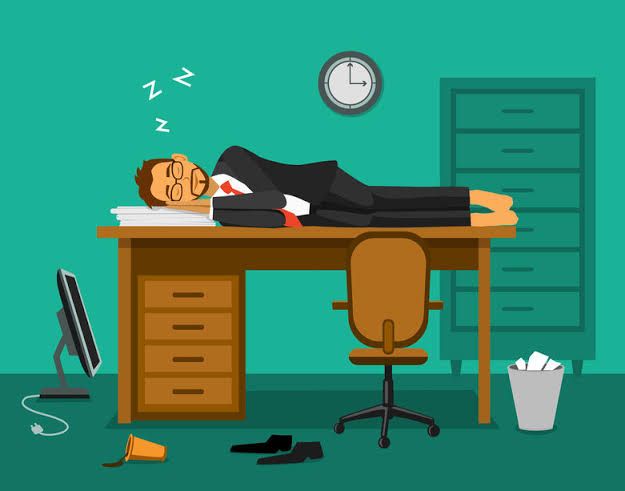
Taking a midday rest is far more than a cultural indulgence; it is a scientifically validated biohack. To appreciate the impact of a daily siesta nap, we must explore what happens inside our bodies during these periods of quiet recovery. When we sleep, our brain shifts through distinct electrical patterns. During a short 20-to-30-minute nap, you primarily enter Light sleep (Stage N1 and N2). This stage is highly effective at clearing out adenosine—a chemical byproduct that builds up in the brain during waking hours, causing drowsiness. By clearing adenosine without entering Deep sleep, you wake up feeling instantly alert, sharp, and free of the sluggishness known as “sleep inertia.”
For those struggling with chronic, non-restorative sleep, the afternoon can feel like an endless uphill battle against brain fog. You might experience the classic “3 AM awakening” with a racing mind, lying frozen under the sheets as your thoughts spin out of control. When you start your day with a sleep deficit, your nervous system remains stuck in a sympathetic “fight-or-flight” state. Your heart rate remains elevated, and your Heart Rate Variability (HRV)—the variations in time between consecutive heartbeats—drops significantly. A low HRV indicates that your body is physically stressed and struggling to adapt to demands.
This is where a structured, daily rest period becomes incredibly valuable. By lying down for a short siesta time, you activate your parasympathetic nervous system—the “rest-and-digest” branch. Studies show that even a brief 20-minute period of quiet breathing and light sleep can trigger a healthy rise in HRV, signaling that your heart is recovering from physical and mental strain. If you wear a dedicated screen-free health tracker like the Herz P1, you will often see this recovery reflected in a balanced evening HRV reading and a stronger Daily Recovery Score the following morning.
— Team Mind Body Dan
Furthermore, longer naps can offer deeper regenerative benefits under the right circumstances. If you have the flexibility to resting for 90 minutes, you can complete a full sleep cycle. This allows you to transition through Light sleep, into Deep sleep (where tissue repair, muscle growth, and immune system strengthening occur), and finally into REM (Rapid Eye Movement) sleep, which is critical for emotional regulation and creative problem-solving. However, tracking these sessions with a comfortable smart ring ensures you don’t accidentally wake up mid-deep sleep, which can leave you feeling disoriented and heavy for the rest of the day.
Cardiovascular and Cognitive Perks of a Midday Pause
The physiological benefits of incorporating siestas into your weekly routine are extensive:
- Reduces Cardiovascular Strain: Regular napping is associated with lower blood pressure and a reduced risk of long-term cardiovascular events. Midday rest helps buffer the stressful spikes in cortisol we experience during hectic workdays.
- Enhances Memory Consolidation: Sleep researchers have found that even brief naps help the brain transfer short-term memories from the hippocampus to the neocortex for long-term storage, boosting your capacity to learn new skills.
- Mitigates Brain Fog: Instead of relying on a third cup of coffee at 3:00 PM—which will only disrupt your nighttime sleep and fuel a vicious cycle of insomnia—a natural rest period restores your focus cleanly, without chemical crashes.
Practical Steps to Optimize Your Siesta Time and Track Your Recovery

Knowing what is the siesta and understanding its science is only the first step. To truly reap the rewards, you must learn how to integrate this practice into a modern, busy schedule. Without a mindful approach, daytime sleeping can sometimes backfire, making it harder to fall asleep at night. Here is our step-by-step blueprint to mastering the perfect afternoon nap and using smart metrics to track your progress.
Our Step-by-Step Siesta Blueprint:
- Perfect Your Timing: Plan your rest for the middle of your waking day—usually between 1:00 PM and 3:00 PM. Napping past 4:00 PM can disrupt your sleep drive, leading to frustrating nighttime wakefulness.
- Control the Duration: Set an alarm for 20 to 25 minutes. This ensures you remain in light, restorative sleep stages and wake up energized rather than groggy.
- Create a Sensory Sanctuary: Cool your room to roughly 65-68°F, block out midday sunlight with blackout curtains or a comfortable eye mask, and use white noise to mask outdoor traffic.
- Ditch the Screens: Avoid scrolling through your phone right before laying down. A screen-free environment allows your heart rate to drop naturally.
Once you have established your routine, the next step is tracking your physiological response. The key to successful recovery is consistency. Instead of guessing how your body is adjusting, you can use the Herz P1 to view detailed sleep stage trends. When you wake up, the ring syncs your heart rate and movement data, allowing you to see how quickly your body relaxed during your midday pause.
Over a week or two, you should begin to notice patterns. If your midday naps are successful, your nighttime resting heart rate will likely drop faster after you go to bed, and your overall HRV will trend upward. Conversely, if you notice your nighttime Sleep Score declining after your naps, it may indicate that your afternoon rest was too long or taken too late in the day. This simple, data-informed feedback loop allows you to fine-tune your schedule to perfection.
Establish Healthy Digital Boundaries
Are you tired of smartwatches buzz-buzzing on your wrist all night, or blinding you with bright screen notifications when you toss and turn? Reclaim your bedroom as a distraction-free sanctuary. The transition to a screen-free tracking approach helps calm your nervous system, ending the habit of checking notifications at 3 AM.
Final Recommendations for Integrating Recovery Wearables
To summarize, optimizing your health and unlocking the benefits of daytime rest requires a balance of biological wisdom and reliable, lightweight tools. Here are our top three recommendations for anyone ready to take control of their sleep:
- Prioritize Ergonomic Comfort: Choose a biometric wearable that feels invisible. Rings are inherently less disruptive during sleep than heavy watches.
- Avoid Subscription Burnout: Don’t lock your health data behind monthly paywalls. Look for lifetime free apps that respect your financial autonomy.
- Keep Screens Out of the Bed: Embrace a screen-free tracking method to calm a racing mind and promote a peaceful sleeping environment.
Disclaimer: Results may vary depending on individual physical activity levels, unique health conditions, and daily tracking patterns. The content provided on Mind Body Dan is for informational and educational purposes only and is not intended as medical advice. Always consult with a qualified healthcare professional before making major changes to your sleep, exercise, or lifestyle habits.
