

Why Are You Waking Up at the Same Time Every Night? The Science-Backed Guide to Reclaiming Your Rest
Struggling with waking up at the same time every night? This exhausting cycle is often triggered by subtle circadian rhythm shifts or stress hormone spikes. To understand your biometric patterns without sleep-disrupting screens, tracking your recovery metrics with a screen-free Herz P1 Smart Ring is the ideal way to reclaim peaceful rest.
Take Back Your Sleep.
Take Back Your Life.
- Fall asleep faster & sleep deeper
- Stop waking up in the middle of the night
- Wake up refreshed & full of energy
Article Highlights
- Circadian Mechanics: Repeated nighttime awakenings are closely linked to biological transitions within our sleep architecture and cortisol production curves.
- The Autonomic Connection: High stress and low Heart Rate Variability (HRV) are primary drivers of waking up in the middle of the night.
- Screen-Free Solutions: Traditional smartwatches often worsen sleep anxiety with glowing notifications and bulky designs.
- Seamless Biometrics: Discover how subscription-free, titanium smart rings track your sleep stages without adding screen time to your evening routine.
The Science Behind Waking Up at the Same Time Every Night
Quick Answer
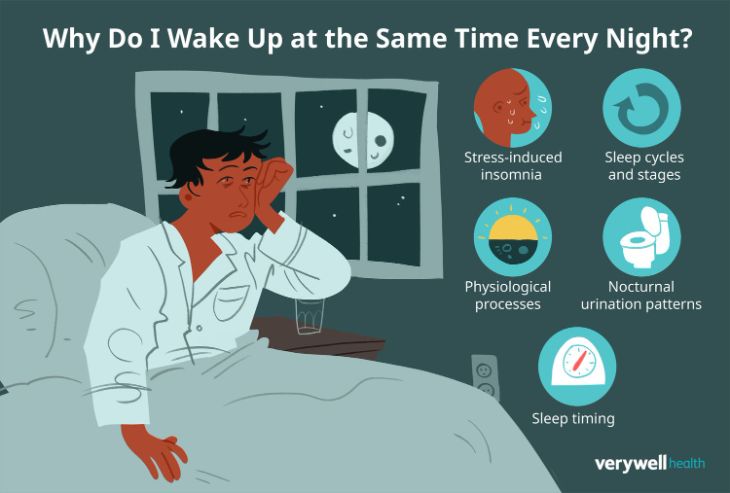
Yes, waking up at the same time every night is a highly common and physiologically logical phenomenon. The short answer is that your body operates on a highly precise 24-hour biological clock, meaning micro-arousals naturally occur at predictable stages of your sleep cycles. However, to choose the right lifestyle adjustments or tracking tools, you need to understand whether these awakenings are caused by hormonal imbalances, lifestyle factors, or stress-related disruptions in your autonomic nervous system.
Detailed Explanation of Circadian Biology and Sleep Stages
To understand why you keep waking up at night, we must look at how sleep is structured. Human sleep is not a uniform block of unconsciousness. Instead, we cycle through four distinct sleep stages approximately every 90 to 120 minutes. These stages consist of Light Sleep (Stages N1 and N2), Deep Sleep (Stage N3, also known as slow-wave sleep), and Rapid Eye Movement (REM) sleep.
During the first half of the night, your body prioritizes deep sleep, which is critical for physical recovery, tissue repair, and immune function. As the night progresses into the early morning hours (typically between 2:00 AM and 4:00 AM), your sleep architecture shifts, and you spend significantly more time in lighter sleep and REM phases. REM sleep is where active dreaming occurs, and your brain activity closely resembles waking levels.
Because these cycles are highly consistent, you will naturally reach a transition point between REM and light sleep at almost the exact same hour every single night. Under ideal conditions, you might experience a “micro-arousal”—a tiny, 3-to-5-second awakening that you do not even remember the next day—and immediately drift back to sleep. However, if your body is under stress, these transition points turn into fully conscious, frustrating awakenings where your mind immediately starts racing.
Another biological culprit behind waking up at the same time every night is the delicate balance of cortisol and melatonin. Melatonin, the hormone of darkness, peaks in the middle of the night to keep you asleep. Cortisol, your primary stress hormone, is supposed to remain low overnight and begin its gradual rise around 3:00 AM or 4:00 AM to help you wake up naturally in the morning. However, if you are chronically stressed, your evening cortisol levels do not drop sufficiently, or you experience an early, sharp spike in cortisol. This premature hormonal surge acts like a physiological alarm clock, jolting you awake in the middle of the night.
Let’s look at how typical sleep cycles correlate with specific times during the night:
| Typical Timeframe | Dominant Sleep Stage | Potential Physiological Cause of Awakening |
|---|---|---|
| 11:00 PM – 1:00 AM | Deep Sleep (N3) | High sleep debt, alcohol metabolism, or initial temperature spikes. |
| 1:00 AM – 3:00 AM | Transitioning to REM | Blood sugar drops, liver metabolism issues, or early cortisol release. |
| 3:00 AM – 5:00 AM | Light Sleep & REM | Anxiety, high sympathetic tone (low HRV), or environmental noises. |
When to Use vs. When Not to Use Biometric Sleep Tracking
If you are struggling with waking up at the same time every night, monitoring your biometrics can provide invaluable, objective clues. However, it is essential to recognize when tracking is beneficial and when it might cause more harm than good.
When to Track: Use biometric monitoring if you wake up feeling unrefreshed despite spending eight hours in bed, or if you are trying to understand how lifestyle habits (like evening meals or workouts) impact your recovery. Finding out your Heart Rate Variability (HRV) trends can tell you exactly how recovered your nervous system is before you head to bed.
When Not to Track: Avoid tracking if checking your data creates “orthosomnia”—the clinical term for sleep anxiety caused by a fixation on achieving “perfect” sleep scores. If looking at a bright smartwatch screen before bed or immediately upon waking causes your heart to race and your mind to spiral, traditional wrist-worn devices may not be the right choice for you. Instead, using discreet screen-free health trackers allows you to collect precise data in the background without the psychological stress of push notifications.
Suggested Solutions: Reclaiming Your Sleep Architecture
To break the loop of waking up at the same time every night, you must adopt a dual approach that addresses both your physical environment and your internal nervous system. Start by optimizing your bedroom temperature (ideally between 60°F and 67°F) to support the natural drop in core body temperature required for deep sleep. Additionally, establish a consistent “wind-down” window at least 60 minutes before bed—free from smartphones, laptops, and bright overhead lights.
To shift your body out of sympathetic dominance before sleep, practice physiological sighs (two quick inhales through the nose followed by one long, slow exhale through the mouth) or gentle box breathing. But how do you know if these practices are actually working? This is where objective biometric feedback is incredibly helpful.
Our team recommends tracking these nightly physiological shifts using comfortable, screen-free biometric smart rings. The Herz P1 Smart Ring stands out as an exceptional, medical-grade solution. Crafted from ultra-lightweight titanium, it slides comfortably onto your finger, completely eliminating the bulkiness of standard smartwatches. Because it is entirely screen-free, you won’t be tempted by blue light or stressful midnight notifications. It works silently in the background, analyzing your sleep stages, HRV, and heart rate patterns to deliver an intuitive Recovery Score every morning—all with no monthly subscription fees.
Section 1 FAQ
Q: Why do I wake up every 2 hours without fail?
A: If you find yourself waking up every 2 hours, your body is likely struggling to transition smoothly between individual sleep cycles. Since standard sleep cycles last roughly 90 to 120 minutes, waking up on this exact schedule suggests your nervous system is on high alert, causing minor cycle transitions to trigger full alertness.
Q: Can waking up in the middle of the night be related to my diet?
A: Absolutely. Eating a large, carbohydrate-heavy meal or drinking alcohol close to bedtime can cause severe blood sugar fluctuations. When your blood sugar crashes a few hours later, your brain releases cortisol and adrenaline to stabilize it, causing you to wake up suddenly.
Q: What is the most reliable way to monitor my sleep stages?
A: To track your sleep accurately without sleep-disrupting screens, a lightweight, premium wearable like the Herz P1 wearable is highly recommended. It uses advanced optical sensors to measure blood flow changes directly from the arteries in your finger, providing highly reliable sleep stage and HRV analytics.
The Psychological and Physiological Triggers for Nighttime Awakenings
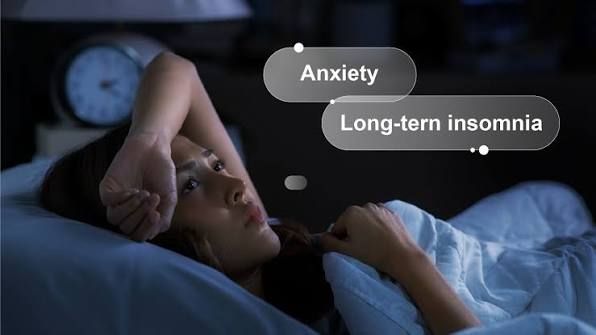
When you are consistently waking up at the same time every night, it can feel incredibly frustrating. You might lay in bed for hours, exhausted but wired, wondering why do i keep waking up at night. Often, this is a combination of psychological and physiological factors working together to disrupt your rest.
The Stress Loop and the “Racing Mind”
For many of us, the trouble begins long before we turn off the lights. The chronic, low-grade stress of modern life keeps our sympathetic nervous system constantly active. When you carry a racing mind to bed, your brain remains on high alert. Even if you manage to fall asleep initially, your body remains sensitive to subtle environmental shifts.
When you transition between deep and light sleep cycles, your brain interprets the light sleep phase as a cue to wake up and check for danger. Once awake, the immediate realization of “I’m awake again” triggers a surge of anxiety, creating a self-reinforcing cycle of sleep disruption. This is one of the most common reasons why people find themselves waking up in the middle of the night, night after night.
Nocturnal Blood Sugar Crashing
Another major physiological trigger is nocturnal hypoglycemia, or blood sugar drops. When you consume refined carbohydrates, sugar, or alcohol close to bedtime, your pancreas releases a large amount of insulin to manage the sudden blood sugar spike. A few hours later, your blood sugar levels can crash rapidly.
Because your brain relies on a steady supply of glucose to function overnight, it views a sudden drop in blood sugar as an emergency. In response, your adrenal glands release stress hormones like cortisol and adrenaline to stimulate the liver to release stored glucose. Unfortunately, this hormonal rescue mission wakes you up, often leaving you feeling anxious, sweaty, or wide awake around 2:00 AM or 3:00 AM.
Actionable Step: The Pre-Bed Protein Snack
If you suspect blood sugar crashes are causing you to wake up in the middle of the night, try having a small, high-protein snack 30 to 60 minutes before bed. A tablespoon of almond butter, a handful of pumpkin seeds, or a small serving of Greek yogurt can provide a steady source of energy, keeping your blood sugar stable throughout the night.
Subclinical Breathing Issues
For some, the issue is not stress or diet, but breathing. Conditions like obstructive sleep apnea or subclinical sleep-disordered breathing can cause your airway to collapse slightly during deep muscle relaxation. This restriction reduces your blood oxygen levels.
To prevent suffocation, your brain triggers a brief, survival-driven surge of adrenaline to wake you up just enough to clear the airway. These micro-awakenings can happen dozens of times an hour—leaving you feeling exhausted and wondering why do i wake up every 2 hours—even if you do not remember waking up at all.
To help identify if these biological triggers are affecting your sleep, tracking your overnight biometrics with a dedicated screen-free health monitor can help you see exactly how your heart rate and recovery metrics respond to these nighttime events.
Tracking Sleep Metrics Without Screen Distractions: Reclaiming Your Recovery

In our quest to stop waking up at the same time every night, many of us turn to popular smartwatches or fitness trackers. However, traditional wearables often introduce a major operational problem: they are bulky, uncomfortable to wear to bed, and require daily charging. Worst of all, they feature bright screens that can flood your eyes with blue light, disrupting your natural melatonin production and worsening sleep anxiety.
The Downside of Smartwatch Screens and Nighttime Distractions
If you have ever woken up at 3:00 AM and instinctively checked your wrist, you know how damaging that glowing screen can be. Not only does the sudden burst of light signal your brain to stop producing melatonin, but seeing the time (“3:14 AM”) can immediately trigger a wave of sleep anxiety as you begin calculating how few hours of sleep you have left. This sleep anxiety is a major reason why many people find themselves waking up every hour as the morning approaches.
The solution is not to stop tracking your biometrics, but to change how you track them. By moving your sleep tracking from a bulky, screen-equipped smartwatch to a sleek, screen-free titanium ring, you can gather high-quality health insights without the added screen time or distraction.
Elevate Your Recovery with the Herz P1
Discover the elegance of medical-grade sleep tracking without the screen fatigue. The Herz P1 Smart Ring delivers deep biometric insights with zero monthly fees.
Unlocking Biometric Insights: Sleep Stages and Heart Rate Variability (HRV)
A high-quality Herz P1 titanium ring does not just count your steps; it serves as a powerful window into your autonomic nervous system. By utilizing advanced optical sensors to measure blood volume changes directly from the digital arteries in your finger, it tracks key biometric markers, including:
- Heart Rate Variability (HRV): Measured in milliseconds, HRV is the variation in time between consecutive heartbeats. A high nocturnal HRV indicates that your parasympathetic nervous system (rest-and-digest) is active, allowing your body to recover deeply. Conversely, a consistently low overnight HRV suggests your sympathetic nervous system is working overtime, explaining why do i keep waking up at night.
- Sleep Stage Distribution: By tracking your heart rate, movement, and temperature trends, a comprehensive sleep tracking ring can estimate how much time you spend in Light, Deep, and REM sleep. If your deep sleep is consistently cut short, it explains why you might wake up feeling physically sore or chronically tired.
- Daily Recovery Score: Rather than forcing you to decode complex biological charts and data, the Herz P1 translates your biometric trends into a simple, actionable Recovery Score. This score helps you quickly understand your body’s daily readiness without causing information overload.
By understanding your body’s patterns through a screen-free lens, you can take control of your evening routines and finally break the cycle of waking up at the same time every night. Reclaiming your rest does not have to be a guessing game. With the right lifestyle adjustments and quiet, consistent biometric feedback, you can transition back into the deep, uninterrupted sleep your body and mind deserve.
Disclaimer: Results may vary depending on individual physical activity levels, unique health conditions, and daily tracking patterns. This article is for informational and educational purposes only and does not constitute medical advice. If you suspect you have a medical sleep disorder, please consult with a qualified healthcare professional.
