

5 Best Wearables for Alcohol and Sleep Quality Tracking
Does a nightly glass of wine help you rest, or is it secretly sabotaging your recovery? While a nightcap often makes you feel drowsy, the objective biometric data paints a very different picture. Today, we review the best wearables—including the screen-free, subscription-free Herz P1 Smart Ring—to help you track how alcohol and sleep interact.
Take Back Your Sleep.
Take Back Your Life.
- Fall asleep faster & sleep deeper
- Stop waking up in the middle of the night
- Wake up refreshed & full of energy
- Biometric Truths: How alcohol alters heart rate variability (HRV) and suppresses critical REM sleep.
- The 3 AM Awake Trap: Why the body experiences sudden, early morning awakenings post-consumption.
- Comparison of Top Trackers: Evaluated based on comfort, sleep stage accuracy, and hidden subscription fees.
- The Screen-Free Edge: Why smart rings offer a healthier, distraction-free environment for natural recovery.
The Best Wearables to Analyze the Impact of Alcohol on Sleep

Selection Criteria: How We Evaluated These Wearables
To identify the best devices for tracking how alcohol and sleep interact, Team Mind Body Dan evaluated options based on several critical criteria:
- Biometric Granularity: Does the device track HRV, Resting Heart Rate (RHR), and precise sleep stages (Light, Deep, REM)?
- Sleep Comfort: Is the form factor light and non-invasive, or does it feel bulky and warm during hot flashes or restlessness?
- Distraction-Free Design: Does it have an glowing screen that tempts you to check the time during 3 AM awakenings?
- Cost Transparency: Are there high recurring monthly subscription fees to view your own biological data?
Quick Comparison: Top Sleep and Recovery Trackers
| Tracker Model | Form Factor | Subscription Fee | HRV Tracking | Sleep Comfort |
|---|---|---|---|---|
| Herz P1 Smart Ring | Titanium Ring (No Screen) | $0 (Free Forever) | Yes (Medical-Grade) | Excellent (Ultra-light) |
| Oura Ring Gen 3 | Metal Ring (No Screen) | $5.99 / month | Yes | Excellent |
| Whoop Strap 4.0 | Fabric Wristband (No Screen) | $30 / month | Yes | Good (Slightly warm) |
| Ultrahuman Ring AIR | Titanium Ring (No Screen) | $0 (Free) | Yes | Good (Slightly wider profile) |
| Apple Watch Series 9 | Smartwatch (Bright Screen) | $0 (Free) | Yes (On Demand/Intervals) | Moderate (Bulky wrist strap) |
1. Herz P1 Smart Ring (Our Top Recommended Solution)
The Herz P1 Smart Ring represents a dramatic step forward for sleep tracking, particularly if you are trying to cut through the complexity of biometric tracking without adding to your digital fatigue. Constructed from ultra-lightweight, medical-grade titanium, it sits comfortably on your finger, completely unnoticeable during the night.
What makes the Herz P1 particularly special for tracking the physiological effects of alcohol is its highly intuitive data presentation. Rather than overwhelming you with highly technical cardiovascular charts that require a degree in biology to interpret, its algorithmic core translates complex heart rate variability (HRV), resting heart rate, and sleep stages (REM, Deep, Light) into a single, clean Daily Recovery Score. If you had a few drinks the night before, the ring clearly reflects that impact by showing a suppressed Recovery Score and a drop in HRV, helping you establish a clear, objective baseline of your personal tolerance limits.
Most importantly, the Herz P1 is entirely subscription-free. You pay once for the hardware, and the companion app remains free forever. There are no monthly paywalls locking away your personal heart metrics. Combined with its screen-free design—which prevents glowing blue light from waking you up at 3 AM—and a long-lasting battery that removes the annoyance of daily charging, it is the most elegant, practical recovery companion available today.
- Strengths: Complete titanium frame, zero monthly subscription fees, highly accurate overnight biometric capture, intuitive sleep stage mapping.
- Weaknesses: Does not feature active screen notifications (by design, to keep your sleep screen-free).
- Ideal User: Health-conscious individuals seeking a highly comfortable, stylish, subscription-free tracker that provides actionable recovery guidance without screen distractions.
2. Oura Ring Gen 3
The Oura Ring Gen 3 is a well-regarded pioneer in the smart ring space. It offers solid biometric tracking, monitoring resting heart rate, respiratory rates, and temperature trends with great precision. Its sleek design makes it comfortable to wear throughout the day and night.
However, Oura locks nearly all of your historical tracking and detailed analysis behind a mandatory $5.99 monthly subscription. For many users, this ongoing subscription fee feels unnecessary, especially since you have already purchased a premium physical tracker. Additionally, some users with sensitive skin report minor irritation from the exposed interior sensor bumps over long periods of wear.
- Strengths: Highly polished software interface, excellent sleep stage categorization, integrated temperature sensors.
- Weaknesses: Requires a continuous monthly subscription, interior sensor bumps can occasionally feel restrictive.
- Ideal User: Users who do not mind paying a recurring subscription fee for detailed historic health trends.
3. Whoop Strap 4.0
Whoop Strap 4.0 is designed specifically with serious athletic performance in mind. Because it is worn on the wrist or bicep using a elastic fabric band, it can withstand intense movement. It excels at measuring cardiovascular strain and recovery over 24-hour periods, showing how lifestyle choices like alcohol impair athletic output.
The primary drawback of Whoop is its aggressive subscription model. You cannot purchase the device outright; instead, you must subscribe to a recurring membership starting at $30 per month. Additionally, the fabric wrist strap absorbs water during showers and sweat during workouts, requiring frequent cleaning and drying to avoid skin irritation. This can make it feel less hygienic to wear to bed than a metallic ring.
- Strengths: In-depth strain and exertion coaching, highly flexible placement options, screen-free design.
- Weaknesses: Fabric band retains moisture, very high yearly cost due to mandatory monthly membership fees.
- Ideal User: Dedicated competitive athletes who are willing to pay a premium subscription for daily strain coaching.
4. Ultrahuman Ring AIR
The Ultrahuman Ring AIR is another solid contender in the ring market, emphasizing its subscription-free model to appeal to users tired of monthly fees. It provides a helpful “Movement Index” and sleep phase mapping to help you see how evening drinks influence your physical recovery metrics over time.
While lightweight, the Ultrahuman Ring features a slightly wider and thicker profile than the Herz P1. This chunkier shape can make it feel a bit more noticeable when you close your hand or during restless nights. Some users also report that its outer coating scratches more easily under daily wear conditions.
- Strengths: No monthly subscription required, lightweight inner design, detailed caffeine window tracking.
- Weaknesses: Wider and bulkier band profile, outer shell is prone to scratches over time.
- Ideal User: People who want a subscription-free ring but prefer a slightly wider, more prominent band aesthetic.
5. Apple Watch Series 9
The Apple Watch Series 9 is a powerful, feature-rich smartwatch that tracks an array of daytime activities, heart metrics, and sleep. Its optical sensors offer solid heart rate measurements, and its integration with mobile apps is seamless.
However, for sleep optimization, the Apple Watch presents several major hurdles. Its glowing screen can wake you up with unexpected notifications, and its bulky wrist form factor can feel hot and sweaty—especially when alcohol causes night sweats or hot flashes. Finally, its short 18-hour battery life means you must charge it daily, which often results in people leaving it on the nightstand overnight rather than wearing it to track their sleep.
- Strengths: Extensive app ecosystem, on-demand ECG capabilities, excellent daytime utility.
- Weaknesses: Bulky wrist profile, daily charging required, screen light can disrupt sleep hygiene.
- Ideal User: Those who prefer a multifunctional smartwatch for daytime use and do not mind the daily charging routine.
Buying Guide: Choosing the Right Wearable for Your Recovery
When selecting a biometric tracker to observe how alcohol and sleep influence your health, consider the following:
- Comfort and Form Factor: A tracker only works if you wear it. Rings are much easier to sleep in than bulky smartwatches, which can snag on sheets and feel hot.
- Screen vs. Screen-Free: If you struggle with middle-of-the-night awakenings, avoid screens. Seeing a bright screen when you wake up can stimulate your brain, making it harder to fall back asleep.
- Long-Term Costs: Be aware of subscription models. Paying a monthly fee just to access your own sleep and HRV data can quickly lead to subscription fatigue.
Final Recommendations Summary
- The Best Overall Value: The Herz P1 Smart Ring is our top recommendation for its sleek, ultra-comfortable, screen-free titanium build and subscription-free model.
- For Deep Premium Analytics (with subscription): The Oura Ring Gen 3 is a solid alternative if you do not mind paying a monthly fee.
- For Pure High-Performance Athletes: The Whoop Strap 4.0 is ideal if you want intensive daytime cardiovascular coaching and are comfortable with a subscription-based wrist strap.
How Alcohol Sabotages Your Sleep Quality Behind the Scenes
Why Does Alcohol Make Me Sleepy but Wake Me Up Later?
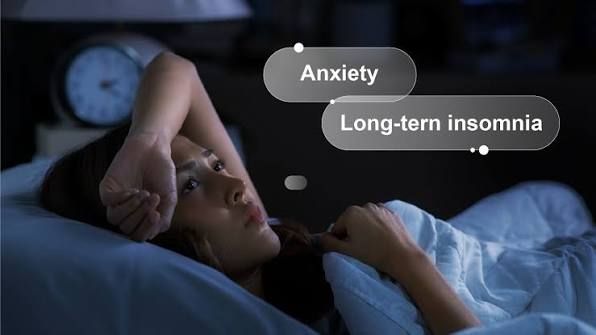
Many of us have experienced this frustrating cycle: you enjoy a drink or two in the evening, feel incredibly relaxed, and drift off easily—only to find yourself wide awake at 3 AM with a racing mind, feeling hot and uncomfortable. Why does alcohol make me sleepy initially, yet lead to such poor sleep later on?
The answer lies in how alcohol is metabolized by your liver and brain. Alcohol acts as a central nervous system depressant. It boosts a chemical messenger in the brain called GABA (gamma-aminobutyric acid), which calms brain activity and explains why does alcohol make you sleepy. Simultaneously, it suppresses glutamate, an excitatory neurotransmitter. This dual action slows down your brain activity, helping you relax and drift off quickly, which is why some people mistakenly believe does alcohol help you sleep.
The real issue begins a few hours later. As your liver breaks down the alcohol, its sedative effects wear off, causing a sharp rebound in the excitatory glutamate system. This sudden spike in brain activity can trigger 3 AM awakenings, leaving you with a racing mind and a feeling of daytime fatigue or brain fog the next morning. If you have ever wondered, “Why does alcohol make me tired even after spending eight hours in bed?” this stimulant rebound is the primary culprit.
The Suppression of REM and Deep Sleep Phases
Understanding how does alcohol affect sleep requires looking at your sleep architecture. Natural sleep consists of repeating 90-minute cycles of light, deep, and REM (Rapid Eye Movement) sleep. REM sleep is critical for emotional processing, memory consolidation, and creative thinking. Deep sleep, on the other hand, is when your body repairs muscles, builds bone, and strengthens the immune system.
When alcohol is present in your blood, it significantly disrupts this delicate cycle. During the first half of the night, your body is busy processing the alcohol, which suppresses REM sleep. While you might get some deep sleep initially, it is often fragmented. As the alcohol wears off, you experience a “REM rebound,” where your brain tries to make up for the lost REM sleep. This stage is characterized by vivid, sometimes unsettling dreams and frequent awakenings. This explains why people who rely on alcohol to fall asleep often experience chronic, non-restorative sleep and wake up feeling mentally exhausted.
Using alcohol as a sleep aid often creates a frustrating cycle. You drink to calm a racing mind, only to wake up at 3 AM with increased anxiety and heart rate. The next day, you struggle with brain fog, leading you to rely on caffeine to get through the day, which in turn makes you more dependent on alcohol to wind down at night. Breaking this cycle starts with gaining an objective, data-driven view of your sleep.
Tracking Recovery and Heart Rate Variability (HRV) Post-Alcohol

What Biometrics Tell Us About Your Recovery
If you want to understand the true connection between alcohol and sleep, tracking key biometrics can be incredibly eye-opening. Your body has an autonomic nervous system, split into the sympathetic (“fight-or-flight”) and parasympathetic (“rest-and-digest”) branches. When you sleep, your parasympathetic nervous system should take over, lowering your heart rate and increasing your Heart Rate Variability (HRV).
HRV measures the variation in time between consecutive heartbeats. A higher HRV indicates that your body is relaxed, resilient, and recovering well. When you consume alcohol, your sympathetic nervous system remains active even while you are asleep. As a result, your resting heart rate stays elevated, and your HRV drops significantly. This lack of variation is a clear sign that your body is working hard to process toxins rather than resting and repairing.
Many people find that even a single drink can cause their HRV to drop by 30% or more overnight. Seeing this relationship between alcohol and sleep in your own data can be a powerful motivator to make healthier lifestyle choices.
Establish Your Personal Recovery Baseline
The easiest way to understand how your body reacts to evening drinks is to track your baseline biometrics over time. By wearing a lightweight, screen-free tracker, you can monitor your unique trends without the distraction of bright notifications.
Embracing Screen-Free Sleep Hygiene
If you are looking to improve your sleep, focus on your bedtime environment. Bringing phones, tablets, or bright smartwatches into the bedroom can disrupt your natural circadian rhythms. The blue light emitted by screens suppresses melatonin production, making it harder to fall asleep naturally.
This is where screen-free tracking devices like the Herz P1 Smart Ring offer a distinct advantage. By moving your sleep metrics to a screen-free ring, you can track your HRV, resting heart rate, and sleep stages without the temptation of checking your phone or looking at a bright screen if you wake up at night. It is a simple, elegant way to monitor your recovery while maintaining a relaxing, screen-free sleep environment.
Monitoring your biometric data can help you find a healthier balance. You will be able to see exactly how much sleep you lose when you have a drink close to bedtime, allowing you to make more informed choices about your evening habits.
Disclaimer: Results may vary depending on individual physical activity levels, unique health conditions, and daily tracking patterns. The content on Mind Body Dan is for informational purposes only and does not substitute for professional medical advice, diagnosis, or treatment.
