

Why Are You Dreaming About Your Ex? The Science of REM Sleep and Emotional Processing
Waking up at 3 AM with a racing mind after dreaming about ex partners can leave you feeling exhausted and emotionally drained. At Mind Body Dan, we explore how tracking your sleep stages, Heart Rate Variability (HRV), and recovery scores with screen-free tools like the Herz P1 Smart Ring can help you demystify these intense dreams and reclaim your peaceful nights.
Take Back Your Sleep.
Take Back Your Life.
- Fall asleep faster & sleep deeper
- Stop waking up in the middle of the night
- Wake up refreshed & full of energy
Quick Guide Highlights:
- Emotional Processing: Dreaming about an ex usually reflects your brain’s attempt to process unresolved feelings, current stress, or transition phases.
- REM Sleep and HRV: Highly vivid dreams occur during Rapid Eye Movement (REM) sleep, often accompanied by drops in Heart Rate Variability (HRV) when you are stressed.
- Biometric Insight: Utilizing screen-free tracking, such as the Herz P1 Smart Ring, can reveal how your sleep stages impact your overall mental and physical recovery.
- Actionable Solutions: Improving sleep hygiene and tracking trends over time can minimize non-restorative sleep and stressful 3 AM awakenings.
What Does It Mean When You Keep Dreaming About Your Ex?

Quick Answer: Dreaming about an ex does not necessarily mean you want them back. The short answer is that your brain uses past memories to process present emotions, stress, or unresolved patterns. However, to choose the right way to manage these dreams, you must understand your underlying sleep quality, stress levels, and nightly biometrics.
Few things disrupt a peaceful night like waking up with a racing mind after you have been dreaming about ex partners. You might find yourself lying awake at 3 AM, staring at the ceiling, wondering: What does it mean when you dream about an ex? Does it mean you are secretly unhappy in your current relationship? Does it mean they are thinking of you? Or is your brain simply playing tricks on you?
From a biometric and psychological perspective, dreaming about your ex is rarely a literal sign that you belong together. Instead, your brain acts like a biological filing cabinet. During the Rapid Eye Movement (REM) phase of sleep—which is the primary stage where vivid dreaming occurs—the brain processes emotional experiences, consolidates memories, and attempts to strip away the emotional sting of past events.
If you are going through a high-stress period, experiencing a life transition, or facing a challenge that mirrors an old relationship dynamic, your brain will often pull up files related to your ex to help you make sense of your current feelings.
— Team Mind Body Dan
When These Dreams Are Helpful vs. Distressing
Understanding when these dreams are a normal part of cognitive processing versus when they point to deep-seated stress is crucial for your well-being:
- Normal Emotional Processing: Occasional dreams about a past partner, especially during stressful times or anniversaries, are normal. They indicate that your mind is actively organizing memories.
- Signs of Non-Restorative Sleep: If you experience recurring dreams of past relationships that cause you to wake up sweating, with a racing pulse or persistent daytime brain fog, it is a sign of sleep fragmentation. Your body is likely trapped in a high-stress loop that prevents you from reaching deeper, restorative sleep.
If you find yourself constantly asking, why did i dream about my ex, it is highly beneficial to look at objective data rather than just guessing. Instead of wearing a bulky, glowing smartwatch that wakes you up with notifications, elegant screen-free tracking methods like the Herz P1 Smart Ring can capture these physical stress responses. By tracking sleep stages (REM, Deep, Light) and Heart Rate Variability (HRV) without adding to your daily screen fatigue, you can see if stress is driving these vivid, exhausting dreams.
Frequently Asked Questions About Dreaming of an Ex
Q: Does dreaming about my ex mean I still love them?
A: Not necessarily. It usually means you are processing a feeling, a memory, or a lesson associated with that period of your life, or resolving unresolved emotional baggage.
Q: Why do I dream about an ex from years ago whom I haven’t thought about?
A: Your brain uses symbolic representations. If that past relationship was characterized by a specific feeling (e.g., insecurity, excitement, or freedom) and you are feeling that way now, your brain might use your ex as a character to represent those emotions.
Q: How can I stop these vivid dreams?
A: Focus on reducing stress before bed, improving your sleep environment, and tracking your REM sleep and HRV to ensure your autonomic nervous system is calm before you fall asleep.
The Science of REM Sleep: Why Do I Keep Dreaming About My Ex?

If you are caught in a cycle wondering, why do i keep dreaming about my ex, the answer lies deep within your neurological sleep cycles. During a typical night, your brain cycles through non-REM sleep (stages 1 through 4) and REM sleep. While deep sleep is primarily responsible for physical repair, REM sleep is where the magic—and the drama—of emotional processing occurs.
During REM sleep, your amygdala (the brain’s emotional center) is highly active, while your prefrontal cortex (the seat of logic and rational thought) is largely offline. This is why dreams feel incredibly real, emotionally intense, and often bizarre. At the same time, your brain reduces the production of norepinephrine—a chemical associated with stress and anxiety.
This unique neurochemical state allows you to re-evaluate stressful memories in a safe, offline environment. When you have dreamt about ex partners, your brain is actively working to separate the memories from the intense emotions that originally accompanied them.
The Physiological Impact of 3 AM Awakenings
When you wake up abruptly from an emotionally charged dream, you may experience a rapid heartbeat, sweating, or an overwhelming sense of dread. This occurs because your sympathetic nervous system (the “fight-or-flight” response) has been triggered.
Instead of smoothly transitioning from REM sleep back into a light sleep state, a spike in cortisol (the stress hormone) can cause you to wake up suddenly. Waking up in this state often makes it incredibly difficult to quiet your mind and fall back asleep, paving the way for non-restorative sleep and brain fog the next day.
Understanding the Mind-Body Stress Connection
When you are highly stressed during the day, your Heart Rate Variability (HRV) typically drops. A low HRV indicates that your autonomic nervous system is dominated by the sympathetic (stress) branch. During sleep, a low HRV is strongly linked to fragmented REM sleep, resulting in more vivid, chaotic dreams and unexpected awakenings. By tracking these patterns, you can identify whether your dreams are driven by daily physical fatigue or deeper mental stress.
When you keep asking yourself, what does it mean when you dream about an ex, looking at objective physical markers can give you real peace of mind. Instead of letting your mind run wild with psychological worries, checking your overnight recovery metrics can show you if your body was simply experiencing physical stress or poor sleep hygiene.
Practical Solutions: Quiet Your Mind and Monitor Your Sleep Trends
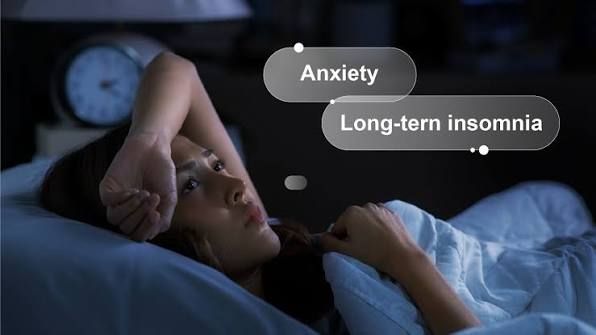
To break free from the loop of exhausting dreams and stressful awakenings, you need to address both your mental state and your sleep physiology. Worshipping complex, overwhelming medical graphs won’t help—but establishing simple, screen-free habits and tracking your trends will.
1. Establish a Screen-Free Wind Down Ritual
Looking at your phone, tablet, or smartwatch before bed exposes your eyes to blue light, which suppresses melatonin production and delays sleep onset. Moreover, reading emails or scrolling through social media keeps your mind highly active. By removing glowing screens from your bedroom, you allow your nervous system to wind down naturally, fostering calmer, more stable REM cycles.
2. Use Cognitive Offloading (Journaling)
If your mind is racing when your head hits the pillow, spend 5 minutes writing down your thoughts, fears, or to-do lists on paper. This simple practice helps signal to your brain that it does not need to spend its valuable REM cycles processing immediate, conscious worries.
3. Track with a Screen-Free Smart Ring
Many individuals who struggle with sleep find traditional smartwatches bulky, uncomfortable, and distracting due to overnight buzzes or screen glows. A lightweight titanium smart ring offers a comfortable, elegant alternative.
The Herz P1 Smart Ring: Your Screen-Free Companion
Designed to be subscription-free and completely screen-free, the Herz P1 Smart Ring tracks your Sleep Stages, HRV, and heart rate with medical-grade biometric sensors. By converting complex algorithms into a single, intuitive Daily Recovery Score, it helps you understand how stress is affecting your nights—without the annoyance of daily charging or subscription fatigue.
Understanding Your Sleep Stage Metrics
When you start monitoring your sleep with a device like the Herz P1, you will get access to three critical categories of data:
- REM Sleep Percentage: Typically, REM sleep should make up 20-25% of your total sleep time. If this percentage is elevated or highly fragmented, it suggests your brain is working overtime to process emotional stress.
- Heart Rate Variability (HRV): A higher overnight HRV indicates a healthy, rested autonomic nervous system. If your HRV drops significantly on nights you have vivid dreams, physical or mental stress is likely driving those dreams.
- Daily Recovery Score: This metric synthesizes your sleep stages, resting heart rate, and activity levels into one clear number, helping you decide whether to push hard during the day or focus on rest and active recovery.
By replacing stressful guesswork with clean, actionable biometric insights, you can stop feeling frustrated by your dreams. Whether you find yourself dreaming about your ex on occasion or experiencing regular 3 AM awakenings, monitoring your recovery levels empowers you to make simple, healthy changes.
Disclaimer: Results may vary depending on individual physical activity levels, unique health conditions, and daily tracking patterns. Wearable biometric devices are intended to monitor and track trends for general wellness purposes and do not replace professional medical advice or diagnostics.
