

Many health-conscious individuals search for a reliable Herz P1 metric guide to help optimize their daily lifestyle, which is why our comprehensive does-vinegar-lower-blood-sugar-guide uncovers the physiological science behind simple dietary habits. Monitoring systemic metabolic fluctuations does not have to be an exhausting guessing game when you understand how acetic acid affects digestion and how to track your body’s stress response.
Built to Last. Save Up to 69% Today.
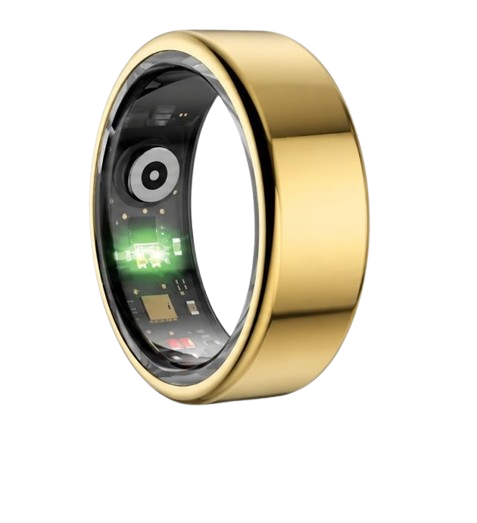
The Herz P1 Smart Ring tracks HRV, Sleep, Heart Rate & SpO2 around the clock. No subscriptions. No renewals. Ever.
In This Article
- The Scientific Evidence Behind Vinegar and Glycemic Spikes
- How Metabolic Shifts Impact Your Heart Rate Variability (HRV)
- Comparing the Efficacy of Popular Home Remedies and Functional Foods
- How to Seamlessly Integrate Smart Wearables into Your Wellness Routine
Does Vinegar Lower Blood Sugar? What the Science Shows

Understanding the connection between dietary habits and glycemic control is essential for long-term health.
The scientific validation of does-vinegar-lower-blood-sugar mechanisms has gained significant attention in modern metabolic research.
We will break down this complex relationship using the comprehensive 5W2H framework to provide actionable insights.
What: The primary compound under discussion is acetic acid, which constitutes the main active component of all vinegar varieties.
This organic acid is created during a natural two-step fermentation process that converts simple sugars into ethanol and then into acetic acid.
In the context of glycemic regulation, acetic acid acts as a natural enzymatic inhibitor in your digestive system.
It temporarily deactivates disaccharidases, which are the enzymes responsible for breaking down complex starches into simple sugars.
Who: Individuals managing prediabetes, type 2 diabetes, or general metabolic fatigue stand to benefit the most from these dietary insights.
Busy office workers who experience severe afternoon slumps can also find relief by adopting this simple dietary practice.
Even healthy fitness enthusiasts utilize these strategies to maintain stable energy levels throughout high-intensity training sessions.
Our team at Herz P1 has observed that stabilizing glucose levels directly correlates with better recovery trends in active individuals.
When: Timing is the absolute most critical factor when using vinegar to manage postprandial glucose levels.
Clinical research indicates that consuming vinegar approximately ten to fifteen minutes before a meal yields the highest efficacy.
Introducing the acid too early or too late in the digestive cycle reduces its ability to slow down starch breakdown.
You should focus this intervention specifically on meals containing complex carbohydrates or high-glycemic starches.
Where: The primary biochemical actions occur inside the small intestine and skeletal muscle tissues.
The small intestine is where starch digestion is temporarily delayed due to the presence of acetic acid.
Simultaneously, skeletal muscles experience an increase in glucose uptake via enhanced transporter activity.
This dual-action process keeps excess sugar from accumulating rapidly within your bloodstream.
Why: Suppressing glucose spikes is vital because large fluctuations can damage blood vessels over time.
Rapid spikes are almost always followed by rapid crashes, which trigger intense feelings of fatigue and hunger.
By smoothing out these waves, you reduce systemic inflammation and decrease overall oxidative stress within your cells.
Maintaining steady glucose levels is one of the most effective ways to preserve long-term metabolic health.
How: Acetic acid works by delaying gastric emptying, which means food leaves your stomach at a slower, more controlled pace.
This gradual release ensures that your bloodstream is not suddenly flooded with an overwhelming amount of glucose.
Furthermore, it enhances the activation of AMP-activated protein kinase, a key regulator of energy metabolism.
This cellular enzyme signals your muscles to burn glucose for energy more efficiently.
How Much: Clinical studies usually employ a dosage of one to two tablespoons of liquid vinegar.
This translates to approximately fifteen to thirty milliliters of diluted vinegar mixed into a large glass of water.
Research has shown that this specific volume can lower post-meal glucose responses by up to thirty percent.
Exceeding this dosage does not provide additional benefits and may cause mild gastrointestinal discomfort.
If you want to track how these dietary changes affect your systemic stress and recovery in real time, the Herz P1 Smart Ring monitors your autonomic nervous system 24/7 — explore it here.

90-Day 100% Money-Back Guarantee
“The Herz Smart Ring helps me manage stress easily. It’s accurate, stylish, and lightweight—perfect for my busy life!”
— Jennifer P. | ✔ Verified Customer
- ✓ 6-Day Battery Life
- ✓ Detailed Sleep Analysis
- ✓ Fast 1-Hour Charging
- ✓ iOS & Android Ready
Questions? Call: 1-866-479-1629
How Metabolic Fluctuations Impact Your Heart Rate Variability (HRV)

The human body is an interconnected web of systems where metabolic health directly influences cardiac function.
Many people do not realize that blood sugar spikes act as an immediate physiological stressor.
When you consume a high-glycemic meal, the rapid influx of sugar forces your pancreas to release large amounts of insulin.
If this insulin surge causes your blood sugar to crash too quickly, a state of reactive hypoglycemia occurs.
This sudden drop is recognized by your brain as an emergency situation.
In response, your adrenal glands flood your system with cortisol and adrenaline.
These stress hormones instantly activate your sympathetic nervous system, also known as the fight-or-flight response.
As your heart rate accelerates, the interval between consecutive heartbeats becomes highly uniform.
This uniformity causes a sharp decrease in your Heart Rate Variability (HRV) score.
A low HRV indicates that your body is locked in a state of stress and lacks adaptive resilience.
Understanding what is metabolic health requires monitoring these subtle autonomic shifts.
By tracking your HRV patterns, you can gain a clear window into your body’s stress tolerance.
Improving your daily metabolic fitness directly supports autonomic balance.
The American Heart Association has documented how sustained sympathetic dominance can lead to long-term cardiovascular strain.
When you manage your glucose spikes, you prevent these unnecessary adrenaline surges.
This allows your parasympathetic nervous system, or the rest-and-digest state, to remain active.
With the Herz P1 Smart Ring, you can view your real-time HRV Stress Index updated every five minutes.
Seeing your stress levels stay low after a meal is a powerful indicator that your metabolism is functioning smoothly.
Comparing the Glycemic Impact of Natural Home Remedies

As public interest in natural wellness grows, many people look for alternative home remedies.
It is important to compare these remedies scientifically to see which ones are truly effective.
A major point of comparison is the relationship between apple cider vinegar blood sugar management and other dietary supplements.
For example, you might wonder: do beets lower blood sugar levels as effectively as vinegar?
Beets are rich in inorganic nitrates, which the body converts into nitric oxide.
Nitric oxide dilates blood vessels, improving oxygen delivery and blood flow throughout your muscles.
While beets are phenomenal for cardiovascular circulation and physical stamina, they do not possess starch-blocking properties.
In fact, beets contain natural sugars that can cause mild glycemic rises in sensitive individuals.
Therefore, beets serve as a wonderful circulatory support tool but are not a primary tool for flattening glucose curves.
Similarly, many people ask: does lemon water lower blood sugar to a significant degree?
Lemon water is highly regarded for its hydrating properties and high vitamin C content.
The citric acid in lemon juice does support basic digestive enzyme production in the stomach.
However, citric acid does not slow down gastric emptying or inhibit starch-digesting enzymes as powerfully as acetic acid.
While lemon water is an excellent habit for daily hydration, it cannot match the glycemic-lowering power of vinegar.
The table below provides a side-by-side scientific comparison of these three popular functional foods.
| Intervention Type | Primary Active Compound | Primary Physiological Mechanism | Glycemic-Lowering Efficacy |
|---|---|---|---|
| Vinegar (Apple Cider / White) | Acetic Acid | Inhibits alpha-glucosidase & delays gastric emptying | High (Up to 30% reduction) |
| Lemon Water | Citric Acid | Supports stomach acid & improves digestion speed | Moderate (No direct enzyme inhibition) |
| Beets / Beet Juice | Inorganic Nitrates | Enhances nitric oxide production & vasodilation | Low (Contains natural sugars) |
Practical Application Guide: Designing Your Daily Metabolic Protocol
Integrating these scientific principles into your busy life does not have to be complicated.
The most successful wellness routines are built on simple, repeatable habits.
To begin, purchase organic, raw, and unfiltered apple cider vinegar that contains the mother.
The mother consists of beneficial strands of proteins, enzymes, and friendly bacteria.
Every morning, prepare a glass of lukewarm water containing eight to ten ounces.
Add exactly one tablespoon of your apple cider vinegar to the glass.
Stir the mixture thoroughly to ensure the acid is evenly distributed throughout the liquid.
Always use a straw to drink the mixture to prevent any direct contact with your teeth.
This simple precaution completely eliminates the risk of acid-induced tooth enamel erosion.
Drink this mixture approximately ten minutes before you consume your largest meal of the day.
Immediately after finishing your meal, engage in a light ten-minute walk.
According to the American Heart Association, gentle movement after eating helps clear glucose from your blood.
Your muscles will naturally absorb the sugar to use for immediate physical energy.
This dual routine of pre-meal vinegar and post-meal movement is incredibly effective.
To track how these habits improve your physical recovery, pay close attention to your sleep data.
The Herz P1 Smart Ring tracks your sleep stages, including deep sleep and REM sleep, with clinical-grade accuracy.
You will likely notice that your deep sleep duration increases as your blood sugar becomes more stable.
This happens because your body is no longer experiencing stressful blood sugar crashes during the night.
Overcoming Risks and Avoiding Common Wearable Tracking Mistakes
As you embark on your metabolic health journey, it is important to avoid common pitfalls.
One frequent mistake is wearing a bulky, uncomfortable smartwatch to track your sleep.
Heavy watches can easily disrupt your sleep cycle and feel highly restrictive during the night.
The Herz P1 Smart Ring offers a lightweight, sleek alternative designed for maximum overnight comfort.
Crafted from military-grade steel, it is incredibly durable yet barely noticeable on your finger.
Another major frustration with modern health trackers is the hidden cost of monthly app subscriptions.
Many brands require you to pay a recurring fee just to access your own biometric history.
The Herz P1 eliminates this problem entirely by providing a completely free companion app for life.
There are absolutely no monthly fees, hidden renewals, or paywalled features.
From a physical health perspective, a common mistake is drinking vinegar undiluted.
Consuming straight vinegar can cause severe irritation to your throat and esophagus over time.
Always dilute the acid in water, and rinse your mouth with plain water after drinking.
Additionally, avoid using vinegar as a justification for eating highly processed, unhealthy meals.
Vinegar is a supportive tool designed to optimize a balanced diet, not a miracle cure for poor eating habits.
By combining smart dietary choices with continuous biometric tracking, you can take complete control of your wellness.
Frequently Asked Questions
Is the Herz P1 Smart Ring waterproof?
Yes, the Herz P1 is fully certified with an IP68 waterproof rating.
This advanced rating ensures that the ring is completely protected against continuous water submersion up to 164 feet.
You can confidently wear it while swimming laps, taking hot showers, washing dishes, or relaxing in a sauna.
The hermetically sealed military-grade steel body protects the sensitive optical sensors from any moisture damage.
How long does the battery last and how fast does it charge?
The Herz P1 features an impressive six-day battery life on a single charge under continuous 24/7 monitoring.
It utilizes low-energy Bluetooth technology to ensure your data syncs smoothly without draining the battery.
When the battery does run low, you can charge it fully in under one hour using the included magnetic charging dock.
This ultra-fast charging time makes it incredibly easy to maintain continuous tracking with minimal interruption.
Which finger is best to wear the smart ring on?
For the most accurate biometric readings, we recommend wearing the Herz P1 on your index finger.
The index finger has a high concentration of blood vessels, which allows the optical sensors to capture clear data.
However, wearing the ring on your middle finger or ring finger of your non-dominant hand also provides excellent results.
The most important factor is that the ring fits snugly without feeling too tight or restricting your circulation.
Does the smart ring store my data when my phone is away?
Yes, the Herz P1 is designed with convenient offline storage that holds up to seven days of local data.
You can leave your phone at home while you exercise, sleep, or go about your workday.
Once your ring is back in Bluetooth range of your smartphone, it will automatically sync all recorded biometrics.
Your historical trends, stress index, and sleep scores will update instantly in the free companion app.
What metrics does the Herz P1 track continuously?
The Herz P1 provides continuous tracking of your heart rate, Heart Rate Variability (HRV), and blood oxygen saturation (SpO2).
It also tracks your active steps, daily calorie burn, skin temperature trends, and comprehensive sleep stages.
The app integrates these metrics to deliver a personalized daily Readiness Score and Stress Index.
This gives you a complete, real-time overview of your body’s physical recovery and overall stress levels.

Conclusion
Taking proactive control of your metabolic health is a powerful step toward lifelong vitality.
The Herz P1 Smart Ring stands ready to serve as your ultimate subscription-free biometric health companion.
Ready to monitor your health every day? Explore the Herz P1 Smart Ring and see if it fits your lifestyle.
Call: 1-866-479-1629 — our team can help you advise on the correct ring size and set personalized health goals.
