

Identifying early protein deficiency symptoms is critical for muscle recovery and overall energy, yet many active adults struggle to recognize when their amino acid pools are depleted. According to nutritional health statistics, inadequate protein intake affects up to 40% of aging adults, leading to muscle loss and delayed recovery. By tracking key biometric trends with the Herz P1 smart ring, you can actively monitor how dietary protein lack impacts your overnight recovery and autonomic nervous system.
Built to Last. Save Up to 69% Today.
The Herz P1 Smart Ring tracks HRV, Sleep, Heart Rate & SpO2 around the clock. No subscriptions. No renewals. Ever.
In This Article
- Modern Biomarker Science: Explore the mechanisms of protein deficiency and how it manifests physically.
- Muscle Recovery and Sleep: How overnight rest cycles and growth hormone levels depend directly on your nutritional intake.
- Autonomic Recovery Tracking: Use Heart Rate Variability (HRV) and Resting Heart Rate to monitor structural fatigue.
- Practical Metric Optimization: A direct guide on utilizing smart rings to gauge physical readiness without subscription stress.
Are You Experiencing Protein Deficiency Symptoms? What Modern Biomarker Science Tells Us

Protein deficiency occurs when your body does not receive enough essential amino acids to maintain vital cellular functions.
This systemic deficit affects everyone from high-performance athletes to busy, sleep-deprived office workers who skip meals.
When you do not consume enough protein, your body must prioritize survival functions over less critical maintenance tasks like muscle repair.
The signs of protein deficiency are not always immediately obvious, often beginning as subtle daily fatigue or slow physical recovery.
Why does this happen on a molecular level?
Your organs and metabolic systems require a constant pool of circulating amino acids to function optimally.
If dietary intake is low, the body begins breaking down its own skeletal muscle tissue to harvest these essential building blocks.
How much protein does an active individual actually need to prevent this state of muscle catabolism?
While the standard Recommended Dietary Allowance sits at a modest 0.8 grams per kilogram of body weight, modern sports science suggests that active recovery demands 1.6 to 2.2 grams per kilogram.
Without this critical threshold, you may experience low on protein symptoms like persistent muscle soreness, hair thinning, and brittle nails.
These physical markers occur because the body redirects scarce amino acids away from keratin production and toward vital internal organs.
In terms of timing, these symptoms typically worsen during periods of high physical training or prolonged emotional stress.
By tracking your body’s subtle physiological warning signals, you can detect the systemic stress caused by dietary deficits before they lead to severe muscle loss.
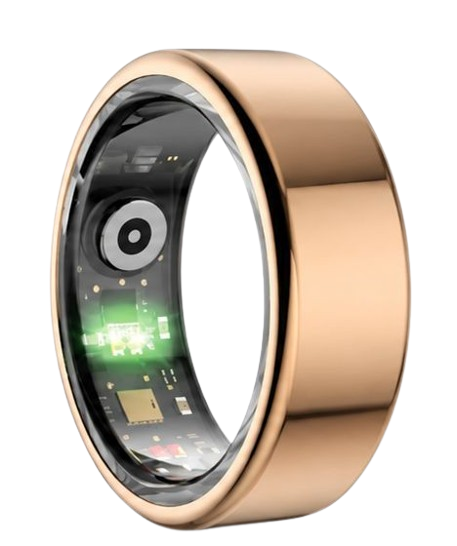
If you want to track this in real time, the Herz P1 Smart Ring monitors your physical readiness and daily biometric signals 24/7 — explore it here.
90-Day 100% Money-Back Guarantee
“The Herz Smart Ring helps me manage stress easily. It’s accurate, stylish, and lightweight—perfect for my busy life!”
— Jennifer P. | ✔ Verified Customer
- ✓ 6-Day Battery Life
- ✓ Detailed Sleep Analysis
- ✓ Fast 1-Hour Charging
- ✓ iOS & Android Ready
Questions? Call: 1-866-479-1629
How Muscle Recovery and Sleep Quality Link to Dietary Protein Lack

Deep sleep is the primary physiological window during which human growth hormone is released to repair damaged muscle fibers.
According to the National Sleep Foundation, standard adult sleep architecture requires deep, slow-wave sleep to facilitate tissue regeneration.
However, what happens when your body is low in protein during this overnight recovery phase?
Without an adequate supply of amino acids, the rate of muscle protein synthesis drops significantly below the rate of muscle protein breakdown.
This chronic imbalance leads directly to muscle wasting and prolonged physical exhaustion.
To mitigate this recovery deficit, optimizing your evening nutrition with slow-digesting protein sources is highly recommended.
For example, if you are concerned about metabolic stability, you might wonder does chicken breast raise your blood sugar before bed.
Medical studies show that lean proteins like chicken breast provide a steady stream of amino acids without causing sharp spikes in blood glucose.
Similarly, consuming options like hard boiled eggs and diabetes management foods can offer a highly bioavailable source of recovery nutrients.
When you feed your body high-quality proteins, your overnight sleep quality and muscle healing potential improve dramatically.
The Herz P1 Smart Ring helps you analyze this relationship by monitoring your exact sleep stages with an advanced multi-wavelength optical sensor.
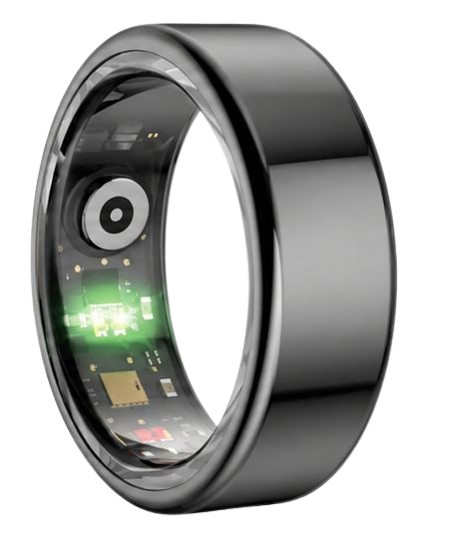
Because the Herz P1 is constructed from military-grade steel and features an ultra-slim profile, you can wear it comfortably all night without the irritation of a bulky smartwatch.
The device tracks your deep and REM sleep cycles without requiring a monthly subscription, delivering raw recovery data directly to your free companion app.
Decoding Your Body’s Recovery Signals: HRV and Resting Heart Rate
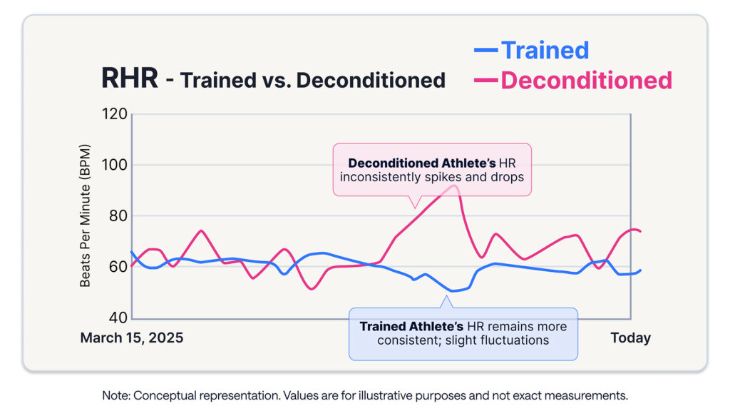
Your autonomic nervous system is highly sensitive to the physiological stress of a dietary protein lack.
When your body lacks the nutrients required for cellular repair, your sympathetic nervous system remains chronically active.
This heightened state of physical tension can be observed through two primary biomarkers: heart rate variability and resting heart rate.
According to research guidelines from the American Heart Association, a lower resting heart rate typically indicates superior cardiovascular efficiency and physical recovery.
Conversely, a sudden drop in heart rate variability indicates that your nervous system is struggling to cope with physical demands.
Learning how to improve hrv involves a careful balance of progressive exercise, structured sleep, and targeted amino acid intake.
To track your daily recovery capacity, the Herz P1 calculates a comprehensive readiness score every morning.
This metric synthesizes your overnight heart rate, skin temperature variations, and movement data to tell you how hard you can train.
If your readiness score is low, it may be a sign that your muscles are crying out for nutrient-dense recovery meals.
Consuming high-quality fats and proteins, such as those found in fish with a low salmon glycemic index, can accelerate recovery without disrupting insulin levels.
By utilizing the Herz P1 Smart Ring to track these responses, you can see exactly how dietary changes affect your heart’s recovery pattern.
Because our tracking ring operates with an advanced 9-axis PPG optical sensor, it reads blood volume changes at the finger base with clinical-grade precision.
Practical Application Guide: Optimizing Daily Recovery Metrics
Managing your physical recovery with the Herz P1 companion app is both straightforward and highly intuitive.
When you open the app, you will immediately see your daily physical readiness score and sleep architecture breakdown.
If you notice that your deep sleep duration is falling below 15% of your total sleep, consider consuming a light protein snack before bed.
You can then check your morning metrics to see if your deep sleep duration and HRV scores improve after increasing your amino acid intake.
Our military-grade steel ring is designed for 24/7 all-day wear, meaning it stays comfortable whether you are lifting weights or sleeping.
The lightweight 3.5-gram design ensures you completely forget you are wearing a piece of advanced biometric technology.
Furthermore, the IP68 waterproof rating means you never have to remove the ring when washing your hands, showering, or swimming.
This continuous wear allows the optical sensors to build a highly accurate, uninterrupted baseline of your cardiovascular health.
Overcoming Smartwatch Fatigue and Hidden Wearable Cost Barriers
Many wellness seekers make the mistake of wearing a heavy, bulky smartwatch to bed in an attempt to track their sleep stages.
These large wrist devices frequently disrupt natural sleep movements, causing micro-arousals that negatively impact your recovery metrics.
Additionally, wrist-based sensors often slip during sleep, leading to significant gaps and inaccuracies in your heart rate and SpO2 data.
Another major pitfall in the wearable market is the hidden financial burden of ongoing monthly app subscriptions.
Several premium smart ring brands lock your personal health data behind a monthly paywall, charging substantial fees just to view your metrics.
We believe that you should never have to pay a subscription to access your own physiological information.
The Herz P1 App is completely free for a lifetime, ensuring you enjoy full access to all advanced analysis features with zero ongoing costs.
Frequently Asked Questions About Wearable Health Tracking
Is the Herz P1 smart ring waterproof?
Yes, the Herz P1 features a certified IP68 waterproof rating, allowing it to withstand water depths up to 164 feet.
You can wear it safely while swimming in a pool, showering, bathing, or washing dishes without any risk of damaging the internal sensors.
How long does the battery last?
The advanced lithium-polymer battery lasts up to 6 days on a single charge under standard 24/7 tracking conditions.
The ring charges incredibly fast, reaching a full 100% capacity in under 1 hour using the included magnetic charging dock.
Which finger is the best to wear the smart ring on?
For the highest biometric accuracy, we recommend wearing the Herz P1 on your index, middle, or ring finger.
These fingers provide the most robust blood flow near the skin surface, allowing our optical PPG sensors to capture clean data.
Does the Herz P1 store my data offline?
Yes, the ring features local onboard storage capable of saving up to 7 days of continuous biometric data offline.
When you reconnect the ring to your phone, all stored historical metrics will sync automatically with your free companion app.
| Feature | Herz P1 Smart Ring | Standard Smartwatches |
|---|---|---|
| Subscription Fee | $0 (Free App for Lifetime) | Often requires monthly premium tier |
| Battery Life | 6 Days (Fully charged in <1 hour) | 1-2 Days (Requires daily charging) |
| Waterproof Rating | IP68 (Up to 164 feet) | Varies, often splash-resistant only |
| Form Factor | Lightweight Military-Grade Steel (3.5g) | Bulky plastic/metal wrist chassis |
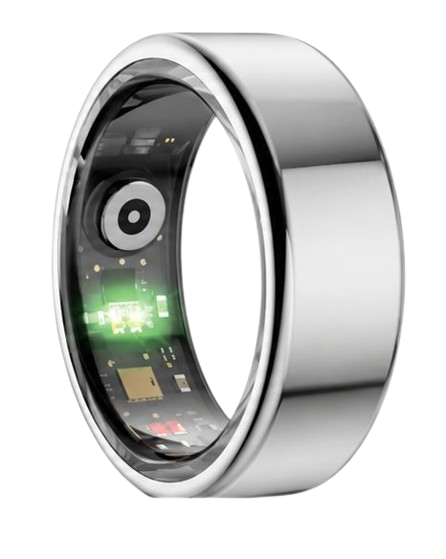
Monitoring protein deficiency symptoms is the first step toward reclaiming your muscle vitality. The subscription-free Herz P1 Smart Ring makes tracking recovery effortless. Ready to monitor your health every day? Explore the Herz P1 Smart Ring and see if it fits your lifestyle. Call: **1-866-479-1629** — our team can help advise on the correct ring size and set personalized health goals.
