

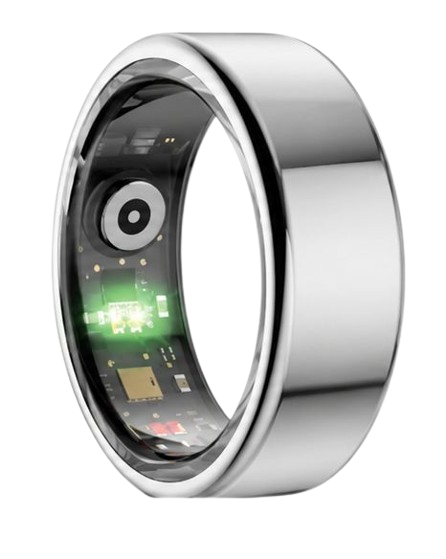
Understanding the exact impact of the granola glycemic index on your body is essential for maintaining sustained daily energy and avoiding mid-day crashes. Many people eat this popular breakfast thinking it is healthy, only to suffer from hidden sluggishness and restless sleep. Tracking how your lifestyle choices affect your body is simple with the Herz P1 Smart Ring, which monitors your autonomic responses, sleep stages, and recovery trends 24/7 without a monthly subscription.
Built to Last. Save Up to 69% Today.
The Herz P1 Smart Ring tracks HRV, Sleep, Heart Rate & SpO2 around the clock. No subscriptions. No renewals. Ever.
In This Article
- Does Granola Spike Your Blood Sugar? Discover the science behind glycemic metrics and how ingredients alter glycemic loads.
- How Syrups and Dried Fruits Alter Glycemic Index: Learn how simple additions transform wholesome grains into glycemic traps.
- The Autonomic Link: Explore how sharp glucose fluctuations stress your nervous system and decrease Heart Rate Variability.
- Optimizing Your Breakfast: Master the practical methods to control your body’s glucose response using science-backed dietary pairings.
- Mitigating Common Tracking Pitfalls: Find out how a subscription-free health tracker can help you monitor long-term trends.
Does Granola Spike Your Blood Sugar? The Science Behind the Granola Glycemic Index

The term glycemic index refers to how rapidly a carbohydrate-containing food elevates blood glucose compared to pure glucose.
Foods with a high glycemic index cause quick surges in blood sugar, while low-glycemic foods release glucose gradually.
The granola glycemic index typically falls within the moderate to high range, measuring between 55 and over 70.
For anyone seeking to optimize their daily vitality, this variable range is extremely important.
Busy professionals, active athletes, and those managing metabolic disorders all need to pay close attention to this morning metric.
When you consume high-GI foods first thing in the morning, your body enters a cycle of dramatic energy peaks and crashes.
These rapid glucose fluctuations happen because the processed carbohydrates in commercial granolas break down quickly during digestion.
The small intestine absorbs these simple sugars rapidly, pushing them straight into your bloodstream.
In response to this sudden influx, the pancreas must release a large bolus of insulin to clear the glucose from the blood.
This sudden surge in insulin causes glucose levels to drop rapidly, leaving you feeling exhausted and hungry within hours.
This physiological roller coaster directly impacts what is metabolic health by placing chronic stress on your insulin-producing cells.
Fasting blood glucose should ideally remain under 100 mg/dL, yet a sweet morning bowl can easily push post-meal glucose above 140 mg/dL.
Over time, these frequent daily spikes can impair cellular insulin sensitivity.
This process is a primary driver behind insulin resistance, systemic inflammation, and long-term metabolic dysfunction.
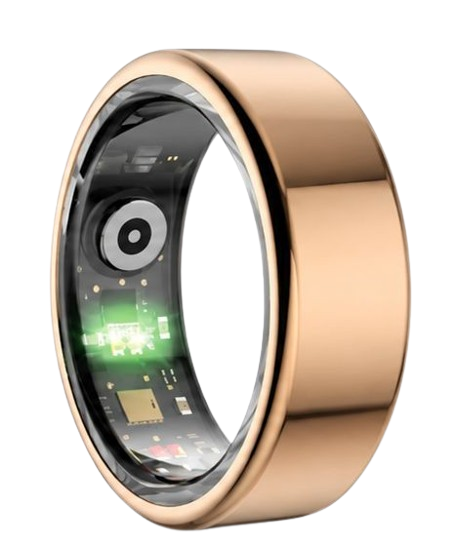
If you want to track how these breakfast-induced glucose surges impact your overall physical state in real time, the Herz P1 Smart Ring monitors your heart rate and sleep patterns 24/7 — explore it here.
90-Day 100% Money-Back Guarantee
“The Herz Smart Ring helps me manage stress easily. It’s accurate, stylish, and lightweight—perfect for my busy life!”
— Jennifer P. | ✔ Verified Customer
- ✓ 6-Day Battery Life
- ✓ Detailed Sleep Analysis
- ✓ Fast 1-Hour Charging
- ✓ iOS & Android Ready
Questions? Call: 1-866-479-1629
How Dried Fruits and Syrups Alter the GI of Granola

Many people ask, does granola raise blood sugar, and the simple answer is yes, primarily due to hidden sweeteners.
While whole oats serve as the structural base of granola, commercial manufacturers often coat them in syrups to create crispy clusters.
Maple syrup, honey, brown rice syrup, and cane sugar are frequently added during the baking process.
These refined liquid sweeteners bypass your body’s standard digestive barriers and enter the bloodstream almost immediately.
Dried fruits like raisins, cranberries, and dates are also common ingredients that dramatically raise the overall sugar concentration.
Dehydrated fruits contain highly concentrated amounts of fructose, which elevates the glycemic load far beyond that of fresh fruit.
As a result, the overall gi of granola is significantly higher than that of raw oats.
In comparison, a traditional muesli glycemic index is usually lower because muesli relies on raw, unbaked grains without added liquid sugars.
This raises another common question: is granola safe for diabetics?
For individuals managing diabetes, standard store-bought granola poses a major glucose management challenge.
The combination of simple sugars and pre-gelatinized starches can easily trigger severe glycemic spikes.
When exploring the relationship between granola and diabetes, portion control and ingredient transparency are absolutely vital.
The American Heart Association recommends limiting added sugar intake to under 25 grams per day for women and 36 grams for men.
Yet, a single half-cup serving of commercial granola can easily contain over 15 to 20 grams of added sugar.
This means one normal breakfast bowl can exhaust your daily recommended sugar limit before your workday even begins.
To make informed decisions, you must look beyond the “organic” and “natural” claims on product labels.
Always check the ingredient list for hidden sugars like barley malt, maltodextrin, dextrose, or evaporated cane juice.
The closer these liquid sweeteners are to the top of the ingredient list, the higher the glycemic impact of that specific blend.
The Autonomic Link: How Glucose Spikes Impact Heart Rate Variability (HRV)
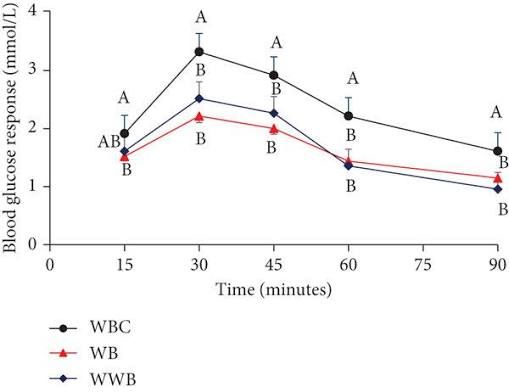
Your endocrine system does not operate in isolation; it communicates constantly with your autonomic nervous system.
When you experience a sudden glycemic spike, your body perceives this rapid chemical shift as an internal stressor.
The sudden surge of insulin, followed by a rapid drop in blood sugar, triggers a mild flight-or-fight response.
Your adrenal glands release small amounts of cortisol and adrenaline to help stabilize your fluctuating blood sugar levels.
This hormonal release shifts your autonomic nervous system toward sympathetic dominance.
One of the clearest physiological indicators of this sympathetic shift is a sudden drop in your Heart Rate Variability (HRV).
HRV measures the millisecond variations between consecutive heartbeats, serving as a primary indicator of nervous system resilience.
A high HRV indicates that your body is relaxed, adaptable, and recovering well from daily stressors.
Conversely, a low HRV indicates that your autonomic nervous system is under stress or struggling to recover.
When blood sugar levels crash, the heart rate often rises slightly and HRV drops, showing that the body is working harder to maintain balance.
Consistently tracking these physiological shifts is a key part of building sustainable metabolic fitness.
This autonomic stress is especially problematic when high-glycemic foods are eaten late in the evening.
Eating sugary granola before bed can trigger overnight-glucose-spikes that disrupt your natural sleep cycles.
As your body struggles to manage these nighttime glucose swings, your sleep quality declines.
This physiological stress can prevent you from getting enough deep, restorative sleep and REM sleep.
You may wake up feeling tired, even if you spent a full eight hours in bed.
Rather than relying on invasive continuous glucose monitors, many health-conscious people are using glucose smart rings and biometric devices to track these patterns.
While the Herz P1 Smart Ring does not measure blood sugar directly, it tracks sleep architecture, heart rate, and HRV trends around the clock.
This continuous tracking lets you see exactly how your body responds to different evening snacks and daily stress levels.
By reviewing your Herz P1 sleep and recovery metrics in the morning, you can identify which foods support or disrupt your rest.
Optimizing Your Breakfast: How to Control Glycemic Responses
You do not have to eliminate granola from your diet entirely to protect your metabolic health.
Instead, you can use simple, science-backed dietary strategies to minimize the glycemic impact of your breakfast.
The most effective approach is to pair your granola with healthy fats, dietary fiber, and quality protein.
Fats and proteins slow down your digestive process and delay gastric emptying.
This delay ensures that glucose is absorbed gradually into your bloodstream, preventing sharp spikes.
Try serving your granola over plain, unsweetened Greek yogurt instead of standard milk or sweetened plant milks.
Greek yogurt is rich in protein, which helps stabilize your post-meal blood sugar levels.
Additionally, adding raw nuts like almonds, walnuts, or pecans introduces healthy monounsaturated fats.
Nuts also add extra fiber, which further slows down carbohydrate digestion.
Adding seeds like chia, flax, or pumpkin seeds is another excellent way to boost the nutrient density of your breakfast bowl.
You can also make your own low-glycemic granola at home to have complete control over the ingredients.
Substitute refined syrups with small amounts of non-glycemic sweeteners like monk fruit or allulose if you prefer a sweeter taste.
Use raw coconut oil or extra-virgin olive oil as your binding agent to add healthy, metabolism-supporting fats.
Include plenty of pumpkin seeds, sunflower seeds, and unsweetened coconut flakes to create a satisfying crunch without the sugar.
Baking your granola at a lower temperature helps preserve the natural healthy fats in the nuts and seeds.
This easy swap transforms a high-glycemic breakfast into a nutrient-dense meal that supports long-term metabolic health.
By making these simple adjustments, you can enjoy a delicious breakfast while maintaining stable energy levels all day.
Your body will show the benefits through steadier daytime energy, a calmer heart rate, and improved overnight recovery scores.
Common Pitfalls in Glucose Management and Wearable Technology
Many people try to monitor their health by wearing bulky smartwatches to bed every night.
However, these large devices can be uncomfortable and often disrupt your natural sleep patterns.
A heavy smartwatch can pinch your wrist or glow brightly in the middle of the night, leading to fragmented sleep.
This sleep disruption can compromise the accuracy of your baseline recovery metrics.
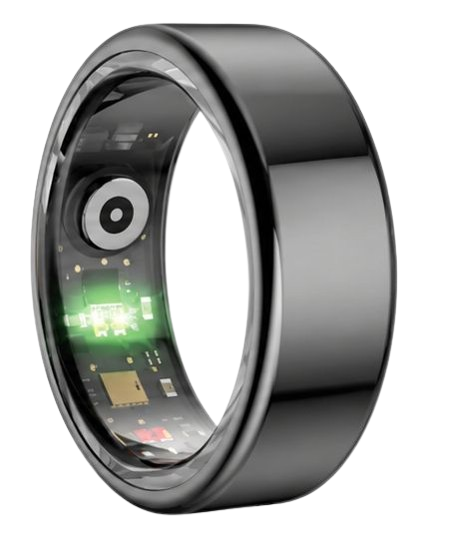
In contrast, the Herz P1 Smart Ring is exceptionally lightweight, weighing only 3.5 grams.
It is crafted from military-grade steel, making it incredibly durable and comfortable for 24/7 wear.
The smooth, hypoallergenic inner band prevents skin irritation, even during intense workouts or warm summer nights.
Another common frustration with modern wearables is the hidden cost of ongoing monthly subscriptions.
Many brands require you to pay a monthly fee just to access your own biometric data.
At Herz P1, we believe that you should own your health data without any ongoing financial barriers.
The Herz P1 App is completely free for life, with no paywalls, renewal fees, or subscription costs.
You receive full access to all detailed sleep stages, daily HRV trends, and stress metrics from day one.
This transparent model ensures you can focus on your long-term health goals without worrying about recurring fees.
We support our product with a comprehensive 2-year warranty and a risk-free 90-day money-back guarantee.
This strong commitment to quality ensures that you can invest in your long-term health with absolute confidence.
Frequently Asked Questions (FAQ)
It is fully protected against dust and continuous water submersion up to a depth of 164 feet.
You can confidently wear it while swimming, showering, washing your hands, or during high-intensity sweaty workouts.
When it is time to recharge, the ring charges from empty to full in less than 1 hour.
This rapid charging system ensures you never have to miss out on valuable biometric data.
The index finger generally has the strongest blood flow, making it ideal for optical sensors.
Choose a finger that provides a snug, comfortable fit without restricting your natural movement.
This means you do not need to keep your phone nearby or connected via Bluetooth at all times.
Once you open the companion app, your stored data will sync automatically to update your wellness dashboard.
Conclusion
Managing your daily metabolic health begins with understanding how foods like granola impact your physiological systems.
By pairing smart dietary habits with accurate tracking, you can maintain consistent energy levels throughout the day.
Ready to monitor your health every day? Explore the Herz P1 Smart Ring and see if it fits your lifestyle. Call: **1-866-479-1629** — our team can help you advise on the correct ring size and set personalized health goals.
