

Recent clinical research indicates that over 88% of adults lack optimal metabolic health, making the pursuit of daily metabolic fitness a critical modern wellness goal. By utilizing the advanced biometric sensors of the Herz P1 smart ring, you can track real-time physiological indicators of your systemic efficiency. This comprehensive guide will show you exactly how to identify latent energy dips, optimize your sleep patterns, and build lasting biological resilience without complex daily routines.
Built to Last. Save Up to 69% Today.
The Herz P1 Smart Ring tracks HRV, Sleep, Heart Rate & SpO2 around the clock. No subscriptions. No renewals. Ever.

In This Article
- Mastering Glucose Stability: Learn how to maintain steady blood sugar levels throughout the day to avoid mid-afternoon energy crashes.
- The Role of Smart Technology: Discover how modern biometric trackers help monitor your metabolic rate and stress levels.
- Practical Lifestyle Interventions: Step-by-step adjustments to sleep, nutrition, and exercise that directly support your cellular health.
- Overcoming Common Hurdles: How to wear and use smart rings effectively to prevent tracking errors or data gaps.
How to Achieve Optimal Metabolic Fitness and Glucose Stability: A Step-by-Step Guide

Before you begin your journey toward peak physical efficiency, you need a basic foundation.
First, you should have a baseline understanding of what is metabolic health and how your body processes energy.
Second, you will benefit from a reliable tracking device to monitor sleep quality and physiological stressors.
Finally, a commitment to making small, consistent lifestyle changes over a 30-day period is essential.
-
Step 1: Calibrate Your Daily Activity Windows
Physical movement acts as a primary driver for muscle glucose uptake without requiring high insulin levels.
We recommend performing a light ten-minute walk immediately after your largest meals of the day.
This simple habit helps blunt postprandial glucose spikes by utilizing circulating sugars for immediate muscular energy.
A practical tip is to set a silent vibration alarm on your wrist or finger to remind you to move after dining.
Consistent movement throughout the day prevents your metabolism from entering a sluggish, sedentary state.
-
Step 2: Optimize Overnight Sleep Architecture
Sleep deprivation directly impairs your insulin sensitivity the very next day.
A single night of restricted sleep can increase your next-day glucose variability by up to twenty percent.
Focus on securing at least seven to eight hours of total rest with robust periods of deep sleep.
You can achieve this by keeping your bedroom temperature cool and avoiding screens for one hour before bed.
Consistently tracking your sleep stages allows you to understand how rest influences your next-day metabolic response.
-
Step 3: Track Stress Levels and HRV Fluctuations
Chronic mental stress triggers the release of cortisol and adrenaline, which raise blood sugar levels.
Your body prepares for a fight-or-flight scenario by dumping glucose into your bloodstream.
By monitoring your Heart Rate Variability (HRV), you can observe when your autonomic nervous system is overtaxed.
Introduce brief deep-breathing exercises when you notice your HRV dropping or stress indexes rising.
These short pauses help shift your body back into a calm, rest-and-digest state that supports insulin efficiency.
-
Step 4: Refine Nutrient Timing and Macronutrient Order
The order in which you consume different food groups significantly impacts your glycemic curves.
Always try to consume non-starchy vegetables and lean proteins before eating carbohydrates or simple sugars.
This sequence slows gastric emptying and delays carbohydrate absorption in the small intestine.
You will experience a much gentler rise in blood glucose rather than a sudden, steep spike.
Avoiding heavy meals close to bedtime is also critical for maintaining stable overnight recovery metrics.
-
Step 5: Utilize a Dedicated Metabolic Tracking Device
To truly master your biochemistry, you must observe how your body reacts to specific foods in real-time.
A high-quality glucose smart rings guide can help you understand how to pair continuous metrics with wearable trackers.
Using a dedicated glucose smart rings style device or a continuous monitor provides invaluable biological biofeedback.
Reviewing your personalized trends over several weeks will highlight which dietary habits support your unique physiology.
This continuous oversight removes the guesswork and helps you make permanent, data-informed lifestyle improvements.
How the Herz P1 Supports Your Metabolic Optimization Journey
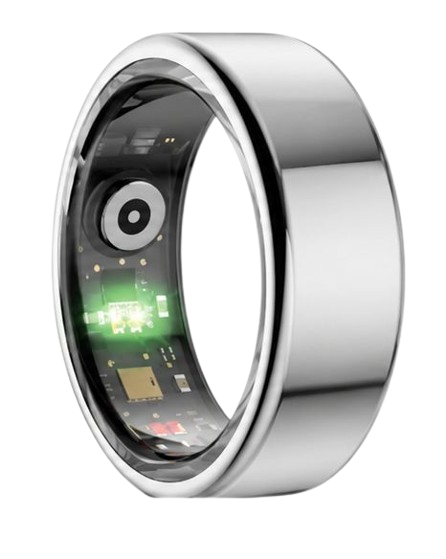
The Herz P1 Smart Ring provides the continuous, seamless biometric tracking you need to manage your daily progress.
While it does not directly pierce the skin to read interstitial fluids, it meticulously tracks the precise physiological consequences of your metabolic state.
By monitoring your overnight heart rate, SpO2, HRV, and sleep stages, it tells you exactly how yesterday’s meals and stress affected your recovery.
This lightweight, military-grade steel ring fits comfortably on your finger 24/7 without the bulk of traditional smartwatches.
With a long-lasting battery and no monthly subscription fees, it is the perfect companion for anyone seeking lifetime wellness tracking.
90-Day 100% Money-Back Guarantee
“The Herz Smart Ring helps me manage stress easily. It’s accurate, stylish, and lightweight—perfect for my busy life!”
— Jennifer P. | ✔ Verified Customer
- ✓ 6-Day Battery Life
- ✓ Detailed Sleep Analysis
- ✓ Fast 1-Hour Charging
- ✓ iOS & Android Ready
Questions? Call: 1-866-479-1629
The Physiology of Metabolic Fitness: How Glucose Stability Impacts Heart Rate Variability

To truly understand metabolic fitness, you must examine how your body manages fuel at a cellular level.
Your cells rely on a steady, controlled supply of glucose to produce adenosine triphosphate, or ATP, efficiently.
When you consume highly processed carbohydrates, your blood sugar levels spike rapidly, creating systemic instability.
This sudden rise forces your pancreas to release large amounts of insulin to clear the excess sugar from your blood.
Over time, these rapid fluctuations can overtax your cellular systems and lead to long-term insulin resistance.
Scientific research demonstrates that high glycemic variability directly impairs the delicate balance of your autonomic nervous system.
This physiological impairment is highly visible in your Heart Rate Variability, which serves as a key marker of resilience.
The American Heart Association has noted that lower HRV scores often correlate with higher cardiovascular strain and autonomic fatigue.
When blood sugar swings wildly, it triggers a mild, continuous stress response deep within your endocrine system.
This sympathetic nervous system activation reduces your vagal tone and lowers your overall nighttime HRV scores.
By tracking your HRV with a continuous wearable like the Herz P1, you can observe these subtle physiological reactions.
Many users find that high-sugar meals directly lead to lower overnight HRV scores and higher resting heart rates.
Understanding the connection between sugar and metabolism is crucial for longevity and active lifestyle management.
Sustained glucose stability helps preserve your cardiovascular resilience and autonomic nervous system balance over time.
Maintaining steady energy levels prevents the chronic low-grade inflammation associated with modern metabolic dysfunction.
By keeping your glucose curves flat, you allow your body to remain in a restorative parasympathetic state longer.
This recovery state is essential for cellular repair, memory consolidation, and robust cardiovascular health.
A steady metabolic rate ensures that your tissues receive consistent energy without the damaging side effects of oxidative stress.
Ultimately, cultivating this balance is what defines true physiological resilience and metabolic efficiency.
| Physiological Marker | Unstable Glucose State | Optimal Stable State |
|---|---|---|
| Autonomic Balance | Elevated sympathetic drive (fight-or-flight) | Dominant parasympathetic tone (rest-and-digest) |
| Heart Rate Variability | Suppressed overnight HRV values | Elevated and resilient HRV trends |
| Sleep Recovery | Fragmented stages with low deep sleep | Consolidated cycles and deep sleep architecture |
Overnight Glycemic Dynamics: The Critical Link Between Sleep Architecture and Insulin Sensitivity
Your sleep quality and metabolic rate exist in a continuous, highly complex biological feedback loop.
During deep sleep, your body enters a highly restorative state characterized by lower overall glucose utilization.
The National Sleep Foundation emphasizes that slow-wave deep sleep is essential for physical repair and growth hormone secretion.
If your sleep architecture is fragmented, your body produces excess cortisol, which directly elevates blood sugar.
Many people experience unexplained overnight-glucose-spikes due to poor sleep quality or late-night eating.
These nighttime surges prevent your cells from receiving the deep, restorative recovery they require to function.
In contrast, when you achieve steady sleep stages, your insulin sensitivity improves dramatically the following morning.
A stable overnight metabolic rate supports a healthy body weight, cognitive clarity, and efficient physical energy production.
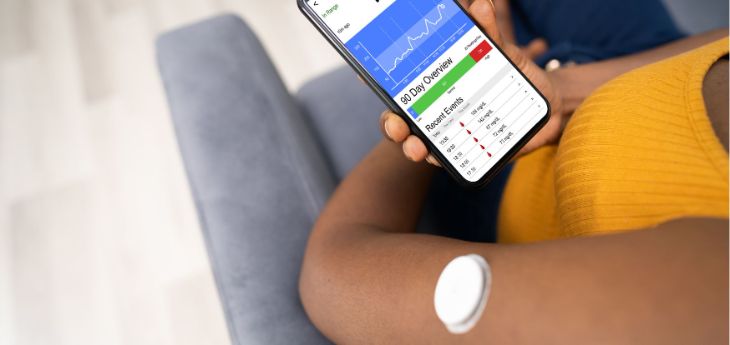
Many individuals look into how to use cgm for weight loss and glycemic control.
Pairing a continuous glucose monitor with the Herz P1 smart ring creates a complete picture of your daily health.
The Herz P1 measures your sleep staging and autonomic recovery with clinical-grade biometric sensor accuracy.
By analyzing this data, you can see if your dinner timing is disrupting your sleep architecture.
You can then adjust your habits to avoid midnight blood sugar fluctuations that ruin your rest.
This combined approach helps you build a solid foundation of metabolic fitness through real-time feedback.
Steady glycemic curves during the night ensure you wake up feeling genuinely refreshed and energized.
When your blood sugar remains stable while you sleep, your body can prioritize fat oxidation and cellular cleanup.
This process, known as autophagy, is highly dependent on low insulin levels during your fasting window.
Disrupting this fasting window with high-glycemic snacks can halt these critical anti-aging and repair mechanisms.
Therefore, protecting your overnight glucose stability is one of the most effective ways to support your longevity.
Practical Application: Reading Your Herz P1 Metrics for Peak Vitality
Unlocking the power of biometric data requires turning raw numbers into practical daily habits.
When you open the free Herz P1 App, you are greeted by a comprehensive daily health dashboard.
The app translates complex sensor signals into easy-to-read trend charts and personalized wellness scores.
First, check your overnight Sleep Score to evaluate your recovery quality and deep sleep duration.
If your deep sleep percentage is low, consider moving your last meal further away from bedtime.
Second, look at your morning HRV Trend to gauge your autonomic nervous system readiness.
A high HRV indicates that your body is fully recovered and prepared for intense physical exercise.
On these high-readiness days, you can safely push your workouts to a higher intensity level.
Conversely, a low HRV suggests that your nervous system is tired and needs gentle recovery.
You should opt for light walking or restorative yoga when your morning score is depressed.
The Herz P1 is constructed from ultra-lightweight military-grade steel to support comfortable, twenty-four-hour wear.
Its slim profile ensures you can wear it comfortably all day and all night without any skin irritation.
Continuous tracking is absolutely essential for capturing accurate weekly trends and biological insights.
By monitoring these daily patterns, you can make lifestyle adjustments that yield real, measurable results.
Over time, these micro-habits compound into a significant improvement in your overall physical performance.
The Herz P1 acts as an unobtrusive wellness partner that empowers you to take control of your health.
Avoiding Tracking Pitfalls: Smart Ring vs. Bulky Smartwatches
Many wellness enthusiasts make the mistake of relying on large, heavy smartwatches for sleep tracking.
These oversized devices frequently shift on your wrist while you toss and turn at night.
This movement creates air gaps between the optical sensors and your skin, leading to major data errors.
Furthermore, wearing a bulky watch to bed is highly uncomfortable and can actively disrupt your sleep stages.
A slim smart ring solves this issue by maintaining constant, snug contact with the blood vessels in your finger.
Another major mistake in the wearable market is ignoring the hidden cost of monthly subscription fees.
Several popular smart rings lock your personal health data behind a recurring paywall.
This model forces you to pay seventy dollars or more per year just to view your own metrics.
We believe your health data belongs to you, which is why the Herz P1 App is entirely free for life.
You will never face hidden fees, renewal costs, or premium paywalls to access your health insights.
This makes the Herz P1 a highly cost-effective and reliable companion for your long-term wellness journey.
Additionally, some users fail to keep their tracking devices clean, which can degrade sensor performance.
A quick wipe with a soft cloth after washing your hands is all it takes to maintain accuracy.
By avoiding these simple pitfalls, you ensure that your biometric tracking remains flawless and uninterrupted.
Investing in a subscription-free, comfortable tracker is the smartest way to support your daily wellness goals.
Frequently Asked Questions About Metabolic Tracking and the Herz P1
Is the Herz P1 Smart Ring waterproof?
Yes, the Herz P1 features a rugged IP68 waterproof rating.
It can safely withstand continuous water submersion up to one hundred and sixty-four feet deep.
You can wear it while swimming laps, taking hot showers, or relaxing in the sauna.
There is no need to remove your ring during daily washing or vigorous water sports.
The seamless construction ensures that all internal electronic components remain perfectly protected from moisture.
How long does the Herz P1 battery last on a single charge?
The advanced battery delivers up to six days of continuous monitoring under standard daily use.
This impressive duration includes 24/7 heart rate tracking, sleep staging, and oxygen saturation checks.
When it is time to recharge, the ring charges from zero to one hundred percent in under one hour.
This quick charging window minimizes data gaps and fits easily into your busy weekly routine.
The companion app will send a gentle reminder to your smartphone when the battery drops below twenty percent.
Which finger is best to wear the Herz P1 smart ring on?
The index finger of either hand is the recommended location for optimal sensor contact.
This digit has robust superficial blood vessels that provide clean optical readings for the sensors.
However, you can also wear the ring on your middle or ring finger with excellent results.
Choose the finger that provides a snug, secure fit without being overly restrictive or loose.
The ring should slide over your knuckle with light resistance to ensure it remains in place overnight.
Does the Herz P1 store my biometric data offline?
Yes, the ring features local memory that stores up to seven days of biometric data offline.
You do not need to keep your smartphone nearby or connected to Bluetooth at all times.
Once you open the app, the ring will automatically sync all stored historical metrics.
This ensures your data remains completely intact even during weekend trips or digital detoxes.
Your metrics are fully encrypted on the device until they are safely transferred to your personal phone.
Conclusion: Your Subscription-Free Wellness Journey Starts Here
Achieving metabolic fitness starts with accurate daily tracking.
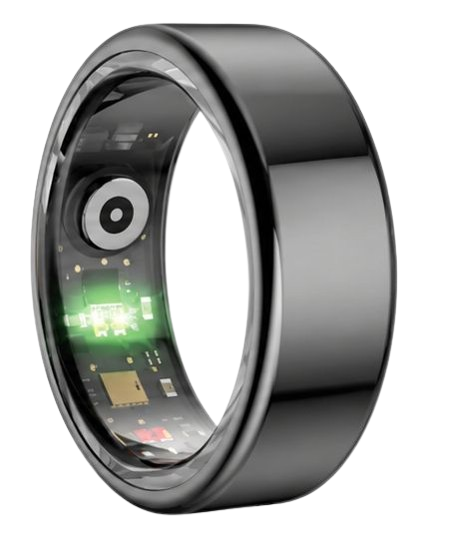
The subscription-free Herz P1 Smart Ring is your ultimate companion.
Ready to monitor your health every day?
Explore the Herz P1 Smart Ring and see if it fits your lifestyle.
Call: 1-866-479-1629 — our team can help you advise on the correct ring size and set personalized health goals.
Note: Individual results may vary depending on individual health conditions, age, and lifestyle habits. This article is intended for general health reference purposes only.
