

Many health-conscious individuals ask, is hummus and pita healthy for daily consumption, especially when managing metabolic conditions like diabetes? While this classic Mediterranean pairing offers fiber and plant-based protein, its impact on blood sugar can vary wildly depending on your portion sizes and choice of bread. The Herz P1 Smart Ring helps you monitor how your body handles dietary stress by tracking autonomic recovery markers overnight, letting you optimize your nutrition without guesswork.
Built to Last. Save Up to 69% Today.
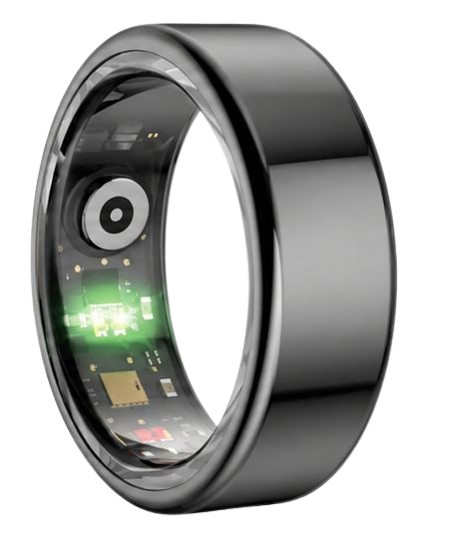
The Herz P1 Smart Ring tracks HRV, Sleep, Heart Rate & SpO2 around the clock. No subscriptions. No renewals. Ever.
In This Article
- Metabolic Impact decoded: Understand how chickpea fiber and white starch compete in your body.
- Glycemic Index breakdown: Compare the glycemic ratings of common flatbreads and legume dips.
- The Portion Sizing Guide: Get precise serving limits to manage hummus blood sugar responses cleanly.
- Biometric optimization: Learn to use the Herz P1 Smart Ring to track overnight physiological recovery after eating.
Is Hummus and Pita Healthy? Here’s What the Glycemic and Metabolic Research Reveals
Hummus is a traditional Middle Eastern dip crafted from blended chickpeas, sesame tahini, olive oil, lemon juice, and garlic.
Pita is a flatbread made from wheat flour, water, yeast, and salt.
Together, they create a complete protein profile containing all nine essential amino acids.
However, the nutritional profile changes drastically if you choose refined white flour instead of stone-ground whole wheat.
This dietary combination is highly relevant for individuals looking to maintain stable blood glucose levels.
Diabetics, pre-diabetics, and insulin-resistant individuals must pay special attention to this meal pairing.
People seeking to improve their cardiovascular wellness can also benefit from the healthy fats in tahini and olive oil.
Anyone looking to transition away from processed snacks will find hummus to be an excellent nutrient-dense substitute.
Eating hummus and pita is highly effective during midday slumps when you require sustained energy.
Consuming this combination after a resistance training session helps replenish muscle glycogen.
However, eating refined pita late in the evening may lead to elevated baseline glucose levels during your sleep cycle.
The ideal time to consume complex carbohydrates is when your physical activity levels are highest.
Digestive enzymes break down the starch from pita bread in your small intestine.
Glucose is then rapidly absorbed into your bloodstream.
At the same time, the soluble fiber from chickpeas forms a gel-like substance in your gut.
This physical barrier slows down the enzymatic breakdown of surrounding starches.
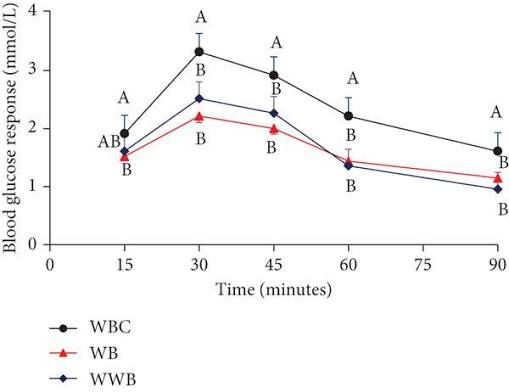
Pure white pita bread has a high glycemic index that can cause rapid insulin spikes.
Conversely, the healthy fats in tahini and olive oil delay gastric emptying.
This delayed emptying prevents sudden surges of sugar from entering the bloodstream.
Therefore, the hummus acts as a metabolic buffer against the rapid digestion of the flatbread.
The protein in chickpeas stimulates the release of satiety hormones like peptide YY.
These hormones signal your brain that you are full, preventing overeating.
The healthy monounsaturated fats in olive oil improve cellular insulin sensitivity over time.
By keeping insulin levels stable, your body can access stored fat for energy more efficiently.
A standard healthy portion consists of two tablespoons of hummus paired with half of a small whole-wheat pita pocket.
This specific portion delivers approximately 150 calories and 4 grams of dietary fiber.
Consuming more than one full white pita can easily push your carbohydrate intake past 40 grams.
This excess carbohydrate volume can easily overwhelm your body’s insulin response.
If you want to track this in real time, the Herz P1 Smart Ring monitors sleep quality, overnight recovery, and physiological stress trends 24/7 — explore it here.
Understanding the Nutritional Chemistry of Hummus
Hummus is highly regarded for its balance of macronutrients and rich micronutrient profile.
The chickpeas provide complex carbohydrates, plant protein, and soluble dietary fiber.
Tahini delivers healthy monounsaturated and polyunsaturated fats, as well as calcium and magnesium.
Olive oil introduces oleic acid, which is renowned for its heart-healthy, anti-inflammatory properties.
Garlic and lemon juice contribute essential antioxidants, such as vitamin C and various polyphenols.
This synergistic blend of ingredients helps slow digestion and moderates glucose entry into the blood.
The Problem with Commercial Pita Bread Starch
Most commercially produced pita bread utilizes highly processed white flour.
Refining grains strips away the bran and germ, removing almost all natural fiber and vitamins.
What remains is a pure starchy endosperm that digests incredibly rapidly.
When you consume white pita, your body processes it nearly identical to simple sugars.
This rapid absorption triggers a sudden surge in pancreatic insulin secretion.
Frequent spikes of this nature promote insulin resistance over time, which damages long-term health.
How Chickpeas Stabilize Insulin Release
Chickpeas are rich in amylose, a slow-digesting type of complex starch.
Amylose has a tighter physical structure that takes much longer for digestive enzymes to break down.
Additionally, the rich fiber content in chickpeas acts as a natural brake inside your gut.
This physical barrier slows the digestion of other starches consumed in the same meal.
By pairing chickpeas with whole grains, you moderate insulin release significantly.
This stabilization helps maintain steady energy levels and keeps cravings at bay for hours.
90-Day 100% Money-Back Guarantee
“The Herz Smart Ring helps me manage stress easily. It’s accurate, stylish, and lightweight—perfect for my busy life!”
— Jennifer P. | ✔ Verified Customer
- ✓ 6-Day Battery Life
- ✓ Detailed Sleep Analysis
- ✓ Fast 1-Hour Charging
- ✓ iOS & Android Ready
Questions? Call: 1-866-479-1629
Pita Bread and Hummus Glycemic Index: The Molecular Impact on Blood Sugar

The glycemic index (GI) measures how rapidly a carbohydrate-containing food elevates blood glucose.
White pita bread sits high on the scale with a glycemic index score of approximately 75.
This high score means the starches convert to glucose almost as fast as pure table sugar.
Conversely, the chickpeas glycemic index is exceptionally low, averaging around 28.
This stark difference explains why the combination behaves differently than pita bread alone.
When you combine a high-GI food with a low-GI food, the overall glycemic load of the meal decreases.
However, the ratio of pita to hummus must be heavily balanced in favor of the hummus.
For comparison, the moong dal glycemic index is also low, showing how legumes are superior for glucose control.
Understanding these nutritional metrics is essential to grasping what is metabolic health.
Metabolic health is not just about weight, but how effectively your cells process energy.
Cultivating daily metabolic fitness requires choosing foods that keep blood sugar within a narrow, healthy range.
For those managing diabetes, choosing the right ingredients is a daily priority.
Some might wonder, is-falafel-good-for-diabetics, and the answer lies in how those chickpeas are prepared.
While falafel is deep-fried, raw or boiled chickpea hummus retains its beneficial fiber without harmful oxidized fats.
By swapping white pita for raw vegetable slices, you can enjoy hummus with virtually zero blood sugar impact.
The primary goal is to avoid high-glycemic excursions that damage blood vessels over time.
Measuring the Glycemic Load of Mediterranean Dips
While Glycemic Index tells you how fast glucose rises, Glycemic Load (GL) accounts for portion sizes.
Hummus has an incredibly low glycemic load due to its structural water, fat, and protein content.
This means even a moderate serving does not contain enough active starch to cause severe spikes.
However, when you pair it with high-glycemic white bread, the meal’s total glycemic load surges.
Monitoring this overall balance is key to keeping metabolic hormones functioning smoothly.
By swapping refined breads for whole alternatives, you drastically reduce insulin strain.
Legumes and Their Superior Satiety Mechanisms
Chickpeas and other legumes trigger a physical sensation of fullness through several biochemical pathways.
The soluble fiber absorbs liquid in your stomach, expanding to promote a feeling of satiety.
This slow movement down your digestive tract signals your brain that you are well-nourished.
Additionally, legumes contain slow-digesting proteins that keep insulin levels from crashing.
This double-action mechanism makes hummus an ideal snack for sustaining physical energy.
By utilizing these slow-burning foods, you naturally prevent overeating later in the day.
What is Metabolic Fitness and How Do We Achieve It?
Metabolic fitness refers to your body’s ability to efficiently clear glucose and use fat for fuel.
It is not a static state, but a flexible daily capacity that you can train.
Choosing complex, slow-burning fuel sources directly supports this biological flexibility.
Regular physical movement combined with high-fiber foods creates a stable metabolic foundation.
In contrast, eating quick-digesting refined carbohydrates degrades your systemic insulin sensitivity.
By prioritizing whole, unprocessed dietary choices, you build long-term cardiorespiratory and cellular resilience.
| Food Combination (Standard Portion) | Estimated Glycemic Index (GI) | Glycemic Impact on Diabetics |
|---|---|---|
| White Pita Bread (1 pocket, 60g) | 75 (High) | Rapid, steep glucose spike; high insulin demand. |
| Hummus with Celery & Cucumbers | 15 (Very Low) | Virtually flat glucose response; highly recommended. |
| Hummus with Whole-Wheat Pita | 45 (Low-Medium) | Moderate, steady release of energy; safe in moderation. |
How Continuous Smart Ring Biometrics Unveil Your Personal Glycemic Responses

Many people do not realize that dietary choices impact their physiological metrics hours after eating.
A high-glycemic meal eaten close to bedtime can cause severe overnight-glucose-spikes.
These spikes force your pancreas to secrete large amounts of insulin while you sleep.
Consequently, your autonomic nervous system shifts away from restorative parasympathetic dominance.
This shift can be accurately observed via heart rate variability (HRV) metrics.
A lower overnight HRV indicates that your body is working hard to process metabolic stress.
The Herz P1 Smart Ring monitors these subtle physiological shifts with clinical precision.
By reading blood oxygen saturation (SpO2) and heart rate patterns, the ring highlights recovery deficits.
If your resting heart rate remains elevated during the first half of the night, your late-night snack may be to blame.
Tracking these trends over time helps you connect the dots between your kitchen habits and sleep quality.
This continuous data stream gives you the power to make proactive, health-conscious adjustments.
You will begin to see exactly how your body responds to whole-wheat pita versus refined white pita.
Over time, this biometric awareness paves the way for sustainable metabolic improvement.
The Sleep-Glucose Connection: Tracking Overnight Spikes
Glucose surges late in the evening disrupt your biological clock and sleep quality.
When blood sugar spikes, the body’s natural release of melatonin is suppressed.
This suppression fragments your deep and REM sleep cycles, causing frequent light awakenings.
Using the Herz P1, you can directly monitor these disruptions through your sleep score.
If you see a high percentage of light sleep, try adjusting your evening dinner composition.
A low-glycemic, fiber-rich dinner will promote more consistent overnight recovery.
Heart Rate Variability (HRV) as a Metabolic Stress Mirror
Heart rate variability is a direct, non-invasive measurement of your autonomic nervous system.
When you consume easy-to-digest starches, your body enters a state of internal stress.
This metabolic load elevates your heart rate and suppresses your overnight HRV.
The Herz P1 tracks these micro-adjustments in heart beats continuously while you rest.
Seeing your HRV climb over weeks is a strong indicator of improved metabolic fitness.
This physiological data acts as an objective progress report for your dietary changes.
Freeing Yourself from Bulky Wrist Tracker Fatigue
Traditional fitness smartwatches are bulky, heavy, and uncomfortable to wear while sleeping.
This discomfort often leads users to remove their watches at night, losing valuable data.
Smart rings solve this tracking issue by packing advanced optical sensors into a lightweight band.
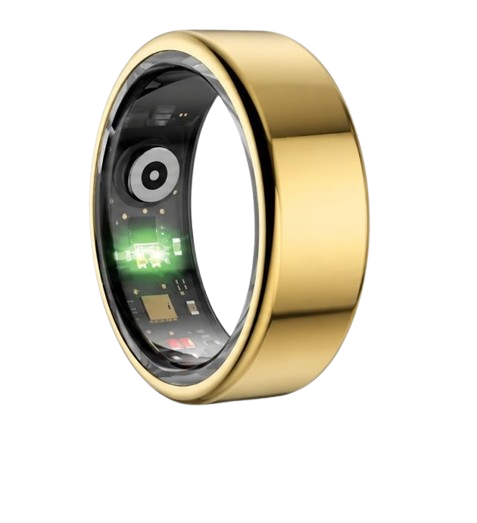
The Herz P1 is forged from ultra-durable steel that weighs mere grams on your finger.
You can wear it continuously to sleep, work out, and bathe without any physical irritation.
This seamless convenience ensures you never miss a critical night of physiological tracking.
The Diabetes Sizing Guide: Portion Control Protocols and Alternative Pairings
Portion control is the cornerstone of managing hummus blood sugar responses effectively.
We have designed this Diabetes Sizing Guide to help you navigate Mediterranean food sizing with ease.
First, limit your pita bread portion to one-quarter of a standard 6-inch pocket.
This small slice keeps your rapid-acting carbohydrate intake below 15 grams.
Second, increase your hummus portion to a generous three tablespoons.
This ratio ensures you receive enough dietary fiber and healthy fats to slow digestion.
Third, replace the remaining pita bread with crisp, low-glycemic vegetable vehicles.
Sliced cucumbers, celery stalks, and raw bell peppers provide an excellent satisfying crunch.
These vegetables contain negligible carbohydrates and are packed with beneficial micronutrients.
When shopping for pre-made hummus, always read the ingredient label carefully.
Avoid brands that add highly refined seed oils like soybean or canola oil.
Opt instead for traditional recipes using extra virgin olive oil and pure sesame tahini.
These high-quality fats support cellular health and promote long-term satiety.
By adhering to this portion sizing guide, you can enjoy Mediterranean dips without fear of glucose spikes.
Your body will reward you with more stable energy levels throughout the day.
A balanced plate should always prioritize non-starchy vegetables first.
Ideally, half of your plate should consist of leafy greens, cucumbers, or broccoli.
One-quarter of the plate can be reserved for lean proteins like grilled chicken or tofu.
The remaining quarter should hold your complex carbohydrates, such as hummus and whole-wheat pita.
This systematic layout naturally prevents carbohydrate overconsumption.
It also ensures a diverse intake of vitamins, minerals, and polyphenols.
By tracking your daily meals alongside your Herz P1 sleep and recovery scores, you can build a personal metabolic blueprint.
You will quickly discover which carbohydrates support your energy and which ones drain your vitality.
Common Pitfalls: From Portion Distortion to Bulky Wearable Fatigue
One of the most common dietary mistakes is assuming that all health foods can be eaten in unlimited quantities.
While hummus is nutritious, eating an entire tub in one sitting will cause a significant glucose spike.
Portion distortion often turns a healthy snack into a metabolic burden.
Another common mistake is neglecting to track how your lifestyle choices affect your recovery.
Many individuals attempt to use bulky smartwatches to monitor their sleep and physiological stress.
However, these large devices are often uncomfortable to wear throughout the night.
Many users find themselves taking their smartwatches off mid-sleep, leading to massive data gaps.
Furthermore, many consumer wearables lock your personal health data behind expensive monthly paywalls.
With the Herz P1 Smart Ring, you never have to worry about ongoing subscription fees.
Our companion app is completely free for life, providing full access to all premium features.
The lightweight military-grade steel ring sits comfortably on your finger 24 hours a day.
You will barely notice you are wearing it, yet it will continuously compile crucial recovery data.
This seamless tracking makes it easy to maintain a complete picture of your metabolic progress.
Frequently Asked Questions About Smart Rings and Metabolic Tracking
Is the Herz P1 Smart Ring waterproof?
Yes, the Herz P1 Smart Ring features a robust IP68 waterproof rating.
This rating means the device is fully protected against dust and water immersion up to 164 feet.
You can confidently wear the ring while swimming, showering, washing dishes, or sweating during intense workouts.
The military-grade steel exterior ensures that water cannot penetrate the internal sensors.
You never have to take it off, allowing for truly seamless 24/7 data collection.
How long does the Herz P1 battery last on a single charge?
The Herz P1 battery is designed to last up to 6 full days of continuous use.
It utilizes advanced power-optimization algorithms to monitor your biometrics without draining energy.
When it is time to recharge, the ring goes from empty to 100% in under 1 hour.
This ultra-fast charging capability minimizes downtime and prevents tracking interruptions.
You can simply charge it while taking a quick shower or sitting at your desk.
Which finger is the best to wear the Herz P1 Smart Ring on?
For the highest accuracy, we recommend wearing the Herz P1 on your index finger.
The index finger contains a high density of blood vessels near the skin’s surface.
This positioning allows our optical PPG sensors to capture clean, strong biometric signals.
However, the middle finger and ring finger are also excellent, highly reliable alternatives.
Ensure the ring fits snugly but comfortably without rotating excessively.
Does the Herz P1 Smart Ring store biometric data offline?
Yes, the Herz P1 has built-in local storage that can hold up to 7 days of biometric data offline.
You do not need to keep your smartphone nearby or connected to Bluetooth at all times.
The ring will automatically sync all stored data to the app once a connection is re-established.
This feature is perfect for outdoor adventures, device-free sleeping, or off-grid travel.
Your personal health metrics are securely stored on the hardware until they are uploaded.
Conclusion
Understanding dietary glycemic impacts empowers your metabolic health.
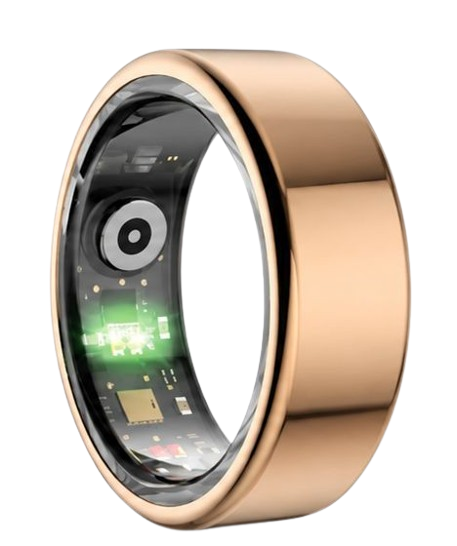
The Herz P1 Smart Ring translates silent physiological signals into clear recovery insights.
Ready to monitor your health every day?
Explore the Herz P1 Smart Ring and see if it fits your lifestyle.
Call: 1-866-479-1629 — our team can help you advise on the correct ring size and set personalized health goals.
Note: Individual results may vary depending on individual health conditions, age, and lifestyle habits. This article is intended for general health reference purposes only.
