

Understanding how your favorite foods affect your body is crucial, which is why navigating the pizza glycemic index blood sugar connection is so important for long-term health. The Herz P1 Smart Ring acts as your personal biometric health advisor, tracking vital signals like sleep, HRV, and stress to reveal how high-glycemic meals impact your body overnight. This comprehensive guide details the physiological mechanisms behind these glucose responses to help you optimize your metabolic fitness.
Built to Last. Save Up to 69% Today.
The Herz P1 Smart Ring tracks HRV, Sleep, Heart Rate & SpO2 around the clock. No subscriptions. No renewals. Ever.

In This Article
- The Glycemic Breakdown: Comprehensive analysis of pizza crust types and their direct impact on insulin release.
- The Delayed Glycemic Response: Understanding how cheese, proteins, and fats create late-phase glucose plateaus.
- Overnight Autonomic Recovery: Exploring how late-night carbohydrate consumption impairs HRV, heart rate, and sleep architecture.
- Practical Lifestyle Hacks: Choosing healthy, low-carb crusts and leveraging subscription-free wearable biometrics.
Does Pizza Really Cause Massive Glucose Spikes? Here is What the Research Says
What is the Pizza Glycemic Index?
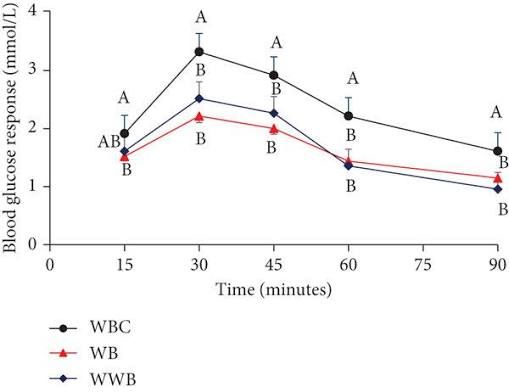
The glycemic index measures how rapidly a specific carbohydrate food increases your circulating blood sugar levels.
A standard thick-crust cheese pizza carries a high glycemic index rating, typically ranging from 60 to 80 on the 100-point scale.
This placing is due primarily to the refined white wheat flour used to roll traditional pizza dough.
Refined white flour acts as a fast-digesting carbohydrate that rapidly converts to glucose inside your gastrointestinal tract.
Consequently, eating standard pizza results in a substantial post-prandial glycemic rise shortly after ingestion.
Who Should Monitor Their Pizza Intake?
Anyone diagnosed with type 1 or type 2 diabetes must monitor pizza consumption carefully to prevent hyperglycemia.
This vigilance is equally important for individuals diagnosed with prediabetes or clinical insulin resistance.
Furthermore, healthy individuals aiming to improve daily energy levels can benefit from tracking these patterns.
Preventing high glucose spikes helps avoid the subsequent energy crashes that disrupt cognitive focus and productivity.
Even fit athletes find that managing glycemic stress directly improves physical performance and short-term muscle recovery.
When Does Pizza Consumption Cause the Most Harm?
The timing of your pizza meal significantly changes how your body manages the circulating glucose load.
Eating high-glycemic foods late in the evening represents the most challenging scenario for your metabolic organs.
As darkness falls, your body naturally secretes melatonin to prepare your systems for overnight restorative sleep.
Melatonin suppresses insulin secretion from the pancreas, which drastically reduces your natural insulin sensitivity at night.
Consequently, late-night pizza consumption results in much higher and more prolonged blood sugar elevations than lunch consumption.
Where Do These Glucose Fluctuations Occur?
This metabolic process begins in the mouth and proceeds rapidly through the upper gastrointestinal system.
Enzymes break down the refined starches in your small intestine, absorbing them directly into the bloodstream.
From the blood vessels, glucose circulates to cells throughout your skeletal muscle and organ tissues.
The pancreas releases insulin to usher this glucose into cells for immediate energy storage or usage.
If your glycogen storage areas are already full, the excess glucose is safely converted into visceral fat tissue.
Why Does Pizza Cause Such a Significant Glycemic Response?
Traditional pizza dough is processed using white flour that has been stripped of its natural dietary fiber.
Without fiber to slow enzymatic degradation, the starches convert to sugar almost instantly during digestion.
Additionally, commercial tomato sauces often contain added high-fructose corn syrup to enhance sweetness.
This combination creates a dense, fast-acting source of simple sugars that floods your circulatory system.
The lack of structural complexity in the crust means your body has no physical barrier to slow absorption.
How Does Your Body Process a Pizza-Induced Spike?
When glucose levels rise rapidly, your pancreas detects the surge and releases a large wave of insulin.
This rapid insulin surge works to clear the excess sugar from your bloodstream as quickly as possible.
However, the dramatic insulin response often overcorrects, driving glucose levels down below your baseline.
This rapid drop is known as reactive hypoglycemia, which triggers sudden hunger, brain fog, and fatigue.
Your brain interprets this rapid drop as an energy crisis, prompting intense cravings for more processed carbohydrates.
How Much Carbohydrate Load is in a Single Slice?
A single slice of standard commercial hand-tossed pizza contains roughly 30 to 38 grams of active carbohydrates.
Eating three slices easily delivers over 100 grams of fast-acting carbohydrates in a single meal.
For an individual with standard insulin sensitivity, this can raise circulating glucose by 40 to 80 mg/dL.
For those with compromised insulin pathway function, this load can cause a persistent pizza glucose spike above 180 mg/dL.
This high volume of sugar places a massive, multi-hour workload on your endocrine organs to restore healthy homeostasis.
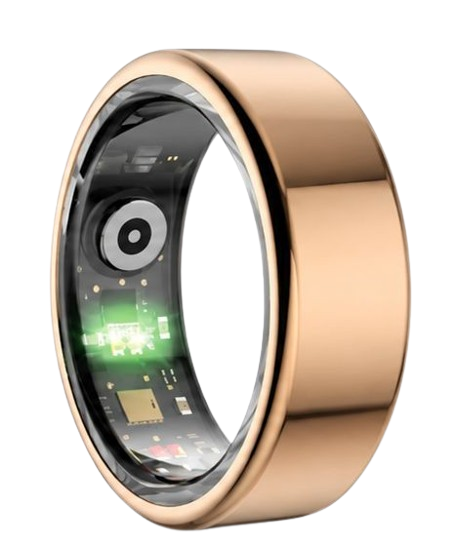
If you want to track this physiological response in real time, the Herz P1 Smart Ring monitors your body’s recovery signals 24/7 — explore it here.
90-Day 100% Money-Back Guarantee
“The Herz Smart Ring helps me manage stress easily. It’s accurate, stylish, and lightweight—perfect for my busy life!”
— Jennifer P. | ✔ Verified Customer
- ✓ 6-Day Battery Life
- ✓ Detailed Sleep Analysis
- ✓ Fast 1-Hour Charging
- ✓ iOS & Android Ready
Questions? Call: 1-866-479-1629
The Pizza Effect: Why Fats and Proteins Create Prolonged Glycemic Plateaus

To understand the physiological behavior of a pizza glycemic index response, you must look beyond simple carbohydrates.
Unlike eating simple carbohydrates alone, pizza combines refined crust with substantial quantities of dietary fat and protein.
The cheese, oils, and meat toppings deliver a high-calorie blend of lipids and amino acids directly to your stomach.
Fats and proteins slow gastric emptying, meaning your stomach releases its contents into the small intestine much slower.
Consequently, the initial rise in blood glucose is delayed, often showing little change in the first hour after eating.
This delayed behavior is significantly different from the rapid spike and quick drop associated with a croissant glycemic index response.
However, this delay does not prevent your body from processing the total load of refined carbohydrates eventually.
Instead, the digested glucose enters your blood slowly and continuously over an extended four-to-six-hour window.
This digestion pattern creates a prolonged, stubborn plateau in your circulating blood sugar levels.
This response is markedly different from a standard pasta-glycemic-index-blood-sugar curve, which usually peaks and returns to baseline much sooner.
It also stands in contrast to the rapid, transient spike of a dosa carbohydrates curve.
To handle this steady stream of glucose, your pancreas must secrete insulin continuously for several hours.
This prolonged elevation is known in medical literature as the “pizza effect” or the delayed post-prandial glycemic rise.
By keeping insulin levels elevated for hours, this state prevents your body from accessing stored fat reserves for fuel.
Understanding this multi-hour delay is essential for maintaining optimal daily wellness and protecting your vascular systems.
Learning how these macronutrient combinations behave is a key component of understanding what is metabolic health.
The Autonomic Impact: How Overnight Glycemic Surges Disrupted Your Sleep Architecture

The metabolic consequences of consuming a high-glycemic dinner continue long after you fall asleep.
Eating refined flour and fats late in the evening frequently leads to significant overnight-glucose-spikes.
As your digestive system works to process this dense meal, your autonomic nervous system must adjust its resources.
Your heart must work harder to pump oxygenated blood to your gastrointestinal tract to support active digestion.
This extra workload prevents your resting heart rate from dropping to its natural nighttime low during sleep.
A higher overnight resting heart rate is a key indicator that your body is not entering a deeply restorative state.
Simultaneously, your overnight heart rate variability, or HRV, drops significantly as your sympathetic system remains active.
Clinical data from the American Heart Association confirms that a lower HRV score represents systemic autonomic stress.
This autonomic stress directly disrupts your sleep architecture, keeping you from transitioning into deeper sleep stages.
You will likely experience a notable decrease in the duration of your Deep Sleep and REM Sleep cycles.
Deep sleep is essential for physical cellular repair, while REM sleep supports memory consolidation and emotional processing.
When these critical phases are cut short, you wake up feeling physically tired, mentally foggy, and unrefreshed.
Developing habits to avoid these overnight disruptions is central to building sustained, long-term metabolic fitness.
The Herz P1 Smart Ring uses medical-grade multispectral PPG sensors to track these overnight physiological recovery trends.
By wearing this lightweight, military-grade steel ring, you can easily connect evening food choices with your morning recovery scores.
How to Build a Metabolic Shield: Practical Tips for Eating Pizza Wisely
You do not have to eliminate pizza from your life entirely to protect your cardiovascular health.
By using a few evidence-based dietary strategies, you can enjoy pizza while keeping your blood sugar stable.
First, always pay attention to the order in which you consume the different foods on your plate.
Start your meal by eating a high-fiber green salad or a side of steamed, non-starchy vegetables.
Next, eat the proteins and fats, such as grilled chicken or olive oil, before eating any crust.
The fiber coating in your stomach slows down the absorption of the simple sugars that follow in the meal.
Second, seek out or make healthy low carb pizza options to reduce the total glycemic load.
Crusts made from cauliflower, almond flour, or organic coconut flour have become widely available.
These alternative crusts dramatically reduce the carbohydrate density of your meal while adding healthy fiber.
Third, practice portion awareness and avoid eating simple carbohydrates on an empty stomach.
Limiting yourself to one or two slices paired with clean proteins prevents overloading your pancreas.
Finally, enjoy a light, ten-minute walk immediately after finishing your last bite of pizza.
Gentle muscle movement helps clear glucose from your bloodstream without requiring your body to produce extra insulin.
The Herz P1 app helps you visualize the positive impact of these habits by tracking your overnight recovery metrics.
Over time, you will see your sleeping heart rate stabilize faster and your HRV recovery scores improve on pizza nights.
Wearable Performance Pitfalls: Why Smartwatches Fail Active Recovery Tracking
Many health-conscious people try to track sleep and recovery using traditional, bulky smartwatches.
However, wearing a heavy, thick device to bed often leads to tracking errors during the night.
These large watches can shift on your wrist, leading to sensor gaps and inaccurate readings.
They also require daily charging, which often forces you to charge them overnight, missing critical sleep data.
Additionally, many premium smartwatches lock your long-term health trends behind expensive monthly subscriptions.
We believe your personal biometrics should always be free and fully accessible to you without ongoing fees.
The Herz P1 Smart Ring offers a lightweight, subscription-free alternative designed for continuous, comfortable wear.
Crafted from military-grade steel, it sits securely on your finger to provide accurate, around-the-clock tracking.
With its six-day battery life and zero subscription fees, it is a convenient, reliable tool to support your wellness journey.
Frequently Asked Questions About the Herz P1 Smart Ring
Is the Herz P1 Smart Ring waterproof?
Yes, the Herz P1 features a full IP68 waterproof rating, making it completely safe for swimming and showering.
It can withstand continuous submersion in water up to 164 feet, allowing you to track activity without worry.
How long does the battery last on a single charge?
The advanced lithium-polymer battery delivers up to 6 days of continuous tracking on a single charge.
The ring charges incredibly fast, reaching a full 100% capacity in under 1 hour using the included magnetic charger.
Which finger is the best to wear the smart ring on?
For the highest level of biometric sensor accuracy, we recommend wearing the ring on your index finger.
However, the middle and ring fingers on your non-dominant hand also provide excellent signal quality for daily tracking.
Does the Herz P1 store my health data offline?
Yes, the ring has secure onboard storage that holds up to 7 days of continuous biometric data offline.
Your logged metrics will automatically sync to the free companion app the next time your Bluetooth connects.
How does a smart ring track metabolic recovery?
The Herz P1 monitors overnight heart rate, HRV, and sleep stages to show how your body recovers after meals.
By checking your morning recovery scores, you can easily see the systemic impact of late-night, high-glycemic foods.
Conclusion
Monitoring how foods affect your heart rate, sleep, and stress is the first step toward lasting vitality. The Herz P1 Smart Ring provides the precise, subscription-free data you need. Ready to monitor your health every day? Explore the Herz P1 Smart Ring. Call: **1-866-479-1629** — our team can advise on sizing and set goals.
Note: Individual results may vary depending on individual health conditions, age, and lifestyle habits. This article is intended for general health reference purposes only.
