

Managing your metabolic health starts with understanding how daily dietary fats like Herz P1 smart ring users track physiological trends, and many wonder about the relationship between butter and blood sugar. While pure carbohydrates directly spike glucose, the impact of dairy fats on your glycemic response is far more nuanced. In this guide, we dive deep into how butter and ghee affect your insulin levels, helping you make informed metabolic choices every single day.
Built to Last. Save Up to 69% Today.
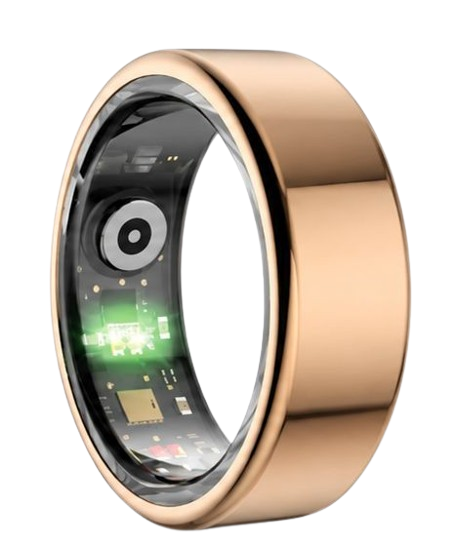
The Herz P1 Smart Ring tracks HRV, Sleep, Heart Rate & SpO2 around the clock. No subscriptions. No renewals. Ever.
In This Article
- Does Butter Spike Blood Sugar? Discover the direct glycemic effects of dairy lipids and how they act in the bloodstream.
- Ghee and Diabetes Safety: Learn why clarified butter is popular and how its metabolic footprint differs from processed seed oils.
- The Pizza Effect: Understand how pairing fats with carbohydrates leads to prolonged, delayed glucose surges overnight.
- Biometric Monitoring Hacks: Learn to use smart ring recovery metrics to measure daily dietary inflammation and stress.
Does Butter and Ghee Really Spike Your Blood Sugar? Here’s What the Research Says

Understanding the exact biochemical components of butter is the first step to evaluating its metabolic safety.
Butter is composed almost entirely of milk fat, water, and trace milk solids.
Ghee is clarified butter where all water and milk solids have been completely simmered away.
Neither food contains significant carbohydrates, meaning they have a glycemic index of zero.
This is very similar to the heavy cream glycemic index, which also rests at zero due to high fat concentration.
Individuals diagnosed with Type 2 diabetes, prediabetes, or metabolic syndrome should pay close attention to these fats.
Anyone striving to optimize their insulin sensitivity will benefit from understanding how lipids interact with insulin.
Saturated fats become critical during meals where they are paired with carbohydrates, altering the overall glycemic curve.
Consuming these fats late in the evening can also trigger delayed metabolic trends, sometimes leading to overnight-glucose-spikes.
Inside the human body, the liver and adipose tissues process these dietary lipids.
The biological effects occur systemically, influencing cell membrane fluidity and muscle cell insulin reception.
Pure fats do not raise blood sugar because they lack the glucose molecules required to elevate circulating blood glucose.
Unlike carbohydrates, lipids do not directly trigger the pancreatic beta cells to release massive amounts of insulin.
This physiological fact explains why adding a pat of butter to a meal yields an entirely different glycemic curve than a sugary glaze.
When you consume butter or ghee, the fat triggers the release of cholecystokinin, which slows down gastric emptying.
This biological brake delays the digestion of any co-ingested carbohydrates, smoothing out the postprandial glucose spike.
However, excess saturated fat can eventually crowd out insulin receptors, leading to transient physiological insulin resistance.
One tablespoon of butter contains approximately 11 grams of fat, with 7 grams being saturated fat.
Clinical recommendations from the American Heart Association suggest limiting saturated fats to less than six percent of daily calories.
For a 2,000-calorie diet, that translates to roughly 13 grams of saturated fat per day.
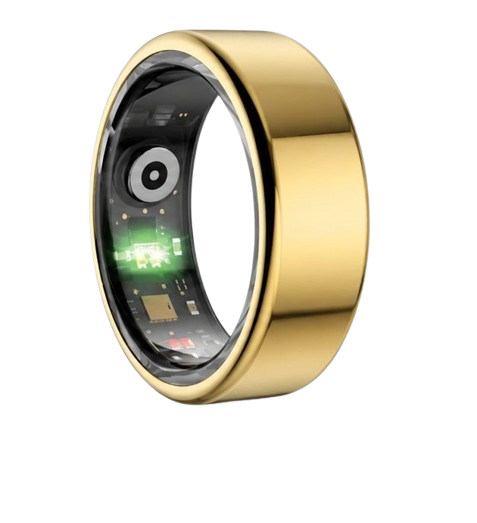
If you want to track this in real time, the Herz P1 Smart Ring monitors your physical recovery and sleep responses 24/7 — explore it here.
90-Day 100% Money-Back Guarantee
“The Herz Smart Ring helps me manage stress easily. It’s accurate, stylish, and lightweight—perfect for my busy life!”
— Jennifer P. | ✔ Verified Customer
- ✓ 6-Day Battery Life
- ✓ Detailed Sleep Analysis
- ✓ Fast 1-Hour Charging
- ✓ iOS & Android Ready
Questions? Call: 1-866-479-1629
Saturated Fats and Insulin Sensitivity: The Metabolic Science Explained

Medical consensus confirms that pure butter does not cause an immediate rise in insulin levels.
Some users ask, does ghee raise insulin, and the biochemically precise answer is no, not directly.
However, we must differentiate between immediate postprandial responses and long-term metabolic health outcomes.
When you consume large quantities of saturated fatty acids, free fatty acids accumulate in the bloodstream.
These circulating lipids can accumulate inside muscle cells as intramyocellular lipids.
This cellular accumulation blocks the insulin signaling pathway, specifically interfering with glucose transporter type 4 activation.
Over time, this cellular blockade can impair your overall what is metabolic health.
Therefore, while butter does not spike glucose in the short term, overusing it can degrade insulin sensitivity over weeks or months.
The American Heart Association notes that high saturated fat diets are consistently linked to increased cardiovascular risk.
This is why tracking your body’s overall recovery metrics becomes vital when adopting high-fat dietary habits.
Many health-conscious consumers look for alternatives like cold-pressed avocado oil to replace saturated lipids.
Clinical trials published by the American Diabetes Association highlight that dietary fat quality alters cell membrane function.
Specifically, saturated fats make cell membranes more rigid, which directly reduces the efficiency of insulin receptors.
When receptors are rigid, insulin struggles to bind, leaving glucose circulating in the bloodstream for longer periods.
In contrast, monounsaturated fats maintain membrane fluidity, supporting optimal glucose clearance.
This is why analyzing your baseline biometrics is a critical step in personalizing your nutrition plan.
Using the Herz P1 Smart Ring allows you to monitor how dietary shifts influence your overnight heart rate variability.
A downward trend in heart rate variability often indicates systemic stress, which can stem from metabolic or cardiovascular strain.
Ghee and Blood Sugar: Is Clarified Butter Safe for Diabetics?
Clarified butter, widely known as ghee, has been used in traditional cooking for thousands of years.
Diabetic individuals often wonder if ghee is a safer option than standard butter or processed vegetable oils.
Ghee is prepared by heating butter to separate the liquid and milk solids from the fat.
This purification process removes most of the lactose and casein, making it highly tolerable for dairy-sensitive individuals.
In terms of blood sugar, ghee behaves very similarly to regular butter because it consists of nearly 100 percent lipid molecules.
Because it lacks carbohydrates, ghee does not trigger any immediate glycemic response or direct insulin spikes.
Additionally, ghee contains a high concentration of butyrate, a short-chain fatty acid known to support gut health.
Butyrate has been shown in laboratory studies to promote intestinal integrity and reduce systemic inflammation.
Lowering chronic inflammation is a key pillar of maintaining long-term metabolic fitness.
Ghee also contains fat-soluble vitamins such as Vitamin A, D, E, and K, which are vital for immune health.
These micronutrients are absorbed far more efficiently when consumed alongside healthy lipid carriers.
For diabetics, this nutrient synergy means ghee can be part of a nutrient-dense, low-glycemic dietary strategy.
Still, we must reiterate that ghee is almost entirely composed of saturated fat.
If you consume ghee daily, keep an eye on your cardiovascular metrics to ensure your lipid panel remains balanced.
A smart ring like the Herz P1 serves as an early-warning system for tracking your cardiovascular response to these dietary fats.
However, diabetics must still practice portion control when using ghee because of its extreme caloric density.
Excessive calorie intake from any source can lead to visceral fat accumulation, which directly worsens insulin resistance.
Integrating ghee mindfully alongside fiber-rich vegetables is generally considered safe and beneficial for blood sugar stability.
Can Butter Spike Blood Sugar Indirectly? The ‘Pizza Effect’ and Delayed Spikes
A common misconception is that if a food has a zero glycemic index, it can never cause high blood sugar.
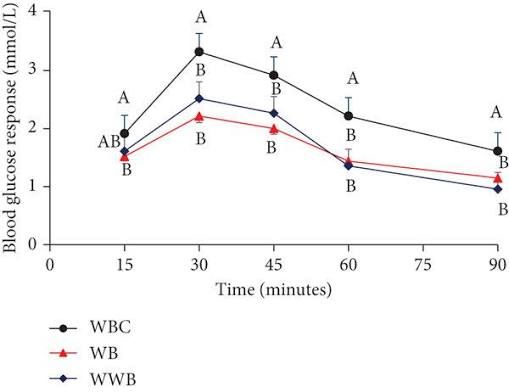
In reality, butter can indirectly contribute to severe, delayed spikes when paired with carbohydrates.
This phenomenon is frequently referred to by endocrinologists as the “pizza effect” or delayed hyperglycemia.
When you consume bread or potatoes slathered in butter, the high fat content dramatically slows down your stomach’s emptying rate.
While this delay prevents an immediate, sharp glucose spike, it stretches the glucose absorption process over many hours.
Furthermore, high levels of circulating fats cause a temporary state of acute insulin resistance in liver and muscle tissues.
As a result, your pancreas must secrete insulin continuously for hours to clear the slowly entering glucose.
This often leads to persistent, elevated blood sugar levels that peak three to five hours after your meal.
Many people ask, does heavy cream raise blood sugar in this same indirect manner, and the answer is absolutely yes.
The combination of dairy fats with starches or sugars creates a sustained metabolic burden that is difficult for an insulin-resistant body to handle.
Many diabetics encounter this frustration when they consume a high-fat, high-carb meal and see stable glucose initially.
They may go to bed feeling successful, only to wake up with unexplained high fasting glucose.
This overnight surge is often caused by the delayed absorption of the heavy fats eaten hours before.
It can trigger stress responses in the body, which then degrade your deep sleep cycles during the night.
Monitoring these overnight fluctuations is crucial for long-term health, as prolonged glucose elevation strains your heart and blood vessels.
Tracking these complex, multi-hour reactions is highly eye-opening when using advanced health monitoring tools.
Tracking Your Metabolic Responses with Biometrics and Smart Technology
Understanding how your body handles fats and carbohydrates requires looking at more than just a single finger-prick glucose test.
Your metabolic health directly influences your autonomic nervous system, sleep quality, and physical recovery markers.
For instance, delayed glucose spikes from heavy, fat-rich dinners can significantly disrupt your sleep architecture.
When your body is busy digesting heavy fats and managing high insulin levels overnight, your resting heart rate remains elevated.
This metabolic workload prevents your cardiovascular system from entering a deep state of restoration.
The Herz P1 Smart Ring tracks these subtle physiological shifts by continuously measuring your heart rate variability and blood oxygen saturation.
Many users utilize glucose smart rings and continuous glucose monitors alongside their Herz P1 to get a complete physiological picture.
The Herz P1 App provides a comprehensive daily Sleep Score that breaks down your exact time spent in deep and REM sleep.
If you notice your deep sleep percentages dropping after high-saturated-fat dinners, it may be a sign to lighten your evening meals.
The ultra-lightweight, military-grade steel construction of the Herz P1 ensures you can track these metrics comfortably all night long.
With a 6-day battery life and no monthly subscription fees, you gain continuous, hassle-free insights into your lifestyle choices.
Common Pitfalls in Dietary Tracking: Saturated Fat Overuse and Bulky Wearables
One major mistake individuals make when starting a low-carb diet is assuming they can consume unlimited quantities of butter and ghee.
While these fats do not directly raise insulin, overeating them can rapidly drive up low-density lipoprotein cholesterol levels.
This lipid elevation can increase cardiovascular strain, which eventually manifests as a drop in your daily heart rate variability.
Another common pitfall is relying on bulky, uncomfortable smartwatches to track overnight recovery and metabolic stress.
Many people end up taking these large devices off before bed because they irritate the skin or require daily charging.
Missing out on sleep data makes it impossible to recognize how your diet is affecting your autonomic nervous system.
Additionally, many smart wearable brands trap your health data behind expensive monthly app subscriptions.
The Herz P1 Smart Ring solves this by offering a completely free app for life, backed by a 2-year warranty and a 90-day money-back guarantee.
Herz P1 vs. Competitors: Total Freedom and Lifelong Value
Evaluating which device to trust with your daily metrics requires comparing hardware longevity and operating costs.
The table below highlights how the Herz P1 is designed for seamless, subscription-free tracking.
| Feature | Herz P1 Smart Ring | Competing Smart Rings | Standard Smartwatches |
|---|---|---|---|
| Monthly Fees | $0 (Free App Forever) | $5.99 – $10.00/month | Varies by brand |
| Battery Life | Up to 6 Days | 4 – 5 Days | 1 – 2 Days |
| Material | Military-Grade Steel | Basic Titanium | Aluminum / Plastic |
| Waterproof Rating | IP68 (Up to 164 Feet) | IP67 / Basic IP68 | Varies (usually lower) |
| Warranty | 2 Years | 1 Year | 1 Year |
Frequently Asked Questions About Wearable Tech and Dairy Nutrition
Yes, the Herz P1 is designed with an IP68 waterproof rating.
This means it can be safely submerged in water up to 164 feet deep.
You can confidently wear it while swimming, showering, or washing your hands without interrupting your biometric data stream.
The Herz P1 Smart Ring features a highly efficient battery that lasts up to 6 days under normal usage conditions.
It charges fully in under one hour, making it incredibly convenient to maintain continuous 24/7 tracking.
You do not have to worry about packing a charger for short weekend trips.
For the highest biometric accuracy, we recommend wearing the Herz P1 on your index, middle, or ring finger.
These fingers typically have the strongest blood flow, allowing the optical PPG sensors to read your pulse and blood oxygen easily.
Ensure the ring fits snugly but comfortably without rotating excessively during your daily physical activities.
Yes, the Herz P1 has built-in local storage that can save up to 7 days of biometric data offline.
As soon as you reconnect the ring to your smartphone via Bluetooth, all stored metrics will sync automatically to the app.
This ensures you never lose valuable sleep or heart rate insights during outdoor excursions or travel.
Pure butter and ghee do not contain carbohydrates, so they do not cause a direct spike in glucose or insulin.
However, they contain trace amounts of protein which could theoretically trigger a negligible, clinically insignificant metabolic response.
The primary concern for diabetics is how these fats might indirectly slow down carbohydrate absorption, leading to prolonged delayed glucose elevations.
If you have diabetes and pre-existing hyperlipidemia, consuming excessive saturated fats like butter can further elevate your LDL cholesterol.
This combination significantly elevates your overall risk of cardiovascular disease.
It is best to consult with your physician and closely monitor your heart rate variability and resting heart rate trends.

Conclusion
Balancing butter and ghee in your diet requires tracking your metabolic responses. The Herz P1 Smart Ring helps you observe these connections. Ready to monitor your health? Explore the Herz P1 Smart Ring today. Call: 1-866-479-1629 — our team can help advise on your ring size and set health goals.
