

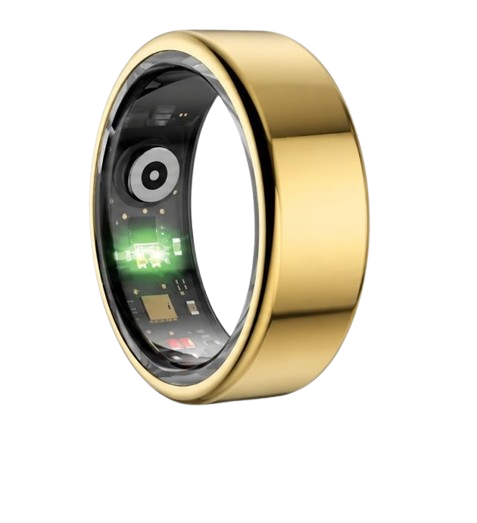
Understanding how your favorite morning beverage impacts your metabolic health is essential for sustained daily energy, especially when examining the popular matcha latte. By analyzing the matcha-glycemic-index-guide, we discover how this green tea powerhouse affects insulin sensitivity. Tracking these subtle physiological shifts is easier than ever with the Herz P1 Smart Ring, which monitors your real-time autonomic responses to nutrition.
Built to Last. Save Up to 69% Today.
The Herz P1 Smart Ring tracks HRV, Sleep, Heart Rate & SpO2 around the clock. No subscriptions. No renewals. Ever.
In This Article
- The Glycemic Truth: We break down the absolute science behind the matcha latte glycemic index.
- Diabetic Impact: Explore how green tea catechins improve insulin sensitivity at a cellular level.
- Wearable Insights: Learn how advanced tracking technology measures your body’s response to food.
- Healthy Recipes: Step-by-step instructions to brew low-carb, high-energy lattes at home.
Does Matcha Latte Glycemic Index Matter? Here is What the Science Says

Metabolic wellness relies heavily on stable postprandial glucose levels.
The term matcha latte glycemic index refers to how rapidly this blended beverage raises your blood sugar compared to pure glucose.
To understand this fully, we must break down the components of a typical latte.
Pure, stone-ground ceremonial green tea leaves have a glycemic index of zero.
This means organic green tea powder itself cannot cause direct glycemic spikes.
However, once you introduce milk, honey, or syrup, the glycemic dynamics change dramatically.
A standard coffee shop version often uses pre-sweetened powders containing refined cane sugar.
These sweetened mixtures can cause rapid blood sugar fluctuations and subsequent energy crashes.
In contrast, preparing the beverage with unsweetened nut milk yields a much lower glycemic load.
Understanding what is metabolic health helps us make better decisions about what we consume daily.
Many individuals experience brain fog and fatigue shortly after consuming highly sweetened commercial lattes.
These symptoms are physical signs of rapid insulin responses attempting to clear excess blood sugar.
When glucose drops too quickly, your brain signals for more quick-release carbohydrates.
This cycle of spikes and crashes can lead to insulin resistance over time if left unchecked.
Choosing unsweetened versions helps protect your vascular system from repeated inflammatory glucose surges.
Consuming low-glycemic beverages preserves mitochondrial function and keeps your baseline energy smooth.
By making conscious beverage choices, you take control of your metabolic trajectory.
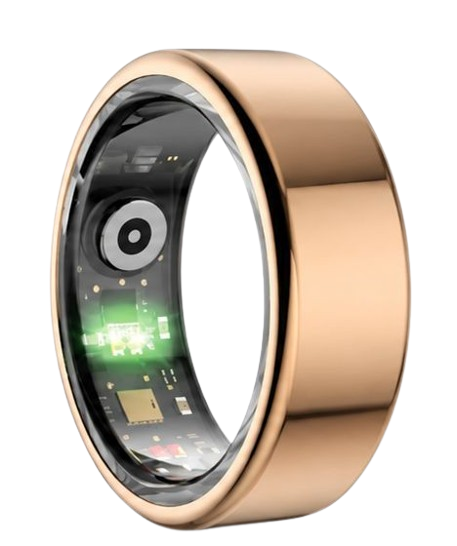
If you want to track this in real time, the Herz P1 Smart Ring monitors relevant metrics like heart rate variability and sleep quality 24/7 — explore it here.
90-Day 100% Money-Back Guarantee
“The Herz Smart Ring helps me manage stress easily. It’s accurate, stylish, and lightweight—perfect for my busy life!”
— Jennifer P. | ✔ Verified Customer
- ✓ 6-Day Battery Life
- ✓ Detailed Sleep Analysis
- ✓ Fast 1-Hour Charging
- ✓ iOS & Android Ready
Questions? Call: 1-866-479-1629
Is Matcha Good for Diabetics and How Does It Regulate Insulin?

Scientific research continues to highlight the profound effects of green tea catechins on metabolic regulation.
For those managing insulin resistance, the question of whether is matcha good for diabetics is highly relevant.
Pure green tea powder boasts a remarkably low matcha glycemic index value of zero.
This means it does not contribute to the carbohydrate pool that drives postprandial glucose rises.
Furthermore, clinical studies suggest that the rich polyphenol content in green tea enhances cellular glucose uptake.
The primary antioxidant in green tea is epigallocatechin gallate, commonly known as EGCG.
EGCG works by mimicking insulin action and reducing glucose production in the liver.
This biochemical process helps maintain a stable baseline throughout the day.
Additionally, the amino acid L-theanine present in green tea promotes calm focus and reduces physiological stress.
Lower cortisol levels translate directly to improved insulin sensitivity and reduced blood sugar volatility.
Therefore, pure green tea powder serves as an excellent metabolic ally.
However, adding calorie-dense or high-sugar milks can quickly undo these natural health benefits.
You must pay close attention to the matcha latte calories to avoid accidental weight gain and insulin resistance.
Let us look deeper into how these components interact at the cellular level.
Clinical Evidence on Green Tea and Glucose Control
Clinical trials indicate that regular green tea consumption can significantly reduce fasting glucose levels.
The American Heart Association has long recognized that managing metabolic risk factors protects cardiovascular health.
A study published in the Journal of Clinical Biochemistry found that green tea catechins help modulate glucose absorption in the small intestine.
They do this by inhibiting the enzymes alpha-amylase and alpha-glucosidase.
These enzymes are responsible for breaking down complex carbohydrates into simple sugars.
By slowing this enzyme activity, the rate of glucose entry into the bloodstream is reduced.
This gradual entry prevents the sharp, high-volume insulin spikes that exhaust pancreatic beta cells.
Furthermore, the high level of antioxidants helps reduce systemic inflammation.
Chronic inflammation is a key driver of insulin receptor desensitization.
Thus, drinking pure green tea helps address both the symptoms and root causes of metabolic dysfunction.
It is clear that the answer to whether does-matcha-raise-blood-sugar depends heavily on the overall recipe.
Pure preparations act as a metabolic shield, whereas sugary commercial options act as metabolic stressors.
Evaluating the Glycemic Values of Common Milk Alternatives
When crafting a latte, the milk base determines the final glycemic index of the beverage.
Standard cow’s milk contains lactose, which is a naturally occurring sugar with a moderate glycemic index of about 46.
Oat milk has grown immensely popular, but it often possesses a glycemic index as high as 69.
This high rating is due to the enzymatic process that converts oat starches into simple maltose during manufacturing.
Consuming oat milk can cause swift glucose rises, particularly when consumed on an empty stomach.
For individuals seeking maximum metabolic stability, unsweetened almond milk or coconut milk are superior options.
Unsweetened almond milk has a glycemic index of approximately 15, which is exceptionally low.
Soy milk offers another low-glycemic alternative with the added benefit of plant-based protein.
Protein and healthy fats help slow gastric emptying, which further flattens the glycemic curve.
Using a low-glycemic milk ensures that your beverage supports your health goals.
You can optimize your metabolic fitness by choosing your ingredients with deliberate care.
How Advanced Smart Rings Capture Postprandial Metabolic Stress
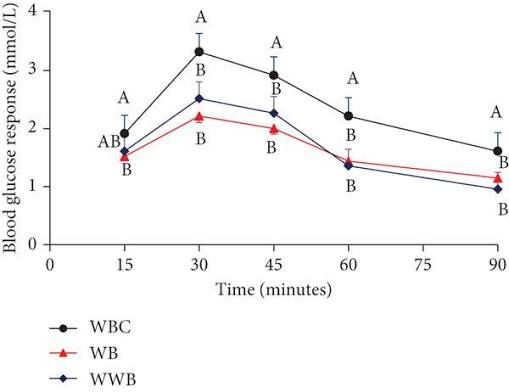
While continuous glucose monitors measure molecular sugar levels, advanced wearables track the systemic effects of those nutrients on your nervous system.
When you experience a massive glycemic spike, your body undergoes a subtle but measurable physiological stress reaction.
The sympathetic nervous system activates to manage the energetic surge and subsequent insulin release.
This autonomic shift causes a temporary increase in resting heart rate and a corresponding drop in heart rate variability (HRV).
By monitoring these cardiac metrics, wearable technology provides indirect insights into your nutritional tolerance.
A stable, low-glycemic meal keeps your autonomic nervous system in a balanced, parasympathetic state.
This balance is reflected in a high, healthy HRV score and stable cardiovascular patterns.
Conversely, a high-sugar meal can trigger a mild stress response that lowers your recovery capacity for hours.
Using these physiological cues allows you to map out which foods support your long-term vitality.
This represents the next frontier in proactive, personalized wellness analytics.
Decoding Heart Rate Variability and Autonomic Balance
Heart rate variability is the microscopic variation in time intervals between consecutive heartbeats.
According to the National Sleep Foundation, a highly variable heartbeat indicates a resilient and well-recovered nervous system.
When you consume high-glycemic foods, the quick influx of sugar can disrupt this natural variability.
Your heart rate may remain elevated as your body works to process the rapid nutrient load.
This state of metabolic stress is easily picked up by the high-precision PPG sensors in the Herz P1 Smart Ring.
By tracking your HRV throughout the day, you can see exactly when your body is under metabolic strain.
This allows you to link specific dietary choices, like a sugary commercial latte, to physiological fatigue.
Over time, you can tailor your diet to keep your autonomic nervous system in its optimal state.
This biometric feedback loop turns vague symptoms of fatigue into clear, actionable data points.
Detecting Sleep Disruption Caused by Nighttime Sugars
Consuming high-sugar foods or beverages late in the evening can severely impact your sleep architecture.
These late-night sugar intakes often lead to overnight-glucose-spikes that trigger sudden awakenings.
As blood sugar drops precipitously in the middle of the night, the body releases cortisol and adrenaline to stabilize levels.
This hormonal surge increases your heart rate and shifts your brain out of deep restorative sleep phases.
Many individuals suffer from poor sleep quality without realizing their evening diet is the root cause.
By using glucose smart rings and health-tracking rings, you can correlate your evening meals with sleep metrics.
The Herz P1 Smart Ring monitors your deep and REM sleep cycles to show the true cost of late-night sugar.
With this knowledge, you can adjust your habits to protect your sleep quality and metabolic health.
A stable nighttime glucose level ensures that your body spends its sleeping hours in deep physical and mental recovery.
Designing Your Glycemic-Friendly Matcha Ritual
Creating a health-promoting morning routine is simple when you understand ingredient chemistry.
To enjoy a delicious latte without affecting your blood sugar, you must select your ingredients mindfully.
Start by choosing a high-quality, ceremonial-grade organic green tea powder.
Ceremonial tea contains the highest concentration of L-theanine and beneficial chlorophyll.
Avoid any pre-packaged mixes that do not clearly list pure green tea as the sole ingredient.
Next, heat your water to approximately 175 degrees Fahrenheit to avoid burning the delicate leaves.
Whisk the green tea powder vigorously in a zigzag motion until a thick, frothy layer forms.
For the creamy base, select one of the low-glycemic milk options detailed in the table below.
You can sweeten your beverage using zero-calorie, non-glycemic natural sweeteners like organic stevia or monk fruit.
These natural alternatives provide the sweetness you crave without initiating an insulin response.
This simple recipe keeps your energy levels stable and supports sustained cognitive focus all morning long.
By monitoring your physiological metrics, you can verify the positive impact of this healthy swap.
| Milk Type | Glycemic Index (GI) | Impact on Blood Sugar |
|---|---|---|
| Unsweetened Almond Milk | 15 (Very Low) | Minimal to No Impact |
| Unsweetened Soy Milk | 34 (Low) | Very Low Impact |
| Whole Cow’s Milk | 46 (Moderate) | Moderate Gradual Rise |
| Oat Milk (Standard) | 69 (High) | Rapid Blood Sugar Spike |
Choosing the right milk base can make or break your metabolic health goals.
Many people find that switching from oat milk to unsweetened almond milk completely eliminates their mid-morning fatigue.
This simple change is one of the easiest ways to improve your daily energy curves.
Using a tracking device helps confirm how these specific food swaps improve your biometric trends.
The comfort of a lightweight smart ring makes 24/7 biometric tracking completely effortless.
You can wear the device to sleep, during workouts, and throughout your daily routine without irritation.
Navigating Hidden Sugars and Tracking Pitfalls
A very common mistake is assuming all green tea beverages served at cafes are naturally healthy.
Most commercial coffee shops use a pre-sweetened powder that contains more sugar than actual green tea.
Ordering a standard drink can easily add thirty grams of sugar to your daily diet.
Always ask the barista if they use pure, unsweetened green tea powder for their lattes.
Another pitfall is failing to track the physiological impact of these dietary habits over time.
Relying on physical symptoms alone to assess your health is often inaccurate and delayed.
Furthermore, wearing a bulky smartwatch to bed is uncomfortable and often leads to sleep disruption.
Many smartwatches require daily charging, which creates tracking gaps during key recovery windows.
Additionally, some popular smart rings require ongoing monthly app subscription fees to view your data.
These hidden subscription costs can quickly add up to hundreds of dollars over time.
The Herz P1 Smart Ring solves these problems by offering comprehensive health tracking with absolutely zero monthly fees.
The companion app is completely free for life, ensuring you always have access to your personal health data.
By using a sleek, military-grade steel smart ring, you enjoy comfortable, uninterrupted monitoring.
This allows you to pinpoint exactly how your diet, sleep, and lifestyle choices connect.
Frequently Asked Questions About Health Tracking
Yes, the Herz P1 Smart Ring is fully waterproof with an IP68 rating.
It can withstand continuous submersion in water up to depths of 164 feet.
This makes it safe to wear while swimming, showering, washing your hands, or visiting the sauna.
The Herz P1 Smart Ring features an exceptionally long battery life of up to 6 days on a single charge.
It utilizes an advanced low-power Bluetooth connection to preserve energy.
When the battery is depleted, it charges fully in under 1 hour using the included fast-charging cradle.
For the most accurate biometric readings, we recommend wearing the ring on your index finger.
The middle finger or ring finger are also highly suitable options if you prefer.
Choose the finger that offers a secure yet comfortable fit without rotating excessively.
Yes, the ring can store up to 7 days of health data locally on its internal memory.
This means you do not need to keep your phone nearby at all times to avoid data loss.
The ring will automatically sync all stored health data once it reconnects to the companion app.
Embrace Metabolic Harmony
Choosing low-glycemic drinks like a healthy matcha latte can stabilize your daily energy.
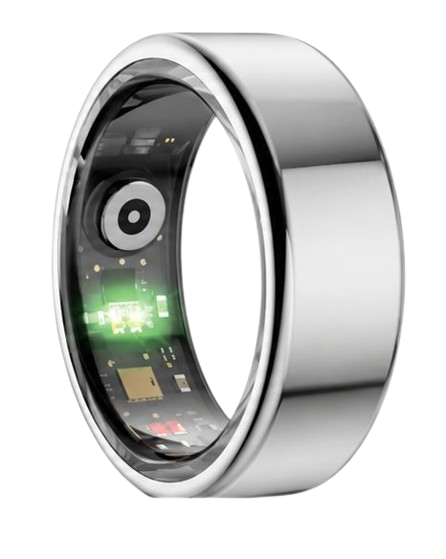
The Herz P1 Smart Ring helps you monitor these positive biological trends.
Ready to monitor your health every day? Explore the Herz P1 Smart Ring and see if it fits your lifestyle. Call: 1-866-479-1629 — our team can help you choose the correct size.
Note: Individual results may vary depending on individual health conditions, age, and lifestyle habits. This article is intended for general health reference purposes only.
