

Do you ever feel confused when your blood sugar readings shoot upward immediately after a grueling workout session? Many health-conscious individuals experience a sudden blood sugar spike after exercise and wonder if they are actually harming their metabolic systems. By tracking your physiological data with the sleek Herz P1 smart ring, you can uncover exactly how intense physical activity, recovery sleep, and stress levels interact to shape your unique glycemic trends.
Built to Last. Save Up to 69% Today.
The Herz P1 Smart Ring tracks HRV, Sleep, Heart Rate & SpO2 around the clock. No subscriptions. No renewals. Ever.
In This Article
- The 5W2H Framework explaining why blood sugar rises after exercise.
- Anaerobic vs. Aerobic Responses and how hormonal cascades trigger sudden glucose spikes.
- Advanced Recovery Strategies to leverage autonomic health and insulin sensitivity.
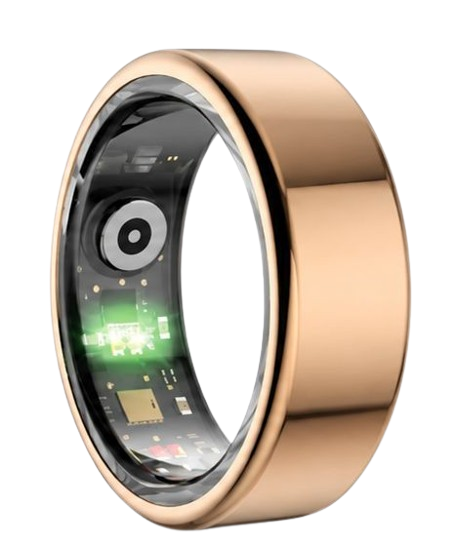
- Common Wearable Mistakes and how the Herz P1 Smart Ring optimizes 24/7 biometric tracking.
Does Blood Sugar Spike After Exercise? Here’s What the Research Says

Understanding an exercise induced glucose spike is essential for anyone aiming to optimize their physiological health.
A temporary increase in blood glucose during or immediately following intense physical exertion is a normal biological adaptation.
This elevation occurs despite the fact that active muscles consume large amounts of glucose for fuel.
It is driven by coordinate liver and hormonal pathways, rather than any acute sign of metabolic failure.
Distinguishing healthy training stress from chronic metabolic dysfunction allows you to program your fitness routines with confidence.
This phenomenon affects both elite athletes and recreational fitness enthusiasts alike.
It is particularly pronounced in individuals performing high-intensity interval training (HIIT) or heavy resistance lifting.
People living with type 1 or type 2 diabetes may notice more significant or prolonged post-workout elevations.
However, healthy individuals will also frequently observe these spikes when monitoring their biometric trends closely.
This glycemic shift typically manifests during the latter half of an intense anaerobic session or within the first 30 minutes of post-workout recovery.
It is especially common during morning workouts when natural cortisol levels are already elevated due to your circadian rhythm.
These temporary spikes usually resolve naturally within one to two hours after your workout ends.
Tracking the timing of these shifts helps you optimize your pre-workout and post-workout nutrition schedules.
This biological change originates in the liver, which serves as the body’s primary glucose storage depot.
Skeletal muscles simultaneously pull glucose from the bloodstream to sustain rapid, powerful cellular contractions.
The hormonal signals that trigger glucose release travel throughout your entire circulatory system.
You can measure these changes using a continuous monitor or analyze the recovery impact on your overnight biometrics.
During high-intensity training, your autonomic nervous system enters a sympathetic, fight-or-flight state.
This shift triggers the rapid release of counterregulatory hormones, including epinephrine, norepinephrine, and cortisol.
If you are wondering does adrenaline raise blood sugar, the answer is a resounding yes.
Adrenaline acts as a powerful chemical messenger that instructs your liver to dump stored glycogen into the bloodstream.
This massive hormonal surge creates a temporary mismatch where glucose production far outpaces muscle glucose uptake.
Therefore, exploring the physiology of adrenaline and blood sugar spikes reveals the direct biological link between acute physical stress and sudden glucose rises.
Your liver converts stored glycogen back into active glucose through a pathway called glycogenolysis.
Simultaneously, the liver manufactures new glucose from non-carbohydrate sources via gluconeogenesis.
These pathways ensure your brain and working muscles have immediate, uninterrupted access to energy during peak physical demands.
Once your heart rate drops and parasympathetic activity resumes, insulin sensitivity increases to clear the excess glucose.
During moderate steady-state exercise, blood glucose usually remains stable or decreases slightly within a narrow physiological range.
However, intense anaerobic sessions can cause blood sugar to rise by 50 to 100 mg/dL above your resting baseline.
Clinical studies indicate that these transient spikes do not raise long-term HbA1c levels in healthy individuals.
Conversely, they contribute to improved long-term insulin sensitivity, mitochondrial density, and muscular endurance.
To master this aspect of your health, you need to understand how your body recovers from these intense training-induced spikes.
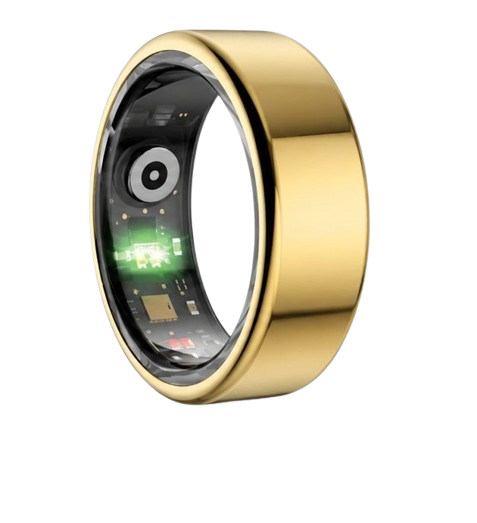
If you want to track this in real time, the Herz P1 Smart Ring monitors your heart rate variability (HRV) and recovery sleep stages 24/7 — explore it here.
90-Day 100% Money-Back Guarantee
“The Herz Smart Ring helps me manage stress easily. It’s accurate, stylish, and lightweight—perfect for my busy life!”
— Jennifer P. | ✔ Verified Customer
- ✓ 6-Day Battery Life
- ✓ Detailed Sleep Analysis
- ✓ Fast 1-Hour Charging
- ✓ iOS & Android Ready
Questions? Call: 1-866-479-1629
Anaerobic vs. Aerobic Workouts: The Divergent Glycemic Responses

Aerobic exercise relies primarily on oxygen to generate cellular energy for sustained, steady-state movement.
Examples of aerobic workouts include brisk walking, moderate cycling, and easy distance swimming.
During these activities, your skeletal muscles consume circulating glucose at a steady and moderate rate.
The liver releases stored glycogen to match this metabolic demand in a highly controlled, proportional manner.
Consequently, your blood sugar levels tend to remain stable or drift slightly downward during aerobic training.
This steady-state clearance makes aerobic exercise an excellent tool for immediate, low-stress glucose management.
In stark contrast, anaerobic exercise involves short, explosive bursts of maximal physical effort.
This category includes heavy weightlifting, sprint intervals, and high-intensity cross-training circuits.
These rapid, forceful movements do not rely on oxygen for immediate energy production.
Instead, they recruit fast-twitch muscle fibers that burn intramuscular glycogen stores at a rapid pace.
This intense, sudden muscular demand triggers a massive sympathetic nervous system response.
Your brain perceives this high-intensity physical exertion as an acute survival threat.
It floods your bloodstream with catecholamines to prepare your cardiovascular and muscular systems for rapid action.
This sudden hormonal cascade causes the liver to release glucose far faster than your muscles can absorb it.
The resulting glucose surplus creates a temporary, sharp elevation in your circulating blood sugar levels.
This dynamic response explains exactly why does blood sugar rise after exercise when you push your physical limits.
Understanding these divergent pathways allows you to design your workouts to match your specific metabolic goals.
Many health-conscious individuals use modern wearable technology to observe these dynamic physiological shifts in real time.
By pairing continuous monitors with glucose smart rings, you can see how different training styles affect your daily glycemic curve.
A heavy squat session might show a rapid glucose climb, while a subsequent slow walk helps bring those levels back down.
If your primary goal is glucose reduction, ending an intense lifting session with a fifteen-minute walk can accelerate active clearance.
This balanced approach ensures you reap the muscular benefits of anaerobic training without experiencing prolonged post-workout hyperglycemia.
The Physiological Mechanisms of Exercise-Induced Gluconeogenesis

To truly understand your body’s response to training, we must analyze the precise roles of the liver and the endocrine system.
The human body relies on a delicate balance of hormones to maintain continuous glycemic control.
Insulin is the primary hormone responsible for lowering blood sugar by moving circulating glucose into your cells.
During exercise, your body suppresses insulin secretion to prevent sudden hypoglycemia during physical exertion.
At the same time, counterregulatory hormones work together to mobilize immediate energy stores.
These hormones include glucagon, epinephrine, growth hormone, and cortisol.
They signal the liver to initiate glycogenolysis, which breaks down stored glycogen into active glucose.
Additionally, the liver begins gluconeogenesis, which is the process of building glucose from non-carbohydrate substrates like lactate.
These continuous metabolic adaptations are fundamental to understanding what is metabolic health.
A flexible metabolic system can transition smoothly between burning carbohydrates and fats based on physical demand.
When you engage in high-intensity training, your body produces large amounts of lactate as a byproduct of anaerobic glycolysis.
The liver efficiently recycles this lactate through the Cori cycle to create fresh glucose.
This elegant recycling program is a key indicator of high-level metabolic fitness.
If you are asking why does my blood sugar go up when i exercise, it is because this recycling system is operating at maximum capacity.
Your liver is proactively supplying your body with the fuel it anticipates you will need to survive the workout.
However, if your body remains in a chronically stressed state, these metabolic pathways can become less efficient.
Elevated cortisol levels from daily work stress can prolong post-workout glucose spikes.
This is where tracking your autonomic nervous system balance becomes invaluable.
By monitoring your heart rate variability (HRV) and sleep quality, you can assess whether your body is recovering fully between workouts.
The Herz P1 Smart Ring offers a seamless way to track these critical recovery metrics without bulky wrist-worn devices.
When your HRV is high, your body is in a parasympathetic state, which supports rapid glucose clearance and muscle repair.
Conversely, a low HRV score indicates lingering sympathetic dominance, which can delay metabolic recovery.
How to Leverage Bio-Data to Master Your Post-Workout Recovery
Managing your post-exercise glucose levels requires a holistic approach to physiological recovery.
The most effective tool for lowering a post-workout spike is active recovery.
Instead of sitting down immediately after an intense session, perform ten to fifteen minutes of low-intensity aerobic activity.
A slow walk or gentle cycling stimulates the non-insulin-dependent glucose transporters in your muscles.
These transporters pull excess glucose out of your bloodstream without requiring your pancreas to produce large amounts of insulin.
This simple habit can dramatically flatten your post-workout glucose curve and ease the transition to a relaxed state.
Nutrition also plays a critical role in stabilizing your daily glycemic patterns.
Consuming a balanced meal of clean protein and complex carbohydrates within two hours of exercise helps replenish muscle glycogen stores safely.
Avoid consuming high-glycemic sugary drinks immediately after a workout unless you are an endurance athlete who has completely depleted their reserves.
These high-sugar drinks can cause a secondary, unwanted glucose spike after exercise.
Instead, focus on whole foods that provide a steady, sustained release of nutrients to your muscles.
Your physical recovery does not end when you leave the gym or finish your post-workout meal.
In fact, the most important phase of metabolic recovery occurs while you sleep.
Deep sleep is the time when your body releases growth hormone to repair damaged tissues and restore metabolic balance.
If you experience poor sleep, you may suffer from overnight-glucose-spikes that leave you feeling exhausted the next morning.
The Herz P1 Smart Ring helps you analyze your sleep architecture with military-grade precision.
By tracking your REM and Deep sleep stages, the Herz P1 app gives you a clear picture of your nightly recovery quality.
You can use this data to adjust your workout intensity on days when your sleep scores are low, avoiding excessive physical strain.
Common Pitfalls in Wearable Tracking and Glucose Management
Many health-conscious individuals make the mistake of wearing heavy, bulky smartwatches to bed to track their recovery.
These large devices can easily shift during the night, leading to inaccurate sensor readings and disrupted sleep.
Furthermore, many popular smartwatches require daily charging, which often forces you to miss out on tracking your sleep entirely.
Another common frustration is the hidden cost of ongoing monthly app subscriptions required by many premium wearables.
These monthly fees can quickly add up, making health tracking an expensive long-term commitment.
The Herz P1 Smart Ring eliminates these pain points entirely.
Crafted from military-grade steel, it is incredibly lightweight and comfortable to wear 24/7.
The sleek, low-profile design ensures a secure fit on your finger for highly accurate sleep stage and HRV measurements.
With a six-day battery life and fast one-hour charging, you rarely have to take it off.
Best of all, the Herz P1 companion app is completely free for lifetime, with absolutely no monthly subscription fees or paywalled metrics.
Let us look at how different workout intensities affect key biometric metrics.
Below is a table comparing typical physical responses across three training levels.
| Workout Intensity | Primary Glycemic Response | Autonomic Recovery Timeline |
|---|---|---|
| Low (Walking, Yoga) | Immediate glucose reduction | Rapid return to parasympathetic state |
| Moderate (Steady Jogging) | Stable or minor decrease | 1 to 2 hours to baseline |
| High (Sprints, Lifting) | Transient spike (exercise induced glucose spike) | 4 to 12 hours depending on sleep quality |
Frequently Asked Questions About the Herz P1 Smart Ring
Is the Herz P1 smart ring waterproof?
Yes, the Herz P1 is fully IP68 waterproof and built to withstand the toughest aquatic environments.
It can be safely submerged in water up to 164 feet deep.
This makes it perfect for swimming, showering, bathing, and intensive workouts where you sweat heavily.
You never have to worry about taking it off when washing your hands or enjoying water sports.
How long does the Herz P1 battery last on a single charge?
The Herz P1 features a long-lasting battery that provides up to 6 days of continuous monitoring.
It tracks your biometrics around the clock without requiring daily recharging.
When the battery does run low, it charges fully in under 1 hour.
This fast charging capability ensures you never miss a minute of critical health data.
Which finger is best to wear the smart ring on for accurate data?
We recommend wearing the Herz P1 on your index, middle, or ring finger.
These fingers have the most accessible blood vessels near the skin surface for optical sensors.
For the highest accuracy, ensure the ring fits snugly but comfortably without rotating easily.
A proper fit guarantees that the high-precision PPG sensors maintain constant skin contact.
Does the Herz P1 store biometric data offline when not connected to a phone?
Yes, the Herz P1 features local storage that can hold up to 7 days of health data offline.
You do not need to keep your smartphone nearby during workouts or while sleeping.
The next time you open the free app, all your stored metrics will sync automatically.
This ensures your historical health trends remain seamless and uninterrupted.
Conclusion
Understanding your glycemic responses and tracking recovery shouldn’t be a luxury.
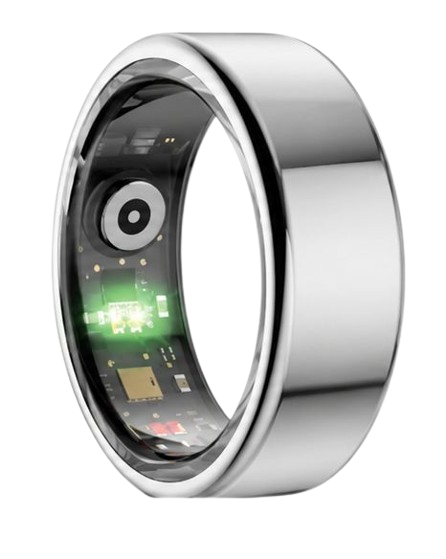
The Herz P1 Smart Ring provides premium, subscription-free tracking to help you unlock your body’s potential.
Ready to monitor your health every day? Explore the Herz P1 Smart Ring and see if it fits your lifestyle. Call: 1-866-479-1629 — our team can help you advise on the correct ring size and set personalized health goals.
Note: Individual results may vary depending on individual health conditions, age, and lifestyle habits. This article is intended for general health reference purposes only.
