

Managing your blood sugar does not mean you must sacrifice delicious meals, especially when you understand how the cauliflower glycemic index can work to your physiological advantage. Our Team Herz P1 is dedicated to decoding complex body metrics and wellness trends, helping you master metabolic health without the anxiety of constant finger pricks or expensive subscriptions. This guide provides actionable dietary hacks and explores how modern biometric wearables help you track metabolic responses around the clock.
Built to Last. Save Up to 69% Today.
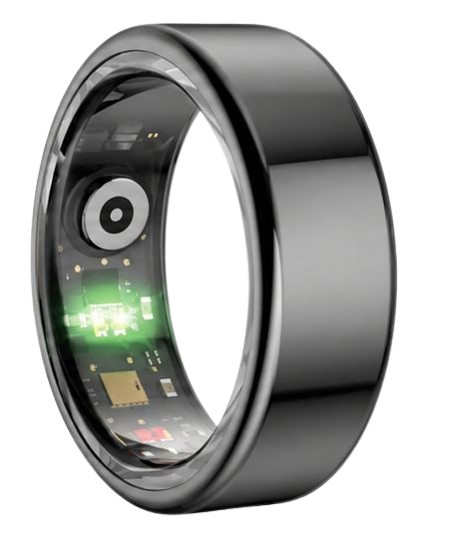
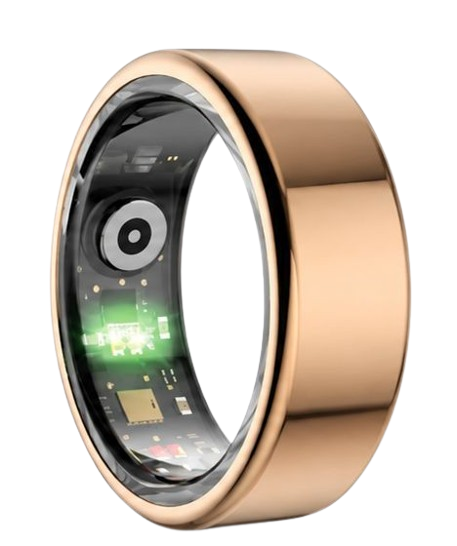
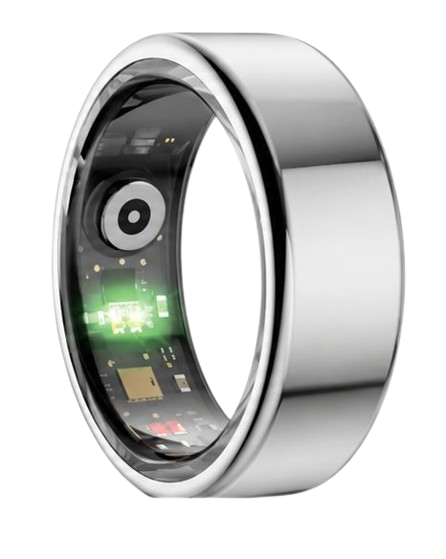
The Herz P1 Smart Ring tracks HRV, Sleep, Heart Rate & SpO2 around the clock. No subscriptions. No renewals. Ever.
In This Article
- Understanding Cauliflower Glycemic Index: Learn why this cruciferous hero keeps blood sugar stable.
- The Science of Vegetable Comparisons: Discover how cauliflower outperforms other common sides.
- White Rice vs. Cauliflower Rice: Real metabolic evidence for proactive diabetics.
- Diabetes-Friendly Culinary Hacks: Easy preparation methods to preserve key nutrients.
- Smart Ring Metric Tracking: How the Herz P1 tracks autonomic responses to diet.
What Is the Glycemic Index of Cauliflower and Does It Spike Blood Sugar?

Understanding the glycemic index of cauliflower is a fundamental step toward mastering your blood sugar levels.
The glycemic index of cauliflower is officially rated at fifteen, which places it in the extremely low category.
This score means that cauliflower has a negligible impact on your circulating blood glucose levels.
In terms of glycemic load, a standard one-cup serving of cauliflower scores only one.
Diabetics, pre-diabetics, and anyone focusing on what is metabolic health can consume this cruciferous vegetable with complete peace of mind.
This low score matters most during meal times when heavy carbohydrates typically trigger dangerous insulin surges.
The primary mechanism occurs inside your digestive tract, where complex dietary fibers slow down enzymatic starch breakdown.
This slow breakdown ensures a steady, gradual release of glucose into your bloodstream rather than a sudden spike.
By replacing high-GI foods with cauliflower, you protect your delicate vascular walls from oxidative stress.
Does cauliflower really support metabolic health?
Many researchers point to its high dietary fiber content as the primary reason.
Dietary fiber acts as a natural buffer in your stomach.
This buffer slows down the absorption of carbohydrates.
This slow absorption is highly beneficial for individuals managing type two diabetes.
When glucose is absorbed slowly, your pancreas does not have to release massive amounts of insulin.
This gentle process prevents insulin resistance from worsening over time.
The American Heart Association highlights the importance of low-glycemic foods for vascular health.
Keeping your blood vessels free from glucose stress reduces your risk of cardiovascular complications.
If you want to track this in real time, the Herz P1 Smart Ring monitors biometric stress markers 24/7 — explore it here.
Clinical observations show that low-glycemic diets significantly reduce systemic metabolic fatigue.
Many individuals remain completely unaware of how their daily food choices impact their overnight recovery metrics.
Consuming high-glycemic dinners often leads to elevated resting heart rates and fragmented sleep patterns.
Our research at Team Herz P1 highlights a clear correlation between balanced meals and improved sleep architecture.
By prioritizing low-GI vegetables, you stabilize your autonomic nervous system before you sleep.
90-Day 100% Money-Back Guarantee
“The Herz Smart Ring helps me manage stress easily. It’s accurate, stylish, and lightweight—perfect for my busy life!”
— Jennifer P. | ✔ Verified Customer
- ✓ 6-Day Battery Life
- ✓ Detailed Sleep Analysis
- ✓ Fast 1-Hour Charging
- ✓ iOS & Android Ready
Questions? Call: 1-866-479-1629
The Science of Cauliflower Glycemic Index vs. Other Vegetables

Examining the cabbage for diabetic diet shows how cruciferous vegetables outperform standard grains.
While grains like oats have a moderate glycemic index, cauliflower maintains a much lower metabolic footprint.
For instance, comparing the cucumber glycemic index with cauliflower reveals both are excellent low-GI options.
However, cauliflower offers unique sulfur-containing compounds called glucosinolates that support hepatic detoxification.
These compounds, particularly sulforaphane, help improve insulin sensitivity at the cellular level.
This active compound helps your muscle cells utilize glucose more efficiently without demanding excess insulin.
Improving your overall metabolic fitness relies heavily on making these smart dietary substitutions.
Unlike traditional high-glycemic starches, cruciferous vegetables do not trigger reactive hypoglycemia.
Reactive hypoglycemia often causes mid-afternoon energy crashes and intense sugar cravings.
This stabilization of energy levels directly reduces physical stress on your cardiovascular system.
A calmer cardiovascular system translates directly to better heart rate variability scores.
The Herz P1 Smart Ring captures these subtle shifts in autonomic balance using medical-grade optical sensors.
Wearing a lightweight smart ring is much more comfortable than wearing a bulky watch during high-stress workdays.
The military-grade steel construction ensures your ring survives daily kitchen prep and intense workouts.
Making the switch to low-GI vegetables is the easiest way to protect your long-term arterial health.
Your blood vessels remain protected from the inflammatory damage caused by chronic glucose spikes.
Unlike high-carb root vegetables, cauliflower contains very few simple sugars.
This makes it an ideal staple for anyone striving to maintain low daily glucose variability.
Many people ask if cauliflower is superior to other green vegetables like broccoli or cabbage.
Both cabbage and cauliflower belong to the same brassica family and share similar health benefits.
However, cauliflower is incredibly versatile as a grain replacement.
It easily mimics the texture of high-glycemic foods like potatoes and white rice.
This versatility makes it much easier to sustain a low-glycemic lifestyle over the long term.
Sustainable lifestyle changes are the true key to reversing metabolic dysfunction.
The National Sleep Foundation notes that stable blood sugar levels promote uninterrupted sleep.
Spikes and crashes in glucose levels can trigger nocturnal awakenings.
These awakenings disrupt your deep sleep and REM sleep cycles.
The Herz P1 Smart Ring monitors these sleep cycles using clinical-grade optical sensors.
You can easily see how your dietary choices affect your sleep architecture.
The ring tracks your light sleep, deep sleep, and REM sleep phases automatically.
This detailed tracking helps you connect your nutrition directly to your morning recovery.
Why Diabetics Should Replace White Rice with Cauliflower Rice

Traditional white rice remains a significant challenge for individuals managing type two diabetes.
White rice possesses a high glycemic index that rapidly raises blood glucose levels after consumption.
Replacing white rice with fresh cauliflower rice is a highly effective dietary intervention.
This simple swap slashes your mealtime carbohydrate intake by over eighty percent.
This carbohydrate reduction prevents the dreaded overnight-glucose-spikes that disrupt deep restorative sleep.
Many diabetics experience silent glucose surges during the night without ever realizing it.
These overnight surges trigger a subtle stress response that elevates your resting heart rate.
You might wake up feeling exhausted even after spending eight full hours in bed.
Using glucose smart rings in combination with a wellness ring allows you to map these patterns.
The Herz P1 Smart Ring tracks your heart rate variability and sleep stages with exceptional precision.
When you eat cauliflower rice instead of grains, you will notice immediate improvements in your sleep metrics.
Your deep sleep phases will naturally lengthen as your body spends less energy managing glucose stress.
Restorative deep sleep is essential for repairing vascular tissues and regulating metabolic hormones.
The high soluble fiber content in cauliflower also nourishes your beneficial gut microbiome.
A healthy microbiome produces short-chain fatty acids that naturally enhance systemic insulin sensitivity.
This dual action makes cauliflower rice an indispensable tool for proactive diabetes management.
Refined grains like white rice strip away the natural fiber that protects your metabolism.
Without fiber, the starch in white rice converts to sugar almost immediately.
This rapid conversion forces your body into a state of metabolic alarm.
Over time, this constant alarm state damages your microscopic blood vessels.
Cauliflower rice preserves all of its natural fiber and essential micronutrients.
It provides your body with potassium, magnesium, and vitamin C.
Potassium and magnesium are essential minerals for maintaining healthy blood pressure levels.
Lowering your carbohydrate load also helps reduce systemic inflammation.
Many diabetics report feeling a significant boost in mental clarity after making this swap.
This mental clarity is a direct result of stable brain glucose levels.
Brain cells are highly sensitive to sudden drops in blood sugar.
Using the Herz P1 Smart Ring, you can track how your daily physical stress levels respond to this dietary change.
The ring measures your heart rate variability every five minutes to calculate your Stress Index.
A lower Stress Index suggests that your body is operating in a relaxed, parasympathetic state.
This relaxed state is the optimal environment for cellular healing and insulin regulation.
Diabetes-Friendly Hacks to Prepare Cauliflower
The way you prepare your cauliflower plays a critical role in preserving its nutritional integrity.
Boiling cauliflower in open water can leach out valuable water-soluble vitamins and minerals.
We recommend roasting or steaming your cauliflower to lock in its potent antioxidants.
Roasting cauliflower with high-quality olive oil adds healthy monounsaturated fats to your meal.
Healthy fats slow down gastric emptying, which further dampens any potential glycemic response.
You can easily create a low-carb mashed cauliflower that rivals traditional mashed potatoes.
Simply blend steamed cauliflower with garlic, grass-fed butter, and a touch of sea salt.
This delicious alternative satisfies your cravings without causing a post-meal energy crash.
Another clever hack is adding grated cauliflower to your morning egg scramble.
This boosts your dietary fiber intake early in the day, promoting prolonged satiety.
Prolonged satiety prevents mid-morning snacking on high-carbohydrate convenience foods.
As you adopt these culinary habits, you can monitor their positive impact on the Herz P1 App.
Look closely at your overnight resting heart rate and your morning heart rate variability scores.
A lower overnight resting heart rate indicates that your cardiovascular system is resting deeply.
Higher HRV scores demonstrate that your autonomic nervous system is highly resilient to daily stressors.
The Herz P1 Smart Ring is designed for comfortable twenty-four-seven wear, so you never miss a beat.
Unlike heavy smartwatches, this sleek ring will not irritate your skin or disrupt your sleep.
You can also try making a low-glycemic pizza crust using riced cauliflower.
Combine riced cauliflower with egg and a small amount of low-moisture mozzarella cheese.
Bake the crust until it is golden brown and crispy before adding your favorite toppings.
This simple hack allows you to enjoy pizza night without any metabolic guilt.
Another great option is to incorporate cauliflower into your favorite soups and stews.
It absorbs the savory flavors of your broth while adding a rich, creamy texture.
Using a food processor is the quickest way to turn raw cauliflower into rice.
You can also purchase pre-riced cauliflower in the frozen section of your local grocery store.
Always check the packaging to ensure there are no added sugars or high-sodium preservatives.
As you experiment with these delicious hacks, let your wearable technology guide you.
The Herz P1 Smart Ring collects continuous biometric data without requiring any manual entry.
You do not have to log your meals or guess how your body is responding.
Simply open the app each morning to review your personalized daily health scores.
Your Sleep Score and Recovery Score will reflect the positive changes you are making.
Over time, you will see a clear upward trend in your overall metabolic resilience.
Common Pitfalls of Tracking Blood Sugar and Diet Trends
Many people make the mistake of relying on heavy, bulky smartwatches to track their overnight health.
These large devices often shift during the night, leading to inaccurate optical sensor readings.
The physical discomfort of a thick watch strap can also lighten your sleep depth.
Furthermore, smartwatches require frequent charging, which often leads to missing data at night.
If your device is sitting on a charger, it cannot monitor critical overnight glucose-related recovery metrics.
Another common pitfall is falling for hidden subscription fees in the wearable market.
Some premium brands charge ongoing monthly fees just to let you access your own biometric data.
We believe that your health data should belong to you without any artificial paywalls.
The Herz P1 App is completely free for lifetime, with absolutely no monthly subscriptions required.
The smart ring charges in under one hour and provides up to six days of continuous battery life.
This reliable performance ensures you capture complete, uninterrupted trends of your metabolic recovery.
Avoid the trap of obsessing over daily fluctuations instead of looking at long-term weekly trends.
Your body is a complex system that responds gradually to dietary and lifestyle changes.
Focus on small, sustainable food swaps like integrating more low-GI cauliflower into your weekly routine.
Let the Herz P1 Smart Ring quietly gather the data while you focus on living a vibrant life.
Another common mistake is wearing a device that is too loose on your finger.
If a wearable device slips, the optical sensors cannot maintain contact with your skin.
This can lead to missing heart rate variability and blood oxygen saturation data.
The Herz P1 Smart Ring solves this problem by providing a complimentary sizing kit.
This kit helps you find the perfect snug fit for twenty-four-seven monitoring.
You should wear the sizing ring for a full day to account for natural finger swelling.
Fingers naturally swell during sleep and warm weather.
A properly fitted ring will remain secure and comfortable throughout the entire night.
Additionally, some users neglect to update their device’s firmware regularly.
Regular updates ensure that your sensors are running the latest biometric algorithms.
The Herz P1 App provides seamless, one-tap wireless updates at no cost.
This ensures your ring is always tracking your health with the highest possible accuracy.
By avoiding these common tracking mistakes, you unlock the full potential of your health data.
Herz P1 vs. Competitors: Why Choose a Subscription-Free Smart Ring
Finding a device that tracks metabolic recovery without breaking the bank is essential.
The following table illustrates how the Herz P1 Smart Ring compares directly with other wearable formats.
| Metric / Feature | Herz P1 Smart Ring | Typical Smartwatch | Standard Subscription Rings |
|---|---|---|---|
| Monthly App Fee | $0 (Free App Forever) | $0 | $5.99 to $9.99 / month |
| Waterproof Rating | IP68 (Up to 164 Feet) | IP67 / IP68 | IP68 |
| Battery Life | 6 Days (1-Hour Charge) | 1 to 2 Days | 5 to 7 Days |
| Warranty Period | 2 Years Included | 1 Year | 1 Year |
As the table demonstrates, the Herz P1 offers premium clinical-grade monitoring with none of the typical ongoing fees.
You get a highly durable health companion that stays secure on your finger day and night.
Frequently Asked Questions
Is the Herz P1 Smart Ring waterproof?
Yes, the Herz P1 Smart Ring features a robust IP68 waterproof rating.
It is completely safe for swimming in pools or open water up to fifty meters deep.
You can wear it in the shower, the bath, or during vigorous handwashing.
The durable military-grade steel construction protects the delicate internal sensors from water damage.
You never have to take it off, allowing for true continuous health tracking.
How long does the battery last on the Herz P1?
The smart ring provides up to six days of battery life on a single charge.
It fully charges in under one hour using the included magnetic charging dock.
This long battery life means you can track your sleep and active recovery without interruption.
You do not have to worry about charging your device every single night.
The app will send you a gentle notification when the battery falls below twenty percent.
Which finger is the best choice to wear the smart ring on?
The index, middle, or ring finger of your non-dominant hand is the ideal choice.
These fingers have larger blood vessels, which improves the accuracy of the optical sensors.
The ring should fit snugly but comfortably without rotating too easily.
We provide a free sizing kit with every order to help you find your perfect fit.
Wearing the correct size ensures that the sensor bumps stay in contact with your skin.
Does the Herz P1 Smart Ring store biometric data offline?
Yes, the smart ring can store up to seven days of biometric data offline.
You do not need to keep your smartphone connected via Bluetooth at all times.
The ring will securely save your heart rate, sleep stages, and oxygen levels.
Once you open the companion app, the data will sync automatically in seconds.
This offline storage is perfect for tracking your sleep during device-free nights.
Conclusion
Empowering your metabolic health starts with small decisions like enjoying low-glycemic cauliflower. Let the Herz P1 Smart Ring track your progress comfortably without monthly fees. Ready to monitor your health every day? Explore the Herz P1 Smart Ring. Call: **1-866-479-1629** — our team can advise on sizing and personalized health goals.
Note: Individual results may vary depending on individual health conditions, age, and lifestyle habits. This article is intended for general health reference purposes only.
