

Managing your dietary health requires understanding how local favorites impact your system, starting with the exact count of dosa carbohydrates and how they affect your metabolic trends. At Herz P1, we empower you to decode these nutritional impacts by tracking your body’s subtle real-time physiological responses to help you conquer daily stress, master sleep quality, and make data-backed lifestyle choices every single day.
Built to Last. Save Up to 69% Today.
The Herz P1 Smart Ring tracks HRV, Sleep, Heart Rate & SpO2 around the clock. No subscriptions. No renewals. Ever.
In This Article
- Understand how dosa carbohydrates digest and why they impact blood glucose levels.
- Analyze the traditional dosa glycemic index and compare it to healthier alternatives.
- Discover practical portion control hacks and smart ingredient swaps for diabetic diets.
- Learn how to use biometric trackers like the Herz P1 Smart Ring to monitor systemic stress.
How Do Dosa Carbohydrates and the Glycemic Index Affect Diabetes Management?

Traditional dosa is a thin, fermented crepe made from a batter of white rice and black gram lentils.
While it is a staple of South Indian cuisine, its heavy reliance on rice makes it a dense source of carbohydrates.
For individuals managing diabetes, understanding the load of dosa carbohydrates is critical for daily blood sugar stability.
Anyone tracking what is metabolic health must examine how these starches affect their long-term insulin sensitivity.
The physical breakdown of these carbohydrates begins immediately in your mouth through salivary amylase.
Once the food reaches your small intestine, it is rapidly converted into simple glucose molecules.
This rapid digestion can cause immediate post-meal blood sugar spikes if left unchecked.
If you consume a large carbohydrate meal late at night, your body struggles to clear the excess glucose.
This metabolic delay can trigger severe overnight-glucose-spikes that disrupt your restorative sleep stages.
The liver acts as a primary buffer, converting excess glucose into glycogen for temporary storage.
However, when glycogen stores are saturated, the liver converts glucose into triglycerides, leading to systemic fat accumulation.
This physiological pathway explains why excess refined starches contribute directly to insulin resistance.
The high percentage of polished parboiled rice in traditional batter is the primary driver of this metabolic stress.
Polished rice has had its fibrous bran and germ layers removed, leaving behind highly bioavailable amylopectin starch.
Amylopectin features a highly branched structure that digestive enzymes easily dismantle.
The natural fermentation process does offer some metabolic benefits by producing beneficial organic acids.
Lactic and acetic acids lower the pH of the batter, which helps to slow down gastric emptying.
This delay slightly blunts the rate at which glucose enters your bloodstream.
Despite this natural buffer, the absolute carbohydrate load remains incredibly high.
A single plain dosa contains about 29 grams of rapid-acting carbohydrates, which is comparable to white bread.
This high carbohydrate density gives the traditional dosa glycemic index a rating between 60 and 77.
This score places traditional rice-based dosas in the moderate-to-high glycemic category.
To understand this impact, you can compare it to the croissant glycemic index to see how different refined carbs perform.
You can also read our detailed analysis of pasta-glycemic-index-blood-sugar curves to understand complex starches.
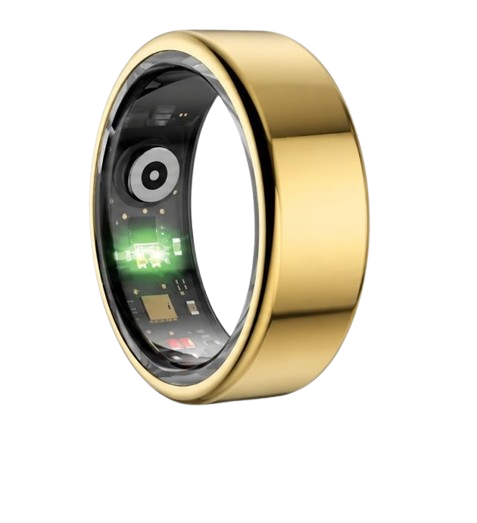
If you want to track your body’s recovery and metabolic stress in real time, the Herz P1 Smart Ring offers continuous monitoring — explore it here.

90-Day 100% Money-Back Guarantee
“The Herz Smart Ring helps me manage stress easily. It’s accurate, stylish, and lightweight—perfect for my busy life!”
— Jennifer P. | ✔ Verified Customer
- ✓ 6-Day Battery Life
- ✓ Detailed Sleep Analysis
- ✓ Fast 1-Hour Charging
- ✓ iOS & Android Ready
Questions? Call: 1-866-479-1629
Decoding the Dosa GI Index: How Fermentation and Ingredients Alter Blood Sugar

The Role of White Rice in the Traditional Dosa GI Index
Polished white rice is the primary ingredient that determines the traditional dosa gi index.
Because the fibrous bran is removed, the remaining starch consists of quick-digesting amylopectin.
This starch structure is highly soluble and easily broken down by your body’s digestive juices.
For diabetic individuals, this rapid digestion leads to a sharp rise in systemic blood sugar.
The pancreas must immediately respond by secreting large quantities of insulin.
If you suffer from insulin resistance, your cells cannot easily absorb this glucose.
As a result, sugar levels remain elevated in your bloodstream for several hours.
This prolonged elevation can damage blood vessels and increase systemic oxidative stress.
It also forces the autonomic nervous system into a sympathetic, high-stress state.
Tracking these downstream cardiovascular stress patterns is vital for maintaining metabolic health.
How the Fermentation Process Modulates Carbohydrate Absorption
Fermentation is an ancient biochemical process that improves food digestibility.
During fermentation, wild yeasts and lactic acid bacteria break down some complex starches.
They convert these simple sugars into beneficial organic acids, mainly lactic acid.
This chemical reaction lowers the pH of the batter, giving it a slightly sour flavor profile.
An acidic food environment is highly beneficial because it naturally delays gastric emptying.
This delay slows down the rate at which carbohydrates move into the small intestine.
Consequently, the absorption of the remaining glycemic index of dosa starches is slightly delayed.
Fermentation also reduces phytic acid, which can inhibit the absorption of essential minerals.
However, you must remember that fermentation does not magically erase the massive starch load.
The overall glycemic impact remains significant, meaning fermentation is not a complete solution for blood sugar control.
You must still apply portion control strategies to protect your cardiovascular system from glucose stress.
Comparing the Glycemic Index of Dosa Variants to Standard Breakfasts
To make truly informed dietary decisions, you should compare different breakfast options.
A standard white rice dosa features a moderate-to-high glycemic index of approximately 77.
This is nearly identical to white sandwich bread, which sits at an average index of 75.
It is slightly lower than a plain croissant, which you can analyze in our croissant glycemic index guide.
If you look at alternative breakfast crepes, you will see a dramatic drop in glycemic load.
An oats-based dosa features a highly favorable glycemic index of approximately 55.
A dosa prepared with finger millet, or ragi, averages a glycemic index of 60.
A green moong dal Pesarattu features an exceptionally low glycemic index of only 45.
These numbers prove that your choice of raw ingredients is the most powerful tool for glycemic control.
Choosing low-glycemic variants allows you to protect your pancreas from severe daily stress.
It is an essential strategy for anyone aiming to improve their overall metabolic fitness.
Is Dosa Good for Diabetics? Medical Guidelines and Portion Control Rules
Portion Control Strategies for High-Carbohydrate South Indian Meals
When diabetic patients ask, ‘is dosa good for diabetics‘, the answer requires careful nuance.
A large, restaurant-style plain dosa is typically not suitable for a diabetic meal plan.
These oversized crepes can easily deliver over 50 grams of fast-acting carbohydrates.
Consuming this volume of starch causes an immediate and severe postprandial glucose spike.
However, you do not need to eliminate this cultural staple from your diet completely.
The key is to make smaller, homemade dosas that are about six inches in diameter.
Limit your portion to one or two small crepes per meal to control your carbohydrate intake.
This disciplined portion management prevents your insulin receptors from becoming completely overwhelmed.
It is a simple and highly effective way to keep your daily glucose curve relatively flat.
Smart Sambar and Chutney Pairings to Blunt Insulin Spikes
The side dishes you choose can completely transform how your body digests dosa carbohydrates.
Traditional coconut chutney is rich in medium-chain triglycerides, which are healthy fats.
Fats naturally slow down digestion, which helps to delay glucose entry into the blood.
However, you must consume coconut chutney in moderation to avoid excess caloric intake.
Sambar is a highly recommended pairing because it is loaded with dietary fiber and plant proteins.
Sambar contains high amounts of soluble fiber from vegetables like drumsticks and okra.
Drinking a small bowl of hot, high-fiber sambar before eating your dosa is an excellent biological hack.
The fiber and protein coat your stomach lining, slowing the digestion of the starches that follow.
Avoid eating sweetened tomato chutneys or high-sodium pickles with your meal.
These poor choices will only exacerbate arterial stress and cause postprandial inflammation.
Low-Glycemic Alternatives: Oats Dosa, Ragi Dosa, and Moong Dal Pesarattu
Transitioning to low-glycemic dosa alternatives is highly beneficial for diabetic management.
Oats dosa is rich in beta-glucan, which is a highly beneficial soluble fiber.
This fiber forms a viscous gel in your gut, slowing down the enzymatic breakdown of starch.
Ragi dosa utilizes finger millet, which is exceptionally high in calcium and dietary fiber.
Ragi starch is digested much more slowly, providing a steady, long-lasting release of energy.
Moong dal Pesarattu is made from green gram, offering a high-protein, low-glycemic option.
This traditional crepe has a glycemic index of only 45, making it highly diabetic-friendly.
You can also look into other low-glycemic grain alternatives like is lo mein healthy options to diversify your plate.
Swapping refined rice for these wholesome alternatives protects your vascular system from damage.
It is a highly practical way to take control of your metabolic health without feeling dietary deprivation.
Tracking Your Body’s Metabolic Response to Dosa with Biometric Data
Using biometric data to optimize your diet is a highly effective wellness strategy.
While a smart ring does not measure blood glucose directly, it monitors key markers of metabolic stress.
When you experience a massive blood sugar spike, your autonomic nervous system reacts immediately.
Your sympathetic nervous system activates, causing a subtle rise in your resting heart rate.
At the same time, your heart rate variability (HRV) typically experiences a drop.
By wearing the Herz P1 Smart Ring 24/7, you can easily observe these overnight trends.
If you consume a high-carbohydrate rice dosa for dinner, analyze your sleep data the next morning.
You will likely notice a delayed heart rate drop and reduced deep sleep percentages.
This recovery deficit occurs because your body was working overnight to manage metabolic stress.
To optimize your wellness, try eating a low-glycemic ragi or oats dosa for dinner instead.
Compare your morning recovery scores to the nights when you ate traditional white rice dosa.
You will see a measurable improvement in your sleep architecture and resting heart rate.
The Herz P1 App displays these trends in clear, intuitive, subscription-free dashboards.
Our ultra-lightweight, military-grade steel ring is incredibly comfortable to wear all night.
Unlike bulky smartwatches, you will barely feel it on your finger as you sleep.
This comfort ensures you collect continuous, highly accurate biometric data every single day.
Avoiding Common Mistakes in Smart Ring Tracking and Dietary Management
A very common mistake is wearing a bulky, heavy smartwatch to bed.
These oversized devices are highly uncomfortable and frequently disrupt sleep.
Users often remove them at night, missing crucial sleep staging and cardiovascular metrics.
A sleek smart ring solves this problem by offering a weightless, ergonomic form factor.
Another major pitfall is choosing a tracking brand that requires expensive monthly subscriptions.
Some competitors lock your personalized data behind a continuous monthly paywall.
This recurring cost can become a significant financial burden over time.
At Herz P1, we believe your health data belongs to you.
Our companion app is completely free for a lifetime with zero subscription fees.
You pay once for the premium hardware and enjoy unrestricted access to all data forever.
This transparent pricing model makes professional-grade health tracking highly accessible.
Frequently Asked Questions About Dosa, Diabetes, and Smart Ring Tracking
Is Herz P1 waterproof?
Yes, the Herz P1 is fully IP68 waterproof.
It is certified for continuous submersion in water up to 164 feet.
You can wear it safely while swimming, showering, or washing your hands.
How long does the battery last?
The battery lasts up to 6 days on a single charge.
It charges extremely quickly, reaching 100% in under 1 hour.
This long battery life eliminates the need for daily charging hassle.
Which finger is best to wear it on?
The index finger of either hand is the recommended option for optimal sensor contact.
You can also wear it on your middle or ring finger if that feels more comfortable.
Ensure a snug fit to maintain high accuracy for all biometric sensors.
Does it store data offline?
Yes, the Herz P1 has built-in local storage that holds up to 7 days of data.
Your health metrics will sync automatically once the ring reconnects to your smartphone.
This ensures you never lose valuable tracking data during travel or offline periods.
Is dosa safe for a diabetic to eat every day?
Traditional white rice dosa is not recommended for daily consumption if you have diabetes.
The high carbohydrate load can cause chronic blood sugar elevation.
However, low-glycemic alternatives like oats or ragi dosa are safe for regular meals.
How does sleep quality affect insulin resistance?
Poor sleep architecture directly impairs your body’s ability to process glucose.
A single night of sleep deprivation can increase acute insulin resistance by up to thirty percent.
Tracking your sleep with a smart ring helps you optimize rest and support metabolic health.

Conclusion: Make Data-Driven Dietary Choices
Managing your carbohydrate intake is vital for long-term health. The Herz P1 Smart Ring is your ultimate companion to track systemic recovery and metabolic stress without monthly fees. Ready to monitor your health every day? Explore the Herz P1 Smart Ring and see if it fits your lifestyle. Call: **1-866-479-1629** — our team can advise on sizing and goals.
