

Scientific data indicates that up to 936 million adults globally suffer from mild to severe sleep-disordered breathing, often leaving them chronically exhausted. Finding an accurate smart ring sleep apnea monitoring solution is essential for tracking nightly blood oxygen desaturations. The Herz P1 smart ring provides 24/7 blood oxygen saturation (SpO2) and sleep stage tracking, offering key personal insights to help you identify breathing issues early.
Built to Last. Save Up to 69% Today.
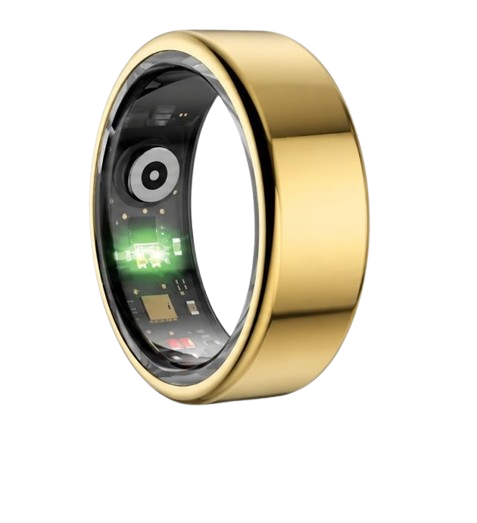
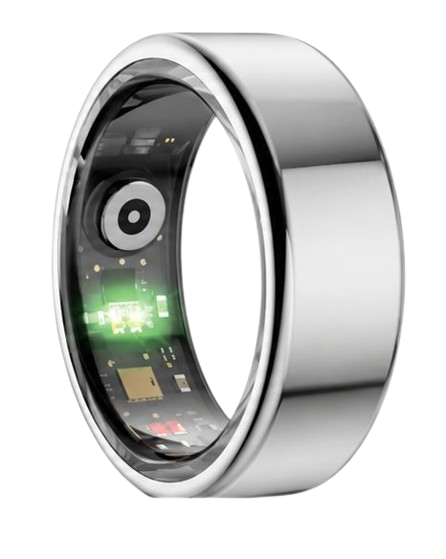
The Herz P1 Smart Ring tracks HRV, Sleep, Heart Rate & SpO2 around the clock. No subscriptions. No renewals. Ever.
In This Article
- Understanding Sleep Apnea: Learn how blood oxygen levels drop during breathing pauses.
- Optical Sensor Technology: Explore how photoplethysmography (PPG) tracks biometrics through the skin.
- Advanced Sleep Analysis: Discover how sleep stages interact with cardiovascular wellness.
- Real-World Application: Get practical tips on monitoring heart rate variability and breathing.
- Sizing and Usage Guides: Master device placement to ensure highly accurate overnight readings.
Why Oxygen Tracking Matters for Overnight Breathing Stability
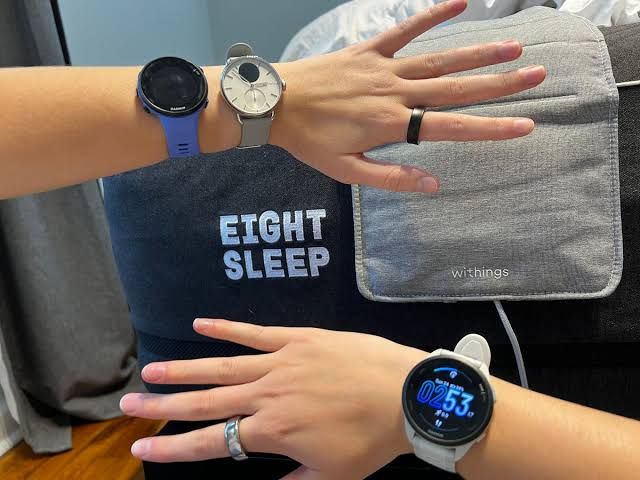
Your body relies on a constant, uninterrupted supply of oxygen to function during the night.
When breathing is interrupted, your blood oxygen saturation (SpO2) levels can drop rapidly.
These sudden drops are known as oxygen desaturations.
They put immense stress on your cardiovascular system.
Over time, chronic oxygen desaturation can lead to daytime fatigue, high blood pressure, and increased cardiac risks.
Monitoring these trends is the first step toward reclaiming your vitality.
A high-quality smart ring for sleep apnea acts as an early warning system.
It tracks SpO2 levels continuously while you rest.
This allows you to see exactly how your body behaves during every phase of sleep.
By using the Herz P1 smart ring, you can access these measurements without wearing a bulky facial mask or a tight wrist strap.
The ring sits comfortably on your finger and samples your blood flow hundreds of times each minute.
It provides a clear picture of your nightly breathing patterns.
If your oxygen levels drop below the normal 95% threshold, the companion app logs the exact time and duration.
This detailed data empowers you to have productive conversations with your physician.
You do not have to guess why you wake up feeling tired anymore.
The numbers speak for themselves, offering clarity and peace of mind.
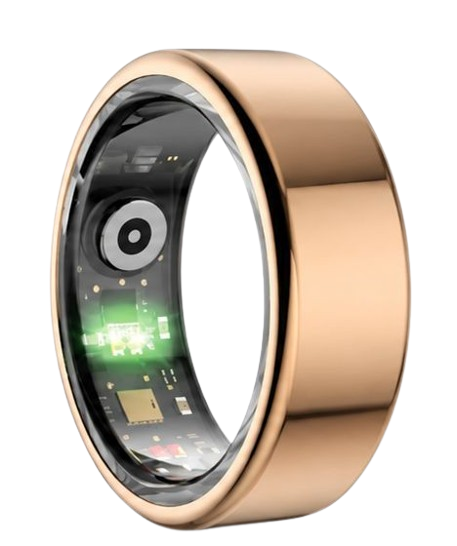
90-Day 100% Money-Back Guarantee
“The Herz Smart Ring helps me manage stress easily. It’s accurate, stylish, and lightweight—perfect for my busy life!”
— Jennifer P. | ✔ Verified Customer
- ✓ 6-Day Battery Life
- ✓ Detailed Sleep Analysis
- ✓ Fast 1-Hour Charging
- ✓ iOS & Android Ready
Questions? Call: 1-866-479-1629
How Modern Wearables Detect Sleeping Respiratory Disturbances

The technology behind a modern sleep apnea monitor is both elegant and complex.
At its core is a process called photoplethysmography, or PPG.
The ring shines specialized light beams through the thin skin of your finger.
The blood vessels in your finger absorb and reflect this light with every heartbeat.
By measuring the reflected light, the ring calculates your heart rate and oxygen levels.
This process is entirely non-invasive and safe for continuous use.
According to research from the National Sleep Foundation, tracking these biometrics at the finger is highly reliable.
This is because the arteries in your fingers are closer to the skin surface than those in your wrist.
This makes a smart ring inherently more accurate than a smartwatch for tracking rapid changes in oxygen.
When you stop breathing during sleep, your blood oxygen drops, and your heart rate often spikes as your body struggles to wake you up.
The Herz P1 captures these paired events in real time.
Its sensors use both red and infrared light wavelengths to measure the precise ratio of oxygenated hemoglobin.
This dual-light system ensures that minor movements do not distort your readings.
Our team at Herz P1 has calibrated these sensors to meet rigorous standards, keeping the margin of error under 2%.
The ring works silently in the background, allowing you to rest naturally without distractions.
You can wake up to a complete map of your cardiovascular responses.
This structured insight lets you spot patterns that would otherwise remain hidden.
It is like having a personal sleep lab resting on your finger every single night.
Analyzing Sleep Stages: REM, Deep, and Oxygen Saturation
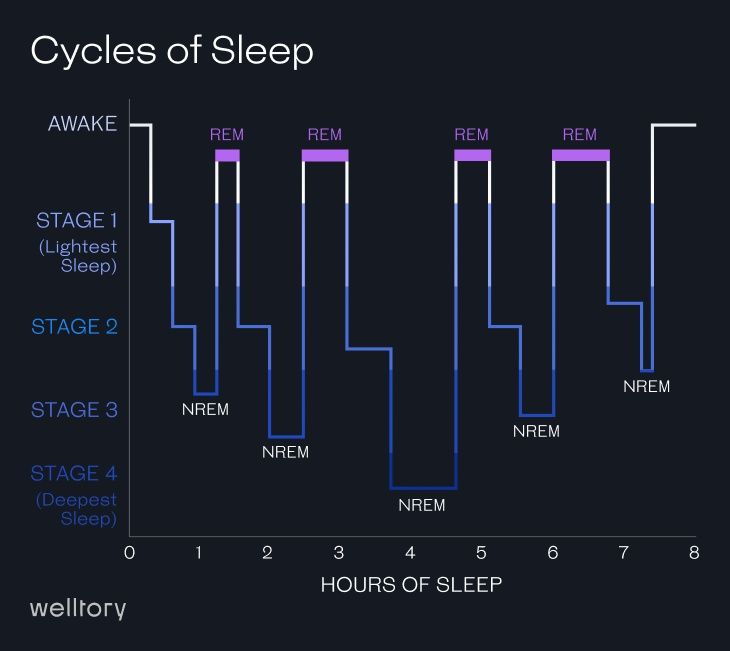
A complete sleep cycle consists of several distinct stages, including light sleep, deep sleep, and REM sleep.
Each stage plays a vital role in physical recovery and mental consolidation.
During deep sleep, your body repairs tissues and strengthens your immune system.
During REM sleep, your brain processes memories and emotions.
Breathing disturbances can occur in any stage, but they are often most severe during REM sleep.
This is because your muscles relax completely during REM, making your airway more prone to collapse.
Using the best-sleep-apnea-ring-monitor helps you see exactly which sleep stages are being disrupted by breathing pauses.
If you experience frequent drops in oxygen during REM sleep, your brain will wake you up briefly to restore breathing.
You might not remember these micro-awakenings, but they ruin your sleep quality.
They prevent you from staying in deep or REM sleep long enough to feel rested.
The American Heart Association has highlighted that these repeated disruptions can stress your cardiovascular system.
The Herz P1 tracks your heart rate variability (HRV) alongside your oxygen levels to identify these shifts.
A sudden drop in HRV during sleep often indicates a stress response triggered by a lack of oxygen.
By correlation of these metrics, the Herz P1 App provides a comprehensive Sleep Score.
This score reflects not just how long you slept, but how restorative your sleep truly was.
With this information, you can understand why you feel exhausted even after spending eight hours in bed.
It helps you connect your physical feelings with concrete physiological data.
You can finally see the invisible barriers that are holding back your energy levels.
How to Optimize Your Sleep Environment and Read Your Herz P1 Data
Tracking your data is only the first step; taking action based on those insights is what creates lasting change.
When you open the Herz P1 App in the morning, look at your overnight SpO2 graph first.
A healthy graph should look like a stable, flat line hovering between 95% and 100%.
If you see sharp, downward spikes that drop below 90%, these represent significant oxygen desaturations.
Note how often these spikes occur and whether they align with days you feel particularly sluggish.
You can use this baseline to test different sleep positions and lifestyle habits.
For example, many people experience fewer breathing pauses when sleeping on their side rather than their back.
Try sleeping on your side for a week and monitor the change in your SpO2 graph.
You might see a dramatic reduction in those overnight oxygen drops.
Using best-wearables-for-sleep-apnea-tracking makes it easy to run these personal health experiments.
You can also track how late-night meals or alcohol consumption affect your breathing stability.
Alcohol relaxes the throat muscles, which often leads to more frequent airway blockages.
The Herz P1 will show you the direct impact of that evening glass of wine on your sleep architecture.
The lightweight design of the Herz P1 ensures you can wear it every night without irritation.
It is far more comfortable than a smartwatch, which can feel heavy and sweaty during the night.
Consistent wear allows the app to build a highly accurate baseline of your health metrics.
This long-term trend data is incredibly useful for spotting gradual improvements in your wellness.
Sizing Pitfalls and the Hidden Cost of Wearable Subscriptions
When choosing a smart ring, many users fall into common traps that compromise their experience.
The first major pitfall is choosing the wrong ring size.
A smart ring must fit snugly to ensure the optical sensors remain in contact with your skin.
If the ring is too loose, it will rotate, causing gaps in your overnight data tracking.
If the ring is too tight, it will restrict blood flow and feel uncomfortable as your fingers naturally swell at night.
We recommend using our sizing kit to find the perfect fit before finalizing your order.
Wear the sample ring for at least 24 hours to see how it feels during different daily activities.
Another common mistake is overlooking the ongoing costs of wearable technology.
Many popular brands require a monthly subscription to access your own health data.
They lock your sleep scores, HRV trends, and oxygen logs behind a paywall.
This means you must pay a recurring fee forever just to use the device you already bought.
We believe your personal health data should belong to you, completely free of charge.
The Herz P1 App is free for a lifetime, with no hidden fees or monthly subscriptions required.
When looking for the best-sleep-apnea-trackers, always calculate the total cost over three years.
A subscription-free model like the Herz P1 will save you hundreds of dollars over time.
You get premium, military-grade hardware and full data access with a single, transparent purchase.
Frequently Asked Questions About Sleep and Oxygen Monitoring
Is the Herz P1 waterproof and safe for daily wear?
Yes, the Herz P1 features an IP68 waterproof rating, meaning it is completely dust-tight and water-resistant.
You can wear it while washing your hands, taking a shower, swimming, or even doing dishes without worry.
Its military-grade steel exterior protects the delicate internal sensors from water damage and everyday scratches.
This robust build makes it the perfect companion for an active lifestyle, both day and night.
How long does the battery last on a single charge?
The Herz P1 battery is engineered to last up to 6 days on a single charge under normal usage conditions.
It charges rapidly, going from 0% to 100% in under one hour using the included magnetic charging dock.
This long battery life means you do not have to worry about charging it every night, unlike most smartwatches.
You can collect continuous, uninterrupted sleep data for almost a full week before needing a quick top-off.
Which finger is best to wear the smart ring on?
For the most accurate biometric readings, we recommend wearing the Herz P1 on your index, middle, or ring finger.
The index finger generally has the strongest blood flow, which helps the optical sensors gather the cleanest data.
Make sure the sensor bumps on the inside of the ring are positioned against the palm side of your hand.
This orientation ensures the red and infrared lights can scan your blood vessels effectively.
Does the ring store my biometric data offline?
Yes, the Herz P1 can store up to 7 days of detailed health data locally on the ring itself.
You do not need to keep your smartphone next to your bed or leave your Bluetooth on all night.
When you wake up, simply open the companion app, and the ring will sync your overnight data automatically.
This offline storage feature protects your data and saves your phone’s battery life.
It makes tracking your health simple, secure, and incredibly convenient.
You can even use it as a reliable oxygen monitor ring when traveling in areas without internet access.
Conclusion
Your journey to better sleep and improved daily energy begins with understanding your body’s vital signals.
The Herz P1 Smart Ring provides the reliable tracking and subscription-free freedom you need to succeed.
Ready to monitor your health every day? Explore the Herz P1 Smart Ring and see if it fits your lifestyle. Call: 1-866-479-1629 — our team can help you advise on the correct ring size and set personalized health goals.
Note: Individual results may vary depending on individual health conditions, age, and lifestyle habits. This article is intended for general health reference purposes only.
