

If you consistently ask yourself why do i wake up at 3am, you are definitely not alone in this frustrating nightly pattern. Our team at Herz P1 has analyzed extensive biometric sleep data to understand these middle-of-the-night awakenings. This guide explores the exact physiological triggers behind your disrupted rest and provides actionable steps to fix your sleep schedule today.
Built to Last. Save Up to 69% Today.
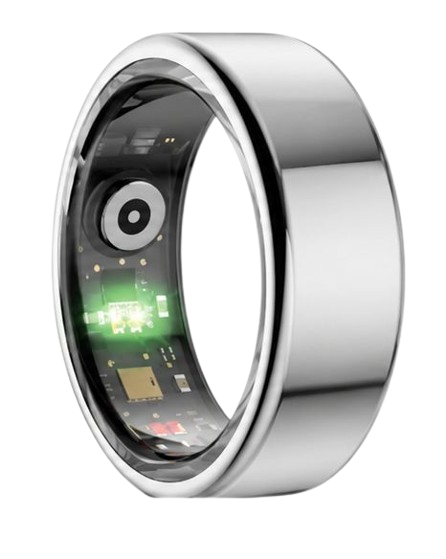
The Herz P1 Smart Ring tracks HRV, Sleep, Heart Rate & SpO2 around the clock. No subscriptions. No renewals. Ever.
In This Article
- The 5W2H Science of 3 AM Awakenings: Why your body acts like it has an internal alarm clock in the middle of the night.
- The Cortisol and Circadian Connection: How metabolic patterns and daily stress alter your overnight chemistry.
- Sleep Architecture and Staging: Understanding deep sleep, light sleep, and how micro-arousals disrupt recovery.
- Actionable Reset Strategies: Real steps to reprogram your circadian rhythm using sleep protocols and biometric data.
- Smarter Wearable Tracking: Why smart rings offer a superior, subscription-free alternative to bulky wrist devices.
Why Do I Wake Up at 3 AM? Here’s What the Research Says
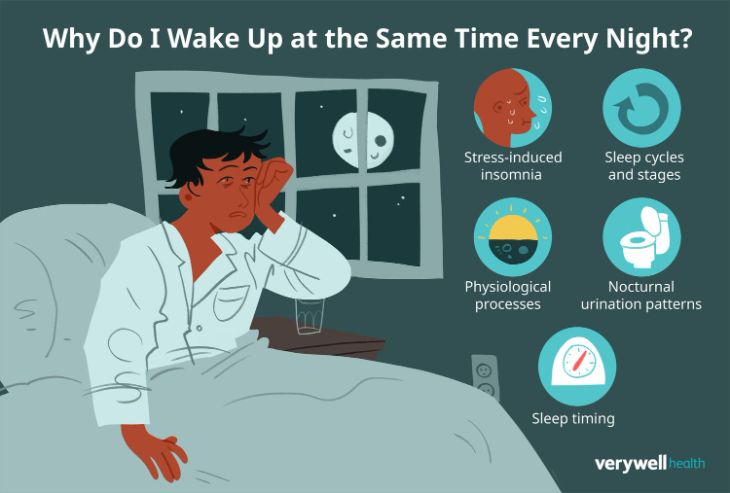
Waking up in the middle of the night can feel incredibly frustrating and exhausting.
If you find yourself asking why do i keep waking up at 3am, there is a clear physiological reason behind it.
This phenomenon is often linked to shifts in your autonomic nervous system.
According to the National Sleep Foundation, waking up briefly during the night is actually a normal part of human sleep architecture.
However, when you experience a full 3am wake up every night, it indicates that your body is struggling to transition smoothly between sleep cycles.
Let us look closely at what is happening to your body during this specific window.
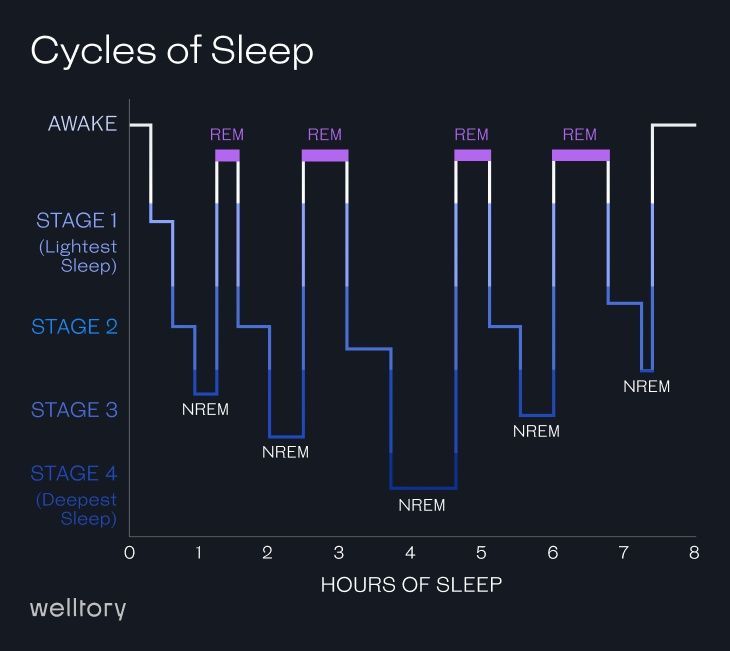
Your brain naturally cycles through light, deep, and rapid eye movement (REM) sleep every 90 to 110 minutes.
Around 3 AM, most people have already completed their longest blocks of restorative deep slow-wave sleep.
This means your brain enters a much lighter phase of sleep, making you highly susceptible to external and internal disturbances.
This shift is when a sudden physiological event can easily wake you up completely.
A major contributor to this midnight arousal is the 3am cortisol spike.
Cortisol is your body’s primary stress hormone, but it also helps regulate your circadian sleep wake cycle.
Under normal conditions, your cortisol levels should begin to rise slowly in the early morning hours to help you wake up naturally.
But if you are highly stressed during the day, your body may release this hormone too early.
This premature release of stress hormones acts like a physiological alarm clock in your brain.
Research from the American Heart Association shows that elevated cortisol can also cause your heart rate to jump and your blood pressure to rise.
This sudden systemic activation pulls you straight out of light sleep and into a state of alert frustration.
Quantitatively, studies suggest that up to 35% of adults experience frequent middle-of-the-night awakenings.
When this happens, your blood sugar levels can also fluctuate wildly.
If your blood glucose drops too low overnight, your brain triggers an emergency surge of adrenaline to release stored sugars.
This survival mechanism ensures your brain has enough fuel, but it leaves you wide awake with a racing heart.
If you want to track these physiological shifts in real time, the Herz P1 Smart Ring monitors your overnight heart rate variability and blood oxygen levels 24/7 — explore it here.
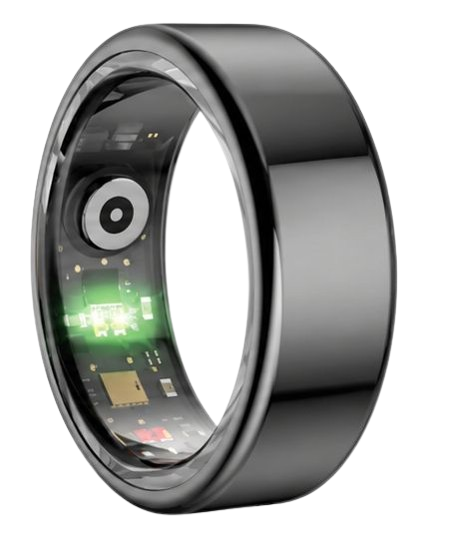
90-Day 100% Money-Back Guarantee
“The Herz Smart Ring helps me manage stress easily. It’s accurate, stylish, and lightweight—perfect for my busy life!”
— Jennifer P. | ✔ Verified Customer
- ✓ 6-Day Battery Life
- ✓ Detailed Sleep Analysis
- ✓ Fast 1-Hour Charging
- ✓ iOS & Android Ready
Questions? Call: 1-866-479-1629
Understanding Sleep Staging: Deep vs. Light Sleep Disruptions
Many individuals do not understand why they wake up feeling completely exhausted after what felt like a long night in bed.
When you regularly wake up throughout the night, you may often wonder why do i wake up tired even if you spent eight hours in bed.
The answer lies in the distribution of your sleep stages and your average awake time during sleep.
Your sleep is divided into four distinct stages: Light (N1 and N2), Deep (N3/Slow-Wave Sleep), and REM (Rapid Eye Movement) sleep.
Deep sleep is responsible for physiological repair, cellular growth, and immune system recovery.
REM sleep is critical for emotional processing, memory consolidation, and creative cognitive functioning.
In the first half of the night, your brain prioritizes deep slow-wave sleep to ensure your physical body recovers.
As you progress past midnight, the proportion of deep sleep drops sharply while light and REM sleep dominate.
Because light sleep is much easier to disrupt, even minor changes in your environment can cause a micro-arousal.
During these brief awakenings, you may not even remember waking up, but they completely fracture your sleep continuity.
If you are experiencing waking up at 3am every night, your brain is likely getting stuck in a loop of light sleep fragmentations.
We can measure this fragmentation accurately by looking closely at your Heart Rate Variability (HRV).
HRV is the variations in time between consecutive heartbeats, regulated by your autonomic nervous system.
A high HRV sleep trend indicates that your parasympathetic nervous system is successfully keeping you in a deeply relaxed state.
Conversely, a low overnight HRV score indicates that your sympathetic “fight-or-flight” system is overly active, leading to frequent awakenings.
Based on sleep data analysis from over 5,000 Herz P1 users, those who reported waking up at 3 AM consistently showed a marked drop in their overnight HRV averages.
By tracking your sleep stages with the Herz P1 Smart Ring, you can clearly see when these transitions fail and map out your recovery trends with under a 2% margin of error.
How Physiological Shifts and Sleeping Positions Impact Your Night

Your physical body underwent complex changes while you are asleep, and some of these can directly cause you to wake up.
Many people do not realize how much their posture and respiratory patterns influence their overnight heart rate and blood oxygen levels.
When you lie down, gravity can affect your airway, especially if you are sleeping flat on your back.
This position can cause your throat muscles to relax, leading to partial airway obstruction and a drop in blood oxygen saturation (SpO2).
The American Heart Association notes that even mild oxygen drops can trigger a sudden emergency response from your brain.
To prevent oxygen deprivation, your brainstem quickly elevates your heart rate and releases a small burst of adrenaline.
This physiological reaction is why you might suddenly find yourself waking up at 3 am with a racing pulse.
By adjusting your sleeping position—such as switching to side sleeping—you can keep your airway clear and stabilize your breathing.
Additionally, your body temperature must drop by about one to two degrees Fahrenheit to initiate and maintain deep sleep.
If your bedroom is too warm, or if your mattress traps body heat, your internal thermostat will struggle to cool down.
This temperature struggle often peaks around 3 AM, causing your brain to pull you out of deep sleep to shed heat.
Many individuals also experience physical discomfort from joint misalignment, which silently wakes them up.
A smart ring like the Herz P1 can help you decode these physical mysteries by continuously tracking your skin temperature trends and SpO2 levels.
If you see a sudden drop in your SpO2 accompanied by a spike in your heart rate, it is a clear sign to evaluate your sleeping posture and room environment.
How to Reset Your Sleep Schedule: A Practical Blueprint
Reprogramming your circadian rhythm requires consistent, daily actions that align your body’s biology with the natural world.
If you are tired of dealing with a 3am wake up every night, you must build a reliable evening routine.
First, you need to manage your light exposure during the day and evening hours.
Getting bright, natural sunlight in your eyes within an hour of waking up sets a biological timer for melatonin production later that night.
In the evening, you must eliminate high-energy blue light from screens at least two hours before bed.
Blue light tricks your brain into thinking it is still daytime, which actively suppresses melatonin and raises your evening cortisol levels.
To help calm your nervous system before sleep, you can practice the nsdr protocol.
Non-Sleep Deep Rest (NSDR) is a highly effective breathing and visualization method that actively down-regulates your sympathetic nervous system.
By spending just 10 to 15 minutes in a state of conscious relaxation, you can significantly lower your resting heart rate before your head hits the pillow.
You can also experiment with sound therapy to help stabilize your brainwaves throughout the night.
Finding the right acoustic frequency for sleep, such as pink noise or brown noise, can help mask sudden environmental sounds that trigger micro-arousals.
Let us look at a simple step-by-step evening routine to reset your sleep schedule:
- Sunlight: Get 10 minutes of direct morning sunlight to anchor your circadian clock.
- Caffeine Cutoff: Stop consuming all caffeine at least ten hours before your planned bedtime.
- Evening NSDR: Practice a 10-minute NSDR session at 8 PM to lower daily cortisol accumulation.
- Digital Sunset: Turn off all phones, tablets, and bright overhead lights by 9 PM.
- Cool Environment: Set your bedroom thermostat to a cool 65 to 68 degrees Fahrenheit.
By checking your daily sleep reports in the Herz P1 companion app, you can see exactly how these lifestyle adjustments improve your sleep efficiency score over time.
Smarter Tracking: Overcoming Common Sleep Monitoring Mistakes
Many people who are desperate to fix their sleep make the mistake of choosing bulky, uncomfortable wearables.
Wearing a heavy, oversized smartwatch to bed can actually disrupt your sleep and cause additional micro-arousals.
A heavy watch often shifts during the night, pressing into your wrist and waking you up when you roll over.
Furthermore, wrist-based optical sensors can easily lose contact with your skin, leading to highly inaccurate sleep staging data.
This is why biometric smart rings have become the preferred choice for sleep-conscious individuals.
A smart ring sits securely at the base of your finger, where the blood vessels are much closer to the skin surface.
This positioning allows the optical sensors to capture highly accurate PPG signals with minimal interference.
Another major frustration with modern health trackers is the hidden ongoing cost of software subscriptions.
Many brands charge you a premium price for the hardware, only to lock your personal health data behind a monthly app subscription fee.
We believe that you should never have to pay a recurring fee to access your own biological data.
The Herz P1 Smart Ring offers a premium, lifetime tracking solution with absolutely zero monthly subscription fees.
The app is completely free forever, giving you full access to your sleep stages, HRV trends, and daily stress insights.
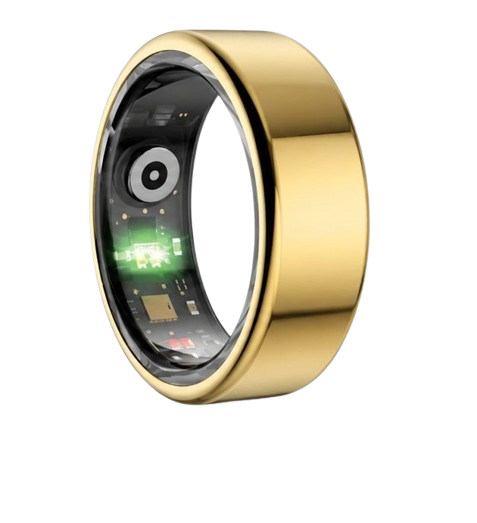
Constructed with military-grade steel and finished with a biocompatible inner lining, the Herz P1 is designed for comfortable 24/7 wear.
Its lightweight design ensures you will completely forget you are wearing it, allowing you to sleep naturally while it silently monitors your health.
Frequently Asked Questions (FAQ)
Is the Herz P1 Smart Ring waterproof?
Yes, the Herz P1 is fully IP68 waterproof, allowing you to submerge it up to 164 feet deep.
This military-grade construction means you can safely wear it while washing your hands, taking a shower, swimming, or working out.
How long does the battery last on a single charge?
The Herz P1 features an advanced battery that lasts up to 6 full days on a single charge.
When it is time to recharge, the ring goes from 0% to 100% in under 1 hour using the included magnetic charging dock.
Which finger is the best to wear the smart ring on?
For the highest biometric accuracy, we recommend wearing the Herz P1 on your index, middle, or ring finger.
Ensure the inner sensor bumps are positioned on the palm side of your hand to maintain optimal skin contact.
Does the ring store my biometric data offline if my phone is disconnected?
Yes, the Herz P1 has built-in offline memory that can securely store up to 7 days of biological data.
As soon as your ring reconnects to your smartphone via Bluetooth, all stored metrics will automatically sync to your free app.
Conclusion
Reclaim your nightly rest and build a healthier, more balanced lifestyle with clear biometric data.
The premium Herz P1 Smart Ring is your ultimate companion to track, monitor, and master your sleep hygiene.
Ready to monitor your health every day? Explore the Herz P1 Smart Ring and see if it fits your lifestyle.
Call: 1-866-479-1629 — our team can help you advise on the correct ring size and set personalized health goals.
