

Finding a night-time hrv 12 reading on your wearable tracker can instantly trigger anxiety about your cardiovascular health. At Team Herz P1, we understand how confusing these metrics are, which is why we engineered the Herz P1 smart ring to decode your body’s subtle autonomic nervous system signals without complex jargon. This comprehensive guide will explain exactly what a heart rate variability of 12 milliseconds means for your recovery, sleep quality, and daily physical stress.
Built to Last. Save Up to 69% Today.
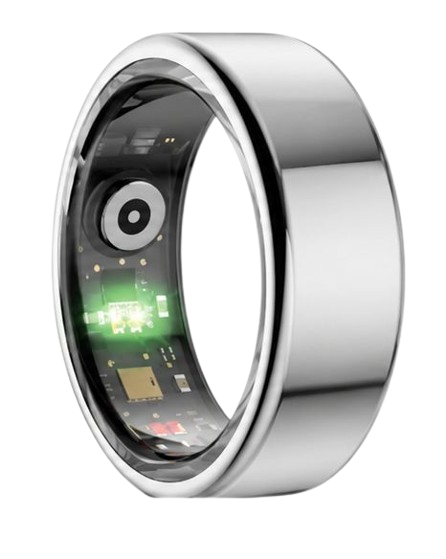
The Herz P1 Smart Ring tracks HRV, Sleep, Heart Rate & SpO2 around the clock. No subscriptions. No renewals. Ever.
In This Article
- Is an HRV of 12 Normal or Too Low? — A detailed breakdown of this recovery metric using the 5W2H framework.
- The Science of Heart Rate Variability — How your autonomic nervous system balances fight-or-flight triggers.
- What Lowers Your HRV to 12ms — Exploring the medical, environmental, and behavioral causes of low scores.
- Actionable Solutions & Tracking — How to naturally raise your baseline using biometric tools like the Herz P1.
Is an HRV of 12 Normal or Too Low for Health?
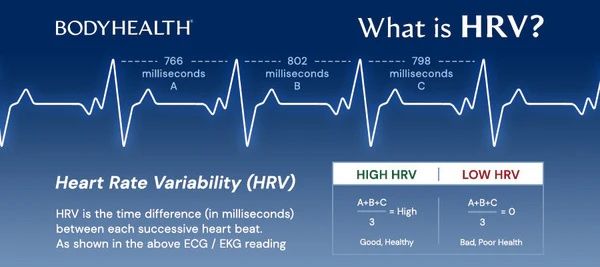
When assessing a heart rate variability (HRV) reading, many people wonder if a score of 12ms indicates a medical emergency.
To answer this question clearly, we must define what this metric represents under the 5W2H framework.
What this score represents is the variation in time intervals between consecutive heartbeats, measured in milliseconds.
Who should care about this score includes anyone tracking their cardiovascular health, but particularly adults experiencing constant fatigue, poor sleep, or high-stress levels.
When this score becomes critical is during overnight sleep, which is when your parasympathetic nervous system should actively restore your body.
Where this reading is captured is at the capillary level using advanced photoplethysmography (PPG) sensors on smart wearables.
Why an HRV of 12ms occurs is due to an overactive sympathetic nervous system, meaning your body is locked in a prolonged state of fight-or-flight.
How this physiological mechanism works is that your heart beat intervals become highly regular and rigid, leaving very little room for adaptive variability.
How much or how low is this score compared to healthy ranges?
For most healthy adults between the ages of 20 and 60, a typical overnight baseline ranges between 30ms and 80ms.
Therefore, a resting hrv of 12ms is considered low and indicates that your autonomic nervous system is under severe strain.
While an isolated reading of 12ms is not an immediate diagnostic tool for disease, a sustained trend in this range deserves careful attention.
If you see a temporary drop to an hrv 11ms or slightly higher at an hrv 13, it may point to acute stress or incoming illness.
However, if your average remains consistently in this low region, you should take steps to analyze the underlying causes.
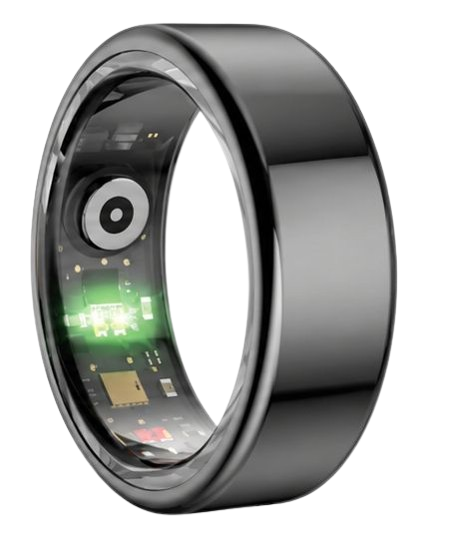
If you want to track this in real-time, the Herz P1 Smart Ring monitors heart rate variability 24/7 — explore it here.
90-Day 100% Money-Back Guarantee
“The Herz Smart Ring helps me manage stress easily. It’s accurate, stylish, and lightweight—perfect for my busy life!”
— Jennifer P. | ✔ Verified Customer
- ✓ 6-Day Battery Life
- ✓ Detailed Sleep Analysis
- ✓ Fast 1-Hour Charging
- ✓ iOS & Android Ready
Questions? Call: 1-866-479-1629
Understanding Heart Rate Variability and Autonomic Balance
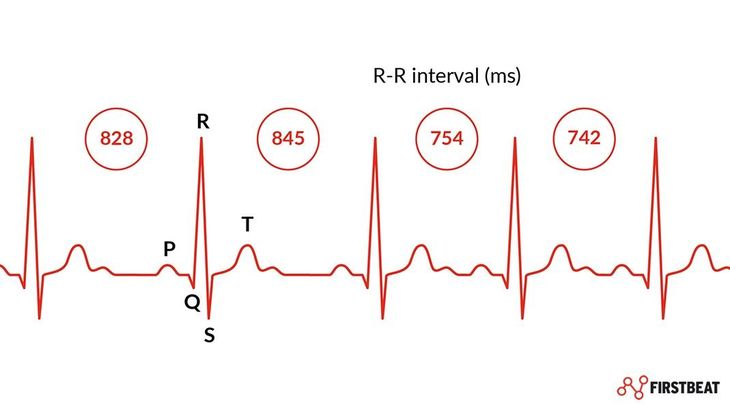
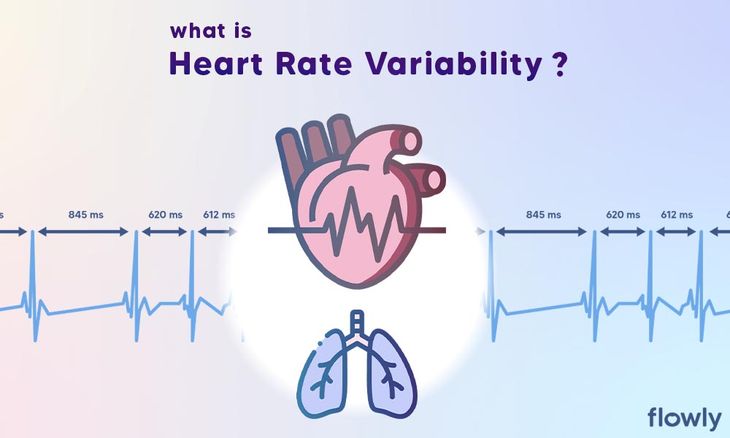
Your heart is not a mechanical metronome that beats in a perfectly rigid pattern.
Even if your pulse is 60 beats per minute, the time between those beats is constantly fluctuating.
One gap might be 0.95 seconds, while the next gap could be 1.05 seconds.
This micro-variation is what we define as heart rate variability.
A higher variability typically indicates a highly responsive, flexible autonomic nervous system.
Conversely, a low variability shows that your system is locked into a singular, highly taxed survival pattern.
According to the American Heart Association, tracking these trends offers a clear window into how your cardiovascular system reacts to everyday stress.
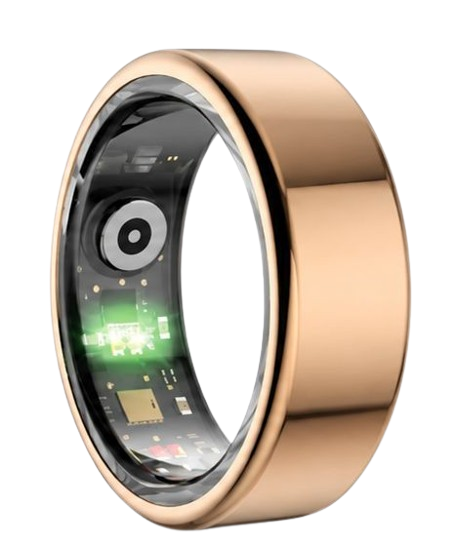
When you wear a smart ring like the Herz P1, the device uses advanced green and infrared optical sensors to track these micro-changes.
These optical sensors read changes in blood volume directly from the dense capillary beds in your finger.
This sensor placement provides a significantly cleaner reading than wrist-based trackers, which are prone to motion interference.
The Autonomic Nervous System Connection
To understand why an HRV of 12ms occurs, we must look at how the autonomic nervous system is divided.
The sympathetic nervous system drives your fight-or-flight response, preparing your body for action by speeding up your heart and keeping intervals highly consistent.
The parasympathetic nervous system drives your rest-and-digest response, allowing your heart to slow down and vary its beat patterns as you relax.
When you are in a healthy, recovered state, these two systems constantly pull in opposite directions.
This biological tug-of-war creates a high HRV, which indicates physical resilience.
When sympathetic drive takes over completely due to stress, fatigue, or illness, the parasympathetic branch loses its influence.
This imbalance causes the beat-to-beat intervals to become highly uniform, resulting in a low score.
If your device frequently displays a value like an hrv 14 or a low heart rate variability 12 ms, your parasympathetic nervous system is struggling to engage.
Our research at Team Herz P1 shows that tracking these overnight metrics helps users notice autonomic exhaustion before physical symptoms manifest.
What Causes a Resting HRV of 12ms and How to Respond
A low HRV score does not happen without a physiological reason.
If your baseline suddenly drops, it is important to analyze your physical and mental environments.
Understanding what lowers hrv is the first step toward correcting a compromised recovery score.
Often, a low score is the result of multiple lifestyle factors combining to deplete your autonomic reserves.
We will examine the primary culprits that lead to these suppressed readings so you can formulate a clear response.
Physiological Stressors and Lifestyle Culprits
One of the most common causes of a sudden dip in variability is physical overtraining.
When you do not allow your muscles and nervous system sufficient time to repair after intense workouts, your body remains in a state of high inflammation.
Another major factor is poor sleep hygiene or chronic sleep deprivation.
If your sleep architecture is missing critical deep or REM sleep cycles, your brain cannot clear metabolic waste, keeping your sympathetic drive elevated.
Alcohol consumption before bed is also famous for tanking heart rate variability.
Even a single drink can disrupt overnight recovery, causing your resting score to plummet into the low tens.
Mental exhaustion from long work hours or emotional anxiety keeps cortisol levels high, which directly suppresses parasympathetic activity.
When identifying what causes hrv to drop, look at your evening habits, hydration levels, and late-night meals.
The Herz P1 Smart Ring’s companion app helps you correlate these behaviors by logging your daily lifestyle metrics alongside your continuous biometric trends.
Medical Conditions Associated with Low Variability
While lifestyle choices are often the primary cause, sustained low scores can sometimes reflect underlying health issues.
Chronic inflammatory diseases, metabolic syndromes, and cardiovascular dysfunction are frequently linked to reduced autonomic regulation.
If you have been looking for an hrv status low solution, it is vital to rule out subclinical infections or chronic fatigue syndrome.
A persistent score of 12ms might also be accompanied by a rising resting heart rate, which is a classic sign of physical burnout.
If your average values consistently sit around an hrv 15 ms or lower for several weeks despite lifestyle adjustments, consulting a medical professional is a wise choice.
By monitoring these shifts early, you can work with your doctor to identify any potential cardiovascular or endocrine imbalances.
How to Correct and Optimize a Low HRV Score
The good news is that your autonomic nervous system is highly adaptable and can be trained to recover.
You do not have to accept a low score as a permanent limitation of your health.
By implementing targeted behavioral interventions, you can gradually teach your parasympathetic system to engage more effectively.
Let’s look at the most efficient strategies for rebuilding your cardiovascular resilience.
Daily Routines for Cardiovascular Resilience
To begin raising your baseline, focus on consistent, structured recovery protocols.
Engaging in deep breathing exercises, such as resonance frequency breathing at six breaths per minute, has been shown to rapidly stimulate the vagus nerve.
Prioritizing a strict sleep schedule by going to bed and waking up at the exact same times helps stabilize your circadian rhythm.
Ensure you are staying properly hydrated throughout the afternoon, as low blood volume directly reduces your body’s heart rate variability.
Additionally, try to finish your last meal at least three hours before sleeping so your heart does not have to work hard to support digestion overnight.
If you are wondering how to fix low hrv, these simple habits form the foundation of a successful recovery plan.
The Herz P1 Smart Ring makes it easy to track the direct impact of these habits by displaying clear trend lines on your dashboard each morning.
Common Pitfalls in Tracking and Interpreting HRV
Many people make the mistake of comparing their heart rate variability scores directly with friends or family members.
This is a major mistake because this metric is highly unique to your individual biology, age, and genetics.
A score of 12ms might be normal for an elderly individual with specific health considerations, whereas it is quite low for a twenty-year-old athlete.
Another common issue is using bulky, uncomfortable smartwatches to track overnight biometrics.
These large wrist devices frequently shift during sleep, causing optical sensors to lose contact with the skin and produce highly inaccurate readings.
Furthermore, many premium smart rings on the market lock your personal physiological data behind expensive monthly subscriptions.
At Team Herz P1, we believe that you should never have to pay a recurring fee to access your own health data.
The Herz P1 Smart Ring is built from military-grade steel, features an IP68 waterproof design, and provides a completely subscription-free app experience for life.
Frequently Asked Questions About Low HRV Tracking
Yes, the Herz P1 is fully certified with an IP68 waterproof rating.
It can withstand continuous water submersion up to depths of 164 feet, making it perfect for swimming, showering, and hand washing.
The highly efficient battery is engineered to last up to 6 full days of continuous 24/7 biometric tracking.
When it is time to recharge, the ring goes from empty to a full charge in under 1 hour using our magnetic quick-charger.
For the most accurate heart rate and sleep readings, we recommend wearing the ring on your index, middle, or ring finger.
These fingers have the densest capillary beds, allowing our optical sensors to capture the cleanest pulse signals.
Yes, the ring features secure local memory that safely stores up to 7 days of detailed tracking data offline.
Once you open the companion app, all stored biometrics will automatically sync to your smartphone dashboard.
Conclusion
Understanding your heart rate variability is the key to unlocking long-term physical recovery.
A score of 12ms highlights a clear opportunity to optimize your daily stress habits.
Ready to monitor your health every day? Explore the Herz P1 Smart Ring and see if it fits your lifestyle. Call: 1-866-479-1629 — our team can help you advise on the correct ring size and set personalized health goals.
Note: Individual results may vary depending on individual health conditions, age, and lifestyle habits. This article is intended for general health reference purposes only.
