

Learning how to wake up early can completely revolutionize your productivity, but doing so without feeling exhausted is the ultimate challenge. Many high performers struggle with chronic daytime fatigue because they lack clear visibility into their nightly biological recovery cycles. At Team Herz P1, we believe the solution lies in tracking precise physiological data using the advanced Herz P1 smart ring to optimize your sleep architecture and daytime energy.
Built to Last. Save Up to 69% Today.
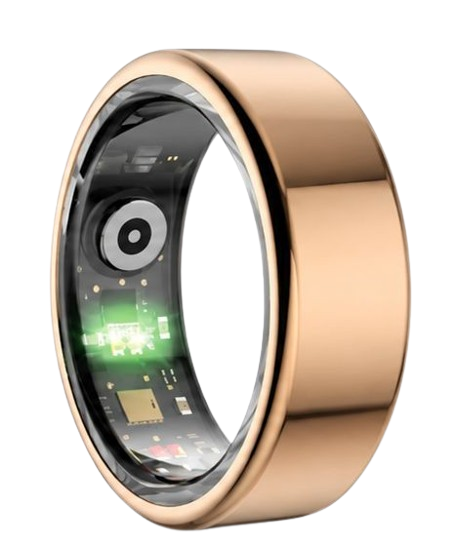
The Herz P1 Smart Ring tracks HRV, Sleep, Heart Rate & SpO2 around the clock. No subscriptions. No renewals. Ever.
In This Article
- The Step-by-Step Waking Blueprint: Master the practical habits required to shift your internal circadian clock comfortably.
- Scientific Sleep Architecture: Discover how sleep stages, overnight heart rate variability, and blood oxygen indices dictate waking energy.
- Smart Recovery Strategies: Learn to leverage wearable trends to balance daytime physical efforts with essential overnight cellular repair.
- Device Optimization Secrets: Find out how to sidestep heavy smartwatches and hidden app subscription models permanently.
How to Wake Up Early and Feel Energized: A Step-by-Step Biometric Guide
Prerequisites / What You’ll Need
To successfully transition your sleep cycle without facing immediate daytime burnout, you must establish a baseline foundation.
You will need a reliable alarm clock that can be placed away from your direct reaching distance.
You should acquire a dim light source for evening hours to encourage natural melatonin production.
Finally, a precise health-tracking device is necessary to monitor your overnight cardiovascular recovery and sleep staging.
-
Step 1: Conduct an Honest Sleep Quality Audit
You must first establish your current baseline by tracking the exact hours you spend in bed each night.
Many individuals believe they are sleeping soundly when they are actually waking up multiple times during the night.
This hidden sleep fragmentation prevents your brain from resting and explains what to do if you wake up tired every day.
Evaluating your baseline data is the first logical step toward correcting chronotype issues.
Without accurate baseline metrics, any attempt to shift your morning alarm will rely on simple guesswork.
-
Step 2: Shift Your Sleep Schedule in Small Increments
Do not attempt to shift your daily alarm backward by two hours in a single night.
Instead, move your designated bedtime and morning wake time forward by exactly fifteen minutes every three days.
This gentle progression allows your master circadian clock to adapt without causing major shocks to your nervous system.
This gradual transition is the most sustainable way to learn how to become a morning person.
Your endocrine system needs this progressive window to shift cortisol and melatonin release profiles naturally.
-
Step 3: Establish a Strict Evening Blue Light Sabbatical
Exposure to artificial blue light from digital screens suppresses natural melatonin synthesis for up to four hours.
Turn off all personal computers, smartphones, and television screens at least ninety minutes before attempting to sleep.
Replace screen time with low-stress activities like reading a physical book or listening to relaxing acoustic music.
Protecting your brain from evening blue light is essential to learn how to wake up and not be tired.
This physical barrier is highly effective for reducing sleep onset latency and improving early night sleep efficiency.
-
Step 4: Craft a Cooler, Quieter Sleeping Sanctuary
Your internal core temperature must drop by two degrees Fahrenheit to initiate a deep sleep cycle.
Set your bedroom thermostat to a cool range between sixty-five and sixty-eight degrees Fahrenheit.
Utilize blackout curtains and white noise machines to block any external light or unpredictable street noises.
This physical environment allows your body to remain undisturbed during highly sensitive slow-wave recovery cycles.
A cool, dark room dramatically lowers your heart rate and allows for much deeper overnight biological healing.
-
Step 5: Master the Ninety-Minute Sleep Cycle Formula
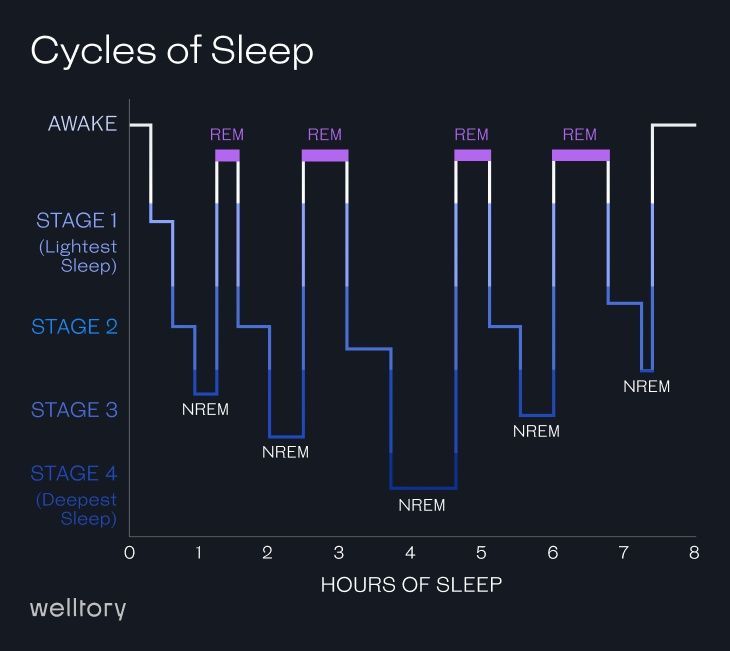
Human sleep is naturally structured in repeating ninety-minute blocks of light, deep, and REM cycles.
Waking up in the middle of a deep sleep stage leads to extreme morning exhaustion and physical disorientation.
Plan your morning waking time to land at the completion of a full ninety-minute cycle.
Aiming for exactly seven and a half or nine hours of total sleep keeps you in light sleep at wake time.
Waking during light sleep phases is the key to preventing severe daytime exhaustion and cognitive fog.
-
Step 6: Banish Waking Grogginess Immediately with Light
Morning sleepiness is caused by lingering sleep hormones that must be cleared from your bloodstream.
Open your window blinds or step outside to get bright natural sunlight into your eyes immediately.
This light exposure activates the melanopsin receptors in your eyes and signals the brain to halt melatonin production.
This biological reaction is highly effective at clearing lingering sleep inertia symptoms.
If you wake up before sunrise, use a ten-thousand-lux light therapy box to replicate this endocrine response.
-
Step 7: Hydrate and Replenish Your Cells Instantly
Your body naturally loses up to one full liter of water overnight through respiration and sweating.
Keep a large glass of filtered water on your nightstand to drink immediately upon waking up.
Hydrating your internal organs restores blood volume and accelerates oxygen delivery to your brain.
This rapid hydration helps clear waste products that accumulate in your cerebral tissues during the night.
Drinking cool water instantly boosts your morning metabolism without the immediate need for caffeine.
-
Step 8: Banish the Alarm Snooze Button Permanently
Hitting the snooze button fragmentizes your sleep and initiates a brand new, highly disrupted sleep cycle.
This fragmented sleep has no restorative value and forces your brain back into deep sleep states.
Consult our comprehensive guide on the best snooze time to understand why this habit hurts daily focus.
Place your alarm across the bedroom to force yourself to stand up and walk to turn it off.
This immediate physical movement is the final piece needed to conquer morning fatigue once and for all.
Executing this step-by-step routine consistently requires highly precise biological feedback.
The Herz P1 smart ring monitors your transitions through light, deep, and REM sleep phases automatically.
By reviewing your daily metrics on our free app, you can easily fine-tune your waking strategy.
90-Day 100% Money-Back Guarantee
“The Herz Smart Ring helps me manage stress easily. It’s accurate, stylish, and lightweight—perfect for my busy life!”
— Jennifer P. | ✔ Verified Customer
- ✓ 6-Day Battery Life
- ✓ Detailed Sleep Analysis
- ✓ Fast 1-Hour Charging
- ✓ iOS & Android Ready
Questions? Call: 1-866-479-1629
Sleep Architecture: The Four Stages of Nightly Recovery
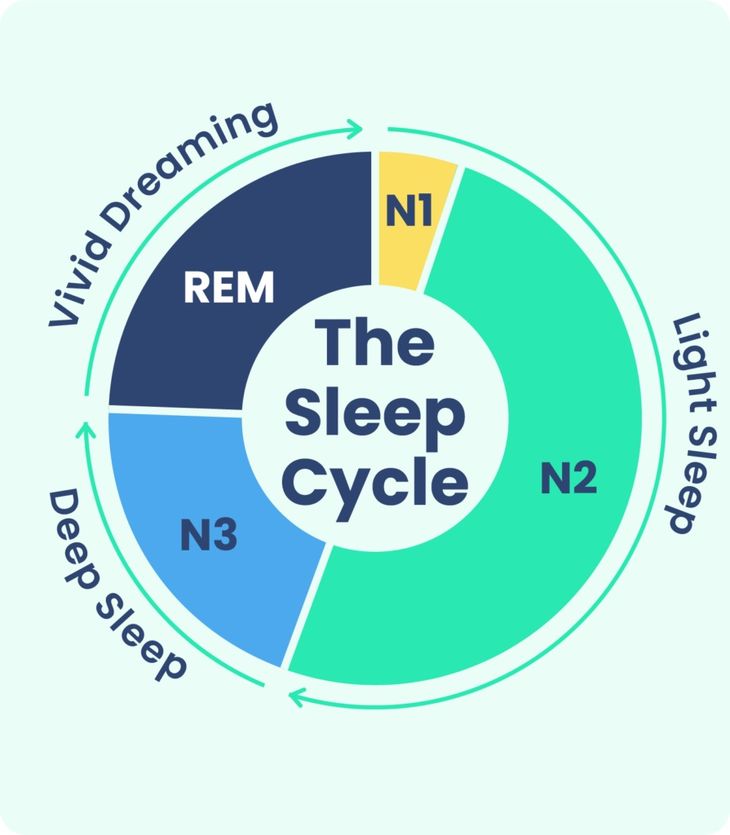
To truly master early rising, you must understand the underlying science of sleep architecture.
Your night is divided into three distinct non-REM stages and one REM stage that repeat in cycles.
According to the National Sleep Foundation, slow-wave deep sleep is when your body repairs cellular tissue and releases vital growth hormones.
Meanwhile, REM sleep is crucial for memory consolidation and emotional processing within the brain.
Missing out on these deep stages explains why you might search for how to wake up early and not feel tired.
The Herz P1 uses high-precision multi-wavelength PPG sensors to capture blood flow changes and track these stages with clinical-grade accuracy.
By reviewing these trends on your free app, you can visually see how evening lifestyle changes directly improve your sleep quality scores.
This continuous sensor feedback is crucial to evaluate your progress and build a reliable morning routine over time.
HRV and SpO2: The Keys to Cardiovascular and Metabolic Vitality

Heart rate variability is the measured time variation between each of your individual heartbeats.
The American Heart Association notes that a high HRV suggests a well-recovered autonomic nervous system that adapts easily to stress.
Conversely, a lower HRV score reveals that your body is currently experiencing elevated physical or mental stress.
Monitoring your overnight HRV trend line tells you when to push your physical limits or when to focus on active recovery.
Alongside HRV, tracking blood oxygen saturation levels provides critical insights into your overnight breathing stability.
Sudden dips in SpO2 overnight can cause quiet micro-arousals that completely destroy your subjective sleep quality.
The Herz P1 tracks these oxygen trends continuously so you can take proactive steps to improve your airway health.
This detailed data dashboard allows you to understand how daily choices alter your autonomic recovery profile.
How to Navigate and Leverage Your Biometric Insights Daily
The free Herz P1 companion application presents your complex biological data in an intuitive dashboard.
Simply open the application each morning to sync your overnight metrics securely via Bluetooth.
Review your unified morning Sleep Score to immediately see the precise duration of your deep and REM cycles.
If you find yourself frequently waking up groggy, check your historical charts for patterns of overnight restlessness.
Compare your daily step counts and workout stress levels with your overnight HRV recovery trend.
This integrated feedback loop helps you plan physical exercises around your body’s true physical capacity.
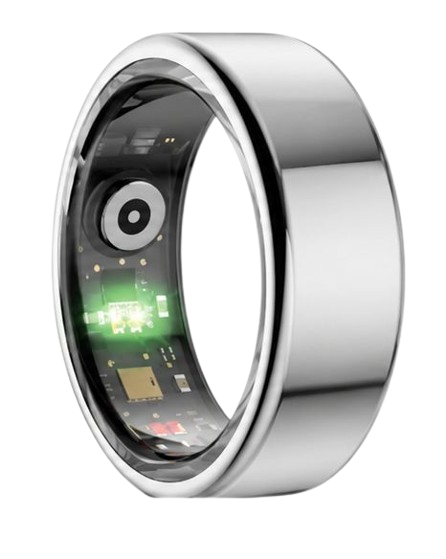
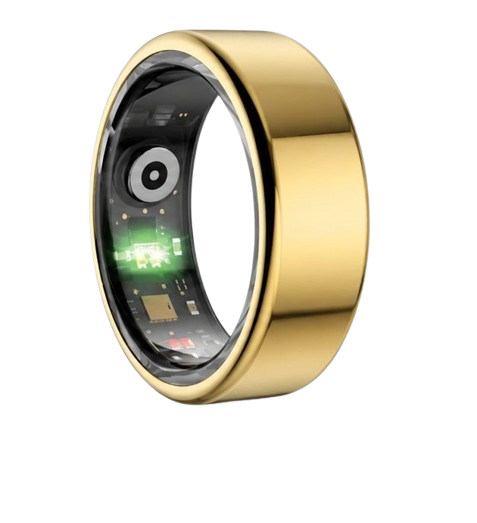
The sleek ring form factor is crafted from military-grade steel for comfortable twenty-four-seven wear during workouts and sleep.
Unlike heavy smartwatches, the ring does not pinch your skin or emit disruptive screen light during your sleep.
Avoiding Bulky Smartwatches and Costly Wearable Subscriptions
Many fitness enthusiasts make the mistake of wearing massive, heavy smartwatches to bed to track their sleep quality.
These heavy devices often shift positions during the night, leading to inaccurate sensor readings and lost data points.
Furthermore, accidental screen illuminations and constant buzzes can wake you up and contribute to morning tiredness.
A lightweight, low-profile smart ring rests naturally at the base of your finger for uninterrupted sensor contact.
Another major issue in the modern wearable market is the presence of hidden, ongoing subscription fees.
Some premium brands block your detailed recovery metrics behind monthly app paywalls after your initial purchase.
We believe that your personal health data should belong to you completely from day one.
The Herz P1 app is entirely subscription-free, giving you lifetime access to all advanced analytics with zero ongoing costs.
Frequently Asked Questions About Biometric Tracking
Is the Herz P1 waterproof?
Yes, the Herz P1 features a premium IP68 waterproof rating.
This standard certifies that the device can withstand continuous water submersion up to fifty meters deep.
You can wear the smart ring while swimming, showering, washing dishes, or sweating in the steam room.
The hermetically sealed steel housing protects the delicate internal sensors from moisture damage.
How long does the battery last?
The Herz P1 provides an impressive six days of continuous battery life on a single charge.
This longevity is achieved through advanced low-energy Bluetooth chips and smart sensor power management.
When the battery runs low, the ring charges fully in under one hour using the magnetic USB cradle.
This rapid charging cycle ensures you never have to miss a night of crucial sleep tracking.
Which finger is best to wear it on?
The index, middle, or ring finger of your non-dominant hand offers the best biometric signal quality.
The blood vessels are highly accessible near the base of these fingers, allowing for precise PPG measurements.
Choose a finger where the ring fits snugly without sliding around during physical hand movements.
The ring should feel secure but comfortable enough to wear through natural daily hand swelling.
Does it store data offline?
Yes, the Herz P1 features secure onboard flash memory that holds up to seven days of local biometric data.
If you leave your phone in another room or turn off Bluetooth, the ring continues to track your metrics.
The stored data will automatically sync to your app the next time you open the application.
This local backup ensures your physiological progress is never lost during travel or device disconnects.
Conclusion: Your Subscription-Free Wellness Journey Starts Here
Mastering early mornings starts with decoding your body’s unique biological signals.
The Herz P1 Smart Ring offers the reliable, subscription-free tracking you need to conquer daily fatigue.
Ready to monitor your health every day?
Explore the Herz P1 Smart Ring and see if it fits your lifestyle.
Call: 1-866-479-1629 — our team can help you advise on the correct ring size and set personalized health goals.
Note: Individual results may vary depending on individual health conditions, age, and lifestyle habits. This article is intended for general health reference purposes only.
