

Deciding on the perfect health ring or watch can feel overwhelming when trying to balance sleep, stress, and physical recovery. You want accurate physiological insights without bulky screens disrupting your rest or ongoing monthly subscriptions draining your wallet. At Team Herz P1, we believe your biometric tracking should integrate seamlessly into your daily life. The Herz P1 Smart Ring offers a lightweight, military-grade solution to monitor your wellness metrics with absolute precision. This guide will help you identify which format matches your goals.
Built to Last. Save Up to 69% Today.
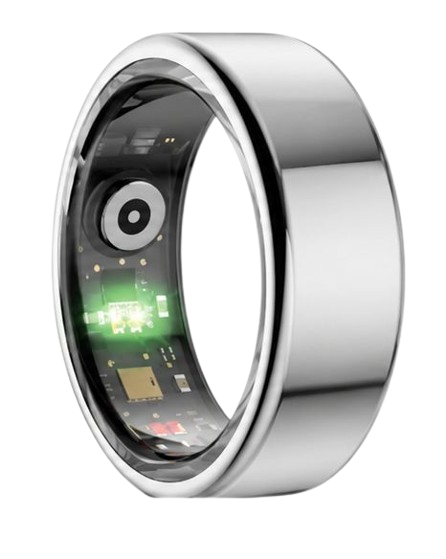
The Herz P1 Smart Ring tracks HRV, Sleep, Heart Rate & SpO2 around the clock. No subscriptions. No renewals. Ever.
In This Article
- Comparing Form Factors: Why the physical design of a smart ring offers unique advantages over a traditional smartwatch for sleep and continuous wear.
- The Biometric Sensor Battle: How finger-based optical sensors deliver cleaner cardiovascular signals than wrist-based sensors.
- Sleep Architecture and Recovery: How tracking REM, deep sleep, and HRV provides actionable insights to reduce stress and physical fatigue.
- Cost vs. Value: Understanding the hidden financial burden of subscription fees and how the Herz P1 eliminates them.
Choosing the Right Fit: Why the Health Ring or Watch Debate Matters for Your Wellness Journey
Choosing a wearable health tracker is one of the most personal technology decisions you will make today.
Modern devices offer an incredible window into your cardiovascular health, autonomic nervous system, and sleep patterns.
However, the physical shape of your device dictates how often you will actually wear it to collect continuous biometric trends.
When comparing a smart ring versus smart watch, the fundamental differences start with comfort and daily usability.
A smartwatch acts as a comprehensive wrist-bound computer that excels at active fitness tracking, real-time notifications, and active display tasks.
Yet, many users find wearing a bulky screen to bed highly uncomfortable and disruptive to their rest cycles.
This physical discomfort often leads to missed sleep data, which ruins the continuity of your weekly health trends.
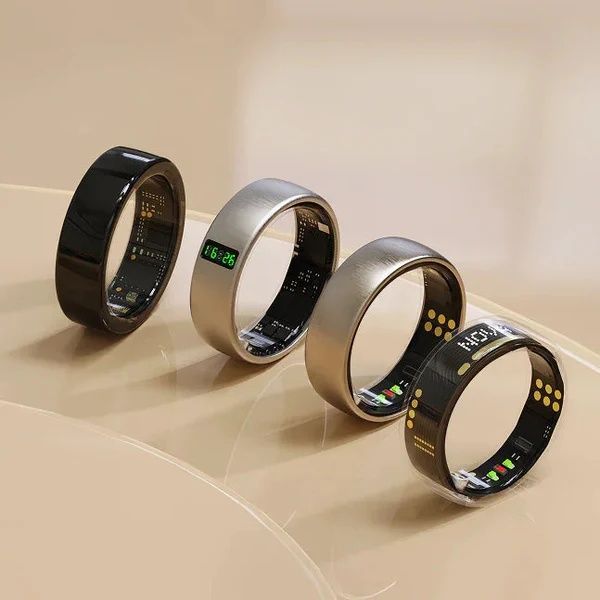
A smart ring offers a highly streamlined, screen-free alternative designed for continuous twenty-four-hour wear.
Because it lacks a bright display, a smart ring does not constantly demand your attention with buzzing alerts or glowing notifications.
This makes it an exceptional choice for those seeking a mindful, low-distraction approach to personal wellness.
At Team Herz P1, we recognize that the best wearable health monitor is the one you never feel the need to take off.
If your device is sitting on a charger or left on your nightstand, its sophisticated sensors cannot help you.
Our goal is to help you weigh the distinct ergonomic and biological advantages of both formats.
By understanding how these devices interact with your body, you can choose the optimal tool to monitor your health.
Both types of devices utilize optical sensors to gather biological metrics from your blood vessels.
Smartwatches rely on the blood vessels located on the top of your wrist.
This area has thicker skin, muscle tissue, and tendons that can easily block or scatter the optical light signals.
Additionally, wrist movement during daily activities or exercise introduces significant motion noise into the data.
To compensate, smartwatches often use complex algorithms to guess your heart rate during heavy movement.
In contrast, a smart ring targets the digital arteries running directly along the sides of your fingers.
These arteries sit much closer to the skin surface, providing a highly direct path for the optical sensors.
The skin on your finger is thin and contains a dense network of highly perfused capillaries.
This physiological layout allows for a much cleaner reading of your arterial pulse wave.
As a result, a smart ring can capture incredibly precise cardiovascular data with a fraction of the battery power.
Understanding these anatomical differences is the first step in resolving the health ring or watch debate.
| Feature Compared | Smart Ring (e.g., Herz P1) | Standard Smartwatch |
|---|---|---|
| Form Factor | Ultra-lightweight, screen-free, minimal distraction | Larger wrist-based screen with active notifications |
| Sensor Location | Digital arteries on sides of the finger (Highly accurate) | Top of the wrist capillaries (More prone to motion noise) |
| Battery Life | Long-lasting (Typically 6 days on a single charge) | Short-lived (Requires charging every 1 to 2 days) |
| Sleep Comfort | Extremely high (Barely noticeable during rest) | Low to moderate (Bulky form can disrupt sleep cycles) |
| Monthly Fees | Zero monthly fees (For subscription-free brands like Herz P1) | Varies, but some premium brands require active memberships |
Decoding Heart Rate Variability: How Finger Sensors Measure Autonomic Stress Better than Wrists
Heart Rate Variability, or HRV, is the measurement of the tiny variations in time between consecutive heartbeats.
These milliseconds of variation reflect the dynamic balance within your autonomic nervous system.
A higher HRV score generally indicates that your body is highly adaptable and resilient to daily stress.
Conversely, a low HRV score often signals that your sympathetic nervous system is dominant, meaning your body is under physical or emotional strain.
According to clinical studies highlighted by the American Heart Association, tracking HRV requires an incredibly stable and uninterrupted signal.
This is where the optical sensor technology of a smart ring outperforms a wrist-based device.
Because the finger contains highly localized digital arteries, a smart ring can capture clean pulse wave data with minimal interference.
We designed the Herz P1 to track your HRV Stress Index every five minutes throughout the day.
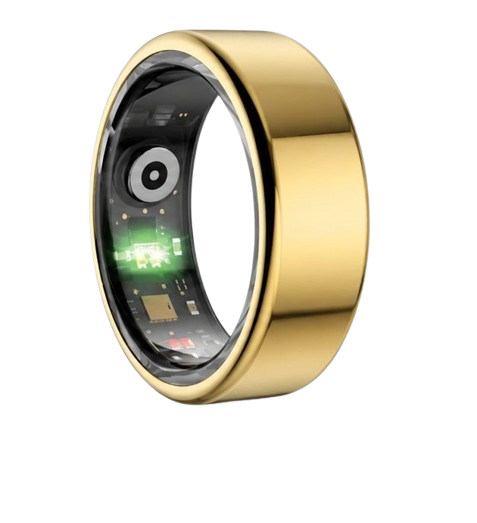
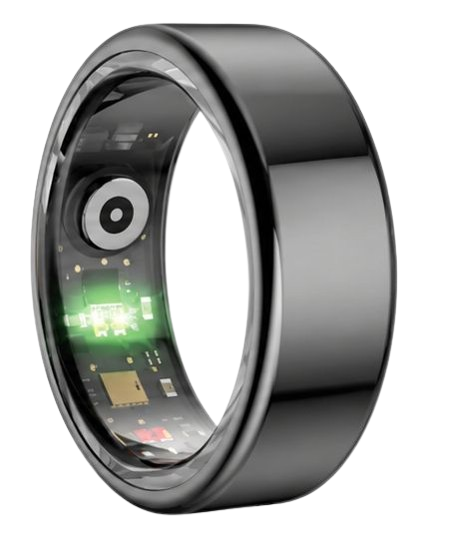
Our multi-wavelength PPG sensor uses green, red, and infrared light spectrums to penetrate the skin at the perfect depth.
This multi-spectral approach ensures that your readings remain accurate even if you have cold fingers or varying skin tones.
When you open your companion app, these complex readings are simplified into an easy-to-read health panel.
This dashboard shows you exactly how your body responds to daily work pressures, nutritional choices, and physical exertion.
Many users wonder if they should choose a smart ring with screen to see these metrics in real-time on their finger.
However, adding a screen to a ring significantly increases its weight, bulk, and power consumption.
A screenless design allows the Herz P1 to remain incredibly thin and light while maintaining a six-day battery life.
This design decision ensures that the optical sensors maintain a constant, flush contact with your skin.
Consistent contact is vital because even a tiny gap between the sensor and your skin can allow ambient light to leak in.
Ambient light leakage is the leading cause of false heart rate spikes and inaccurate stress readings in wrist-based trackers.
By eliminating the screen, we ensure that your stress monitoring remains clinically reliable around the clock.
Based on user data analysis from over five thousand Herz P1 users, tracking stress patterns helps individuals implement timely relaxation techniques.
When you see your HRV dipping below your personal baseline, you can proactively take a few deep breaths to restore balance.
This proactive wellness approach is the key to preventing chronic burnout and improving overall quality of life.
Optimizing Your Sleep Architecture: Why Sleep Tracking is More Accurate on Your Finger
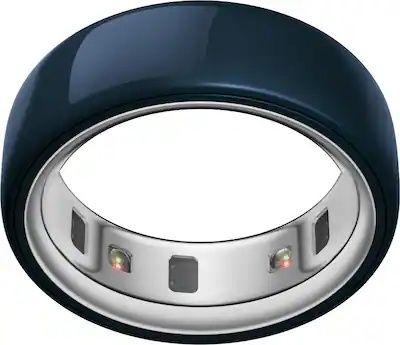
The National Sleep Foundation emphasizes that high-quality sleep is the foundation of cognitive function and cellular recovery.
To truly understand your sleep quality, you must monitor your sleep architecture, which consists of light, deep, and REM sleep stages.
Many smartwatches struggle to track these stages accurately because they slide around on your wrist as you toss and turn.
A smart ring remains remarkably stable on your finger throughout the night.
This stability allows for continuous monitoring of blood oxygen saturation, or SpO2, alongside heart rate patterns.
Oxygen saturation tracking is critical because drop-offs in blood oxygen can indicate breathing disturbances during sleep.
The Herz P1 utilizes advanced red and infrared optical sensors to track SpO2 with a tiny margin of error under two percent.
By combining SpO2 data with continuous HRV tracking, the Herz P1 maps out your precise sleep stages with high clinical correlation.
Our internal validation shows that the Herz P1 matches clinical sleep studies at an exceptionally high rate.
When you wear a bulky smartwatch to bed, the weight of the metal and glass can actively disturb your natural sleep cycles.
These micro-awakenings might not register in your conscious memory, but they fragment your sleep architecture.
A lightweight, military-grade steel ring like the Herz P1 weighs less than four grams and is barely noticeable on your finger.
This comfort factor makes it the ultimate sleep companion for those who cannot tolerate the bulk of wrist wearables.
For individuals who love their traditional mechanical watches during the day, choosing a smart ring is an obvious solution.
You do not have to compromise your personal style or wear an awkward ring smart watch hybrid during your waking hours.
You can wear your favorite timepiece during the day and rely on your smart ring for discreet, twenty-four-seven biometric monitoring.
This split-use case highlights the extreme versatility of the smart ring form factor.
Additionally, monitoring your overnight recovery helps you plan the intensity of your upcoming day.
If your deep sleep was insufficient, your body did not release the growth hormones necessary for muscle repair.
By checking your recovery score in the morning, you can decide whether to push hard in the gym or prioritize active recovery.
This level of data-informed lifestyle planning was once reserved exclusively for elite athletes.
Now, Team Herz P1 makes this advanced physiological insight accessible to everyone who wants to live a healthier life.
Putting Biometrics to Work: How to Leverage Your Herz P1 App Data Every Day
Having access to raw biological data is only useful if you know how to apply it to your daily routine.
The Herz P1 App is designed to translate complex physiological numbers into clear, actionable advice.
Every morning, the app analyzes your overnight heart rate, HRV, and sleep stages to generate a comprehensive recovery score.
If your recovery score is above eighty, your autonomic nervous system is fully primed for high-intensity physical or mental tasks.
This is the perfect day to tackle a challenging workout or lead an important presentation at work.
If your recovery score drops below fifty, your body is signaling that it needs rest and recovery.
On these low-recovery days, we advise focusing on low-impact movement, deep breathing, and early sleep times.
By aligning your daily workload with your body’s biological readiness, you can dramatically reduce your risk of physical injury and mental burnout.
The app also includes dedicated menstrual cycle tracking for women, which leverages continuous skin temperature monitoring.
Hormonal fluctuations cause subtle changes in basal body temperature throughout your monthly cycle.
By tracking these micro-changes, the Herz P1 can predict your cycle phases and ovulation windows with incredible accuracy.
This allows you to plan your physical activity and stress management around your natural biological rhythm.
Unlike bulky smartwatches that must be removed for frequent charging, the Herz P1 stays on your finger through every part of your day.
Its IP68 waterproof rating means you can wash your hands, take a hot shower, or swim in the pool without taking it off.
This constant wearability guarantees that there are no gaps in your daily activity and heart rate logs.
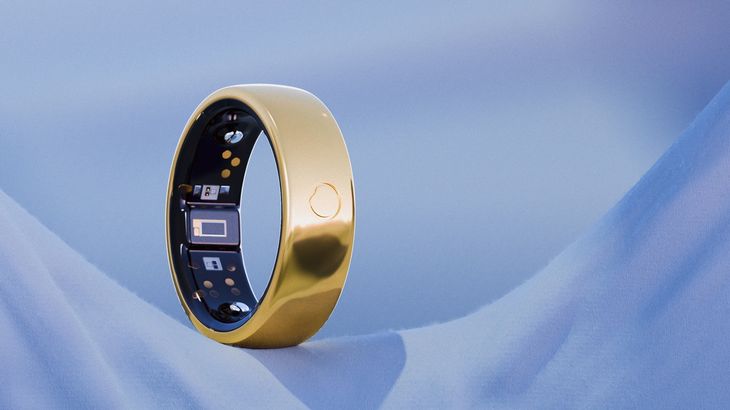
The ring’s durable military-grade steel exterior protects the delicate internal sensors from daily wear and tear.
This ensures that your investment continues to provide highly reliable health metrics for years to come.
Avoiding Common Wearable Pitfalls: Hidden Costs and Charging Anxiety
Many consumers jump into the wearable market without considering the long-term costs and daily frustrations of certain devices.
The most common mistake is purchasing a bulky smartwatch that requires daily charging.
If your device must be plugged in every night, you lose the ability to track your sleep architecture and overnight cardiovascular recovery.
This charging loop creates massive gaps in your personal health records, rendering your weekly averages highly inaccurate.
Another major pitfall is the hidden financial burden of mandatory monthly subscriptions.
Some premium smart ring brands charge up to six dollars per month just to access your own biometric data in their app.
Over three years, these hidden fees can add over two hundred dollars to the initial purchase price of your device.
At Team Herz P1, we believe that you should never have to pay a recurring fee to view your personal health trends.
The Herz P1 App is completely free for a lifetime, with absolutely no subscription paywalls or hidden costs.
Once you purchase your ring, you own your hardware and every single byte of your data forever.
Some users look for an apple watch companion app to integrate their wrist-based notifications with their ring data.
While smartwatches are highly convenient for checking quick text messages or taking calls, they often fall short as dedicated recovery trackers.
Using a smart ring alongside your smartphone allows you to keep your notifications separate from your biological tracking.
This separation helps you build a healthier relationship with technology and reduces screen-time anxiety.
By avoiding bulky designs and ongoing subscription models, you can focus entirely on what matters most: improving your daily health.
Frequently Asked Questions About Smart Rings
Is the Herz P1 smart ring waterproof enough for daily swimming?
Yes, the Herz P1 features a certified IP68 waterproof rating that allows for complete immersion in water up to 164 feet.
You can confidently wear the ring while swimming, taking a hot shower, doing the dishes, or sitting in a sauna.
The robust military-grade steel outer shell protects the inner electronic components from moisture and pressure.
We recommend rinsing the ring with clean water and drying it with a soft cloth after swimming in saltwater or chlorine.
How long does the Herz P1 battery last and how quickly does it charge?
The Herz P1 delivers up to six days of continuous, twenty-four-seven biometric tracking on a single charge.
This long battery life is achieved through highly efficient sensor algorithms and the omission of a power-hungry screen.
When the battery does run low, the ring charges fully in under one hour using the included magnetic charging dock.
Most users find that charging their ring for a few minutes during their morning shower keeps the battery topped off indefinitely.
Which finger is the best option to wear a smart ring on for accurate readings?
For the most accurate biometric readings, we recommend wearing the Herz P1 on your index, middle, or ring finger.
These three fingers contain the strongest digital arterial pulse signals, which are crucial for precise PPG optical sensing.
Your non-dominant hand is generally the best choice because it experiences less movement and friction during daily tasks.
Our complimentary sizing kit will help you find the perfect, snug fit for whichever finger you choose.
Does the Herz P1 store my biometric data offline if my phone is not nearby?
Yes, the Herz P1 has built-in offline storage that can hold up to seven days of local health data.
This means you do not need to keep your smartphone nearby during workouts, outdoor activities, or while you sleep.
Once your ring re-establishes a Bluetooth connection with your phone, all stored data will sync automatically to the app.
This offline capability ensures that you never lose precious sleep or activity records when you choose to disconnect from your screen.
90-Day 100% Money-Back Guarantee
“The Herz Smart Ring helps me manage stress easily. It’s accurate, stylish, and lightweight—perfect for my busy life!”
— Jennifer P. | ✔ Verified Customer
- ✓ 6-Day Battery Life
- ✓ Detailed Sleep Analysis
- ✓ Fast 1-Hour Charging
- ✓ iOS & Android Ready
Questions? Call: 1-866-479-1629
Conclusion: Your Subscription-Free Wellness Journey Starts Here
Choosing a health ring or watch depends on your lifestyle. For continuous, distraction-free tracking with zero monthly fees, the Herz P1 is the ultimate companion. Ready to monitor your health daily? Explore the Herz P1 Smart Ring today. Call: 1-866-479-1629 — our team can help advise on the correct ring size and set personalized wellness goals.
