

Why Are You Experiencing Insomnia After Surgery, and How Can You Reclaim Your Rest?
Waking up at 3 AM with a racing mind after a medical procedure is incredibly frustrating. This post-surgical sleeplessness is often tied to anesthesia disruption and nervous system stress. At Mind Body Dan, we recommend tracking your recovery journey screen-free with the Herz P1 Smart Ring to rebuild healthy sleep cycles safely.
Take Back Your Sleep.
Take Back Your Life.
- Fall asleep faster & sleep deeper
- Stop waking up in the middle of the night
- Wake up refreshed & full of energy
Key Takeaways
- Nervous System Disruption: Surgery triggers a profound inflammatory response and shifts the autonomic nervous system into a prolonged sympathetic (“fight-or-flight”) state.
- The Role of Biometrics: Objective tracking of Heart Rate Variability (HRV) and sleep stages can help you pinpoint exactly when your circadian rhythm begins to stabilize post-operation.
- Circadian Rebalancing: Simple physical changes like consistent morning light and comfortable, screen-free monitoring are vital for overcoming postoperative sleep issues.
- Elegance Meets Comfort: Bulky smartwatches can disrupt sleep further; a lightweight titanium smart ring is highly recommended for sensitive healing periods.
Understanding Insomnia After Surgery: Causes and Core Mechanisms
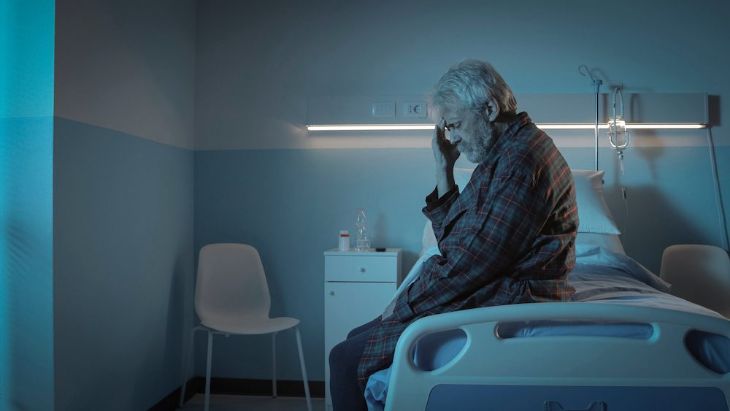
Quick Answer: Yes, experiencing insomnia after surgery is incredibly common, affecting up to half of all post-operative patients. The short answer is that post-surgical sleeplessness is a complex physiological reaction driven by pain, chemical disruptions from anesthesia, and systemic inflammation. However, to choose the right strategy for your recovery, you need to understand how your body’s autonomic nervous system heals and how to naturally realign your biological clock.
When we undergo any medical procedure, our body does not distinguish between a structured surgical intervention and a traumatic physical threat. The tissue trauma triggers an immediate, cascade-like release of inflammatory cytokines, cortisol, and adrenaline. This chemical storm actively blocks the brain’s ability to settle into deep, restorative slow-wave sleep. Even if you feel utterly exhausted, your mind might remain in a hyper-vigilant state, preventing you from sliding smoothly into unconsciousness. This biological vulnerability explains why so many individuals experience intense, frustrating bouts of insomnia after surgery.
Furthermore, the disruption of our natural homeostatic sleep drive is compounded by the hospital environment or a modified recovery setup at home. If you have spent days under artificial fluorescent lights, had your sleep interrupted by vital sign checks, or struggled to find a comfortable sleeping position due to fresh incisions, your circadian rhythm is bound to drift. This misalignment makes it incredibly difficult to fall asleep or stay asleep, even weeks after you have returned to the comfort of your own bed.
When to Prioritize Sleep Tracking (And When Not To)
Prioritize monitoring if: You are several days post-op, cleared by your doctor for light tracking, and want to observe how your resting heart rate and heart rate variability (HRV) metrics recover over time to guide your daily rehabilitation limits.
Avoid obsessive tracking if: Looking at your daily sleep metrics makes you anxious. If seeing a low recovery score causes your mind to race further, take a break. Focus first on comfort, gentle breathing, and allowing your body to rest naturally without any form of analytical pressure.
To gently support your recovery, we advise incorporating foundational sleep hygiene tips into your daily routine. Yet, establishing these habits can be incredibly difficult when you are flying blind without objective feedback. To bridge this gap, we highly recommend utilizing a screen-free, lightweight tracking solution like the Herz P1 Smart Ring. Unlike bulky smartwatches that glow and buzz throughout the night—further agitating your sensory system—this ultra-light titanium ring works quietly in the background. It delivers rich biometric data directly to your phone, allowing you to check your trends when you choose, without any screen distractions at your bedside.
Frequently Asked Questions About Post-Operative Sleep
Q1: How long does insomnia after surgery typically last?
For most individuals, acute post-surgical sleeplessness starts to subside within two to four weeks as anesthesia completely clears and localized inflammation decreases. However, if chronic stress or poor behavioral habits take root during this phase, sleep issues can linger much longer.
Q2: Why does anesthesia make it so hard to sleep days later?
Many patients report they can’t sleep after anesthesia because these strong compounds disrupt the brain’s delicate sleep-regulating neurotransmitters. It can take several days for your natural neurological baseline to recover fully.
Q3: Can pain medication worsen my sleep quality?
Yes. While pain relievers are vital for physical comfort, certain medications—especially opioids—can severely fragment your sleep architecture, reducing both deep sleep and REM sleep, leaving you feeling exhausted despite spending hours in bed.
Q4: Is it safe to track biometrics while recovering?
Absolutely, provided your device is non-invasive and comfortable. Monitoring your physiological trends can help you understand how your nervous system is gradually returning to a relaxed, parasympathetic state.
The Science of Post-Surgical Sleeplessness: Anesthesia, Pain, and the Nervous System
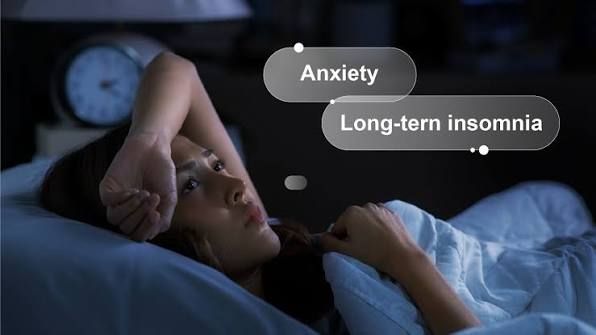
To understand why you struggle with post surgical sleeplessness, we must look at how anesthesia and physiological stress alter your brain chemistry. General anesthesia does not simply “put you to sleep”; rather, it induces a state of reversible pharmacological coma. The agents used during surgery bind heavily to GABA receptors in the brain. Once the surgery is complete and you wake up, your body must metabolize these heavy compounds. As they leave your tissues, your brain can experience a rebound effect, resulting in heightened excitability, strange dreams, and a complete destabilization of your natural circadian rhythm.
This explains why so many individuals complain that they can’t sleep after anesthesia. Your brain’s internal master clock, the suprachiasmatic nucleus, has been temporarily knocked off course. Instead of smoothly transitioning between light, REM, and deep sleep stages, your brain waves remain fragmented. This fragmentation prevents you from entering the deeper, physically restorative stages of sleep that are essential for cellular repair and tissue healing.
— Team Mind Body Dan Biometric Insights
At the same time, physical discomfort plays a significant role in keeping you awake. Pain signals travel up the spinal cord, activating the reticular activating system (RAS) in the brainstem, which keeps you in a state of high alert. If you are constantly shifting to avoid placing weight on an incision, your body’s sympathetic nervous system remains active. This is where tracking your biological trends becomes incredibly valuable. By monitoring your HRV, you can observe whether your body is stuck in a chronic stress state (low HRV) or if it is beginning to relax and transition into recovery mode (increasing HRV).
Yet, trying to track these metrics with a heavy, glowing smartwatch can backfire. Standard wearables often require daily charging, have bright screens that illuminate with every wrist movement, and send distracting notifications that can trigger late-night stress. This is why we advocate for screen-free wellness tools during delicate recovery phases. A sleek titanium ring tracks your vitals without sending intrusive alerts, letting your nervous system calm down naturally.
Actionable Strategies for Better Sleeping After Surgery

To successfully overcome insomnia after surgery, you need a structured, gentle approach that coordinates your mind, body, and environment. Re-establishing healthy sleep patterns is a gradual process of calming a highly stimulated nervous system. By implementing reliable daily habits and optimizing your sleeping setup, you can guide your body back to natural, restorative sleep.
Here are four practical, science-backed steps you can begin using today to improve your sleeping after surgery:
- Establish a Consistent Morning Light Anchor: Spend 10 to 15 minutes in natural sunlight within an hour of waking. This exposure helps reset your master circadian clock, signaling to your brain that the day has begun and setting up melatonin production for later that evening.
- Optimize Your Physical Sleeping Alignment: Use specialized wedge pillows or body pillows to take pressure off your incisions. If you have undergone abdominal or orthopedic surgery, elevating your knees slightly or keeping your torso at a gentle incline can dramatically lower physical discomfort.
- Minimize Screen Exposure in the Evening: Avoid smartphones, tablets, and bright televisions for at least two hours before bed. Blue light suppresses melatonin, tricking an already stressed brain into thinking it needs to stay awake and alert.
- Adopt Screen-Free Biometric Monitoring: Use a lightweight, screen-free wearable to check your recovery progress. Knowing your sleep stages and HRV trends can help you make smart, data-informed lifestyle adjustments without the stress of constant notifications.
The Screen-Free Recovery Edge
Recovering from surgery requires physical comfort and mental calm. A screen-free smart ring lets you track essential metrics like sleep cycles, heart rate variability, and body temperature trends without the distraction of a bright, buzzing screen. By keeping your bedroom a distraction-free space, you can focus on healing and let your body recover naturally.
By using these natural strategies alongside comfortable recovery tracking metrics, you can slowly help your body shift out of “fight-or-flight” and back into its natural sleep patterns. Be patient with yourself; healing takes time, and your sleep cycles will naturally rebuild as your body recovers.
Ultimately, monitoring your sleep stages (REM, Deep, and Light) alongside your daily HRV trends gives you the clear, objective insights you need to understand how your recovery is progressing. The Herz P1 Smart Ring offers a reliable, elegant, and subscription-free way to gather these vital metrics, helping you regain your peace of mind and get the deep, restorative sleep your body needs to heal.
Disclaimer: Results may vary depending on individual physical activity levels, unique health conditions, and daily tracking patterns. This content is for informational purposes only and is not intended to replace professional medical advice, diagnosis, or treatment. Always consult with your primary healthcare provider or surgeon before making changes to your post-operative recovery protocol, starting new tracking habits, or using sleep aids during your recovery period.
