

How to Clean Memory Foam Pillows and Remove Stains for Restorative Sleep
Are allergen-filled pillows disrupting your rest and triggering 3 AM awakenings? Learn how to clean memory foam pillows to eliminate sleep-disrupting pathogens. Pair your clean bedding environment with the screen-free Herz P1 Smart Ring to track how deep sleep stages and HRV recover when your sleep hygiene improves.
Take Back Your Sleep.
Take Back Your Life.
- Fall asleep faster & sleep deeper
- Stop waking up in the middle of the night
- Wake up refreshed & full of energy
Key Article Highlights:
- Discover why traditional washing machines ruin memory foam and how to avoid costly damage.
- Step-by-step chemical-free methods to eliminate deep sweat, oils, yellowing, and persistent odors.
- How keeping your pillow sanitized lowers physical stress markers, improving your Heart Rate Variability (HRV).
- Ways to transition to a screen-free sleep environment with smart wearables for better sleep architecture.
1. The Golden Rule of Bedding Care: How to Clean Memory Foam Pillows Safely

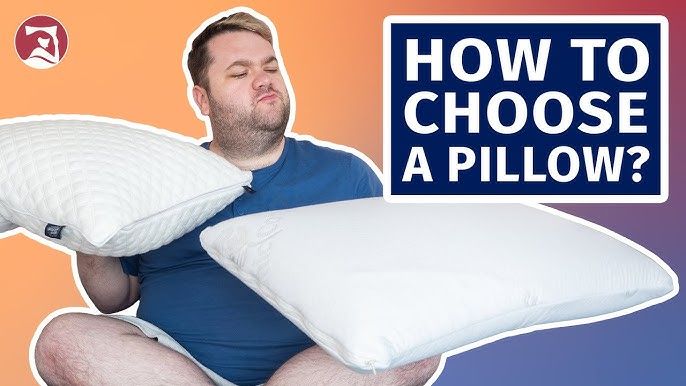
Do you ever wake up at 3 AM with a stuffy nose, a racing mind, or a subtle feeling of physical restlessness? It is easy to blame a hectic workweek, but the true culprit might be resting directly under your head. Over months of regular use, pillows act like sponges—silently absorbing body oils, sweat, dead skin cells, and microscopic dust mites. Understanding how to clean memory foam pillows is not just about keeping your bedroom looking pristine; it is a foundational step in optimizing your physical recovery and sleep hygiene.
Unlike standard fiberfill or down options, memory foam requires specialized care. If you have ever wondered how to wash memory foam pillow inserts in a washing machine, the short answer is: don’t. The intense mechanical agitation and spinning of modern washing machines will shred the delicate, open-cell polyurethane structure of the foam, rendering it completely useless. Knowing how to clean foam pillows manually is the only way to preserve their pressure-relieving contours while protecting your respiratory health.
Prerequisites for Cleaning Memory Foam
Before beginning, gather these simple, gentle materials to ensure you do not degrade the foam integrity:
- A vacuum cleaner with a clean upholstery attachment.
- Mild, liquid, dye-free detergent or organic castile soap.
- Baking soda (sodium bicarbonate) for natural deodorizing.
- Several clean, dry microfiber towels.
- A spray bottle filled with lukewarm water.
- A large bathtub or deep basin (if a deeper soak is required).
Step-by-Step Execution Guide
When studying how to clean memory foam pillows, a structured, methodical approach yields the best results. Below is our team’s recommended protocol to safely refresh and sanitize your pillow.
Step 1: Strip and Wash the Outer Covers
Remove the zippered pillowcase and any protective liners. Most memory foam pillows come with a removable fabric cover that can be safely tossed into your washing machine. Wash these covers in hot water with a hypoallergenic laundry detergent to kill dust mites and remove surface facial oils.
Step 2: Vacuum the Foam Core
Lay the bare memory foam flat on a clean surface. Using your vacuum’s upholstery brush attachment, gently vacuum all sides of the pillow. This action extracts loose dust, pet dander, hair, and surface debris without introducing unnecessary moisture. If you want to master how to clean foam pillows, this vacuuming step should ideally be performed once a month.
Step 3: Deodorize and Draw Out Moisture with Baking Soda
To neutralize stubborn odors from night sweats, sprinkle a generous, even layer of baking soda over the entire surface of the pillow. Let it sit undisturbed for at least 45 to 60 minutes. The baking soda will chemically bond with acidic odor molecules and pull out residual moisture. Vacuum the powder away thoroughly using slow, overlapping passes.
Pro-Tip on Spot-Treating Yellow Stains:
For stubborn yellow discoloration from sweat, mix a 1:1 solution of warm water and organic white vinegar with a drop of gentle dish soap. Lightly mist the stained area—do not saturate the foam—and dab gently with a clean white microfiber cloth. Avoid rubbing, as friction can tear damp memory foam.
Step 4: Performing a Deep Clean (Only When Highly Necessary)
If your pillow has suffered a major spill, learning how to wash memory foam pillow cores via a delicate hand-wash bath is essential. Fill a bathtub with lukewarm water and stir in a small spoonful of gentle liquid detergent. Submerge the pillow, and gently compress and release it to allow the soapy water to penetrate the cells. Drain the soapy water, refill the tub with clean water, and repeat the compression process until all soap residue is rinsed away.
Step 5: Pressing Out Water and Air Drying
Never wring, twist, or squeeze a wet foam pillow with force. Instead, press the pillow between two thick, dry towels to squeeze out the excess water. Once done, place the pillow flat on an outdoor drying rack in a well-ventilated, shaded area. Alternatively, dry it indoors under a running ceiling fan. Ensure it is 100% dry before placing it back in its cover, as trapped moisture will lead to internal mold growth.
Common Pitfalls & Mistakes
- The Dryer Trap: Never put a memory foam pillow in a clothes dryer. High heat will melt the polymer bonds, breaking down the material and releasing toxic chemical fumes.
- Saturating Shredded Foam: Keep in mind that shredded memory foam retains water much longer than solid block foam. If you are learning how to clean foam pillows of the shredded variety, opt for light misting rather than complete submersion.
- Harsh Bleaching Agents: Avoid chlorine bleach, hydrogen peroxide, or harsh stain-releasing enzymes. These break down the chemical composition of the foam, destroying its supportive qualities.
Quick Cleaning Checklist
Use this fast checklist every time you tackle bedroom cleaning day to ensure optimal hygiene:
| Frequency | Task to Complete | Primary Objective |
|---|---|---|
| Weekly | Wash pillowcases & protectors | Remove surface oils & sweat build-up |
| Monthly | Vacuum bare foam & apply baking soda | Deodorize, extract loose dust mites |
| Bi-Annually | Deep spot-clean with vinegar/soap solution | Eliminate yellow stains, sanitize core |
| 2-3 Years | Replace the foam core completely | Restore physical neck & spine alignment |
By integrating these steps, you will quickly notice how fresh, allergen-free bedding transforms your immediate sleeping environment. But how exactly does a cleaner pillow translate to improved, measurable physical recovery? Let us explore the scientific connection between your bedroom air quality and your biometric data.
2. The Hidden Cost of Dirty Pillows: Micro-Awakenings, Allergens, and Lowered HRV
We often think of poor sleep as a purely mental issue—the result of a racing mind, late-night screen time, or work stress. However, physical stressors in your environment are just as potent. When dust mites, pet dander, and mold spores accumulate inside your pillow, your body must fight off these micro-invaders all night. This triggers a subtle, ongoing histamine response that forces your immune system into overdrive while you sleep.
The result? You might experience persistent nasal congestion, shallow breathing, or frequent micro-awakenings at 3 AM. Even if you do not remember waking up, these brief interruptions fragment your sleep architecture. When your sleep is interrupted, you spend less time in Deep and REM sleep stages, waking up with brain fog, a heavy head, and a general lack of energy.
If you are monitoring your physical health, this environmental stress will show up directly in your biometrics, particularly your **Heart Rate Variability (HRV)**. HRV is a window into your autonomic nervous system. A higher HRV indicates a relaxed, adaptable state dominated by your parasympathetic (rest-and-digest) nervous system. Conversely, a suppressed HRV shows that your sympathetic (fight-or-flight) nervous system is working overtime.
Biometric Insight: How Sleep Hygiene Boosts Recovery
When you master how to clean memory foam pillows and maintain a clean sleep environment, you reduce night-time physical stress. Your body spends less energy managing inflammation, allowing your parasympathetic nervous system to take over. This naturally improves your night-time HRV, supports deep sleep stages, and leads to a higher morning recovery score.
Understanding how to wash memory foam pillow fibers or spot-cleaning them regularly helps eliminate these airborne stressors. However, keeping your pillow clean is only one half of the equation; the other half is tracking how your body responds to these changes. Measuring biometric markers like HRV, resting heart rate, and sleep cycles helps you understand what truly supports your recovery.
This is where standard, bulky smartwatches often fall short. Many people find wearing a heavy watch to bed uncomfortable or distracting, and the glowing screens can disrupt the winding-down process. A lightweight, screen-free alternative allows you to gather accurate biometric data without the distractions of a traditional smartwatch.
3. Building a Seamless, Screen-Free Sleep and Recovery Routine
Mastering how to clean foam pillows is a great foundation for healthy sleep, but a truly restorative routine requires a holistic approach. For many of us, the hardest part of sleep hygiene is stepping away from technology. Bringing phones or tablets to bed keeps our minds active and exposes us to blue light, which suppresses melatonin production and delays deep sleep.
Yet, tracking sleep remains highly valuable. Seeing exactly how much Deep and REM sleep you get, or seeing your HRV trends rise as you practice maintaining clean bedding, provides clear feedback. To bridge this gap, many sleep enthusiasts are moving toward screen-free tracking methods.
The Herz P1 Smart Ring offers a streamlined solution. Made from lightweight, medical-grade titanium, this screen-free ring monitors your sleep patterns without the bulk or distractions of a smartwatch. By moving the sensors to your finger, where blood vessels are closer to the skin, it captures highly accurate biometrics, including Sleep Stages (REM, Deep, Light) and HRV.
One of the standout features of the Herz P1 is its focus on simplicity. Instead of overwhelming you with complex graphs, its biometric algorithms synthesize your daily data into an intuitive **Recovery Score**. Best of all, it operates on a subscription-free model. Unlike many other smart rings on the market that require monthly fees to access your own data, with the Herz P1, you buy the device once and own your insights forever.
By pairing a clean physical environment with consistent biometric tracking, you can take control of your sleep and recovery. Knowing washing memory foam pillows and keeping your bedding fresh reduces physical stress, while a screen-free tracker shows you the positive impact on your sleep quality—helping you wake up refreshed and ready for the day.
To keep your bed fresh and support your health, try integrating these simple habits into your routine:
- Vacuum Weekly: Whenever you wash your sheets, take a moment to vacuum your memory foam pillow core to prevent allergen buildup.
- Keep It Dry: Always let your pillow dry completely in a well-ventilated space after spot-cleaning to prevent mold.
- Protect the Foam: Use a zippered, breathable pillow protector under your pillowcase for an extra layer of defense against sweat and dust.
- Monitor Your Body: Use a screen-free tool like the Herz P1 Smart Ring to observe how simple sleep hygiene updates improve your deep sleep and HRV.
By following these steps, you can create a healthier sleep environment, improve your recovery, and enjoy more restful nights.
Disclaimer: Results may vary depending on individual physical activity levels, unique health conditions, and daily tracking patterns. The Herz P1 Smart Ring is a wellness tracking device designed for informational purposes and is not a replacement for medical devices, diagnosis, or treatment. Please consult a healthcare professional for clinical health concerns.
