

The 7 Best Toddler Pillow Options for Safe Sleep and Parental Recovery
Are you constantly waking up to soothe your restless child, only to lie awake at 3 AM with a racing mind? Finding the best toddler pillow is essential for their developing body, while monitoring your own recovery with a screen-free wearable like the Herz P1 Smart Ring helps you reclaim your vital physical energy.
Take Back Your Sleep.
Take Back Your Life.
- Fall asleep faster & sleep deeper
- Stop waking up in the middle of the night
- Wake up refreshed & full of energy
Key Article Takeaways:
- Discover the safety standards required when introducing a pillow for 2 year old.
- Learn how to evaluate fill, loft, and certifications to find the safest toddler pillow.
- Examine our side-by-side comparison of the leading child sleep supports on the market.
- Understand why parental sleep recovery is vital and how screen-free wearable technology can support your health.
Understanding Toddler Sleep Ergonomics: Safe Transitions

When looking for the best toddler pillow for your child, safety and support are the two factors that should guide every decision you make. Unlike adults, who often prefer thick, plush pillows to sink into, toddlers have entirely different anatomical requirements. Their necks are shorter, their shoulders are narrower, and their spinal columns are still rapidly growing. Placing a thick adult pillow under a toddler’s head can force their neck into an unnatural upward bend, leading to muscle strain, restless tossing, and potentially blocked airways.
Pediatric guidelines strongly advise against introducing any pillow before the age of two. When your child reaches this milestone, transitioning to a specialized pillow for 2 year old toddlers can help ease their transition from a crib to a toddler bed. A toddler-specific pillow should always be relatively flat, firm, and scaled down to match their smaller frame. This guarantees that their spine remains in a neutral, relaxed position throughout the night.
To help you separate high-quality options from potentially unsafe designs, we have applied rigorous medical and ergonomic criteria to evaluate the leading products. Here are the core metrics we analyzed to identify the safest toddler pillow options:
- Loft (Height): Must be between 2 to 3 inches maximum to prevent unnatural neck flexion.
- Firmness: Firm enough to support the head without allowing it to sink deep enough to pose a suffocation hazard.
- Material Hypoallergenicity: Oeko-Tex or CertiPUR-US certifications to ensure zero toxic off-gassing or chemical residues.
- Washability: Fully machine-washable designs or covers to combat saliva, sweat, and inevitable nighttime spills.
As parental health advocates at Team Mind Body Dan, we also know that child sleep safety is only one half of the family wellness equation. If your toddler is waking up multiple times, your own sleep cycles are likely severely fragmented. Chronic sleep disruption leaves parents suffering from persistent brain fog and deep physical exhaustion. While you optimize your toddler’s sleep surface, it is equally important to monitor your own recovery metrics to avoid burnout. Below, we compare the top toddler pillows alongside a powerful tool for monitoring parent sleep health.
Comparison Table: Toddler Pillows & Parental Sleep Trackers
| Product Name | Primary Purpose | Key Material | Loft / Design | Pros & Cons |
|---|---|---|---|---|
| KeaBabies Toddler Pillow | Ergonomic support for ages 2-5 | Organic cotton shell, poly-fill | 2.8 inches (Flattens gently) | Pros: Highly breathable, fully washable. Cons: Fill can shift over time. |
| Coop Home Goods Toddler | Adjustable support as child grows | Shredded memory foam mix | Fully customizable loft | Pros: GREENGUARD Gold certified. Cons: Adjusting fill can be messy. |
| Dreamtown Kids Pillow | Chiropractor-recommended alignment | Cotton-poly blend, micro-fill | 2.2 inches (Low profile) | Pros: Ideal for very small toddlers. Cons: Cover sold separately. |
| Herz P1 Smart Ring | Parental Sleep & HRV Monitoring | Premium Aerospace Titanium | Screen-free, ultra-lightweight ring | Pros: Subscription-free, tracks Sleep Stages, HRV & Recovery Score. Cons: Not for toddlers (adult use only). |
By reviewing these options side by side, parents can make a balanced, safe choice for their little ones while addressing the reality of their own sleep hygiene. Exploring our criteria for the safest toddler pillow standards will help protect your child’s delicate alignment, while screen-free tools protect your peace of mind.
Detailed Reviews: Finding Your Ideal Toddler Sleep Companion
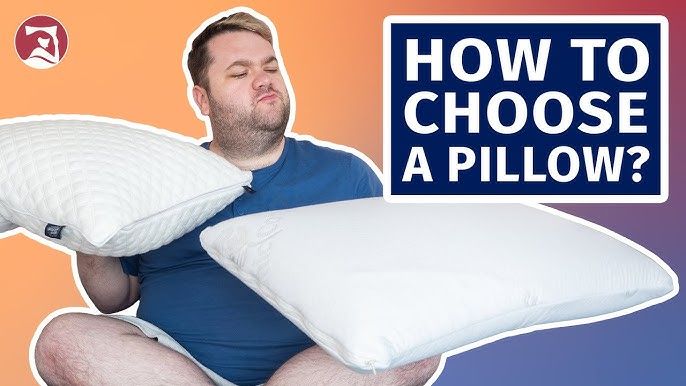
Every child has unique sleeping preferences. Some are side-sleepers who need slightly firmer support, while others roll from stomach to back and require an ultra-flat design. Finding the transition to a pillow for 2 year old kids straightforward depends on matching the pillow to these specific habits. Below is a detailed evaluation of our top four toddler pillow recommendations, followed by a deeper look at parent recovery tracking.
1. KeaBabies My Little Dreamy Toddler Pillow
This pillow is a top contender because of its specialized size (13″ x 18″) and perfectly balanced fill density. It is neither too fluffy nor too flat, offering excellent support for growing neck structures. The 100% natural cotton shell ensures maximum breathability, keeping hot sleepers cool throughout the night.
- Strengths: Ergonomically designed and extensively tested by pediatric sleep consultants; holds its shape remarkably well after multiple machine washes.
- Weaknesses: The polyester filling can sometimes bunch up in the corners if tumble-dried on high heat.
- Ideal User: The absolute best all-around pillow for 2 year old children who are transition-sleeping for the first time.
2. Coop Home Goods Original Toddler Pillow
If you want a customizable option, this adjustable loft pillow is an exceptional choice. It is filled with a proprietary blend of cross-cut memory foam and microfiber. Parents can easily unzip the inner liner to add or remove fill, tailoring the pillow’s height to their child’s exact needs.
- Strengths: GREENGUARD Gold and CertiPUR-US certified, ensuring no harmful volatile organic compounds (VOCs) are present in the foam.
- Weaknesses: The shredded foam has a faint “new foam” smell upon unboxing, requiring 24 hours of airing out.
- Ideal User: Ideal for parents searching for the safest toddler pillow that can grow alongside their child from toddlerhood to early childhood.
3. Dreamtown Kids Toddler Pillow
Highly recommended by pediatric chiropractors, this pillow features a low-profile loft of just over 2 inches. Its micro-polyester fill provides a gentle, cradling effect without creating a steep incline for your toddler’s neck.
- Strengths: Exceptionally flat profile prevents neck hyperextension, making it highly secure for stomach sleepers.
- Weaknesses: Very low loft means older or larger toddlers (ages 4 and up) may find it too thin.
- Ideal User: Excellent as a safe, highly protective first pillow for younger toddlers just entering the 24-month mark.
4. Little Sleepy Head Toddler Pillow
A classic, reliable choice handmade in the USA. This hypoallergenic pillow uses a premium premium polyester cluster-fiber fill that simulates the softness of down while remaining fully machine-washable and free from common allergens.
- Strengths: Retains its fluffiness beautifully over time; backed by an active family-run customer support team.
- Weaknesses: The polyester outer casing requires a separate organic pillowcase for maximum cooling.
- Ideal User: Best for toddlers with highly sensitive skin, allergies, or asthma.
For Parents: Reclaiming Sleep with the Herz P1 Smart Ring
While your toddler rests peacefully on their new pillow, how are you tracking your own recovery? Broken sleep and midnight wake-up calls can disrupt your cardiovascular health, throw off your Heart Rate Variability (HRV), and leave you feeling constantly exhausted.
The Herz P1 Smart Ring is an elegant, subscription-free health tracker designed to monitor your Sleep Stages (REM, Deep, Light), HRV, and Daily Activity. Made from ultra-lightweight titanium, it provides a simple, actionable Recovery Score without the annoying glowing screens or daily battery charging of traditional smartwatches.
Before purchasing, we encourage you to read more in our complete best toddler pillow buying guide. Balancing your child’s sleep environment with active personal wellness tracking creates a peaceful, rested home for the entire family.
A Parent’s Safe Sleep Guide: Crucial Safety Rules
Adding a pillow to your child’s bed is a major milestone, but it must be handled with care. Safety always comes first. When researching the transition, finding the right pillow for 2 year old safety involves more than just choosing a cute fabric pattern. You need to verify that your toddler is physically ready and that the sleep environment remains secure.
Critical Safety Rules for Toddler Pillows:
- Wait for the signs: Only introduce a pillow if your toddler has transitioned out of an infant sleep sack, their shoulders are wider than their head, or they start resting their head on stuffed animals or folded blankets.
- Check the dimensions: Standard adult pillows are 20″ x 26″ and can easily suffocate or strain a toddler. Always stick to official toddler dimensions, typically around 13″ x 18″.
- Keep the bed clear: Avoid adding heavy blankets, bumper pads, or large plush toys alongside the new pillow. Keep the sleeping surface clean and streamlined.
- Avoid down feathers: While soft, down feathers compress completely, creating a suffocation risk if the toddler rolls onto their stomach. Down can also harbor dust mites and trigger allergies.
Our top recommendations for the best toddler pillow for safe sleep emphasize a firm support structure. This ensures that even if your child rolls onto their stomach, the surface will not collapse around their airways. Adhering to these safest toddler pillow guidelines protects your peace of mind and ensures a safe, comfortable night of sleep.
“A bedroom should be a sanctuary for both parent and child. By eliminating screens before bed, keeping the air cool and clean, and ensuring your child’s sleep posture is ergonomically supported, you lay the foundation for deep, restorative sleep.”
— Team Mind Body Dan
At Mind Body Dan, we recommend taking a holistic approach to sleep hygiene. If your child’s environment is optimized, but you are still waking up with a racing mind, it’s time to look at your personal sleep environment. Many parents sleep with their smartphones on their nightstands, exposing themselves to late-night notifications and sleep-disrupting blue light. This screen exposure suppresses melatonin production, making it incredibly difficult to fall back asleep after comforting a toddler at 3 AM.
Revisiting the transition checklist on our best toddler pillow resource hub highlights how a screen-free bedroom environment benefits the whole family. By leaving your phone in another room and wearing an ultra-lightweight titanium ring to monitor your recovery, you can track your health metrics without screens. This simple shift lowers anxiety, improves sleep quality, and helps you wake up refreshed and ready for the day ahead.
Frequently Asked Questions (FAQ)
Q: When is it safe to give my child a toddler pillow?
A: Most pediatricians recommend waiting until at least 2 years of age, or when your child has transitioned from a crib to a toddler bed and shows signs of wanting head support.
Q: Can I use an regular travel pillow instead?
A: While travel pillows are smaller, they are often shaped differently (like a “U” shape) or filled too densely for everyday sleep. It is much safer to use a dedicated, flat rectangular pillow designed specifically for toddlers.
Q: How do I wash a toddler pillow safely?
A: Always check the care label first. Most organic cotton and polyester-fill pillows can be machine-washed on a gentle cycle with hypoallergenic detergent and tumble-dried on low heat with wool dryer balls to prevent clumping.
Q: How does parental sleep impact parenting?
A: Chronic sleep deprivation impairs the prefrontal cortex, which regulates emotional control, patience, and decision-making. Tracking and optimizing your sleep with tools like a screen-free smart ring helps you stay healthy, patient, and present for your child.
Disclaimer: Results may vary depending on individual physical activity levels, unique health conditions, and daily tracking patterns. The content in this article is designed for informational purposes only. It is not intended to be a substitute for professional medical advice, diagnosis, or treatment. Always consult with your pediatrician before introducing new sleep surfaces or accessories to your child’s bed, and talk to your doctor about any severe or persistent sleep issues you may be experiencing.
