

Is Inspire Sleep Apnea Treatment Right for You? A Science-Backed Guide to How It Works
If you wake up gasping, battle afternoon brain fog, or struggle with a racing mind at 3 AM, you may be researching the Inspire sleep apnea treatment. We analyze how this therapy keeps airways open, while showcasing screen-free tools to track your nightly physiological recovery.
Take Back Your Sleep.
Take Back Your Life.
- Fall asleep faster & sleep deeper
- Stop waking up in the middle of the night
- Wake up refreshed & full of energy
Key Article Highlights
- What It Is: An implantable medical device that acts as a pacemaker for your airway, offering a strong alternative to bulky CPAP setups.
- The Mechanics: Uses mild nerve stimulation to keep the tongue from blocking your airway during sleep.
- Ideal Candidates: Adults with moderate-to-severe Obstructive Sleep Apnea (OSA) who struggle to tolerate positive airway pressure masks.
- Recovery Tracking: Why screening and mapping deep sleep, REM sleep, and Heart Rate Variability (HRV) is crucial for validating your sleep health.
Understanding Inspire Sleep Apnea Treatment: The Quick Answer

The Quick Verdict
Yes, for patients who cannot tolerate traditional Positive Airway Pressure (PAP) systems, the Inspire sleep apnea treatment is a highly clinical, FDA-approved implantable alternative. The short answer is that it works internally to stimulate the hypoglossal nerve, keeping the airway open naturally. However, to choose the right option, you must understand your diagnostic criteria, airway anatomy, and how to track your physiological sleep markers over time.
Detailed Explanation of the Technology
To comprehend how this system operates, we first have to review what occurs during obstructive sleep apnea (OSA). When you fall asleep, the muscles in your throat and soft palate relax. For millions of people, gravity pulls these tissues downward, causing the tongue to collapse into the back of the throat. This physical blockage stops airflow, leading to sudden awakenings, gasping, and severe heart-rate fluctuations.
The core mechanism behind the Inspire sleep apnea treatment involves a small, surgically implanted pulse generator. Often described as a “pacemaker for the tongue,” this device is placed under the collarbone during an outpatient procedure. It connects to two thin leads: a sensing lead placed between the ribs to detect your natural breathing cycles, and a stimulation lead wrapped gently around the hypoglossal nerve (the nerve that controls tongue movement).
When you breathe in, the sensor sends a signal to the generator, which delivers a mild electrical impulse to the hypoglossal nerve. This subtle stimulation coaxes the tongue muscle forward and keeps the airway clear, allowing for consistent oxygen flow. Rather than pushing forced air down your throat, this approach works in harmony with your body’s autonomic breathing patterns.
When is this Treatment Recommended?
This therapy is not a first-line lifestyle adjustment. Instead, it is indicated for individuals who meet specific criteria:
- Diagnosed with moderate-to-severe Obstructive Sleep Apnea (with an Apnea-Hypopnea Index, or AHI, between 15 and 65).
- Have struggled with or are unable to tolerate alternatives to CPAP therapy.
- Are at least 18 years of age.
- Do not have a highly elevated Body Mass Index (typically under 32 to 35, as excessive tissue around the neck can limit the device’s efficacy).
- Do not have complete concentric collapse of the soft palate, a specific airway structural pattern that a doctor evaluates during a brief drug-induced sleep endoscopy (DISE).
Empathetic Insight: The Daily Toll of Sleep Deprivation
Living with sleep apnea isn’t just about loud snoring; it is a profound physical and emotional burden. Waking up at 3 AM with a racing mind, facing chronic morning brain fog, and relying on endless cups of coffee just to survive the workday is exhausting. When you cannot get into restorative deep sleep or REM sleep, your heart rate variability (HRV) drops, your nervous system remains stuck in fight-or-flight mode, and your body never truly recovers.
How to Complement Your Sleep Journey
While medical procedures like the Inspire sleep apnea treatment address the structural blocks in your airway, optimizing your broader sleep architecture requires consistent tracking. Knowing whether your sleep quality is actually improving can be difficult if you rely on guesswork or complex, bulky smartwatches that keep you awake with bright screen notifications and require constant charging.
This is where screen-free biometric tracking steps in. Wearables like the Herz P1 Smart Ring offer an elegant, lightweight, titanium design that sits comfortably on your finger. By continuously tracking sleep stages (Deep, REM, Light) and capturing changes in Heart Rate Variability (HRV), the Herz P1 translates complex cardiovascular algorithms into a single, intuitive Daily Recovery Score. It features a subscription-free model with no hidden monthly fees and a long battery life, making it easy to track your long-term recovery trends without adding digital distractions to your bedroom.
Quick Frequently Asked Questions
Is the implantation procedure painful?
Most patients report mild discomfort at the incision sites under the chin and collarbone for a few days post-surgery, which is typically managed with over-the-counter pain relievers.
How do you control the device?
The system is controlled using a small, hand-held sleep remote. You simply hold the remote over your generator implant to turn it on before going to bed and turn it off when you wake up in the morning.
Will insurance cover this procedure?
Most major insurance providers, including Medicare and many private insurance plans, cover the therapy when clinical necessity criteria are met and CPAP intolerance is documented.
How Does Inspiresleep Work: Surgical Process and Clinical Performance
The Science of Hypoglossal Nerve Stimulation
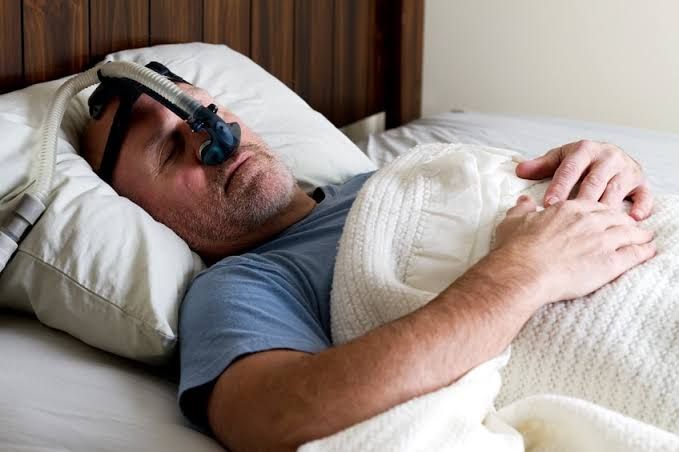
To answer the core question of how does inspiresleep work, we must look closely at neuromuscular coordination. Our bodies naturally preserve a degree of muscle tone when we sleep. However, for people with obstructive sleep apnea, that muscle tone drops too low, leading to airway collapse.
The implant features a smart breathing sensor that measures chest wall expansion and contraction, tracking when you are inhaling. It translates this data to the stimulator lead, delivering a gentle pulse to the hypoglossal nerve. This nerve stimulation triggers the genioglossus muscle (the main muscle at the base of the tongue), causing it to contract forward and open up space behind the soft palate.
Rather than waking you up, this mild stimulation is designed to work sub-perceptibly. This means you can drift through light, deep, and REM sleep cycles without being constantly disturbed by physical obstructions or loud alarms. For many patients searching for inspiresleep.com how does it work, this neuromuscular response provides relief from chronic airway obstruction.
“By shifting the focus from external positive air pressure to internal neuromuscular support, hypoglossal stimulation represents a major evolutionary leap in sleep science, particularly for patients struggling with mask discomfort and dry airway irritation.”
— Team Mind Body Dan
What to Expect During the Surgical Process
If you and your doctor decide to move forward, understanding the clinical milestones can help ease any pre-surgical anxiety:
- The Outpatient Procedure: The implant is placed during an outpatient surgery lasting roughly two hours under general anesthesia. It requires two small incisions: one under the chin for the stimulation lead, and one under the collarbone where the stimulator device is located.
- The Healing Phase: Most patients return home the same day. You may experience minor swelling, bruising, or mild tenderness, which typically resolves in a week or two.
- Device Activation: The system is not turned on immediately after surgery. Your body needs about four to six weeks to heal. Once your incisions have fully recovered, you will visit your sleep specialist to activate the device and learn how to use your hand-held remote.
- The Fine-Tuning Process: Over the following months, your clinical team will gradually adjust the stimulation settings to find the balance that keeps your airway open comfortably without waking you.
Clinical Success Rates and What the Data Shows
When reviewing inspire info, the clinical data is highly encouraging. In clinical trials, most patients experienced a significant reduction in their apnea episodes. Specifically, the STAR clinical trial (Stimulation Therapy for Apnea Reduction) demonstrated a 78% reduction in sleep apnea events, alongside a 90% reduction in partner-reported snoring.
These statistical improvements are vital, but how do they translate to your daily life? Better airway stability means less fragmentation of your sleep stages. It means fewer sudden spikes in heart rate and adrenaline, allowing your body to settle into the deep, restorative rest it needs to recharge your cardiovascular system.
Comparing Solutions: CPAP, BiPAP, and Tracking Your Recovery Metrics

How Inspire Differs from CPAP and BiPAP
Traditional treatments for obstructive sleep apnea options rely on positive airway pressure machines, such as CPAP or BiPAP. While highly effective when used consistently, many users struggle with practical challenges, including:
- Air leaks that irritate the eyes or cause dry nasal passages.
- Claustrophobia from wearing a tight-fitting facial mask.
- The restrictive tubing that limits your sleeping positions.
- The loud background hum of the machine, which can disrupt sleep for you and your partner.
The Inspire sleep apnea treatment addresses these issues by eliminating the external mask and hose entirely. By placing the system inside your body, it allows you to sleep in any position—on your side, back, or stomach—without worrying about dislodging equipment.
The Clinical Comparison at a Glance
| Feature | Traditional CPAP / BiPAP | Inspire Therapy |
|---|---|---|
| Invasiveness | Non-invasive (external mask and machine) | Surgically implanted (minimally invasive) |
| Mechanism | Continuous pressurized external air | Internal hypoglossal nerve stimulation |
| User Comfort | Often restricted by straps and tubes | Completely free, natural sleeping posture |
| Portability | Requires packing a travel case and power cords | No equipment to pack; controlled via a handheld remote |
The Crucial Role of Sleep Stage and Recovery Tracking
Regardless of which route you choose—whether it is CPAP, lifestyle adjustments, or a surgical implant—the primary goal is to restore high-quality sleep. However, simply tracking how many hours you lay in bed does not give you the full picture. You need objective data to see if your sleep architecture is returning to a healthy, balanced state.
True sleep health is reflected in your physiological trends:
- Sleep Stages: Are you spending enough time in deep sleep (essential for physical repair and muscle recovery) and REM sleep (critical for cognitive function, memory consolidation, and easing a racing mind)? Or is your body spending too much time in light, easily disrupted sleep?
- Heart Rate Variability (HRV): This metric measures the microscopic variation in time between consecutive heartbeats. A high nocturnal HRV indicates that your parasympathetic nervous system (rest-and-digest) is active, signaling healthy recovery. A chronically low nocturnal HRV suggests your body is under stress, which is common in untreated sleep apnea.
- Daily Recovery Score: By combining your sleep stages, HRV, and resting heart rate, a unified recovery score lets you see exactly how well your body recovered overnight.
Why Choose the Herz P1 Smart Ring?
Many modern trackers come with bright, distracting screens that emit blue light and can worsen sleep-related anxiety. Traditional smartwatches can also feel heavy and uncomfortable on your wrist during sleep, requiring daily charging that disrupts your tracking routine.
The Herz P1 Smart Ring offers a screen-free, ultra-lightweight titanium design that sits comfortably on your finger, allowing you to focus on your sleep. With medical-grade biometric sensors, it delivers detailed insights into your sleep stage tracking and monitoring and HRV. Plus, it features a subscription-free model, so you own your data forever with no monthly fees.
Making an Informed Decision
If you are tired of waking up exhausted, battling morning brain fog, or feeling like you cannot find a solution that fits your life, it may be time to speak with a clinical sleep specialist. They can help you determine if you are a candidate for the Inspire sleep apnea treatment.
As you explore your options, remember that monitoring your sleep quality is a key step in taking charge of your health. By keeping track of your nightly sleep cycles, heart rate trends, and recovery patterns, you can gain valuable insights into your body’s wellness. Choosing a comfortable, distraction-free tracker like the Herz P1 Smart Ring is a simple, effective way to support your journey toward more restful, restorative nights.
