

Can You Donate a CPAP Machine? The Complete Guide to Giving the Gift of Sleep
Struggling with sleep apnea is exhausting, often leaving you feeling drained and anxious. If you have an unused sleep device, you might wonder: can you donate a cpap machine? Yes, you can. Donating provides life-changing respiratory support to someone in need while you transition to simpler, screen-free sleep-monitoring habits.
Take Back Your Sleep.
Take Back Your Life.
- Fall asleep faster & sleep deeper
- Stop waking up in the middle of the night
- Wake up refreshed & full of energy
In This Article:
Can You Donate a CPAP Machine? The Quick Answer and Key Rules
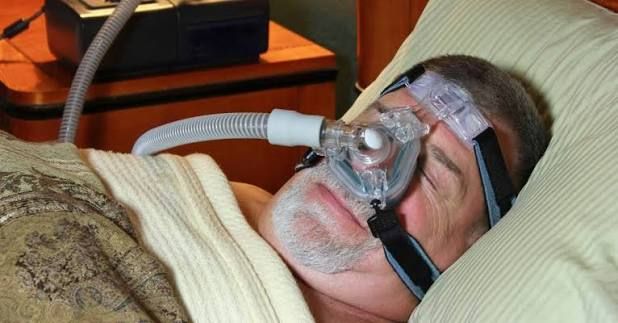
Yes, you can donate a CPAP machine. The short answer is that donating a used CPAP machine is highly possible and incredibly beneficial to those without insurance, but there are strict sanitization and operational guidelines you must follow. To choose the right donation pathway, you must understand the rules governing medical equipment donations.
When considering how to repurpose medical equipment, the question often arises: can you donate a cpap machine to someone in need? Because these are Class II medical devices regulated by the Food and Drug Administration (FDA), you cannot simply hand them over to a friend, list them on Facebook Marketplace, or drop them off at a standard local thrift shop. Doing so bypasses necessary safety protocols and prescription laws designed to protect vulnerable patients.
The Reality of CPAP Machine Donation
The primary regulatory hurdle when wondering “can you donate a cpap machine” centers on safety. These systems deliver pressurized air directly into a person’s respiratory tract. If the machine’s motor is worn out, the internal pressure sensors are miscalibrated, or the device was used in an environment with heavy smoke or mold, it could pose a severe health risk to the recipient. Therefore, charities that accept these devices partner with licensed medical professionals who inspect, sanitize, recalibrate, and match them with patients who possess a valid prescription.
⚠️ Safety Warning on Private Sales:
Selling or gifting a prescription medical device like a CPAP without a medical license is illegal under federal law. Always utilize certified non-profit channels to ensure your old device is distributed legally and safely.
Because of these rules, asking yourself “can you donate a cpap machine” requires a multi-step verification of your device’s current state. Non-profits have baseline parameters that your equipment must meet before they can accept it for processing and eventual distribution.
When to Donate vs. When to Recycle
Before moving forward with a donate cpap machine program, self-identify your device’s physiological and physical condition to see if it is fit for another person’s nightly use:
- Ideal Candidates for Donation: Devices that are under 5-7 years old, have fewer than 10,000 running hours (you can check this in the device menu), feature clean casing with no water damage, and come from a smoke-free home.
- Candidates for Medical Recycling: Machines that are more than 8-10 years old, have spent time in a smoking environment, show signs of internal mold or water leakage, or have suffered physical drops. These should be sent to specialized e-waste recyclers rather than humanitarian organizations.
This transition period is a perfect time to ask, can you donate a cpap machine, and look for low-profile tracking alternatives. For many people, moving away from bulky sleep-support devices allows them to focus on lifestyle shifts and screen-free biometric tracking to optimize their nightly recovery.
Frequently Asked Questions About CPAP Donation
Is it legal, and specifically, can you donate a cpap machine without a medical license?
Yes, it is entirely legal to donate your device to a registered 501(c)(3) charitable organization. The charity assumes the legal responsibility of verifying prescriptions and having a licensed professional set up the machine for the new recipient.
Do I need to include a prescription when donating my old device?
No. You do not need to provide a prescription to donate your device. However, the organization that receives your donation will require the final recipient to present a valid prescription before they are allowed to take the machine home.
Can I donate used CPAP masks, headgear, or plastic hoses?
Most charities will only accept brand-new, unopened masks, tubing, and filters due to hygiene concerns. Used soft goods cannot be adequately sterilized and are typically discarded upon arrival. Only the hard machine unit and its power cord can be donated in used condition.
Where Can I Donate a CPAP Machine? Top Charitable Organizations and Programs
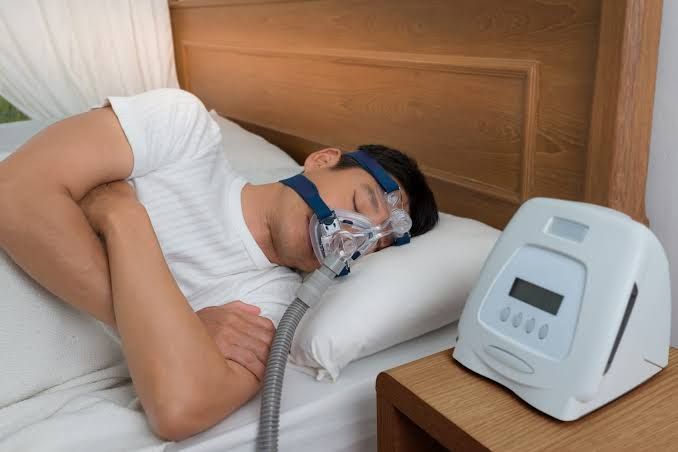
Now that we have answered “yes, can you donate a cpap machine,” the next logical question is: where do I send it? Our team at Mind Body Dan has compiled a vetted list of reputable, nationwide non-profits that actively accept these devices to support low-income individuals and families across the country.
1. The Reggie White Sleep Disorders Research and Education Foundation
Named after the legendary NFL defensive lineman who tragically passed away from complications of untreated sleep apnea, this foundation is one of the premier destinations for medical sleep equipment. They work specifically to provide CPAP and BiPAP therapy equipment to individuals who lack health insurance or cannot afford the high co-pays associated with medical-grade sleep hardware.
If you ask them, “can you donate a cpap machine to help low-income patients?”, they will guide you through their simple intake form. They focus heavily on modern machines that are clean, quiet, and highly functional, helping to reduce the systemic barrier to quality sleep care.
2. Advocates for World Health (AWH)
Advocates for World Health is a non-profit organization that recovers surplus medical products and distributes them to relief agencies and clinics globally. They are an excellent option if you are seeking a tax-deductible donation. They accept working CPAP machines and run them through rigorous quality control before shipping them to developing nations where respiratory support resources are scarce.
Their operational focus demonstrates that how to donate CPAP equipment is not merely a local concern, but a global humanitarian effort. They keep functional plastics and electronics out of domestic landfills and put them directly into hospitals that need them most.
3. Project C.U.R.E.
As one of the largest non-profit organizations of its kind in the world, Project C.U.R.E. collects donated medical devices from manufacturers, hospitals, and individuals to ship to clinics across over 135 countries. They maintain large distribution centers in several major US cities, making drop-off convenient if you live nearby. They accept functional CPAP machines that are safely packaged with their matching power cords.
4. Local Community Resources and Free Health Clinics
When researching where can i donate a cpap machine, don’t overlook regional free clinics, homeless shelters, or local county health departments. Many community health organizations operate local donation programs that directly assist neighbors in your immediate area. Call these clinics beforehand to confirm their current inventory needs and whether they have an on-staff respiratory therapist who can process your machine.
How to Clean and Package Your Device for Donation
Before completing the process to donate cpap machine units, you must thoroughly sanitize and prepare the hardware. This shows respect for the charity and helps speed up their intake processing time:
- Sanitize the Exterior: Wipe down the outer casing of the CPAP machine with a non-abrasive, alcohol-free medical wipe. Ensure no dust remains in the fan or filter ports.
- Empty and Clean the Humidifier Chamber: Remove the water chamber completely. Wash it with mild soap and warm water, or use a diluted white vinegar solution to remove mineral deposits. Allow it to air-dry completely before reinserting it. Never ship a machine with water in the reservoir, as it will leak during transit and destroy the internal circuitry.
- Remove Personal Filters: Take out any disposable paper filters and throw them away. Leave the reusable foam filter slot clean.
- Gather Essential Accessories: Bundle the power brick and cord neatly with a rubber band. If you have the original padded travel bag, pack the machine, chamber, and power cord inside it.
- Document the Machine’s Data: Write down the brand, model, and total run hours on a sticky note and place it inside the bag. This makes it incredibly easy for the receiving clinician to evaluate the system.
Transitioning Beyond CPAP: Tracking Your Sleep Journey Without the Bulk
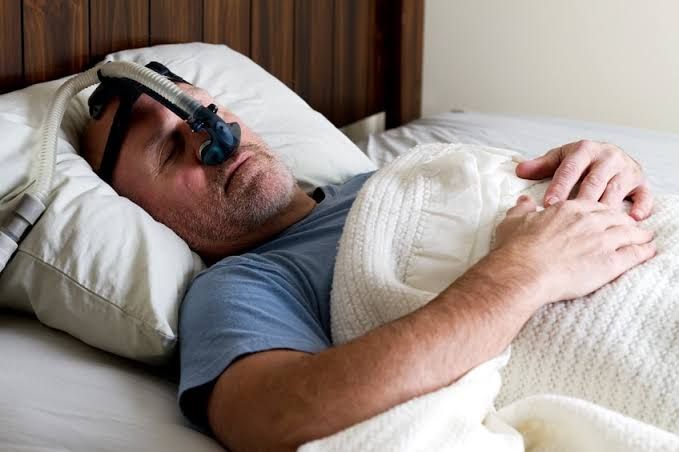
Once you have determined how and where to donate a CPAP machine safely, it is time to focus on your personal recovery. For many individuals, transitioning away from bulky, loud medical equipment (when cleared by their physicians) brings immense relief. Yet, it also brings a new question: How do I keep an eye on my sleep quality and daily recovery without the stress of complex medical readouts?
Many people struggle with a profound knowledge gap. They feel exhausted, wake up with brain fog, or lie awake at 3 AM with a racing mind, but they have no simple way to track why this is happening. Traditional smartwatches often fail to help; they are bulky, uncomfortable to wear in bed, require annoying daily charging, and their glowing screens can stimulate your mind when you should be resting.
The Screen-Free, Subscription-Free Sleep Alternative
If you are ready to reclaim your physical and mental energy without the weight of bulky bands or hidden monthly fees, it is time to discover the Herz P1 Smart Ring.
For many individuals, the realization that they can complete a CPAP machine donation process comes alongside a desire to streamline their nightly wellness routine. They ask: *Can I replace a heavy machine with a lightweight tracker that doesn’t disrupt my rest?*
This is where the Herz P1 Smart Ring excels. Designed as an elegant, ultra-lightweight titanium band, it sits comfortably on your finger and operates entirely without a screen. There are no distracting notifications or midnight blue-light exposures to trigger your racing mind. Instead, it works quietly in the background to track critical physiological markers.
How the Herz P1 Smart Ring Simplifies Recovery
- Advanced Sleep Stage Analysis: Rather than relying on guesswork, the ring’s medical-grade biometric sensors track exactly how much time you spend in REM, Deep, and Light sleep stages, helping you identify if you are getting genuinely restorative rest.
- Heart Rate Variability (HRV) Trends: By monitoring HRV throughout the night, the ring measures your autonomic nervous system’s response to stress, indicating whether your body is properly recovering or staying in a state of high alert.
- An Intuitive Recovery Score: The ring’s biometric algorithms translate complex health data into a single, straightforward daily Recovery Score. This clear number helps you make informed choices about your physical activity and stress management each day.
- No Subscription Fatigue: Unlike many trackers that lock your own personal biological data behind a monthly paywall, the Herz P1 features a buy-once-and-own-forever model. Your sleep insights belong entirely to you, with no hidden fees.
Because you now know where to where to donate CPAP machines, you can clear the clutter from your nightstand and transition to this minimalist tracking solution. Managing your health doesn’t require bulky screens or a tangle of cords; it should fit seamlessly into your natural lifestyle, allowing you to reclaim your peace of mind and wake up feeling truly refreshed.
Disclaimer: Results may vary depending on individual physical activity levels, unique health conditions, and daily tracking patterns. The content in this article is for informational purposes only and does not substitute for professional medical advice, diagnosis, or treatment. Always consult with a qualified medical provider regarding respiratory therapy and before changing your medical equipment routine.
