

Why Do Pregnant Women Snore? Causes, Risks, and Science-Backed Solutions
Waking up at 3 AM gasping for air while struggling with non-restorative sleep is incredibly frustrating for expecting mothers. If you are wondering why do pregnant women snore, the answer lies in hormonal shifts and blood flow changes. Discover how to reclaim your nights and track your deep recovery effortlessly using the screen-free Herz P1 Smart Ring.
Take Back Your Sleep.
Take Back Your Life.
- Fall asleep faster & sleep deeper
- Stop waking up in the middle of the night
- Wake up refreshed & full of energy
Key Article Highlights
- Biological Triggers: Hormonal surges, increased blood volume, and structural tissue relaxation are the primary reasons behind pregnancy snoring.
- Sleep Quality Costs: Loud snoring can severely fragment deep sleep and REM stages, leaving expecting mothers feeling exhausted despite long hours in bed.
- Cardiovascular Indicators: Snoring and mild airway restrictions directly influence Heart Rate Variability (HRV) and resting heart rates, signaling physiological stress.
- Actionable Prevention: Elevated sleeping positions, side-sleeping adjustments, and proper room humidification can dramatically reduce snoring occurrences.
- Elegant Tracking: Modern biometric devices like the screen-free Herz P1 Smart Ring help mothers monitor these nightly changes without the burden of annoying screens or monthly subscription fees.
The Biological Root Causes: Why Do Pregnant Women Snore?

Quick Answer: Yes, snoring is incredibly common during pregnancy, affecting up to 35% of expecting mothers. The short answer is that surging progesterone and estrogen levels, coupled with a 40-50% increase in total blood volume, cause the blood vessels in your nasal passages to swell, narrowing your airway and triggering vibration during breathing. However, to choose the right lifestyle adjustments and optimize your rest, you must first understand the specific physiological pathways behind this change.
To truly understand why do pregnant women snore, we have to look past the surface of simple bedtime fatigue. During gestation, the female body undergo structural and systemic transformations. First, the drastic rise in estrogen levels stimulates the mucous membranes lining the nose. This swelling leads to a condition known as gestational rhinitis, which mimics the feeling of a persistent, dry cold. If you are frequently asking why do pregnant women snore when they never made a sound before conceiving, this mucosal swelling is often the primary culprit.
Additionally, the hormone progesterone acts as a natural muscle relaxant. While this relaxation is essential to allow the uterus to stretch and expand, it also affects the smooth muscles of the upper airway and throat. When you fall asleep, the tissues at the back of your throat relax more deeply than they did pre-pregnancy. As air struggles to squeeze through these narrowed, relaxed passages, the surrounding tissues vibrate, resulting in what partners identify as sudden pregnancy snoring.
This hormonal shifting is a core pillar of understanding why do pregnant women snore and how gestational rhinitis plays a part. When looking at why do pregnant women snore, we must also consider maternal fluid retention. During pregnancy, blood volume surges to support the growing fetus, which increases vascular pressure. This excess fluid pools in the soft tissues of the head and neck when you lie flat, further compressing the airway. This is a primary physiological explanation for why do pregnant women snore during the final trimesters.
— Team Mind Body Dan
As these structural changes intensify, many women experience a sudden onset of snoring while pregnant, which often prompts women to ask why do pregnant women snore and what can be done to protect their rest. Over time, the expanding uterus pushes the diaphragm upward, reducing lung capacity. This means you must work harder to draw in the same amount of oxygen, increasing inhalation force and highlighting the mechanical reasons for why do pregnant women snore even when sleeping in comfortable positions.
If you have been asking why do pregnant women snore, you are likely experiencing sleep disruptions firsthand. Let’s look at how to identify whether your snoring is a normal biological byproduct or a sign that you need to adjust your lifestyle and track your nocturnal recovery more closely.
When to Monitor Snoring Dynamics
Expecting mothers should begin closely monitoring their sleep patterns and nightly recovery markers when snoring is accompanied by daytime exhaustion, morning throat irritation, or a feeling of waking up in a sweat. Understanding the biological reality of why do pregnant women snore can help prevent unnecessary anxiety during these transition months. By utilizing supportive sleep surfaces, maintaining rigorous sleep hygiene tips, and watching your nightly physical trends, you can mitigate the impact on your body.
However, it is equally important to know when not to worry. Occasional, light snoring that does not wake you up or leave you gasping is simply a natural part of the physical journey of pregnancy. Rather than stressing over every sound, focusing on objective biometric trends is the most empowering step a mother can take.
Biometric Support for Expecting Mothers
Instead of relying on intrusive, bright-screened smartwatches that keep you awake at 3 AM with distracting notifications, tracking your sleep trends with an elegant, screen-free titanium ring like the Herz P1 Smart Ring provides precise data. It monitors Sleep Stages, resting heart rate, and HRV seamlessly, helping you see exactly how airway resistance affects your autonomic recovery.
Pregnancy Snoring FAQ
- Is snoring while pregnant harmful to the baby? Mild, occasional snoring is harmless. However, severe snoring that reduces maternal oxygen levels can put stress on the cardiovascular system, which is why keeping an eye on your nightly recovery patterns is highly beneficial.
- When does pregnancy snoring typically start? It most commonly begins or worsens in the late second trimester or early third trimester, as hormonal concentrations, blood volume, and physical weight distribution reach their peaks.
- Will my snoring disappear after I give birth? Yes. In the vast majority of cases, gestational rhinitis and airway relaxation resolve within a few weeks postpartum as your hormones and blood volume return to pre-pregnancy baselines.
How Pregnancy Snoring Disrupts Sleep Stages and Heart Rate Variability (HRV)

When you suffer from sleep disruptions, the consequences extend far beyond simple bedtime noise. Exploring why do pregnant women snore reveals that shallow sleep stages and frequent micro-arousals are incredibly common. Even if you do not remember waking up, the physical struggle to breathe pulls you out of deep sleep and REM sleep, dumping you back into light sleep or a state of semi-consciousness. This explains why do pregnant women snore and subsequently experience severe daytime fatigue, waking up with a dry mouth and feeling as if they haven’t slept at all.
This loss of deep recovery directly answers why do pregnant women snore while facing persistent brain fog. During deep sleep, your body repairs tissue, balances blood pressure, and supports fetal development. During REM sleep, mental integration and emotional processing occur. When snoring while pregnant limits these critical phases, you may experience the emotional toll of non-restorative sleep, leaving you feeling anxious or unable to focus on daily tasks.
Furthermore, we must look at the impact of breathing patterns on your cardiovascular system. Shifting from optimal nose-breathing to a mouth breathing vs. nose breathing pattern increases airway resistance and triggers the sympathetic nervous system (your fight-or-flight response). In turn, this elevates your heart rate and causes a notable drop in Heart Rate Variability (HRV).
Your HRV is a direct window into your autonomic nervous system. A higher HRV indicates a resilient, well-rested body, whereas a lower HRV suggests high physical stress or exhaustion. Understanding the metrics behind understanding HRV is especially crucial during pregnancy, as your body is already working overtime to support a new life. A sudden drop in nightly HRV, often matching a night of heavy pregnancy snoring, indicates that your heart and nervous system are struggling to recover.
The Screen-Free Tracking Revolution
Are you tired of wearing a bulky, uncomfortable smartwatch that glows every time you roll over? The Herz P1 Smart Ring offers a premium, subscription-free titanium design that slides comfortably onto your finger. It tracks your Sleep Stages, HRV, and daily recovery without screen distractions or hidden costs.
If you have spent nights researching why do pregnant women snore, you are likely looking for clear indicators of your overall health. Many expecting mothers find that a low HRV during pregnancy directly correlates with nights of heavy airway resistance and non-restorative sleep patterns. Learning how to improve deep sleep is vital when your body is growing another life, making structural and behavioral sleep changes a top priority.
How to Prevent Snoring During Pregnancy: Science-Backed Steps
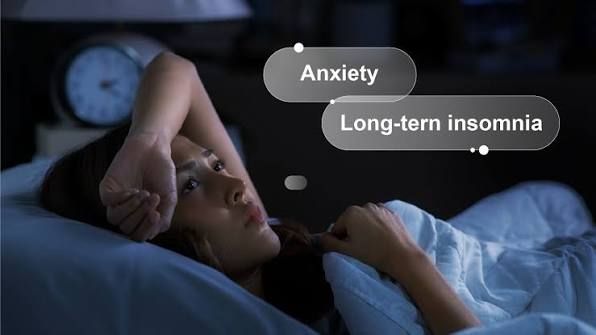
Knowing why do pregnant women snore allows us to develop practical, screen-free solutions to keep your airways open and your sleep deeply restorative. Let’s break down the most effective, easy-to-implement adjustments you can make today to target both the hormonal and physical causes of pregnancy snoring.
1. Optimize Your Sleeping Position
First and foremost, sleeping flat on your back is highly discouraged, especially in the second and third trimesters. Not only does back sleeping allow gravity to pull your relaxed throat tissues downward—worsening airway resistance—but it also permits your heavy uterus to compress the vena cava, reducing blood flow to both you and your baby. This anatomical pressure explains why do pregnant women snore heavily when sleeping on their backs.
Instead, prioritize sleeping on your left side. Side-sleeping keeps your airway open, improves circulation, and minimizes tissue collapse. To make this position comfortable and prevent rolling onto your back during the night, use a full-body pregnancy pillow or place a firm pillow between your knees and behind your lower back. Often co-occurring with other nocturnal issues like restless leg syndrome pregnancy challenges, maintaining proper joint alignment is essential for deep physical recovery.
2. Elevate Your Head and Torso
If side-sleeping alone doesn’t fully resolve the issue, try elevating the head of your bed by 4 to 6 inches. Rather than simply piling up soft pillows—which can bend your neck and actually restrict your airway further—use a wedge pillow or lift the head of your mattress frame. This slight incline uses gravity to keep fluid from pooling in your nasal tissues, directly lowering nasal congestion and airway collapse.
3. Regulate Indoor Air and Hydration
Because estrogen causes dry, swollen nasal passages, breathing in dry room air can aggravate gestational rhinitis and worsen snoring. Placing a cool-mist humidifier next to your bed adds moisture to the air, lubricating your airways and easing nasal passage breathing. This simple adjustment helps prevent waking up with a dry throat and chronic morning headaches, which are often caused by poor nocturnal oxygen levels and can be traced to morning headaches causes.
4. Monitor Sleep Trends Safely with the Herz P1 Smart Ring
While making these lifestyle shifts, tracking your nightly biological responses is highly beneficial. However, introducing bright screens and buzzing smartwatches to your bedside routine can disrupt melatonin production, making it even harder to fall asleep. Making the shift to advanced wearables and sleep tracking systems that don’t disrupt your pre-bed wind-down is key.
The Herz P1 Smart Ring provides an elegant solution to why do pregnant women snore by tracking sleep quality quietly and comfortably on your finger. Here is why it stands out for expecting mothers:
- Screen-Free & Lightweight: Crafted from ultra-lightweight titanium, it provides zero distractions, allowing you to wind down without blue light.
- Subscription-Free: Unlike many modern health trackers that require costly monthly fees, the Herz P1 is a single, lifetime purchase with no hidden costs.
- Comprehensive Biometrics: It measures Sleep Stages (REM, Deep, Light), tracks Heart Rate Variability (HRV), and translates complex algorithmic trends into an intuitive Daily Recovery Score.
- Exceptional Battery Life: With no daily charging hassle, you won’t have to worry about losing your data in the middle of the night.
Ultimately, addressing why do pregnant women snore involves a combination of smart lifestyle adjustments and precise, screen-free biometric monitoring. By managing your sleeping position, hydrating your nasal tissues, and tracking your nightly HRV and recovery trends, you can protect your rest and support your body through this remarkable journey.
