

Why Can’t I Sleep? Understanding Insomnia After Surgery and How to Reclaim Your Rest
Struggling with insomnia after surgery? This frustrating phenomenon stems from disrupted circadian rhythms, anesthesia agents, and physiological stress. By monitoring key recovery biometrics like heart rate variability (HRV) and deep sleep stages, you can reclaim control. Learn how an elegant, screen-free smart ring helps you track sleep trends without subscription fees.
Take Back Your Sleep.
Take Back Your Life.
- Fall asleep faster & sleep deeper
- Stop waking up in the middle of the night
- Wake up refreshed & full of energy
Key Highlights
- The Post-Op Disruption: Understand how anesthetic compounds, surgical pain, and medications throw off your internal circadian clock.
- The Biological Impact: Discover why deep and REM sleep stages suffer post-surgery, leading to persistent brain fog.
- Actionable Metrics: Learn how monitoring Resting Heart Rate (RHR) and Heart Rate Variability (HRV) helps map your physiological healing.
- Screen-Free Solutions: See why bulky, bright-screened smartwatches can worsen recovery, and how an ultra-lightweight, subscription-free smart ring offers a gentler way to gather insights.
Table of Contents
What Causes Insomnia After Surgery? The Biology of Post-Surgical Sleeplessness
Quick Answer
Yes, insomnia after surgery is highly common and biologically expected. The short answer is that anesthesia, surgical trauma, and medications disrupt the central nervous system and suppress natural melatonin production. However, to choose the right recovery plan, you must understand your body’s biometric signals, track autonomic nervous system trends, and cultivate a restful environment without adding digital screen glare to your night.
Detailed Explanation
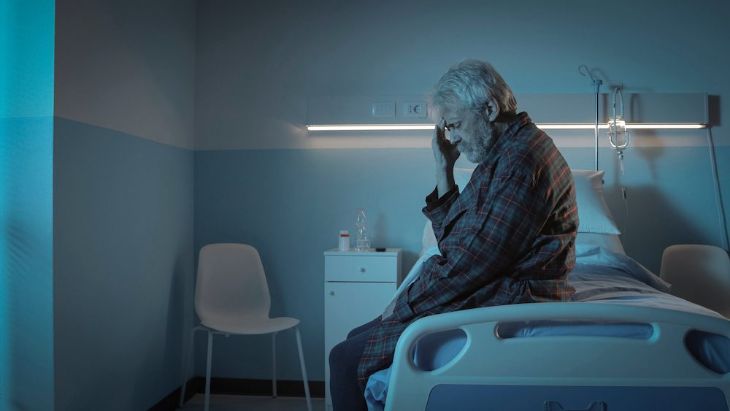
When you undergo a surgical procedure, your body experiences a cascade of chemical and physiological shifts. Many patients find themselves exhausted, yet when they close their eyes, they are met with a racing mind, persistent physical discomfort, and sudden 3 AM awakenings. Experiencing insomnia after surgery is not merely a psychological reaction; it is a complex physiological response.
The primary culprit is the severe disruption of your circadian rhythm. Your body relies on a delicate biological clock regulated by the suprachiasmatic nucleus in the brain. When you are exposed to clinical environments, altered lighting, and the chemical disruption of anesthetic drugs, this internal clock is temporarily thrown off. The result is often post surgical sleeplessness, where your body struggles to identify when it should enter a restorative sleep state.
Furthermore, post-operative pain and the inflammatory response release high levels of cortisol and adrenaline. These stress hormones put the autonomic nervous system into a state of hyperarousal. Even if you feel physically wiped out, your heart rate remains elevated, and your Heart Rate Variability (HRV) drops. This chemical imbalance makes it incredibly difficult to transition from light, fragmented sleep into deep, slow-wave sleep or REM cycles, leaving you feeling depleted the next morning.
When to Use Recovery Tracking vs. When to Seek Medical Attention
Understanding where you stand in your recovery journey helps you make smart choices about your health. It is essential to self-identify your actual physiological needs to ensure safe, effective healing:
- Use Lifestyle & Biometric Tracking When: You are experiencing standard post-operative sleep disruption characterized by mild restlessness, shifting sleep schedules, or light sleep. Tracking metrics like resting heart rate trends can help you observe your body returning to baseline.
- Seek Professional Medical Help When: Your struggle with insomnia after surgery is accompanied by severe, unmanageable pain, high fever, signs of infection at the surgical site, extreme shortness of breath, or if your sleep deprivation lasts for weeks without improvement. Always consult your surgeon or doctor for medical issues.
Suggested Recovery Solutions
To ease sleeplessness following medical procedures, we must look at lifestyle changes that respect the healing process. Re-establishing a consistent sleep-wake schedule is vital. Start by exposing your eyes to natural sunlight early in the day to help reset your melatonin cycles. Minimize cognitive demands in the evening, opting for screen-free wind-down routines like light reading or meditation.
A major challenge in recovery is that traditional smartwatches—with their bulky form factors, bright touchscreen notifications, and frequent buzzes—can actually exacerbate your sleep struggles. When you are healing, you need a comfortable, non-intrusive way to monitor your body.
Our team at Mind Body Dan recommends using a screen-free tracking method to gather objective, data-informed insights. The Herz P1 Smart Ring offers an elegant, subscription-free alternative. Made of ultra-lightweight titanium, it fits seamlessly on your finger without causing the wrist irritation or sleep-disrupting blue glare common with bulky fitness watches. It translates complex cardiac and motion data into simple, actionable daily metrics, helping you monitor your recovery trends without the stress of constant notifications.
Short FAQ on Early Recovery
Q: How long does insomnia after surgery typically last?
A: For most individuals, acute post-operative sleeplessness resolves within a few days to a couple of weeks as anesthetic agents fully clear the system and surgical pain decreases.
Q: Can pain medication cause sleep problems?
A: Yes. While pain medications are necessary to manage discomfort, certain prescription analgesics and over-the-counter pain relievers containing caffeine can fragment sleep architecture and keep you in lighter stages of sleep.
Q: Why do I wake up sweating at 3 AM after surgery?
A: Your body is actively processing and clearing out medications, and your endocrine system is adjusting to post-surgical stress, which can trigger temporary night sweats and awakenings.
Q: Should I force myself to stay in bed if I can’t sleep?
A: If you have been awake for more than 20 minutes, it is often helpful to gently move to a dim, comfortable chair and practice deep breathing or reading until you feel sleepy again, avoiding bright screens entirely.
The Physiological Triggers: Why You Can’t Sleep After Anesthesia
How Anesthesia Disrupts Brain Chemistry
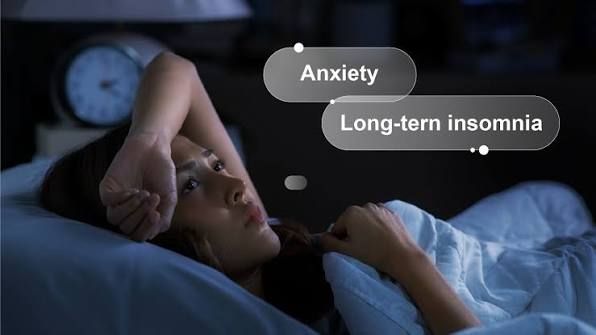
Many patients are surprised when they can’t sleep after anesthesia. While anesthesia puts you into an unconscious state during your procedure, this state is chemically induced coma-like sedation—it is not actual, physiological sleep.
Anesthetic drugs interact heavily with GABA (gamma-aminobutyric acid) receptors and other neurotransmitter systems in the brain. Once the surgery is complete and you wake up, these chemical systems do not immediately snap back to their normal baselines. The lingering effects of anesthetic agents can block the natural signaling pathway that triggers standard sleep stages, leading to severe post surgical sleeplessness. Your brain essentially struggles to downshift into the restorative cycles of deep sleep and Rapid Eye Movement (REM) sleep, which are critical for cognitive recovery and tissues healing.
Biometrics: Understanding HRV and Heart Rate Under Stress
To truly understand your body’s recovery, you need to look at what is happening beneath the surface in your autonomic nervous system (ANS). The ANS is divided into two primary branches:
- The Sympathetic Nervous System (SNS): The “fight-or-flight” response, which spikes during and after surgery due to physical trauma, pain, and physiological stress.
- The Parasympathetic Nervous System (PNS): The “rest-and-digest” branch, which is responsible for cellular repair, relaxation, and deep sleep.
When you are in a state of post-surgical stress, the sympathetic branch dominates. This results in an elevated Resting Heart Rate (RHR) and a lower Heart Rate Variability (HRV).
What Do Your Biometrics Mean?
Heart Rate Variability (HRV): This metric measures the variation in time between consecutive heartbeats. A higher HRV indicates that your body is resilient, relaxed, and actively recovering under parasympathetic control. A low HRV indicates that your body is under high physical stress (common after surgery) and is struggling to rest.
Resting Heart Rate (RHR): Monitoring your RHR helps track overall cardiac strain. When RHR begins to trend downward toward your personal baseline, it serves as an indicator that the physiological shock of surgery is beginning to subside.
By monitoring these subtle biometric shifts, you gain an objective look at your autonomic nervous system. Rather than feeling anxious and wondering why you feel so exhausted yet wired, you can look at your recovery trends to see exactly how your body is coping with the healing process.
Practical Steps to Reclaim Your Rest: Sleeping After Surgery and Monitoring Recovery

Tips for Safe and Comfortable Sleeping After Surgery
Finding a comfortable physical position is one of the most immediate hurdles to sleeping after surgery. Depending on your specific procedure, you may need to adjust your setup:
- Elevate with Pillows: For upper body or abdominal surgeries, keeping your head and torso slightly elevated with wedge pillows can reduce surgical tension and minimize acid reflux, which often flares up after anesthesia.
- Support the Joints: If you’ve had lower limb or joint surgery, use pillows to support the affected limb, ensuring your body remains in neutral alignment to prevent sudden, painful twists that wake you up.
- Keep Your Environment Dark and Cool: A cool room temperature (between 60–67°F or 15–19°C) supports your body’s natural temperature drop during sleep, helping trigger deep restorative sleep stages.
— Team Mind Body Dan
Why Screen-Free Tracking is Essential for Reclaiming Healthy Sleep Patterns
Many individuals turn to standard fitness bands to monitor their sleep stages (REM, Deep, Light) during recovery. However, smartwatches present distinct operational challenges during the post-operative period. They are often bulky, uncomfortable to wear in bed, and require daily charging—which is the last thing you want to worry about when you are resting in bed.
More importantly, the bright screens and constant buzz of notifications add to the cognitive clutter. Seeing a low sleep score pop up on your wrist can trigger “orthosomnia”—anxiety about sleep quality that ironically makes it even harder to fall asleep. To support your journey toward reclaiming healthy sleep patterns, we highly recommend screen-free wearables.
Embrace Elegant, Screen-Free Sleep Insights
The Herz P1 Smart Ring offers a beautiful, titanium design that sits weightlessly on your finger. With advanced medical-grade biometric sensors, it accurately tracks your Sleep Stages, HRV, and resting heart rate to generate an intuitive Daily Recovery Score—all without a screen to distract you or subscription fees to worry about.
By removing the screen, you remove the anxiety. You can simply wear the ring, sleep comfortably, and check your intuitive trends on your phone app when you wake up. This clean, distraction-free approach to wellness helps you focus entirely on what matters most: giving your body the space and peace it needs to heal.
No matter where you are in your recovery journey, remember that your body is incredibly resilient. Post-surgical sleeplessness is a temporary hurdle. By practicing gentle sleep hygiene, keeping your environment serene, and tracking your biometric trends with a comfortable, screen-free wearable, you can calmly guide your nervous system back to a state of balance and reclaim the deep, restorative sleep you deserve.
