

Why Do Sleep Disparities Exist? Understanding the Connection Between Race and Sleep Disorders
Are sleepless nights and morning brain fog holding you back? Emerging research on race and sleep disorders highlights how systemic stress and environmental factors create deep biological sleep disparities. To regain control of your rest and monitor your recovery without screen distraction, the screen-free Herz P1 Smart Ring offers simple, actionable recovery insights.
Take Back Your Sleep.
Take Back Your Life.
- Fall asleep faster & sleep deeper
- Stop waking up in the middle of the night
- Wake up refreshed & full of energy
In This Guide:
- The Scientific Reality: Socioeconomic and Environmental Drivers
- How Chronic Stress Alters Heart Rate Variability (HRV) and Sleep Stages
- When to Monitor Recovery vs. Seeking Medical Care
- Screen-Free Biometric Solutions for Reclaiming Your Rest
Decoding the Complex Link: Race and Sleep Disorders

Quick Answer: Yes, a profound connection exists between systemic background stressors and sleep quality. Research reveals that race and sleep disorders are closely linked, not by biological genetics, but by persistent environmental, occupational, and socioeconomic disparities. To navigate these sleep disparities, we must understand how external pressures alter our inner physiological rhythms.
In our journey to understand human performance, the Team at Mind Body Dan has analyzed how deeply our sleep environments shape our physical recovery. When we look at clinical data, we find that minority populations—particularly Black, Hispanic, and Indigenous communities—experience shorter sleep durations, lower sleep efficiency, and higher rates of sleep-disruptive conditions. The root of these sleep disparities rarely stems from intrinsic biology. Instead, it lies in the daily, cumulative toll of environmental noise, light pollution, shift work, and the psychological weight of discrimination.
Consider the daily experience of someone living in an urban center, balancing multiple jobs, and navigating noisy neighborhoods. For this individual, the simple act of falling asleep is often interrupted by external disturbances. This is not just an inconvenience; it is a direct contributor to systemic sleep issues. When we look at whats connection between race and sleep disorders, we see a complex web of environmental factors that keep the nervous system in a state of hyperarousal, preventing the deep, restorative phases of sleep that our bodies desperately need.
When to Use Recovery Tracking vs. Professional Help
Tracking your physical recovery is incredibly powerful, but it is vital to know when to monitor your data at home and when to seek professional medical guidance. Biometric tracking is an exceptional tool for identifying sleep trends, optimizing your evening routine, and understanding how daily stressors affect your recovery. However, it should never replace clinical care when serious symptoms are present.
How to Decide Your Next Steps:
When to Monitor (Ideal for At-Home Tracking): You wake up feeling occasionally tired, experience mild daytime brain fog, want to see how lifestyle adjustments impact your Heart Rate Variability (HRV), or wish to improve your deep sleep stages naturally through better sleep hygiene.
When to Consult a Professional (Clinical Guidance Needed): You experience chronic, loud snoring; wake up gasping for air; face severe, persistent insomnia that lasts for months; or struggle with intense daytime sleepiness that interferes with driving or daily tasks. These symptoms require a formal clinical assessment to rule out sleep apnea or other primary sleep conditions.
Suggested Solutions: Reclaiming Your Metrics Quietly
For those looking to track their physiological response to stress without adding to their cognitive load, modern wearable technology offers a gentle path forward. Many traditional smartwatches are bulky, uncomfortable to sleep in, and feature bright screens that flash notifications, waking you up at 3 AM and triggering a racing mind.
This is where screen-free monitoring becomes a game-changer. The Herz P1 Smart Ring is designed to track sleep stages, HRV, and daily activity without screen distractions or hidden monthly subscription fees. Crafted from lightweight titanium, it sits comfortably on your finger, allowing you to quietly gather accurate, actionable data to help bridge the gap created by systemic sleep disparities.
Frequently Asked Questions
Q: What is the primary cause of sleep disparities among different racial groups?
A: Rather than genetic differences, sleep disparities are primarily driven by socioeconomic and environmental factors. These include neighborhood noise levels, light pollution, higher rates of shift work, and the biological toll of chronic stress from systemic discrimination.
Q: How does stress affect my sleep architecture?
A: High stress keeps your sympathetic nervous system active, which can limit the amount of deep and REM sleep you get. This often leaves you feeling exhausted, even after a full night in bed.
Q: Why is a screen-free wearable better for sleep tracking?
A: Screen-equipped devices often create “orthosomnia”—an unhealthy obsession with achieving perfect sleep numbers—and expose you to blue light or distracting notifications that disrupt your natural sleep cycles.
Environmental and Biological Drivers of Sleep Disparities

To truly understand how systemic issues manifest in our physical bodies, we must look closely at our physiology. When communities of color face persistent socioeconomic barriers, their bodies carry a heavy burden. This chronic state of stress is known as “allostatic load.” It keeps your nervous system on constant alert, which directly interferes with healthy sleep patterns.
When you experience this heightened state, your body’s sympathetic nervous system—responsible for the “fight or flight” response—remains active when it should be resting. This makes it incredibly difficult to transition into deep, restorative sleep. For many, this cycle leads to the familiar, frustrating experience of waking up at 3:00 AM with a racing mind, unable to fall back asleep. Over time, these persistent sleep disparities can contribute to long-term health challenges, affecting cardiovascular health and overall vitality.
“Sleep is not merely a passive state of rest; it is an active, essential process of neuro-hormonal regulation and cellular repair. When environmental stressors consistently disrupt this process, it can lead to chronic sleep issues that affect our long-term health and well-being.”
— Team Mind Body Dan, Sleep Research Insights
Circadian Disruption and Shift Work
Another major driver of these sleep challenges is the nature of modern work schedules. A higher percentage of minority workers are employed in essential, service-oriented, or rotating shift positions. This kind of work frequently disrupts our natural circadian rhythm—the internal clock that tells us when to wake and sleep.
Working irregular hours makes it difficult for the body to establish a steady routine, which is key for deep, restorative rest. When you work nights or irregular shifts, your body’s sleep cycles can easily become desynchronized. This disruption is a key factor in the higher rates of sleep challenges found in these communities, making a clear connection between everyday work demands and overall sleep quality.
Key Physiological Markers Affected by Systemic Stress:
- Heart Rate Variability (HRV): Chronic stress typically lowers your HRV, indicating that your autonomic nervous system is finding it harder to adapt and rest.
- Deep Sleep Duration: Environmental noise and elevated stress hormones (like cortisol) can shorten your deep sleep phases, which are essential for physical repair and muscle recovery.
- REM Sleep Efficiency: When your sleep is frequently interrupted, your REM cycles—vital for emotional processing and mental clarity—are often cut short, contributing to morning brain fog.
- Resting Heart Rate (RHR): Under constant stress, your RHR may remain elevated throughout the night, preventing your cardiovascular system from getting full, restorative rest.
Understanding these biological markers helps show why generic sleep tips, like “just sleep eight hours,” aren’t always enough. When external factors consistently disrupt your rest, you need an objective way to track your recovery trends. By paying attention to metrics like HRV and deep sleep stages, you can better understand your body’s unique response to stress and make practical adjustments to support your long-term health.
Reclaiming Your Rest: Mindful Strategies and Screen-Free Tracking
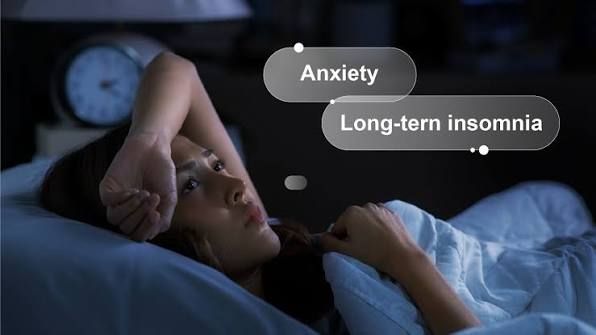
While systemic changes require collective effort, there are gentle, effective steps you can take today to support your sleep quality and physical recovery. Managing stress is a personal journey, and focusing on simple, screen-free evening routines can make a meaningful difference. By building a supportive sleep environment and quietly monitoring your recovery trends, you can begin to navigate these sleep challenges and reclaim your vitality.
A great place to start is by creating a calm transition before bed. Aim to turn off bright screens at least an hour before you plan to sleep. The blue light from phones, tablets, and TVs signals your brain to stay awake, which can delay the natural release of melatonin. Instead, try reading a book, practicing light stretching, or listening to relaxing music to help prepare your mind and body for rest.
Why Screen-Free Tracking Empowers Your Recovery
Many smartwatches can actually add to your stress with constant alerts and bright displays that light up in the middle of the night. Choosing a screen-free option lets you focus on resting, not your device.
- Zero Distractions: No bright screens or buzzes to disrupt your evening wind-down.
- Subscription-Free: No monthly fees—just direct, easy access to your recovery trends.
- Lightweight Comfort: A simple titanium ring is much more comfortable to sleep in than a bulky smartwatch.
Focusing on Trends Over Perfect Numbers
When tracking your sleep, it is helpful to look at long-term trends rather than stressing over a single night’s data. Our bodies naturally experience ups and downs depending on our daily activity, stress levels, and environment. Striving for perfect sleep scores can actually create a type of performance anxiety that makes sleeping even harder.
Instead, use your tracking data to notice patterns over several weeks. For example, you might see that your resting heart rate is lower or your HRV is higher on days when you take a short walk in the evening or finish dinner a bit earlier. This kind of insight is incredibly valuable, helping you make small, gentle adjustments that support your overall wellness over time.
By shifting your focus to long-term trends, you can turn tracking from a source of stress into a tool for self-care. Combined with mindful evening routines, this approach helps you better understand your body’s needs. Everyone’s sleep journey is unique, and taking small, consistent steps to support your rest can lead to lasting, positive changes for your health and energy.
Disclaimer: Results may vary depending on individual physical activity levels, unique health conditions, and daily tracking patterns. This article is for informational purposes only and does not constitute medical advice. Wearable devices are intended to track, monitor, and provide insights into recovery trends, not to diagnose, treat, or cure any medical condition. Always consult with a licensed healthcare professional for medical concerns.
