

Are Wearables Worth It? The Truth About the Accuracy of Sleep Trackers
Do you wake up at 3 AM with a racing mind, only to spend the next day battling heavy brain fog and non-restorative sleep? If you are questioning the accuracy of sleep trackers, Team Mind Body Dan is here to break down the latest biometric science and show you how to measure real recovery without screens or stress.
Take Back Your Sleep.
Take Back Your Life.
- Fall asleep faster & sleep deeper
- Stop waking up in the middle of the night
- Wake up refreshed & full of energy
- The Reality: Consumer trackers cannot replace clinical polysomnography (PSG) but are highly accurate at identifying long-term biometric trends.
- Sensors Matter: Photoplethysmography (PPG) and advanced accelerometers yield much cleaner sleep architecture data than basic movement detectors.
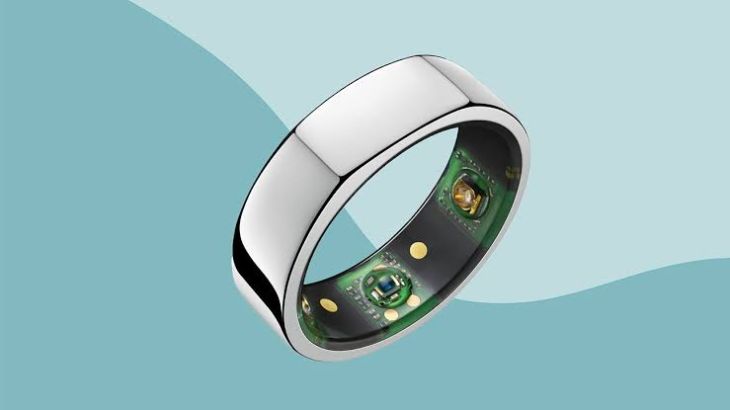
- Form Factor: Smart rings often deliver more reliable vascular readings than loose wristbands because blood vessels in the fingers are closer to the skin surface.
- Actionable Metrics: Utilizing trends like Heart Rate Variability (HRV) and Resting Heart Rate (RHR) is the key to mastering daily physical recovery.
Demystifying Biometrics: What Science Says About the Accuracy of Sleep Trackers

Quick Answer
Yes, consumer sleep trackers are highly reliable for identifying personal trends, but they are not medical-grade diagnostic devices. The short answer is that while no consumer wearable perfectly mirrors clinical lab equipment, they are incredibly valuable tools for trend analysis. However, to choose the right product, you need to understand that the accuracy of sleep trackers depends heavily on the sensor quality and how effectively you utilize the resulting data to improve your daily habits.
Detailed Explanation
When evaluating the accuracy of sleep trackers, we have to look closely at the underlying technology. Clinical sleep studies rely on Polysomnography (PSG), a highly comprehensive test that records brain waves (EEG), blood oxygen levels, heart rate, breathing, and eye and leg movements. A consumer wearable obviously cannot attach dozens of electrodes to your scalp. Instead, wearables rely on two core technologies: Actigraphy (movement tracking via accelerometers) and Photoplethysmography (PPG) (optical heart rate monitoring via light sensors).
PPG sensors work by shining a light into the microvascular tissue bed of the skin and measuring the light reflected back. As your heart pumps, blood volume in the capillaries waxes and wanes, changing the light absorption. Sophisticated mathematical algorithms analyze these pulse waves to extract your resting heart rate and Heart Rate Variability (HRV). This cardiovascular data is then paired with motion data to estimate whether you are in light, deep, or REM sleep.
When analyzing the accuracy of sleep trackers in clinical studies, researchers consistently find that modern trackers excel at distinguishing sleep from wakefulness (often achieving over 90% accuracy). However, they can find it more challenging to pinpoint the exact boundaries between specific sleep cycles, such as transition periods between light and deep sleep. This is why looking at single-night metrics in isolation can lead to frustration. Instead, focusing on longitudinal trends—how your resting heart rate drops over a week, or how alcohol consumption decreases your deep sleep over time—is where consumer trackers shine. This is why the underlying algorithms directly impact the overall accuracy of sleep trackers in daily use.
When to Use vs. When Not to Use
To understand the limits of the accuracy of sleep trackers, you must recognize your own physiological needs and tracking goals:
- When to Use: Use a sleep tracker if you want to optimize your recovery, identify lifestyle choices that disrupt your sleep (like late-night meals or screens), monitor your daily activity, or track cardiovascular indicators like resting heart rate and HRV.
- When Not to Use: Do not rely on a consumer sleep tracker to diagnose clinical disorders such as sleep apnea, severe chronic insomnia, or narcolepsy. If you regularly wake up gasping for air, or feel completely incapacitated by daytime fatigue despite a “perfect” sleep score on your tracker, you must consult a licensed medical professional for a clinical PSG study.
Suggested Solutions
Many people find traditional smartwatches bulky and uncomfortable to wear during the night. A tight band can irritate the skin, and the sudden glow of a smartwatch screen at 3 AM can trigger a racing mind, completely derailing your night’s rest. Furthermore, having to charge a smartwatch every single day means you will inevitably miss tracking nights when the device is sitting on a charging dock.
This is where a screen-free, ultra-lightweight smart ring becomes the ideal solution. It sits elegantly on your finger, operating in the background without screens, blue light distractions, or recurring monthly subscription fees. If you are looking to reclaim your sleep naturally, the Herz P1 Smart Ring provides a premium, titanium-built solution that monitors your sleep stages, HRV, and activity with surgical-grade biometric precision—translating complex data into one simple, daily Recovery Score.
Short FAQ
Q1: How do scientists test the accuracy of sleep trackers?
A1: Scientists compare consumer tracker data directly with gold-standard PSG lab results, analyzing the correlation between the wearable’s predicted sleep stages and the actual brain wave activity recorded in the lab.
Q2: Can software updates improve the accuracy of sleep trackers?
A2: Yes. Biometric companies constantly refine their machine-learning algorithms. As they collect more anonymized data, they update their models to better filter out movement noise and accurately categorize sleep cycles.
Q3: Does skin tone affect the accuracy of sleep trackers?
A3: Green light PPG sensors can sometimes struggle with deeper skin tones because melanin absorbs green light. However, premium tracking devices solve this by using red or infrared sensors, which penetrate deeper into the skin and deliver highly consistent biometric readings regardless of skin tone.
Q4: Why does my tracker say I was awake when I don’t remember waking up?
A4: It is completely normal to experience micro-awakenings throughout the night as you shift positions. Your tracker’s sensitive accelerometer will pick up this movement, even if your brain doesn’t register the event.
The Hidden Variables: Why the Accuracy of Sleep Tracking Apps and Wearables Can Vary

When searching for the right device to optimize your sleep hygiene, you will quickly discover that not all tracking methods are created equal. In particular, the reliability and accuracy of sleep trackers vary tremendously depending on where they are worn on the body and how their software processes biometric signals.
First, let’s talk about the digital environment. Many people turn to their smartphones, hoping to find answers through the accuracy of sleep tracking apps vs. wearables. However, apps that run on your phone and sit on your bedside table rely entirely on sound (microphones) or vibration (using your mattress’s movement). While highly convenient, the accuracy of sleep tracking apps is fundamentally limited because they cannot measure your direct physiological signals like heart rate, oxygen levels, or temperature. If a pet moves in the room, or your partner rolls over, these apps can easily misinterpret the motion, corrupting your night’s sleep data.
Even among wearable sensors, placement is everything. Consider wrist-worn smartwatches. While they are highly popular, they often slip and slide when you turn over in bed. When a wristband becomes loose, ambient room light can leak into the optical sensor, disrupting the PPG signal. Furthermore, wrist tissue is thick, containing heavy muscle layers, bones, and tendons, which can significantly degrade the accuracy of sleep trackers placed on the wrist.
— Team Mind Body Dan Biometric Insights
Another classic issue with wearable sensors is the “Quiet Wakefulness” trap. Imagine waking up at 3 AM with your mind racing, worried about a work project. You lie completely still, trying to fall back asleep. Because you aren’t moving, many motion-based wrist trackers will categorize this time as light sleep. This is a known limitation in the scientific accuracy of sleep trackers. However, premium smart rings that utilize advanced PPG algorithms look at your HRV in real-time. During quiet wakefulness, your sympathetic nervous system is highly active, resulting in a low HRV. Recognizing this elevated heart rate and reduced variability, a high-quality smart ring can accurately log that you were awake, providing you with a true reflection of your sleep quality.
By comparing the accuracy of sleep tracking apps to advanced wearable rings, it becomes obvious that hardware and placement dictate the quality of your insights. For those tired of clunky wristwear, smart rings present an incredibly elegant, distraction-free alternative that works seamlessly in the background.
Actionable Biometrics: How to Use Your Sleep and Recovery Scores to Reclaim Your Energy
Once you are confident in the hardware you are using, the next step is how to assess the accuracy of sleep trackers by putting the metrics to work for your health. Rather than getting bogged down in complex, hard-to-read clinical graphs, your goal should be to focus on a few key, actionable biometrics that dictate how you feel every day.
The most important biometric to track is Heart Rate Variability (HRV). HRV measures the variation in time between consecutive heartbeats. Contrary to what most people think, a healthy heart does not beat in a perfectly rigid rhythm like a metronome; there are tiny, millisecond variations between each beat (e.g., 0.92 seconds, then 1.05 seconds, then 0.89 seconds).
This variability is controlled by your Autonomic Nervous System (ANS), which is divided into two branches:
- Sympathetic Nervous System (Fight-or-Flight): When you are stressed, anxious, or physically exhausted, the sympathetic branch dominates. This causes your heart rate to rise and your heart beats to align into a highly rigid, uniform rhythm. Result: Low HRV.
- Parasympathetic Nervous System (Rest-and-Digest): When your body is relaxed, recovering, and digesting, the parasympathetic branch is in control. Your heart rate slows down, and the spacing between beats becomes highly varied. Result: High HRV.
Tracking your nightly HRV trend provides an exceptionally accurate window into your recovery. If your HRV is high, your body is ready to take on intense workouts or high-stress business decisions. If your HRV plunges, it serves as a gentle warning that you need to scale back, prioritize sleep hygiene, and give your body a break. This is why the accuracy of sleep trackers in capturing HRV is crucial to preventing long-term physical burnout.
- Check the Trend, Not the Number: Do not compare your HRV or Deep Sleep numbers to anyone else’s. Biometrics are highly individual. Monitor your personal baseline to spot warning signs of stress or impending illness.
- Isolate Your Disrupters: Keep an eye on how late-night eating, alcohol, or evening screen time impacts your Resting Heart Rate (RHR). You will likely see your RHR stay elevated for hours, resulting in low HRV and non-restorative sleep.
- Embrace a Screen-Free Bedroom: Do not check your tracking data on your phone the instant you wake up. Blue light and notifications trigger early-morning cortisol spikes, worsening brain fog. Let your screen-free ring gather data silently, and check it later in the day.
By understanding the accuracy of sleep trackers, you learn to treat the daily metrics as a guiding compass rather than an absolute, stressful test score. This shift in mindset is incredibly liberating, allowing you to build positive lifestyle habits without falling victim to sleep anxiety.
Why the Herz P1 Smart Ring is a Game-Changer
Unlike bulky smartwatches that scream for attention with blue-light notifications and require daily charging, the Herz P1 is a premium, subscription-free smart ring. Built with lightweight titanium, it monitors your Sleep Stages, HRV, and Daily Activity to deliver a simple, actionable Recovery Score. It represents the perfect bridge to improve the accuracy of sleep trackers in your daily routine.
Ultimately, the scientific accuracy of sleep trackers is highly robust when supported by advanced PPG sensor technology and worn on the finger. By tracking long-term trends, keeping a close eye on your HRV, and embracing a distraction-free, screen-free tracking approach, you can step off the stressful treadmill of sleep anxiety and confidently reclaim your physical and mental vitality.
Disclaimer: Results may vary depending on individual physical activity levels, unique health conditions, and daily tracking patterns. The content on Mind Body Dan is for informational and educational purposes only and is not intended to substitute for professional medical advice, diagnosis, or treatment. Always seek the advice of your physician or other qualified health provider with any questions you may have regarding a medical condition.
