

What Is the Real Connection Between Race and Sleep Disorders? Exploring the Science of Sleep Disparities
Why do some of us wake up with persistent brain fog while others wake up completely restored? Exploring the complex links between race and sleep disorders reveals stark biological and environmental sleep disparities. To objectively monitor how daily stressors impact your sleep stages and heart rate variability (HRV), the screen-free Herz P1 Smart Ring offers clear, elegant bio-tracking without screen distraction.
Take Back Your Sleep.
Take Back Your Life.
- Fall asleep faster & sleep deeper
- Stop waking up in the middle of the night
- Wake up refreshed & full of energy
Understanding the Biological and Environmental Factors in Race and Sleep Disorders

Yes, a profound connection exists. The short answer is that race and sleep disorders are intricately connected through systemic stressors, environmental factors, and biological feedback loops. However, to choose the right wellness strategies, you need to understand how these sleep disparities alter your deep physiological recovery markers and sleep architecture on a daily basis.
At Mind Body Dan, we believe that understanding the root causes of our sleep patterns empowers us to make better, science-informed lifestyle choices. For years, researchers have documented that minority populations—particularly Black, Hispanic, and Indigenous communities—experience significantly higher rates of sleep disturbances. These are not merely individual issues of sleep hygiene; they are systemic sleep disparities shaped by societal, economic, and occupational environments.
When we look at the clinical research on race and sleep disorders, we find that environmental stressors act as chronic disruptors of our circadian rhythms. For instance, neighborhoods with higher levels of light pollution, noise from traffic, and industrial activity prevent the body from sliding into deep, restorative slow-wave sleep. If you have ever experienced that frustrating “3 AM awakening” with a racing mind, your body’s sympathetic nervous system is likely reacting to micro-disruptions in your environment that you might not even consciously remember.
— Team Mind Body Dan Research Review
Additionally, shift work and non-traditional working hours are statistically more prevalent among minority populations. This constantly forces the body to fight against its natural biological clock, leading to chronic circadian misalignment. When your sleep-wake schedule changes constantly, your hormonal balance suffers. Cortisol—the primary stress hormone—remains elevated during the night, which directly inhibits the release of melatonin. This hormonal imbalance is a central reason why discussions surrounding the topic of whats connection between race and sleep disorders must focus heavily on environmental and structural factors rather than just individual habits.
When to Track Your Sleep (and When Not to)
How do you know if you should actively monitor your sleep trends? If you suffer from frequent non-restorative sleep, wake up feeling unrefreshed, or struggle with daily brain fog, tracking your trends is incredibly useful. Having objective data helps you see exactly how external stressors alter your sleep stages, allowing you to make meaningful adjustments.
Conversely, if tracking your sleep metrics causes you severe anxiety (a phenomenon known as orthosomnia), it may be wise to step back from complex data charts. For most people, a screen-free, passive tracking method offers the perfect middle ground, collecting accurate biometric data in the background without constantly flashing notifications in your face.
Suggested Solutions: Reclaiming Your Nights Screen-Free
Addressing understanding sleep disparities requires a combination of behavioral changes and objective monitoring. Traditional smartwatches often get in the way of restful sleep. They are bulky, their screens light up with stressful notifications at night, and they require annoying daily charging.
This is where the Herz P1 Smart Ring shines. Made from ultra-lightweight titanium, it fits comfortably on your finger, completely free of screens or distractions. It tracks your exact Sleep Stages (REM, Deep, and Light sleep), heart rate, and Heart Rate Variability (HRV) using medical-grade biometric sensors. The best part? It operates on a subscription-free model—meaning you own your data forever with zero hidden monthly fees. It translates complex biometric algorithms into a single, highly intuitive daily Recovery Score, so you know exactly how restored your body is each morning.
The Biometric Toll of Sleep Disparities on Cardiovascular Health and HRV

When systemic sleep disruptions occur, they leave a clear footprint on your cardiovascular metrics. Our autonomic nervous system is divided into two primary modes: the sympathetic (fight-or-flight) and parasympathetic (rest-and-digest) branches. During deep, restorative sleep phases, the parasympathetic system should dominate, lowering your resting heart rate and raising your Heart Rate Variability (HRV).
However, clinical studies exploring the complexities of race and sleep disorders reveal that individuals from marginalized communities often spend much of the night in a sympathetic-dominant state. When your brain is constantly scanning for environmental or psychosocial stressors—even while asleep—your body remains on high alert. This constant alertness keeps your HRV low. A chronically low HRV indicates that your body is struggling to adapt to daily physical and mental demands, leading to long-term physical exhaustion.
Let’s look at how this impacts your sleep stages:
- Reduced Deep Sleep: Deep sleep is when tissue repair, muscle growth, and immune system strengthening occur. Chronic stress significantly shortens this stage.
- Fragmented REM Sleep: REM sleep is essential for emotional regulation, memory consolidation, and mental clarity. Frequent nighttime awakenings disrupt REM cycles, leading to brain fog the following day.
- Elevated Sleeping Heart Rate: Instead of dropping to its lowest point during the first half of the night, a stressed heart rate stays elevated, depriving your cardiovascular system of vital rest.
By understanding mitigating systemic sleep disparities, we recognize that sleep is not merely a personal choice, but a biological mirror reflecting our daily environment. Monitoring these vital trends with a lightweight device like the Herz P1 Smart Ring helps you spot these physiological changes early, so you can make informed decisions to protect your health.
When we live with chronic stress, our nervous system never truly powers down. Biometric monitors reveal this as a “flat” nighttime HRV curve and a resting heart rate that refuses to drop. This constant physical stress explains why you can sleep for eight full hours but still wake up feeling completely exhausted.
Shifting From Screen Distraction to Pure Screen-Free Sleep Tracking
One of the major ironies of modern sleep tracking is that the trackers themselves can disrupt your sleep. Many people wear large, heavy smartwatches that glow with bright notifications throughout the night. If you wake up at 3 AM with a racing mind, the last thing you should do is look at a glowing screen on your wrist. This blue light exposure signals your brain to stop producing melatonin, locking you into a vicious cycle of insomnia.
The Herz P1 Smart Ring solves this operational issue perfectly. With no screen to distract you, it sits comfortably on your finger, silently collecting precise biometric data. You simply wear it, sleep peacefully, and view your simplified Recovery Score in the app whenever you wake up. This clean, screen-free approach protects your natural sleep environment while providing high-level insights into your cardiovascular health.
Actionable Strategies to Mitigate the Impact of Race and Sleep Disorders
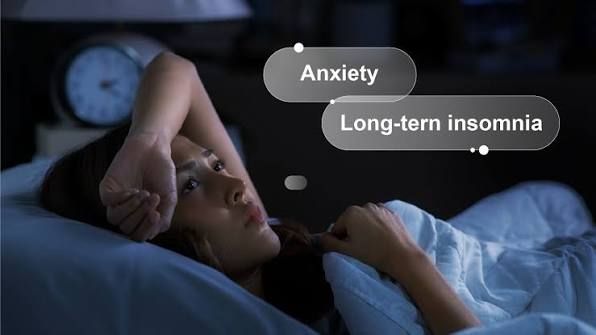
While we work to address systemic sleep disparities at a societal level, there are highly effective daily habits you can build to optimize your sleep quality and lower your overall stress response:
1. Design a Multi-Sensory Sleep Sanctuary
To shield your sleep from external environmental stressors, focus on controlling your bedroom environment. Use high-quality blackout curtains to block streetlights, and use white noise or pink noise machines to mask disruptive neighborhood sounds. Keeping your room slightly cool (around 65°F to 68°F) naturally assists your body’s temperature drop, which is essential for transitioning into deep sleep phases.
2. Build a Screen-Free Wind-Down Routine
An hour before bed, step away from all electronic screens. Instead, try activities that shift your body into a parasympathetic state, like gentle stretching, reading a physical book, or practicing breathwork. A simple box-breathing technique (inhale for 4 seconds, hold for 4, exhale for 4, hold for 4) helps calm a racing mind, telling your nervous system that it is safe to sleep.
Take Control of Your Nightly Recovery
The first step to improving your sleep is measuring it accurately. See how your body recovers each night without the distraction of glowing screens or monthly subscriptions.
3. Monitor Your Bio-Trends to Validate Your Rest
Using a comfortable, high-quality biometric device lets you see exactly which habits make a difference. If you change your evening routine, you should see a corresponding rise in your HRV and an increase in your deep sleep stages. Tracking these metrics provides clear, objective evidence of your recovery, giving you peace of mind and showing you exactly what is working for your body.
Why Reliable, Subscription-Free Biometric Tracking is a Game-Changer
Many consumers are understandably weary of cheap, inaccurate trackers, or health brands that hide your own personal health data behind expensive monthly paywalls. We believe you shouldn’t have to pay a monthly fee to access your own biometric trends.
The Herz P1 Smart Ring is built on a simple philosophy: buy it once, own your data forever. Its premium, medical-grade sensors provide highly accurate monitoring of your resting heart rate, active sleep stages, and daily HRV trends. By translating these complex numbers into a clear, daily Recovery Score, it helps you cut through the information overwhelm, allowing you to focus on simple, impactful changes to reclaim your daily energy.
Frequently Asked Questions (FAQ)
Q1: How do environmental factors directly cause sleep disparities?
Environmental factors like noise, light pollution, and working shift hours directly disrupt your natural circadian rhythms. These external stressors keep your autonomic nervous system on high alert throughout the night, reducing the amount of deep, restorative sleep you get, which is a major factor in ongoing study of race and sleep disorders.
Q2: What is Heart Rate Variability (HRV), and why is it important for sleep?
HRV measures the variation in time between consecutive heartbeats. A high HRV shows that your nervous system is balanced and highly adaptable, meaning your body is resting and recovering well. A low HRV indicates that your body is under physical or emotional stress, which often results in waking up feeling tired and unrefreshed.
Q3: How does the Herz P1 Smart Ring track my sleep without a screen?
The Herz P1 Smart Ring uses medical-grade optical sensors on the inside of the ring to monitor your blood flow, heart rate, and movement through the thin skin of your finger. It syncs this data seamlessly with an intuitive app on your phone, keeping your bed space completely screen-free and distraction-free.
Q4: Does the Herz P1 Smart Ring require a monthly subscription?
No, the Herz P1 Smart Ring operates on a 100% subscription-free model. Once you purchase the ring, you have full, unlimited access to your personal sleep metrics, HRV trends, and daily Recovery Scores forever, with no hidden monthly fees.
Q5: Can tracking my biometric trends help me manage sleep disparities?
Yes. Monitoring your biometric trends like deep sleep duration and HRV provides clear, objective feedback on how environmental stressors affect your health. This data empowers you to spot patterns, test different wind-down habits, and build a highly personalized routine that protects your sleep. For more insights, you can explore our in-depth research on the impact of race and sleep disorders to see how systemic factors shape daily recovery.
Disclaimer: Results may vary depending on individual physical activity levels, unique health conditions, and daily tracking patterns. This wearable is designed solely for holistic wellness tracking and monitoring daily trends, and is not a replacement for clinical advice or medical diagnostics.
