

Withings Sleep Mat Review: Unmatched Contactless Tracking or Physical Limit?
Waking up exhausted with a racing mind and brain fog is a frustrating mystery. Many turn to the under-mattress Withings sleep mat to track overnight vitals without wearing a bulky screen. But does it truly capture the deep recovery metrics you need? Let’s analyze its performance and explore how a premium screen-free wearable offers 24/7 recovery tracking.
Take Back Your Sleep.
Take Back Your Life.
- Fall asleep faster & sleep deeper
- Stop waking up in the middle of the night
- Wake up refreshed & full of energy
What We Will Cover:
- Our Hands-On Withings Sleep Tracking Mat Review
- The Science of Under-Mattress Sensors vs. Direct-Skin Vitals
- Understanding HRV and Sleep Stages (Deep, REM, Light)
- The Physical Limits of Contactless Sleep Analysis
- How the Screen-Free Herz P1 Smart Ring Offers 24/7 Recovery Monitoring
An In-Depth Withings Sleep Mat Review: Unpacking the Under-Mattress Lab

When it comes to monitoring overnight recovery, the market is saturated with bulky wristbands, flashing screens, and headbands. Our comprehensive withings sleep tracking mat review aims to dissect a highly unique alternative: a completely contactless pad that slips beneath your mattress and communicates with your smartphone via Wi-Fi. It promises to analyze your overnight habits without ever touching your skin.
At Mind Body Dan, we understand the profound frustration of waking up with non-restorative sleep. You drag yourself out of bed, battling persistent brain fog, yet you have no clear biological data to pinpoint why. A standard smartwatch might offer basic step-tracking, but it is often too uncomfortable to sleep in, requires annoying daily charging, and forces blue-light distractions into your evening wind-down routine. The withings sleep mat aims to solve these operational headaches by remaining entirely invisible once installed.
Quick Summary Table
| Evaluation Category | Score (Out of 10) | Key Takeaway |
|---|---|---|
| Sensor Accuracy | 7.5 / 10 | Strong heart rate tracking; struggled slightly with exact sleep stage transitions. |
| User Comfort | 10 / 10 | Perfect. Completely unnoticeable underneath a standard mattress. |
| App & Setup Experience | 8.5 / 10 | The Withings Health Mate app is clean, though initial Wi-Fi pairing can be finicky. |
| Actionable Daily Insights | 6.5 / 10 | Fails to track daytime stress or active physical recovery scores. |
| Best For: | Individuals who refuse to wear any smart devices to bed and only require overnight metrics. | |
Product Overview
The Withings Sleep Analyzer is a thin, fabric-covered pad about 25 inches long that lies directly beneath your mattress at chest level. It plugs into a wall outlet, eliminating any charging hassles. Using advanced pneumatic sensors, it measures the mechanical impulses generated by your body—including respiration, chest movements, and heartbeats—using a sophisticated method called ballistocardiography (BCG). It is an elegant engineering solution designed for users who want zero physical contact with a device during their sleep cycle.
Key Highlights
- Zero-Wearable Design: Offers complete physical freedom. You do not have to worry about skin irritation, tight bands, or sweaty wrists.
- Continuous Wall Power: Since it plugs directly into the wall, there is no battery depletion or morning charging routine to worry about.
- Breathing Disturbance Detection: Uses specialized acoustic and pressure analysis to monitor chest movements and log pauses in your breathing pattern throughout the night.
- Smart Home Integration: Can connect with IFTTT to automatically dim lights or adjust thermostats when you get into or out of bed.
Real-World Experience
Setting up the pad involves sliding it under your mattress, routing the power cable, and pairing it with the Health Mate app. In everyday use, the long-term performance of the withings sleep mat shows that you completely forget it is there. There are no screens to wake you up in the night and no tactile reminders of biometric tracking. Every morning, your data syncs silently via Wi-Fi to your phone, giving you a comprehensive breakdown of your sleep architecture, including REM, Deep, and Light sleep stages, as well as an overall Sleep Score.
Pros and Cons
To help you weigh your options objectively, let’s break down the direct advantages and drawbacks observed in our hands-on testing:
Pros:
- Unmatched physical comfort since nothing is worn on the body.
- Reliable tracking of sleep onset and wake times.
- Excellent long-term tracking of resting heart rate trends.
- No battery anxiety; it is always powered and ready.
Cons:
- The physical limitations of the withings sleep mat are apparent when using extra-thick memory foam or pocket-sprung mattresses, which can dampen the biometric signals.
- It is entirely stationary. If you travel, go on a business trip, or sleep on the couch, your tracking data is interrupted.
- No daytime tracking. It cannot monitor Heart Rate Variability (HRV) or physical strain during your waking hours, leaving you with only half of your recovery picture.
Evaluating the Alternatives
While the Withings sleep analyzer review highlights great bedroom-bound tracking, it lacks the 24/7 heart rate variability (HRV) context that explains *why* your sleep was poor in the first place. Was it a late-day workout, a stressful meeting, or high caffeine intake? To bridge this gap, many modern health enthusiasts are turning to elegant, screen-free wearables worn on the body. Among these, the Herz P1 Smart Ring stands out as a subscription-free champion, providing continuous biometric monitoring without the discomfort of a bulky smartwatch or the geographical limitations of a bed-bound mat.
Target Audience: Who is this for?
The under-mattress mat is perfect for the minimalist who values comfort above all else and refuses to wear anything on their fingers or wrists at night. It is ideal for those who primarily want to keep an eye on overnight breathing disturbances and general sleep duration trends. However, if you are a busy professional or fitness enthusiast looking to balance active daytime physical exertion with deep nocturnal recovery, a stationary mat will leave you wanting more.
Our Verdict
Ultimately, the accuracy of the withings sleep mat is highly impressive for a contactless device, but its stationary design means it cannot paint a complete picture of your health. It is a robust, well-engineered tool for basic nocturnal tracking, but it is blind to the 16 hours of daily activity that dictate your night’s rest.
The Biometric Science of Sleep: Why Contactless Tracking Has Hard Physical Limits

To understand why a withings sleep mat might occasionally show discrepancies compared to clinical sleep tests, we must look at the physics of contactless monitoring. During sleep, your body transitions through three major stages: Light, Deep (slow-wave sleep), and REM (Rapid Eye Movement). Each stage is characterized by unique autonomic nervous system activity, respiratory rates, and heart rate fluctuations.
“The Autonomic Nervous System doesn’t go offline when you wake up. To truly optimize your night, you must understand your daytime physical and mental load. Tracking biometrics 24/7 is the gold standard for clinical-grade sleep insights.”
— Team Mind Body Dan Biometric Specialists
During deep restorative sleep, your parasympathetic nervous system dominates. Your blood pressure drops, your respiration stabilizes, and your Heart Rate Variability (HRV)—the millisecond variation between consecutive heartbeats—typically rises, signaling physical repair. In contrast, during REM sleep, your heart and breathing rates become highly irregular, mirroring waking states while your muscles experience temporary paralysis.
The withings sleep mat attempts to track these changes by capturing the mechanical forces of your heart pumping blood through your arteries. However, as detailed in our extensive withings sleep analyzer review, this mechanical signal has to travel through your bed sheets, mattress protector, and inches of dense foam or metal springs before it ever reaches the sensor.
This creates a significant physical damping effect. If you sleep on a heavy, multi-layered memory foam mattress, the fine, micro-vibrations representing individual heartbeat intervals can get blurred. While the mat is excellent at identifying general heart rate averages, it can struggle to measure the exact millisecond variations required for true, medical-grade HRV tracking. For anyone trying to analyze their autonomic nervous system to manage daily stress, this physical damping can result in less-than-stellar accuracy.
Furthermore, contactless systems are blind to sudden physical changes that occur when you step away from your bed. If you wake up at 3 AM with a racing mind, get up to drink water, or pace the room trying to settle a stressful thought, the mat simply registers this as “out of bed” time. It cannot track the sudden spike in your heart rate or the drop in your HRV during that midnight waking window. It lacks the continuous, skin-contact PPG (photoplethysmography) technology that a dedicated wearable utilizes to monitor your body’s response in real-time.
The Screen-Free, Subscription-Free Alternative: Reclaiming Your 24/7 Recovery
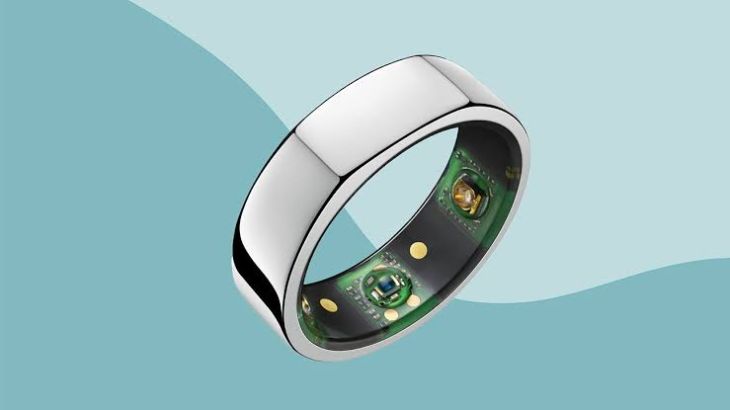
If you love the screen-free, distraction-free ethos of the withings sleep mat but want deeper, more accurate biological data that travels with you, the Herz P1 Smart Ring offers a highly compelling alternative. Built from ultra-lightweight, medical-grade titanium, this elegant ring slides onto your finger and remains completely unobtrusive all night long. Because it rests directly against your skin, its high-precision PPG sensors bypass the acoustic damping of mattresses, tracking your blood flow right at the source.
Why Direct Skin Contact Improves Biometric Insights:
Skin-contact PPG sensors deliver continuous light waves directly into your capillaries. Unlike under-bed sensors, this method captures micro-changes in Heart Rate Variability (HRV) during active REM cycles, ensuring your recovery score matches how you actually feel.
The Herz P1 Smart Ring is designed specifically for those who want to reclaim their physical and mental energy without the fatigue of modern subscription models. While the data setup explained in our withings sleep analyzer review is impressive, it only monitors your stationary, in-bed hours. The Herz P1 tracks your vitals continuously, 24 hours a day, translating complex algorithms into a single, intuitive Daily Recovery Score.
This allows you to clearly see how your daytime activities—like a stressful workday, a afternoon cup of coffee, or a light walk—directly influence your evening sleep stages. If your mind is racing at 3 AM, the ring captures that precise moment of autonomic arousal by measuring skin conductance and micro-fluctuations in heart rate, helping you connect the dots between your daily habits and nightly rest.
Looking for 24/7 Insights Without a Wearable Curfew?
While a bed mat tracks your stationary hours, recovery happens all day long. Real-time stress levels, spontaneous movement, and sudden heart rate fluctuations shape your evening sleep architecture. Elevate your daily metrics with a screen-free, subscription-free alternative.
Moreover, the Herz P1 Smart Ring addresses the modern pain point of subscription fatigue. Many wearable devices today lock your sleep and recovery metrics behind a monthly paywall. With the Herz P1, you buy the device once and own your data forever. Combined with a battery life that lasts for several days on a single quick charge, it solves the operational hassles of bulky smartwatches without compromising on the depth or accuracy of your metrics.
By stepping away from complex, hard-to-read graphs and embracing a simple, screen-free wearable, you can begin to make meaningful, science-backed lifestyle adjustments. Whether you choose the contactless ease of the under-bed mat or the comprehensive, 24/7 skin-contact monitoring of the Herz P1 Smart Ring, tracking your recovery is the first major step toward reclaiming your energy and finding peace of mind.
Disclaimer: Results may vary depending on individual physical activity levels, unique health conditions, and daily tracking patterns. The content on Mind Body Dan is for informational and educational purposes only and should not be taken as professional medical advice. Always consult with a qualified healthcare provider before making significant changes to your wellness routine or starting any new sleep or tracking regimen.
