

Casper Pillows Review: Softness and Comfort Guide
Are you waking up with nagging neck pain or feeling like you haven’t slept at all? In this comprehensive casper pillows review, our team at Mind Body Dan evaluates Casper’s signature line to see if they truly deliver restorative comfort, and how tracking your sleep architecture with a screen-free Herz P1 Smart Ring can confirm your physical upgrades are actually working.
Take Back Your Sleep.
Take Back Your Life.
- Fall asleep faster & sleep deeper
- Stop waking up in the middle of the night
- Wake up refreshed & full of energy
Key Article Highlights
- The Multi-Layer Advantage: Casper’s distinct “pillow-in-a-pillow” structure strikes a reliable balance between cloud-like softness and deep neck support.
- Temperature Management: Breathable covers and open-cell foam technologies effectively reduce the night sweats that disrupt deep sleep.
- The Biometric Verification: True physical recovery can’t be assessed by feel alone; monitoring heart rate variability (HRV) and sleep stages is crucial.
- Screen-Free Simplicity: The titanium Herz P1 Smart Ring provides subscription-free health monitoring to measure sleep improvements without the distractions of a smartwatch.
Table of Contents
1. Casper Pillows Review: A Deep Dive into Softness and Comfort

We’ve spent weeks testing various sleeping arrangements for this casper pillows review to understand how material engineering impacts spinal health and daily recovery. Sleep is not merely a passive state of rest; it is an active biological rebuilding phase. Your choice of pillow plays a fundamental role in either facilitating or obstructing this recovery. When you sleep on an unsupportive surface, your neck muscles remain tense all night, which can elevate your heart rate and prevent your body from transitioning into deep, restorative sleep.
Pillow Comparison & Summary
Before digging into the structural details, let’s look at how Casper’s main pillow variations compare in terms of feel, materials, and target sleepers. Selecting the right casper pillow model depends heavily on your primary sleeping position and how your neck muscles handle nighttime pressure.
| Pillow Model | Core Materials | Softness & Feel | Best For |
|---|---|---|---|
| Casper Original | Polyester Microfiber (Pillow-in-a-Pillow) | Plush outer layer with a supportive inner core | All-around sleepers (Side, Back, Stomach) |
| Casper Foam | 3-Layer Perforated Polyurethane Foam | Contouring support, responsive rebound | Side sleepers needing reliable neck alignment |
| Casper Down | Ethically Sourced Duck Down & Feathers | Luxurious, lightweight, compressible fluffiness | Stomach sleepers preferring low-loft support |
Product Overview
In analyzing Casper’s pillow lineup, we found that the brand addresses one of the most common issues in sleep ergonomics: the trade-off between softness and structural support. Standard soft pillows feel comfortable initially but tend to flatten out within hours, leaving your cervical spine unaligned. On the other hand, firm orthopedic pillows can feel like sleeping on a block of wood, creating uncomfortable pressure points around the ears and jaw.
Casper’s flagship product, the original Casper pillow, uses an innovative “pillow-in-a-pillow” design. The inner core is packed with dense, short polyester microfibers to provide supportive loft, while the outer chamber features longer, lightweight fibers that mimic the soft, airy feel of high-end down. This allows your head to sink in comfortably without bottoming out.
The Pillow-in-a-Pillow Mechanic
By separating the support layer from the comfort layer, the Casper Original prevents the “clumping” typical of standard fiber-fill options. When you roll over, the outer fibers shift smoothly, while the inner core maintains a stable foundation to keep your neck aligned with your spine.
Key Product Highlights
- Dual-Chamber Design: Combines a supportive, dense inner core with a plush, down-like outer layer.
- Breathable 100% Cotton Cover: Features a breathable percale weave that helps dissipate body heat throughout the night.
- Contoured Foam Layering: The Casper Foam model uses three layers of open-cell polyurethane foam with small perforations to keep air moving.
- Machine-Washable Construction: Unlike solid memory foam, both the Original and Down models can be washed in standard machines, helping keep your sleep setup clean and allergen-free.
Real-World Experience
Sleeping on these pillows reveals distinct differences depending on your style of rest. During our testing for this Casper foam pillow review, we observed that side sleepers benefit most from the foam model. The foam conforms to the space between your neck and shoulder, keeping your head in a neutral position without applying excessive pressure to your jaw.
For back sleepers, the Casper Original offers a comfortable balance. When your head rests in the center, the outer chamber compresses just enough to cradle your head, while the inner core supports the natural curve of your neck. Stomach sleepers, however, may find both the Foam and high-loft Original models a bit too tall, which can hyperextend the neck. For stomach sleeping, the Casper Down (especially in its low-loft version) or the compressed Original is a better option to prevent morning stiffness.
Pros and Cons of Casper Pillows
The Pros:
- Reliable Loft: The inner core prevents the pillow from collapsing into a flat sheet during the night.
- Effective Airflow: The open-weave cotton cover and perforated foam layers help keep the surface cool, reducing the need to flip the pillow to the “cool side.”
- Allergen Control: Being able to machine-wash the Original model is a major advantage for people sensitive to dust mites and pet dander.
- Thoughtful Design: The 2-inch gusset along the edges helps distribute the fill evenly right up to the borders.
The Cons:
- Initial Off-gassing: The Foam model has a slight chemical smell when first unboxed, which usually clears up within 24 to 48 hours in a well-ventilated room.
- Regular Fluffing Needed: The Down and Original models require regular fluffing to restore their full shape after storage or use.
- Bulkiness: The standard size is slightly larger than typical pillowcases, meaning you may need to squeeze it into standard covers.
How Casper Compares to Modern Sleep Metrics
While pillows designed by Casper excel in physical comfort, how do you verify if they are actually improving your rest? Many people invest in expensive bedding but continue to wake up feeling fatigued, unaware of what is actually happening during their sleep cycles.
This is where physical comfort and sleep tracking come together. While a comfortable pillow helps relax your body, a screen-free wearable like the Herz P1 Smart Ring provides the data to confirm it. By tracking deep sleep, REM cycles, and heart rate variability (HRV) without the monthly subscription costs or bulky designs of standard smartwatches, the Herz P1 lets you see the direct impact of your sleep setup.
Target Audience & Verdict
Who is the Casper pillow for? It is an excellent choice for side and back sleepers who want a balance of soft comfort and supportive structure. It’s also ideal for those who tend to sleep hot and want a low-maintenance, washable pillow.
Who is it NOT for? Dedicated stomach sleepers may find the loft of the Original and Foam models too high, which can cause neck discomfort. Additionally, individuals looking for a dense, slow-sinking memory foam feel may find Casper’s responsive foam design a bit too springy.
The Verdict: Our review shows that Casper’s multi-layered designs offer high-quality comfort that helps relieve neck tension. However, to get a complete picture of your recovery, we recommend combining physical upgrades like a Casper pillow with biometric tracking to ensure you are actually getting deep, restorative sleep.
2. Beyond Softness: Physical Comfort Meets Biometric Reality
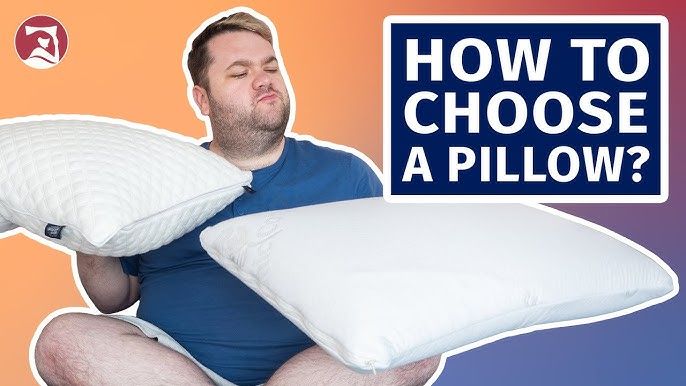
Understanding sleep biomechanics requires looking beyond how comfortable a pillow feels when you first lie down. A key focus of our Casper’s sleep ergonomics analysis is how spinal alignment interacts with your central nervous system during the night.
When your head rests at an unnatural angle, the muscles in your neck and shoulders work continuously to protect the cervical spine. This muscle tension prevents your body from fully relaxing, keeping your sympathetic nervous system active—the system responsible for your “fight-or-flight” response. As a result, you may experience elevated nighttime heart rates, lower heart rate variability (HRV), and more frequent brief awakenings, even if you don’t fully remember them in the morning.
The Psychological Toll of Poor Sleep Geometry
Many people experience a frustrating sleep struggle: they go to bed early and spend eight hours in bed, yet wake up with a heavy mind, physical fatigue, and brain fog. Over time, this unresolved exhaustion can lead to frustration and stress as you try various lifestyle adjustments without seeing clear results.
When you are physically uncomfortable, even minor misalignments can lead to tossing and turning, which triggers a racing mind at 3 AM. This creates a loop: physical discomfort causes mental stress, which then prevents you from falling back asleep. Choosing an ideal loft and comfort level is a physical way to help break this cycle, but physical comfort is only part of the solution.
— Team Mind Body Dan
Bridging Physical Comfort and Biometric Tracking
How do we confirm if upgrading to a high-quality pillow actually improves our rest? While comfort is subjective, biometric data is objective. When your neck is properly supported and comfortable, your body can spend more time in deep sleep and REM stages, while your heart rate stabilizes and your HRV increases.
Many people find typical smartwatches bulky and uncomfortable to wear to bed, or they get annoyed by having to charge them daily. This operational issue often leads people to stop tracking their sleep altogether. Furthermore, the blue light from screens and the distraction of notifications right before bed can stimulate a racing mind, defeating the purpose of a relaxing sleep routine.
A screen-free, lightweight tracking method allows you to collect accurate biometric data without these distractions. By monitoring your sleep patterns quietly in the background, you can easily see if your physical upgrades are translating into actual, measurable recovery.
The Gap in Your Sleep Strategy
Upgrading your pillow is a helpful step, but managing sleep quality without biometric data is mostly guesswork. Measuring changes in deep sleep and HRV is the most reliable way to confirm your sleep setup is actually working.
3. Why Biometric Science is the Ultimate Test for Your Sleep Setup

To understand how physical comfort impacts your overall wellness, you need to track how your body responds internally. Incorporating biometric science into your routine allows you to move past the confusion of hard-to-read health data and focus on simple, actionable recovery metrics instead.
The Herz P1 Smart Ring is designed specifically for this purpose. Made from ultra-lightweight titanium, it fits comfortably on your finger, solving the issues of bulky smartwatches that can disrupt your sleep and require daily charging. With a battery life that lasts for days, it monitors your key health metrics quietly and comfortably.
Understanding Your Biometrics
The Herz P1 Smart Ring uses medical-grade sensors to monitor three primary aspects of your health:
- Sleep Stage Analysis: It tracks the time you spend in REM, Deep, and Light sleep. Deep sleep is when your body focuses on physical recovery and muscle repair, while REM sleep supports cognitive functions like memory and emotional processing.
- Heart Rate Variability (HRV): HRV measures the variation in time between consecutive heartbeats, which is regulated by your autonomic nervous system. A higher HRV indicates that your body is well-rested and adapting well to stress, while a lower HRV suggests physical fatigue or mental tension.
- Daily Activity & Recovery Score: The ring combines your sleep data, physical activity, and physiological trends into a single, intuitive recovery score. This helps you understand how ready you are for the day ahead without overwhelming you with complex charts.
A Simple, Subscription-Free Choice
Unlike many health wearables that require ongoing monthly subscriptions to access your own data, the Herz P1 is completely subscription-free. You buy the ring once and have full, permanent access to all your biometric insights.
A Balanced, Screen-Free Approach to Rest
A key benefit of a screen-free smart ring is that it helps you maintain a peaceful bedtime routine. Looking at bright phone or smartwatch screens before sleep can delay melatonin production and keep your brain active. By using a screen-free ring, you can focus on wind-down practices like reading or stretching on your comfortable pillow, knowing your sleep data is being tracked automatically and will be ready for you in the morning.
Improving your rest requires a combination of physical support and clear, objective tracking. By pairing the ergonomic support of a high-quality pillow with the simple, subscription-free tracking of the Herz P1 Smart Ring, you can take control of your nightly recovery and build a healthier, more balanced routine.
Disclaimer: Results may vary depending on individual physical activity levels, unique health conditions, and daily tracking patterns. The Herz P1 Smart Ring is designed as a wellness wearable to monitor overall fitness and sleep trends; it is not a medical device and is not intended to diagnose, treat, or cure any medical condition.
