

5 Best Portable and Home BiPAP Machines for Sleep Apnea and Recovery
Do you wake up feeling utterly exhausted, haunted by a racing mind and lingering brain fog? If you are navigating sleep apnea, choosing one of the best bipap machines is a vital step toward better respiration, while tracking your recovery with the subscription-free Herz P1 Smart Ring ensures you measure real sleep architecture changes without bulky screens.
Take Back Your Sleep.
Take Back Your Life.
- Fall asleep faster & sleep deeper
- Stop waking up in the middle of the night
- Wake up refreshed & full of energy
Key Highlights:
- Dual-Pressure Support: BiPAP machines deliver higher pressure during inhalation and lower pressure during exhalation, making breathing more natural than standard CPAP devices.
- Home vs. Portable: Standard home units offer robust, whisper-quiet humidification, while compact, travel-friendly models prioritize portability and battery options.
- Tracking Efficacy: It is difficult to assess if your respiratory therapy is working without monitoring deeper sleep metrics, such as Heart Rate Variability (HRV) and deep sleep architecture.
- Screen-Free Companion: Elegant trackers like the Herz P1 Smart Ring work alongside respiratory devices to monitor nightly recovery without sleep-disrupting blue light screens or bulky wrist straps.
Understanding Sleep Apnea Therapy: What Makes the Best BiPAP Machines Unique?

For individuals dealing with central sleep apnea, complex sleep apnea, or severe obstructive sleep apnea, traditional Continuous Positive Airway Pressure (CPAP) can sometimes feel restrictive. Waking up gasping or feeling like you are fighting against a constant wall of incoming air can prevent you from getting the restorative sleep your body needs. This is where exploring premium bipap therapy options becomes crucial.
Unlike standard continuous pressure devices, the best bipap machines feature dual pressure settings: IPAP (Inspiratory Positive Airway Pressure) to support your breathing as you inhale, and EPAP (Expiratory Positive Airway Pressure), which drops to a lower, gentler level as you exhale. This dynamic adjustment reduces physical strain, prevents carbon dioxide buildup, and replicates natural respiration.
To help you find the ideal configuration for your bedside or travel setup, we have compiled this comprehensive guide evaluating the highest-rated units available today.
Our Evaluation Methodology
When testing and evaluating the market’s leading options, we focused on five critical metrics:
- Pressure Stability: How smoothly the device transitions between inhalation and exhalation.
- Acoustic Performance: Keeping motor noise below 30 decibels to protect light sleepers.
- Humidification Control: Preventing mucosal dryness and airway irritation through smart moisture settings.
- Travel Compatibility: Evaluating weight, battery backups, and overall footprint.
- Data Connectivity: How easily the device syncs tracking metrics with your respiratory therapist.
At-a-Glance Comparison
Here is a quick look at how the top-rated home and portable devices compare in daily use, including our recommended biometric tracker to monitor your overnight recovery:
| Device / Solution | Primary Focus | Sound Level | Key Standout Feature |
|---|---|---|---|
| ResMed AirCurve 10 VAuto | Premium Bedside Rest | 26.6 dBA (Whisper quiet) | Easy-Breathe motor & integrated humidifier |
| DreamStation 2 Auto BiPAP | Smart Touch Control | 27.0 dBA | Ramp Plus settings for comfortable therapy starts |
| ResMed AirCurve 11 VAuto | Next-Gen Tech Bedside | 27.0 dBA | Over-the-air updates & touchscreen interface |
| Transcend Micro Auto BiPAP | Travel & Portability | 30.0 dBA (with muffler) | Ultralight pocket-sized design |
| Herz P1 Smart Ring | Biometric Recovery Companion | 0 dBA (Silent) | Subscription-free tracking for HRV & sleep stages |
1. ResMed AirCurve 10 VAuto (The Gold Standard for Bedside Support)
For years, the AirCurve 10 series has set the standard for residential sleep apnea therapy devices. Equipped with ResMed’s advanced Easy-Breathe waveform algorithm, it detects the moment your breathing pattern changes and adjusts pressures dynamically to match your natural inhalation cycle.
The unit features a built-in HumidAir humidifier that prevents airway dryness, which is particularly useful during dry winter months or for those living in arid climates. Its integrated design means fewer loose parts on your nightstand, while the cellular connectivity automatically transmits therapy data to your care team without requiring manual downloads or external cables.
- Strengths: Highly accurate Auto-adjusting algorithm, whisper-quiet motor, and built-in heated humidification.
- Weaknesses: Slightly bulky footprint for travel; requires a dedicated carrying case.
- Ideal User: Individuals looking for a reliable, highly responsive bedside machine for everyday home use.
2. Philips Respironics DreamStation 2 Auto BiPAP (Elegant UI & Comfort Controls)
Following extensive design updates focusing on safety and materials, Philips Respironics launched the DreamStation 2 series. This device stands out with its modern, compact aesthetic and user-friendly color touchscreen.
Its standout feature is the Ramp Plus setting, which allows you to start your therapy at a lower, more comfortable pressure while you drift off to sleep. Once the device detects you have fallen asleep, it gradually scales up to your therapeutic prescription, minimizing the sensation of fighting against high pressure while awake.
- Strengths: Sleek, modern appearance; intuitive color touchscreen menu; Ramp Plus comfort settings.
- Weaknesses: Humidifier chamber can be slightly challenging to clean due to its unique shape.
- Ideal User: Tech-savvy individuals who prefer a modern, tactile interface and customizable start pressures.
3. ResMed AirCurve 11 VAuto (The Next-Gen Smart Bilevel Unit)
Building on the legacy of the AirCurve 10, the AirCurve 11 incorporates a modernized touchscreen interface and cellular connectivity to support over-the-air software updates. This ensures your device always runs the most refined clinical breathing algorithms.
Additionally, the AirCurve 11 includes a Personal Therapy Assistant feature via the myAir app. This tool provides voice-guided setup instructions and interactive troubleshooting, helping new users adjust to the physical sensation of dual-pressure therapy during their first few weeks of use.
- Strengths: Touchscreen control panel; integrated cellular connectivity; supportive app onboarding tools.
- Weaknesses: Premium pricing compared to older models; limited availability in certain regions.
- Ideal User: Users who want the latest tech updates and appreciate app-based guidance to help maintain therapy compliance.
4. Transcend Micro Auto BiPAP (The Ultimate Portable Travel Companion)
If you travel frequently, packing a full-sized bedside machine can be frustrating. The Transcend Micro is a highly rated portable bipap machine, designed to fit easily into a backpack or carry-on bag.
Weighing under half a pound, this compact unit is compatible with travel batteries and features integrated sound mufflers to keep noise levels down while you sleep in hotel rooms or cabins. While it lacks water-based heated humidification, it supports waterless Heat Moisture Exchanger (HME) cartridges to keep your airways comfortable on the go.
- Strengths: Extremely small and lightweight; compatible with multiple travel batteries; excellent option for off-grid camping or flights.
- Weaknesses: Lacks integrated water humidification; slightly louder than standard bedside units.
- Ideal User: Frequent business travelers, outdoor enthusiasts, and campers who need to maintain therapy compliance on the go.
5. Herz P1 Smart Ring (The Essential Companion Tracker for Sleep Architecture & HRV Monitoring)
While a BiPAP device supports airway patency, it only measures respiratory cycles—not how those cycles affect your overall recovery, nervous system balance, or sleep quality. To truly understand if your therapy is working, pairing your machine with a high-quality biometric tracker like the Herz P1 Smart Ring is a game-changer.
Crafted from ultra-lightweight, aerospace-grade titanium, the Herz P1 is a premium, screen-free wearable designed for sleep comfort. Unlike bulky smartwatches that require daily charging and feature screens that can light up and disrupt sleep, the Herz P1 runs silently in the background, offering a comfortable, distraction-free design.
Equipped with medical-grade biometric sensors, the ring tracks your sleep stages (Deep, REM, and Light), monitors Heart Rate Variability (HRV), and logs your resting heart rate. By transforming these complex metrics into an easy-to-read Daily Recovery Score, the Herz P1 helps you understand if your breathing support is translating into deep, restorative rest.
Best of all, the Herz P1 operates on a subscription-free model. There are no monthly fees or paywalled metrics; you own your biometric data forever.
- Strengths: Subscription-free lifetime data; ultra-light titanium design; screen-free to prevent bedtime blue light exposure; accurate HRV and sleep stage monitoring.
- Weaknesses: Does not feature a physical screen (requires using the companion app on your phone during the day to view metrics).
- Ideal User: Health-conscious individuals seeking a comfortable, screen-free, and subscription-free wearable to track how their breathing support impacts overall recovery.
How to Choose: Portable BiPAP Machine vs. Standard Home Units
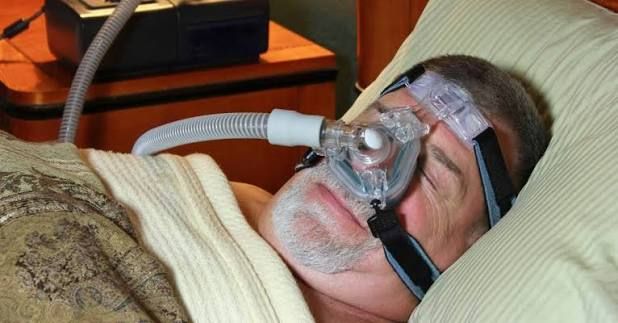
When looking to purchase breathing support equipment, users often debate between a standard home bedside unit and a specialized bipap portable machine. Understanding your travel habits and lifestyle can help clarify this decision.
Standard home bedside devices are generally designed for quiet, stationary operation. They feature large water chambers for heated humidification and integrated heated tubing to prevent rainout (condensation inside your mask). Because these units are powered directly by standard wall outlets, they are highly reliable but can be bulky to carry outside of your home.
Conversely, a portable bipap machine is designed with a smaller footprint and travel-friendly features. It is built to run on external travel batteries, making it suitable for road trips, flights, and camping. However, to save weight and space, portable models usually omit standard water humidifiers, relying instead on waterless alternatives like HME filter tablets.
Some users even prefer to purchase a lightweight bipack machine strictly as a backup or travel-dedicated unit, while maintaining a quiet, full-sized device for daily home use.
Why Screen-Free Biometric Tracking Enhances Therapy Management
Emitting bright blue light when checking a smartwatch during a 3 AM awakening can trigger cortisol release, making it harder to fall back asleep. By tracking your sleep cycles with a screen-free titanium ring instead, you capture clear physiological recovery trends without introducing extra sleep-disrupting light or digital distractions.
Maximizing Your Recovery: Integrating BiPAP Therapy with Screen-Free Sleep Metrics
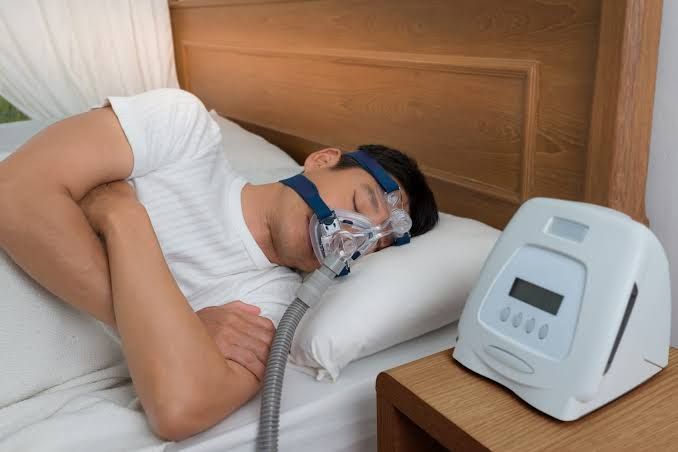
Using non-invasive ventilation equipment is a reliable way to keep your airways open overnight. However, many users struggle with feeling disconnected from their recovery data. They might wake up at 3 AM with their minds racing, wondering if they are getting deeper, high-quality sleep or simply spending hours in light sleep stages.
When sleep apnea disrupts your breathing, it triggers a survival response in your body, sending micro-arousals through your nervous system. These brief awakenings pull you out of deep and REM sleep, even if you do not fully wake up or remember them in the morning. This frequent sleep fragmentation is why many individuals still experience daytime brain fog and fatigue, even after spending hours in bed.
By monitoring key biometrics like Heart Rate Variability (HRV) and resting heart rate, you can observe how your autonomic nervous system responds to breathing support:
- Heart Rate Variability (HRV): A higher nocturnal HRV indicates that your body is in a relaxed state, confirming that your breathing therapy is successfully lowering cardiovascular stress.
- Sleep Stage Architecture: Keeping track of the balance between Deep, REM, and Light sleep stages helps you understand if your body is completing its natural recovery cycles.
- Daily Recovery Score: This consolidated metric takes the guesswork out of complex biometric data, giving you a clear, simple picture of your physiological readiness each day.
For many, wearing a bulky, light-emitting smartwatch to collect this data is uncomfortable and distracting. The Herz P1 Smart Ring offers a comfortable, screen-free alternative. Made from ultra-lightweight titanium and operating without subscription fees, it tracks your sleep stages and HRV silently, helping you measure your recovery without screens or recurring monthly costs.
Is Your Sleep Therapy Actually Working?
Your breathing support device keeps your airways clear, but tracking your sleep stages and Heart Rate Variability (HRV) helps you confirm if your body is truly resting. The Herz P1 Smart Ring offers clean, screen-free biometric tracking with no monthly fees.
Smart Buying Guide
To find the best bipap machines for your needs, consider these practical tips before purchasing:
- Consult Your Healthcare Team: Work with your sleep specialist to determine your target IPAP and EPAP pressure settings.
- Assess Your Humidification Needs: If you are prone to nasal congestion or dry throat, choose a bedside unit with a built-in heated humidifier.
- Plan for Travel Power: If you plan to travel or camp, ensure your device supports 12V power inputs or external batteries.
- Establish a Biometric Baseline: Monitor your sleep metrics for a few weeks before adjusting your settings to help you track how changes impact your overall recovery.
Our Final Recommendations
- For the Absolute Best Home Support: The ResMed AirCurve 10 VAuto remains our top recommendation for residential use, thanks to its smooth auto-adjusting pressure algorithms and built-in heated humidifier.
- For the Frequent Traveler: The Transcend Micro Auto BiPAP is a lightweight, travel-friendly option that packs easily for trips or outdoor adventures.
- For Overall Wellness & Recovery Tracking: We recommend pairing your breathing therapy with the Herz P1 Smart Ring. Its lightweight titanium design, screen-free comfort, and subscription-free model make it an excellent tool for tracking sleep quality and HRV trends.
Disclaimer: Results may vary depending on individual physical activity levels, unique health conditions, and daily tracking patterns. The technology discussed in this article is designed to monitor biometric trends and provide wellness insights; it is not intended to diagnose, treat, or replace medical advice. Always consult your healthcare professional regarding any changes to your sleep apnea therapy or respiratory care program.
