

Why Do I Feel Worse After a Nap? The Science of Sleep Inertia and How to Fix It
If you find yourself asking “why do i feel worse after a nap”, you are not alone. Waking up from a midday rest with brain fog, a heavy body, and a racing mind is incredibly frustrating. At Team Mind Body Dan, we explore how screen-free tools like the Herz P1 Smart Ring can help you track these sleep stages to reclaim your daytime energy.
Take Back Your Sleep.
Take Back Your Life.
- Fall asleep faster & sleep deeper
- Stop waking up in the middle of the night
- Wake up refreshed & full of energy
- The Deep Sleep Trap: Waking up mid-way through deep, slow-wave sleep is the primary driver of post-nap grogginess.
- Adenosine Reset: Napping clears sleep pressure, but poorly timed naps disrupt your natural circadian rhythm.
- The 20-Minute Limit: Learn how restriction to light sleep cycles prevents sleep inertia entirely.
- Screen-Free Biometrics: How monitoring your Recovery Score without daily screen distraction leads to sustainable energy.
The Science of Sleep Inertia: Why Do I Feel Worse After a Nap?
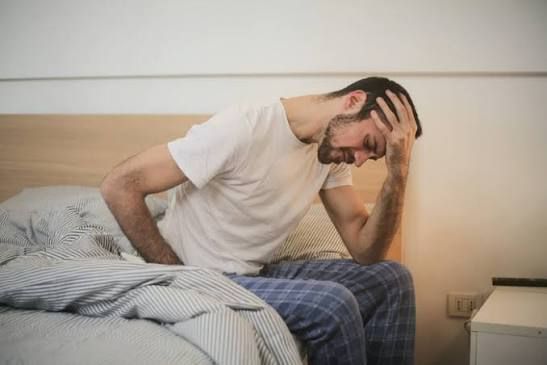
Quick Answer: Yes, feeling worse after a nap is incredibly common. The short answer is that waking up in the middle of deep sleep triggers a physiological state called sleep inertia, leaving you feeling groggy, disoriented, and fatigued. However, to choose the right strategy to fix this, you must understand your body’s sleep cycles and recovery state.
Have you ever laid down for what you hoped would be a quick, rejuvenating rest, only to wake up feeling like you have been hit by a freight train? Your limbs feel heavy, your eyes sting, and a profound brain fog blankets your mind. You may even experience a racing mind as you struggle to realign with the waking world. If this sounds familiar, your immediate question is likely, “why do i feel worse after a nap?”
To understand why do i feel worse after a nap, we have to look closely at brain wave activity and the mechanical structure of a sleep cycle. When we sleep, our brains progress through distinct phases, moving from light sleep into deep, slow-wave sleep, and eventually into REM (Rapid Eye Movement) sleep. Each cycle takes roughly 90 minutes to complete.
When you take a nap that lasts between 30 and 60 minutes, you are highly likely to be pulled out of sleep during Stage 3 or Stage 4 slow-wave sleep. During deep sleep, your brain’s temperature, heart rate, and blood flow to the brain drop significantly. Waking up suddenly from this stage causes a harsh physiological transition. The brain’s prefrontal cortex—responsible for decision-making, self-control, and complex thought—takes time to “reboot.” This lag is the biological foundation of why you feel groggy after nap.
Another major factor in why do i feel worse after a nap is the accumulation of a chemical called adenosine. Throughout your waking hours, adenosine builds up in your brain, creating what sleep scientists call “sleep pressure.” The longer you stay awake, the more adenosine builds up, making you feel increasingly tired. When you take a long midday nap, you quickly clear out this built-up sleep pressure. However, if you wake up before completing a full 90-minute sleep cycle, you miss out on the restorative benefits of REM sleep while simultaneously stripping away your sleep drive. You wake up with low sleep pressure but high sleep inertia, leaving you trapped in a state of exhaustion.
Determining whether a nap will help or hinder your recovery depends entirely on your daily physical and mental state. Use this simple checklist to decide:
- Nap if: You slept poorly the previous night (under 6 hours), you need a quick mental boost before an important task, or you are experiencing a natural afternoon circadian dip (usually between 1:00 PM and 3:00 PM).
- Skip the nap if: You suffer from chronic insomnia, find yourself waking up at 3:00 AM unable to quiet a racing mind, or if a daytime rest regularly prevents you from falling asleep at your scheduled bedtime.
Suggested Solutions to Eliminate Post-Nap Brain Fog
If you want to know how to get rid of groggy feeling after nap, the solution lies in strict time management. To prevent waking up from deep sleep, keep your naps restricted to 15 to 20 minutes max. This ensures you remain strictly in light sleep, making it simple to wake up refreshed. Alternatively, if you have the time, sleep for a full 90 minutes to allow your brain to naturally complete a full cycle.
But how do you accurately monitor these patterns without inducing the very stress that ruins your rest? Many people turn to bulky smartwatches, but these screens often emit blue light that disrupts your natural melatonin production.
A screen-free, elegant tracking alternative like the Herz P1 Smart Ring provides a seamless way to understand your sleep architecture. Made from ultra-lightweight titanium, it tracks your precise sleep stages (Light, Deep, REM) and provides an intuitive, easy-to-read Recovery Score without distracting screen notifications. It is entirely subscription-free, meaning you buy the device once and own your physiological data forever.
Short FAQ on Sleep Inertia and Naps
Q: How long does sleep inertia typically last?
A: For most people, the groggy feeling after nap lasts anywhere from 15 to 60 minutes. However, in cases of severe sleep debt, it can linger for up to two hours.
Q: Why does my mind race even though my body feels exhausted after a nap?
A: This mismatch occurs when your physical body is pulled abruptly out of deep muscle relaxation, while your nervous system remains in a heightened state of stress or anxiety.
Q: Can tracking my sleep stages really help me prevent feeling groggy?
A: Yes. By learning how much deep sleep you get during the night, you can better predict how your body will react to daytime sleep. Tracking with a screen-free device helps you observe these trends over time without added screen stress.
Biometric Indicators: Tracking Your HRV and Sleep Architecture

Understanding Heart Rate Variability (HRV) and Daily Recovery
If you consistently find yourself asking “why do i feel worse after a nap”, looking at isolated sleep metrics is only half the battle. To truly understand why your body reacts poorly to daytime rest, you need to understand your autonomic nervous system. This is where tracking your Heart Rate Variability (HRV) becomes an invaluable tool.
HRV measures the tiny variations in time between each consecutive heartbeat. This metric is a direct indicator of your body’s balance between the sympathetic (“fight-or-flight”) and parasympathetic (“rest-and-digest”) nervous systems. A higher HRV indicates that your body is resilient, relaxed, and highly adaptable to stress. Conversely, a consistently low HRV indicates that your body is locked in a state of chronic stress, struggling to fully recover even when resting.
When your system is overtaxed, taking a midday nap can actually act as an additional stressor. Rather than helping you recover, the sudden shift in autonomic states can drop your HRV even lower, which explains why do i feel worse after a nap. By monitoring your HRV trends with a dedicated heart rate variability guide, you can begin to see if your body is in a state of overtraining, chronic fatigue, or oncoming stress.
Additionally, understanding how a recovery score is calculated allows you to make informed decisions before you decide to close your eyes. If your morning recovery score is high, a short nap might give you an extra boost of focus. If your recovery score is dangerously low, it is a sign that you need to prioritize consistent night-time rest to improve your deep sleep quality, rather than trying to patch over sleep deficits with erratic daytime naps.
The Pitfalls of Bulky Smartwatches and Screen-Induced Sleep Anxiety
In the quest to answer “why do i feel worse after a nap”, many people make the mistake of tracking their sleep with standard, bulky smartwatches. However, these devices often introduce new pain points.
Many find smartwatches uncomfortable to wear throughout the night. They can be heavy, trap sweat, and require daily charging—often dying right when you need them most. Furthermore, the constant presence of a screen on your wrist can trigger “sleep anxiety.” Checking your sleep stats on a bright phone screen immediately upon waking can trigger a rush of morning cortisol, spiking your heart rate and worsening the groggy feeling after nap.
Transitioning to screen-free tracking methods is one of the most effective benefits of screen-free sleep habits. By removing the distraction of screens, you allow your brain to wake up naturally without the cognitive overload of instant notifications.
The Herz P1 Smart Ring offers an elegant solution to this modern tracking dilemma. Since it features medical-grade biometric sensors that sit snugly on your finger, it reads heart rate and HRV directly from the digital arteries, which are closer to the skin’s surface than the blood vessels in your wrist. This provides highly accurate readings in a lightweight, titanium form factor that is completely unnoticeable during sleep. Best of all, it features no screen and requires no subscription fees, making it one of the best wearables for sleep tracking on the market today.
Actionable Protocols: How to Reset Your Sleep and Recover Better

A Step-by-Step Recovery Architecture
Understanding the science behind why do i feel worse after a nap is only the first step. To permanently eliminate post-nap grogginess and wake up feeling energized, you must build a structured daytime recovery protocol. Follow these steps to optimize your body’s recovery cycle:
- The 20-Minute Power Limit: Set an alarm for exactly 25 minutes. This gives you 5 minutes to relax and fall asleep, leaving you with a clean 20-minute nap. Keeping your sleep brief ensures you stay within light sleep stages, avoiding the deep sleep trap entirely.
- Time it with Your Circadian Dip: Avoid napping late in the afternoon. The best time for a nap is early afternoon, typically between 1:00 PM and 3:00 PM, when your body experiences a natural dip in core temperature and alertness. Napping after 4:00 PM can severely disrupt your nighttime sleep drive, leading to late-night awakenings and a racing mind. Refer to a circadian rhythm optimization guide to align your schedule.
- The Coffee Nap Hack: Drink a quick cup of black coffee immediately before laying down for a 20-minute nap. Caffeine takes roughly 20 to 30 minutes to enter your bloodstream. As you wake up, the caffeine begins to block adenosine receptors in the brain just as your nap concludes, clearing away any remaining groggy after nap sensations.
- Immediate Light and Movement: Once your alarm goes off, do not hit snooze. Get out of bed immediately, open the blinds, and expose your eyes to natural sunlight. Light exposure stops melatonin production in its tracks, while light movement stimulates blood flow, signaling your brain that it is time to be active.
- Track Trends with a Screen-Free Wearable: Rather than relying on guesswork, use a continuous tracker to measure how daytime naps affect your nightly HRV and sleep architecture. Reviewing your weekly trends will reveal whether napping is supporting your recovery or indicating a deeper sleep deficit. Implement a robust sleep hygiene checklist to complement your tracking.
Ready to Understand Your Personal Recovery?
Stop guessing why you wake up feeling tired. The Herz P1 Smart Ring offers a premium, screen-free, titanium design that continuously tracks your Sleep Stages, HRV, and Active Calories. With zero subscription fees, you can easily access your personalized Recovery Score and learn exactly how your body rests.
Monitoring Your Long-Term Recovery Trends
Ultimately, solving the mystery of why do i feel worse after a nap is about looking at the big picture. One poorly timed nap will not ruin your health, but a chronic reliance on long, irregular naps can be a warning sign of an underlying sleep issue.
If you find yourself stuck in a cycle of sleeping poorly at night, waking up exhausted, and needing long midday naps to survive, your body is struggling to find its natural equilibrium. By utilizing an accurate, comfortable, and screen-free wearable like the Herz P1 Smart Ring, you can gather clear sleep data over several weeks. Watching your nocturnal HRV trends and deep sleep ratios will show you exactly how to adjust your habits, quiet your racing mind, and reclaim your vibrant daily energy.
