

What Is Paradoxical Sleep and Its Role in Dreams?
Ever wake up at 3 AM with a racing mind, feeling deeply exhausted despite spending eight hours in bed? This frustrating, non-restorative sleep often stems from a lack of high-quality paradoxical sleep. Tracking these restorative cycles screen-free with the Herz P1 Smart Ring helps optimize your recovery.
Take Back Your Sleep.
Take Back Your Life.
- Fall asleep faster & sleep deeper
- Stop waking up in the middle of the night
- Wake up refreshed & full of energy
Key Highlights Inside This Article:
- Discover the neurobiological functions of paradoxical sleep and why it is essential for cognitive clarity.
- Explore the intricate paradox of sleep—where your brain is highly active but your physical body remains in complete paralysis.
- Learn how to decode the stages of rem paradoxical sleep to identify the causes of your daytime brain fog.
- Get actionable steps to optimize your nightly recovery using comfortable, screen-free wearable technology.
What Exactly is Paradoxical Sleep? (The Science Behind the Mind’s Night Shift)

Quick Answer
Yes, you can feel completely exhausted even after spending eight full hours in bed. The short answer is that paradoxical sleep—often referred to as REM (Rapid Eye Movement) sleep—is a unique stage where your brain shows high-frequency electrical activity almost identical to wakefulness, yet your muscles are completely relaxed. However, to choose the right wellness routines and tracking devices, you need to understand how your body balances this phase with deep and light sleep stages to achieve true recovery.
Detailed Explanation
First observed and documented in the late 1950s by French researcher Michel Jouvet, the phrase rem paradoxical sleep describes a fascinating biological state. Under normal waking conditions, a highly active brain corresponds with high muscle movement. However, during this specific stage, we encounter the true rem paradoxical sleep: while electroencephalogram (EEG) readings capture rapid, shallow brainwaves (similar to when you are studying or working), your motor neurons are completely inhibited. This biological lock, known as muscle atonia, keeps you safe by preventing you from acting out your dreams.
During a standard nightly cycle, your brain shifts through light sleep and deep non-REM stages before entering paradoxical sleep. The first window typically begins about 90 minutes after you fall asleep, lasting only a few minutes. As the night progresses, these windows grow longer, with the most robust, highly active phases occurring in the early morning hours. This explains why a sudden 3 AM awakening can feel so disorienting: it instantly tears you out of a vivid mental landscape and leaves your physical body feeling heavy and sluggish.
When to Prioritize This Stage vs. When Not To
Monitoring your sleep stages is incredibly useful for everyday wellness, but it is important to know how to use this data constructively:
- When to focus on it: If you are struggling with brain fog, experiencing creative blocks, or feeling emotionally reactive, you likely need to optimize your dream-state sleep. Tracking this phase helps you see if habits like late-night screen time or heavy evening meals are cutting your cycles short.
- When tracking is not enough: Consumer wellness devices are designed to help you identify trends and improve daily habits. They are not diagnostic tools. If you suspect you have a clinical condition, such as sleep apnea or severe, chronic insomnia, you should seek guidance from a qualified physician.
Suggested Solutions
To optimize your paradoxical sleep, we must start by establishing consistent habits, such as keeping a cool bedroom temperature, limiting blue light before bed, and waking up at the same time every day. But how do you know if these changes are actually working?
While bulky, glowing smartwatches often disrupt your rest with buzzes and bright screens, the Herz P1 Smart Ring offers a beautifully simple alternative. Crafted from ultra-lightweight titanium, this screen-free ring monitors your sleep stages (REM, Deep, and Light) and Heart Rate Variability (HRV) entirely in the background. It delivers clear, actionable daily Recovery Scores through a simple app, with no hidden subscription fees or daily charging hassles.
Why Choose Screen-Free Tracking?
Traditional smartwatches keep you tethered to screens, often spiking your evening stress. A lightweight, screen-free smart ring lets you disconnect entirely, helping your nervous system ease naturally into restorative sleep states.
Frequently Asked Questions
Q: What makes paradoxical sleep stages different from deep sleep?
A: Deep sleep (non-REM stage 3) is focused on physical recovery, tissue repair, and muscle growth, during which your brain waves are slow and synchronized. In contrast, the paradoxical stage is focused on mental and emotional restoration, characterized by highly active, rapid brain waves and vivid dreaming.
Q: How much of my night should be spent in this phase?
A: For healthy adults, this phase typically accounts for 20% to 25% of total sleep time, which translates to roughly 90 to 120 minutes across a full eight-hour night.
Q: Can alcohol reduce this stage of sleep?
A: Yes. While alcohol may help you fall asleep faster, it suppresses REM cycles during the first half of the night, often leading to fragmented, non-restorative rest and early morning awakenings.
The Crucial Link Between Paradoxical Sleep, Vivid Dreams, and Emotional Healing
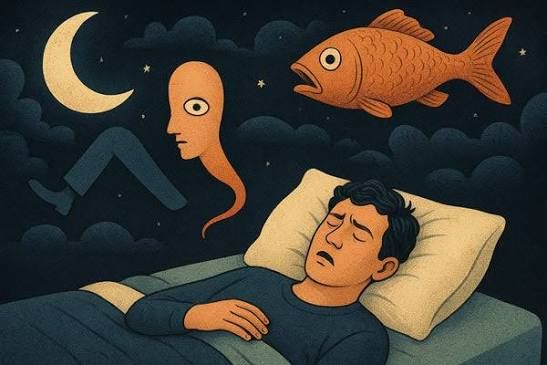
To understand the true benefits of paradoxical sleep, we have to look closely at what is happening inside your brain while you dream. During this stage, your amygdala—the region responsible for processing emotions—lights up with activity, while your prefrontal cortex, which governs logic and self-censorship, dials down. This shift creates a unique environment where your mind can process vivid, emotionally charged scenarios without the logical constraints of waking life.
Think of this process as a nightly therapy session. When you experience a stressful event during the day, your brain stores it along with the raw emotional response, such as fear, anger, or anxiety. During paradoxical sleep, your mind revisits these memories in a safe, neurochemically calm state (free from stress hormones like norepinephrine). This allows you to process the event, file away the key lessons, and strip away the painful emotional charge.
If you consistently miss out on this healing process, you may find yourself trapped in a frustrating cycle: waking up with a racing mind, struggling with midday brain fog, and feeling emotionally exhausted. Over time, this lack of restorative sleep can make you feel disconnected and dependent on quick fixes, like extra caffeine or late-night scrolling, which only disrupt your sleep further.
By tracking the different rem paradoxical sleep phases, you can begin to see exactly how your lifestyle choices affect your emotional recovery. Seeing these patterns clearly helps you make informed adjustments, transforming frustrating guesswork into a clear, empowering path to better health.
Unlocking the Paradox of Sleep: How to Track and Optimize Recovery Screen-Free

If you want to improve your sleep, the solution isn’t to add more screens to your life. In our hyper-connected world, adding another glowing monitor to your nightstand can actually make it harder to wind down, keeping your mind active when it needs to rest.
Instead, many people find success with comfortable, screen-free methods. Using a dedicated monitoring paradoxical sleep tool allows you to gather valuable health insights quietly in the background, keeping your focus on relaxation.
How Do We Measure True Rest?
Our autonomic nervous system constantly balances two states: the fight-or-flight sympathetic response and the rest-and-digest parasympathetic response. By measuring Heart Rate Variability (HRV) alongside your sleep stages, we can get a clear picture of how well your body is recovering each night.
When you track your rest quietly with tools like the Herz P1 Smart Ring, you gain a clear, daily understanding of your sleep quality. This lightweight, titanium ring tracks your sleep stages, heart rate, and movement without any bright screen distractions or annoying buzzes. It translates complex biometric data into a simple, easy-to-read Recovery Score, helping you see exactly how your body is recovering without any of the data overwhelm.
Understanding how you track paradoxical sleep gives you the insights you need to take control of your well-being. By matching your daily activities with your nightly recovery trends, you can build a sustainable, balanced lifestyle that supports your natural sleep rhythms—helping you wake up refreshed, focused, and ready for the day ahead.
Disclaimer: Results may vary depending on individual physical activity levels, unique health conditions, and daily tracking patterns. The information provided in this article is for educational purposes only and should not be used as a substitute for professional medical advice, diagnosis, or treatment.
