

Watermark Medical ARES At Home Sleep Study Review: Can It Help You Reclaim Restful Nights?
Waking up exhausted with brain fog and a racing mind can feel incredibly isolating. If your doctor recommended an at-home clinical study, the Watermark Medical ARES is a gold standard. However, once diagnostics are complete, a screen-free tool like the Herz P1 Smart Ring helps track daily baseline recovery.
Take Back Your Sleep.
Take Back Your Life.
- Fall asleep faster & sleep deeper
- Stop waking up in the middle of the night
- Wake up refreshed & full of energy
Key Takeaways:
- The Watermark Medical ARES is a clinically certified, prescription-only device used to evaluate obstructive sleep apnea at home.
- It uses advanced sensors mounted on the forehead to measure oxygen saturation, airflow, and head position.
- While highly accurate for clinical diagnosis, it is designed for short-term evaluation, not daily lifestyle and sleep habits monitoring.
- For screen-free, subscription-free daily recovery tracking, the Herz P1 Smart Ring provides a comfortable, elegant baseline tool.
What is the Watermark Medical ARES? A Deep Dive Into At-Home Sleep Diagnostics

When your doctor suspects obstructive sleep apnea, they generally suggest a diagnostic test. Historically, this meant spending a stressful night in an unfamiliar clinical sleep laboratory with dozens of electrodes glued to your scalp and chest. Today, clinical home sleep testing devices like the Watermark Medical ARES (Automated Respiratory Analysis System) have revolutionized this process. If you are experiencing chronic exhaustion or frequent 3 AM awakenings, an ares sleep test offers a highly accurate path to medical answers.
The Watermark Medical ARES is a medical-grade, forehead-mounted system that evaluates physiological markers while you sleep in your own bed. It is highly streamlined compared to full in-lab polysomnography, focusing directly on the key respiratory indicators of sleep-disordered breathing. Often referred to in clinical contexts alongside its companion model, the ares 620, this device tracks blood oxygenation, nasal airflow, pulse rate, head movement, and snoring volume to provide a complete picture of your nocturnal respiratory stability.
Watermark Medical ARES At-Home Device Evaluation
| Assessment Criteria | Rating (1-5 Stars) | Key Observations |
|---|---|---|
| Clinical Accuracy | ★★★★★ (5/5) | Cleared by the FDA; high correlation with in-lab clinical PSG results. |
| Wearing Comfort | ★★★☆☆ (3/5) | Forehead band can feel bulky; plastic cannula is noticeable but manageable. |
| Ease of Setup | ★★★★☆ (4/5) | Simple adjustment strap, though voice-prompt volume must be handled carefully. |
| Daily Tracking Value | ★☆☆☆☆ (1/5) | Strictly a short-term, diagnostic testing device; not for daily tracking. |
| Best Suited For | Individuals requiring physician-directed screening for obstructive sleep apnea (OSA). | |
Product Overview: How the Diagnostics Work
The Watermark Medical ARES is distributed directly through medical providers or specialized sleep networks. When you undergo a watermark sleep study, you receive a kit containing the headband apparatus, a nasal cannula to monitor breathing, and instructions on how to secure the device. Unlike simpler trackers, this device collects rich clinical-grade data designed for board-certified sleep physicians to interpret, making it a critical tool for medical interventions.
Key Clinical Highlights of the ARES System:
- Forehead-Mounted Photoplethysmography: Tracks your pulse rate and arterial oxygen saturation ($SpO_2$) through the prominent vasculature of the forehead, which is often more reliable than a finger clip during restless sleep.
- Acoustic Snoring Decibels: Captures snoring frequency and intensity to screen for airway obstructions.
- Actigraphy & Head Position: Detects if apnea events worsen when lying on your back (supine position) versus your side.
- Pressure Cannula Integration: Delivers precise data on respiratory flow limitations.
Real-World Experience: Wearing the Device
Sleeping with a medical device on your face can feel intimidating. Many patients report that their minds start racing the moment they secure the headband. The expectation of having your sleep measured can ironically keep you awake. The plastic nasal cannula is noticeable, and the headband must be snug to prevent the sensors from slipping. While the unit guides you with audio indicators, it is far from an unnoticeable, restful experience.
Our team noted that the diagnostic accuracy of the Watermark Medical ARES is highly reliable, but the physical reality of wearing it highlighted a major operational issue. Many people experience “first-night effect,” where their sleep is poorer simply because they are wearing bulky clinical machinery. This makes it an ideal diagnostic tool for a night or two, but entirely impractical for tracking long-term baseline improvements.
Honest Pros & Cons
To maintain full transparency, let’s explore the strengths and limitations of this clinical system:
✔ The Pros:
- Clinical-Grade Diagnostics: Provides accurate interpreting your AHI score to screen for sleep apnea under a doctor’s care.
- Convenience: Far more comfortable and less expensive than spending a night in a clinical sleep lab.
- Insurance Eligibility: Typically covered by major health insurance companies because it is a prescribed diagnostic test.
✘ The Cons:
- Physical Bulk: The forehead strap and nasal tube can disrupt your natural sleep patterns, leading to artificial sleep fragmentation.
- No Lifestyle Guidance: It does not track daily habits, sleep architecture (REM, deep, light), daily activity levels, or Heart Rate Variability (HRV) for stress profiling.
- Short-Term Use Only: It is returned to the clinic after 1 to 3 nights, leaving you without ongoing monitoring.
Who is it Best For?
The Watermark Medical ARES is essential if you suffer from severe daytime fatigue, morning headaches, loud snoring, or gasp for air at night. Your physician can utilize this device to determine if you require specialized sleep therapies. However, if you already know you do not have medical apnea and simply want to understand your daily sleep hygiene, track deep sleep recovery, or optimize your fitness, a clinical headband is not the right fit. For daily wellness and recovery insights, a lightweight, subscription-free wearable is far more practical.
This is where the Herz P1 Smart Ring stands out. While the ARES diagnostic test identifies pathology over a night or two, the Herz P1 Smart Ring offers a beautiful, titanium, screen-free method to track sleep phases, HRV, and active recovery daily. It requires no subscriptions, provides comfortable continuous tracking, and translates raw metrics into an easy-to-understand daily recovery score.
Understanding Your Sleep Architecture: How Medical Sleep Studies Differ from Daily Recovery Tracking

To truly understand your energy levels, you must distinguish between sleep pathology and daily sleep quality. Undergoing a watermark sleep study helps pinpoint physical issues such as signs of obstructive sleep apnea. An apnea episode occurs when the airway collapses, causing your blood oxygen levels to drop. Your brain recognizes the danger and triggers a brief arousal, waking you up just enough to breathe, though you may not remember it. This destroys your sleep architecture, preventing you from spending enough time in deep and REM sleep.
However, even without sleep apnea, millions of people still wake up feeling physically and mentally exhausted. Why does this happen? The culprit is often lifestyle-induced sleep fragmentation. Chronic stress, screen time before bed, late-night snacking, and fluctuating sleep schedules prevent your body from transitioning smoothly through natural sleep stages. Daily sleep architecture consists of three main phases:
- Deep Sleep: The physically restorative stage where your tissues heal, growth hormone is released, and your immune system is fortified. If you do not get enough deep sleep, you wake up feeling physically heavy and unrested.
- REM Sleep: The mentally restorative stage where your brain processes emotions, consolidates memories, and clears out metabolic waste. Lacking REM sleep leads directly to brain fog, difficulty concentrating, and mood swings.
- Light Sleep: The transitional buffer state that makes up the majority of your night, serving as a gateway between deeper cycles.
A clinical evaluation like the Watermark Medical ARES determines if a physical blockage is robbing you of these stages. But if your airway is clear and you are still struggling, you need to track daily recovery metrics. The most critical metric for tracking autonomic nervous system balance is Heart Rate Variability (HRV).
The Power of Heart Rate Variability (HRV):
HRV measures the variation in time between consecutive heartbeats. This metric is controlled by your autonomic nervous system. A higher HRV indicates that your body is in a parasympathetic (rest-and-digest) state, meaning you are well-rested and highly resilient to stress. A low HRV indicates sympathetic dominance (fight-or-flight), meaning your body is struggling to recover from daily physical or psychological stressors, even if you spent eight hours in bed.
By utilizing the ways to increase REM sleep and tracking daily biometrics, you can pinpoint exactly what is draining your energy. Lifestyle tracking enables you to see how small changes—like reading a physical book instead of scrolling on your phone—impact your deep sleep and HRV. This ongoing feedback loop is what transforms restless nights into energized mornings.
Bridge to Long-Term Wellness: Transitioning From a Diagnostic Study to Screen-Free Daily Monitoring
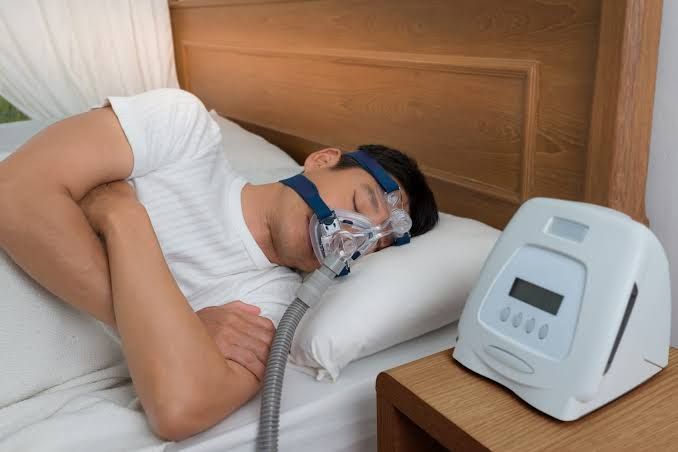
If you undergo a home sleep tests vs. in-lab polysomnography evaluation and discover you have obstructive sleep apnea, your physician will help you start therapies like CPAP or oral appliances. However, if your medical results return clear, or if you want to track how your prescribed therapies are affecting your long-term sleep health, you need a daily wellness tracking solution. For many people, typical smartwatches are not the answer. They are bulky, have bright screens that disrupt melatonin production, and require annoying daily charging cycles.
This is why we recommend moving toward screen-free, ultra-lightweight wearable alternatives. The Herz P1 Smart Ring provides a perfect, elegant solution to the common pitfalls of modern tracking technology. Crafted from medical-grade polished titanium, this featherlight ring sits comfortably on your finger, allowing you to sleep naturally without bulky straps or wrist irritation.
The Screen-Free Sleep Revolution
Smartwatch screens emit blue light and send buzzing notifications that trigger a racing mind right before sleep. The Herz P1 Smart Ring is completely screen-free, keeping you focused on winding down while its internal medical-grade biometric sensors quietly log your data in the background.
When evaluating comparing clinical and lifestyle trackers, the software experience is highly important. Many modern fitness trackers suffer from “subscription fatigue,” locking your own physiological sleep stages and cardiac recovery data behind paywalls or monthly fees. The Herz P1 Smart Ring features a 100% subscription-free model: you purchase the ring once and gain lifetime access to all advanced biometric analyses, tracking trends, and recovery scores without hidden monthly costs.
Through its integration of understanding HRV and recovery, the smart ring translates complex medical data into a single, intuitive Daily Recovery Score. This score balances your sleep stages (REM, Deep, and Light), resting heart rate, activity levels, and cardiac trends. Instead of overwhelming you with hard-to-read clinical graphs, it gives you a clear snapshot of how ready your body is to face the day.
Whether you are transitioning from a clinical Watermark Medical ARES study or seeking a more comfortable way to monitor your well-being, adopting a screen-free wearable benefits your daily routine. By simplifying complex data into actionable lifestyle adjustments, you can successfully reclaim your physical and mental energy.
Disclaimer: Results may vary depending on individual physical activity levels, unique health conditions, and daily tracking patterns. The Watermark Medical ARES is a prescription-only diagnostic medical device and must be used under clinical supervision. The Herz P1 Smart Ring is designed solely for lifestyle tracking, wellness, and fitness monitoring purposes and does not diagnose, monitor, or treat any medical conditions.
