

Why Can’t You Sleep on Sundays? How to Beat Sunday Night Insomnia Naturally
Does Sunday night bring a racing mind and hours of tossing and turning? You are likely experiencing sunday night insomnia. By monitoring key biometrics like Heart Rate Variability (HRV), we can decode this stress cycle. Discover how a comfortable, screen-free tool like the Herz P1 Smart Ring helps track sleep stages and restore natural sleep patterns.
Take Back Your Sleep.
Take Back Your Life.
- Fall asleep faster & sleep deeper
- Stop waking up in the middle of the night
- Wake up refreshed & full of energy
- The Sunday Stress Loop: Sunday night insomnia is driven by a mix of weekend circadian shifts and anticipatory anxiety about the upcoming workweek.
- The “Sleep-In” Trap: Trying to sleep in Sunday morning delays your biological sleep clock, making it harder to fall asleep on Sunday night.
- Biometric Indicators: Heart Rate Variability (HRV) and Resting Heart Rate (RHR) serve as measurable indicators of your body’s readiness for sleep.
- Screen-Free Solutions: Replacing bulky, bright smartwatches with lightweight, screen-free wearables allows you to track recovery without bedtime blue light or notification stress.
Understanding Sunday Night Insomnia: The Science Behind the Sunday Scaries
The Quick Answer
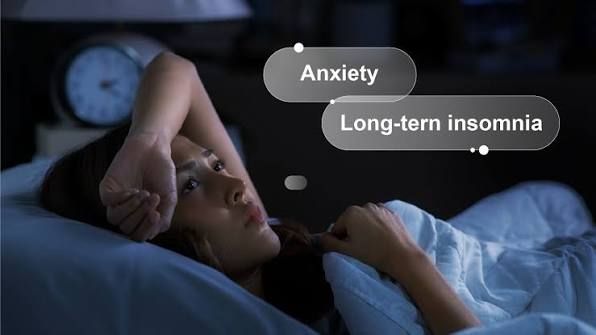
Yes, sunday night insomnia is a widely documented wellness challenge. The short answer is that it is primarily caused by two factors: weekend sleep schedule shifts (social jetlag) and the psychological impact of anticipatory anxiety about the upcoming week. To address this pattern effectively, you need to understand how stress affects your nervous system and use objective biometric tracking to optimize your recovery cycle.
The Scientific Underpinnings of Sunday Night Insomnia
For many professionals, Sunday evening brings an unwelcome guest: a racing mind, shallow breathing, and a persistent feeling of physical restlessness. You might lie in bed watching the clock tick past midnight, feeling increasingly frustrated because you know you have a busy week ahead. This cycle often results in non-restorative sleep, leaving you with brain fog and fatigue on Monday morning. This isn’t a personal failing; it is a physiological response to stress and schedule shifts.
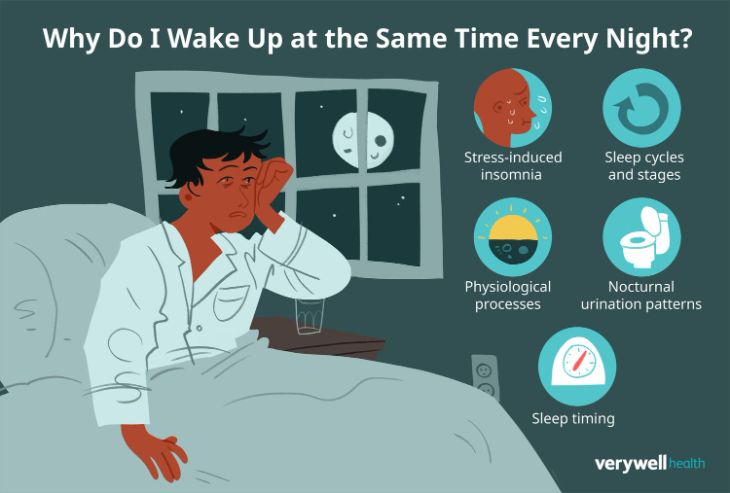
When you anticipate a high-stress environment—like an upcoming workweek—your sympathetic nervous system (the “fight-or-flight” system) remains active. This activation elevates cortisol levels, increases your resting heart rate, and lowers your Heart Rate Variability (HRV). For those who struggle with sleep consistency, it often seems like every sunday night he can’t sleep, a pattern that points to a chronic misalignment between work schedules and internal biology.
Compounding this mental stress is the physical shift in your sleep habits. Staying up late on Friday and Saturday, followed by a long sleep in sunday morning, delays your circadian rhythm. When you try to sleep at a normal hour on Sunday night, your homeostatic sleep drive is too low, making sleep onset difficult.
Your autonomic nervous system relies on balance. When you experience the psychological dread of the upcoming week—often called the Sunday Scaries—your parasympathetic nervous system (the “rest-and-digest” branch) struggle to take over. This prevents your body from lowering its core temperature and resting heart rate, both of which are necessary for deep, restorative sleep stages.
Who Should Use Biometric Tracking?
Biometric tracking is highly beneficial for professionals, athletes, and anyone experiencing chronic stress or morning fatigue. By tracking trends in sleep stages and HRV, you can identify how weekend behaviors impact Monday recovery. However, basic tracking may not be suitable for individuals with clinical sleep disorders requiring medical intervention, or those who find that reviewing digital health data increases their bedtime anxiety.
Suggested Solutions to Reclaim Sunday Night
To break the cycle of sunday night insomnia, you can implement consistent wake-up times, establish a screen-free wind-down routine, and use comfortable biometric tracking. Traditional smartwatches can be bulky, require frequent charging, and feature bright screens that disrupt sleep. A screen-free, subscription-free alternative like the **Herz P1 Smart Ring** offers a comfortable, seamless way to track sleep stages, HRV, and your Daily Recovery Score without bedtime digital distractions.
– Team Mind Body Dan
Frequently Asked Questions
Q: Why does my heart rate feel higher on Sunday night?
A: Anticipatory anxiety releases adrenaline and cortisol, keeping your sympathetic nervous system active and your heart rate elevated, which makes it harder to fall asleep.
Q: Will sleeping in on Sunday cause Sunday night insomnia?
A: Yes. Sleeping in late on Sunday shifts your circadian clock and reduces sleep pressure, making it difficult to fall asleep at your regular bedtime.
Q: How can I track my sleep without a bright screen next to my bed?
A: A screen-free wearable, such as a smart ring, allows you to collect precise biometric data throughout the night without the light pollution or notifications of a standard watch.
Reclaiming Your Circadian Rhythm: Why Trying to Sleep in Sunday Backfires
The Physiology of Social Jetlag
To understand why you struggle on Sunday nights, we must look at how sleep schedules shift over the weekend. This shift is known in sleep science as social jetlag. When you maintain a strict schedule during the workweek but stay up late and sleep in on weekends, you essentially shift your body’s clock through two time zones twice a week.
When someone says that every sunday night he can’t sleep, the underlying issue is often a lack of sufficient sleep drive. Sleep drive, or sleep pressure, is driven by the accumulation of adenosine in the brain. The longer you are awake, the more adenosine builds up, making you feel tired. If you sleep in late on Sunday, you shorten your wake window before bed, resulting in lower adenosine levels. This lack of sleep pressure, combined with elevated cortisol, causes circadian rhythm disruption and leaves you tossing and turning for hours.
This disruption directly impacts your recovery markers. When sleep onset is delayed, your body has less time to spend in restorative sleep stages. Specifically, Deep Sleep (which physically restores the body) and REM Sleep (which supports mental recovery and emotional processing) are shortened. You wake up on Monday morning feeling unrested, which starts another cycle of stress and poor sleep.
- Late Sleep-Ins: Shuts down adenosine accumulation, making it difficult to fall asleep on Sunday night.
- Weekend Alcohol Consumption: Disrupts REM sleep stages and lowers your overall sleep quality.
- Sunday Afternoon Naps: Relieves sleep pressure prematurely, which can worsen sunday night insomnia.
The solution is sleep consistency. Keeping your wake-up times within a 60-to-90-minute window across the entire week helps stabilize your circadian clock. This ensures that you build enough sleep pressure during the day to fall asleep easily on Sunday evening, bypassing the stress loop entirely.
How to Defeat the Sunday Scaries: Screen-Free Biometric Tracking for Real Recovery
Tracking Recovery Without Cognitive Overload
Modern technology can be a double-edged sword when it comes to sleep hygiene. While understanding your biometric trends is crucial for overcoming sleep anxiety, tracking these metrics on a bright smartwatch can actually worsen your sleep issues. Smartwatch screens emit blue light, which suppresses melatonin production, and incoming notifications can keep your mind active in the evening.
To resolve this, we recommend a screen-free tracking method. This approach allows you to capture precise biometric data without the light pollution or distractions of a traditional smartwatch screen. The **Herz P1 Smart Ring** is designed specifically to address this issue. Made from lightweight titanium, it sits comfortably on your finger, allowing you to focus on relaxation while it silently monitors your sleep.
By using a screen-free device, you can track key sleep metrics without adding to your evening stress. The ring monitors your biometrics and provides data on several key indicators of sleep quality:
Key Metrics for Sleep Optimization
To manage sunday night insomnia effectively, it helps to understand what is happening inside your body as you sleep. The Herz P1 Smart Ring translates complex physiological data into clear, actionable trends:
- Sleep Stages (REM, Deep, Light): Monitors the time you spend in each sleep phase. Deep sleep supports physical recovery, while REM sleep is crucial for cognitive processing and emotional balance.
- Heart Rate Variability (HRV): Measures the variations in time between consecutive heartbeats. A higher HRV indicates that your parasympathetic nervous system is active and your body is resting. A low HRV, especially on Sunday night, suggests your body is still in a stress response.
- Daily Recovery Score: Combines your sleep duration, HRV, and resting heart rate trends into a single score. This lets you see exactly how well your body recovered overnight, without requiring you to interpret complex graphs.
Support Your Recovery with Screen-Free Tracking
If you are tired of waking up tired, switching to a screen-free tracking method can help you identify recovery trends without the distraction of notifications or bedtime blue light.
Implementing consistent sleep habits—such as maintaining a regular wake-up time, avoiding late Sunday sleeping, and tracking your biometrics screen-free—can help you break the cycle of sunday night insomnia. This approach supports your nervous system, allowing you to wake up refreshed and ready for the week ahead.
By monitoring these biometric trends over time, you can make informed adjustments to your evening routine. If your HRV is low on Sunday night, you might choose to add a relaxing activity, like reading or a warm bath, to help support your parasympathetic nervous system and improve sleep quality. This screen-free tracking approach helps you identify what works best for your body, allowing you to reclaim restful nights and wake up feeling refreshed.
- Lightweight Comfort: The titanium ring is thin and light, making it much more comfortable to sleep in than a bulky smartwatch.
- No Bedtime Screens: Lets you focus on winding down without screen distractions, which is crucial for sleep tracking without screens.
- Subscription-Free Design: Provides full access to your biometric trends and sleep scores with no hidden monthly fees.
- Extended Battery Life: Minimizes charging hassle, allowing you to collect consistent data night after night.
If you are ready to break the cycle of sunday night insomnia, consistent sleep habits and comfortable tracking can help you take back control. Monitoring your Heart Rate Variability (HRV) tracking trends provides the feedback you need to support your parasympathetic nervous system, helping you transition from weekend relaxation to weekday productivity with ease.
Disclaimer: Results may vary depending on individual physical activity levels, unique health conditions, and daily tracking patterns. The Herz P1 Smart Ring is a wellness device designed to track daily physical activity and recovery metrics; it is not a medical device and is not intended to diagnose, treat, or cure any sleep disorder or medical condition. Always consult a healthcare professional before starting any new health or wellness routine.
