

Are You Struggling with Pregnancy Sleep Problems? Here is the Biometric Guide to Reclaiming Your Rest
Are you struggling with pregnancy sleep problems that leave you exhausted by 3 AM? Changes in Heart Rate Variability (HRV) and sleep stages explain this deep fatigue. We recommend tracking these biometric trends with a screen-free, subscription-free tool like the Herz P1 Smart Ring to gently reclaim your rest.
Take Back Your Sleep.
Take Back Your Life.
- Fall asleep faster & sleep deeper
- Stop waking up in the middle of the night
- Wake up refreshed & full of energy
Key Article Takeaways:
- The Biometric Reality: Hormonal shifts, increased cardiovascular strain, and physical changes heavily alter your sleep architecture during pregnancy.
- Why Traditional Trackers Fail: Bulky smartwatches with distracting glowing screens and constant vibrations often worsen sleep anxiety.
- Understanding Sleep Stages: Monitoring REM, Deep, and Light sleep stages helps you recognize why you feel exhausted even after “eight hours” of sleep.
- Subscription-Free Solution: Modern smart rings offer an elegant, screen-free, and comfortable way to observe your biological recovery trends.
What Causes Pregnancy Sleep Problems, and How Can You Monitor Them Naturally?

Quick Answer: Yes, experiencing sleep disruptions during maternity is incredibly common, but you do not have to just “tough it out.” The short answer is that shifting hormones, cardiovascular demands, and physical discomfort alter your biometric baselines. However, to choose the right tracking or relief methods, you need to understand how these physiological shifts impact your daily recovery metrics.
For many expectant mothers, nightfall transitions from a time of rest into a frustrating battleground. You might find yourself staring at the ceiling at 3 AM with a racing mind, completely exhausted yet unable to drift back to sleep. This non-restorative sleep is not just in your head; it is deeply rooted in your changing biology. When you are pregnant, your body undergoes a profound cardiovascular and hormonal transformation. Your blood volume increases by up to 50%, forcing your heart to work significantly harder. This constant exertion can be observed through key metrics like Heart Rate Variability (HRV), which typically drops during pregnancy as your sympathetic nervous system takes the driver’s seat to support your growing baby.
Furthermore, surging progesterone levels during the first trimester can cause intense daytime sleepiness while simultaneously disrupting your nighttime sleep architecture. As you progress into the second and third trimesters, physical symptoms like nasal congestion, back pain, acid reflux, and the frequent urge to urinate introduce chronic physical barriers to deep sleep. The result? A noticeable decline in your deep and REM sleep stages, leaving you facing persistent brain fog and daytime fatigue. Knowing how these sleep stages shift over time allows you to adjust your daytime activities to protect your nighttime rest.
When to Monitor Your Sleep Metrics (and When to Step Back)
Monitoring your resting biometrics can be an empowering way to navigate pregnancy sleep problems. By observing your body’s subtle patterns, you can make data-informed adjustments to your daily routine. Here is a helpful guide to help you decide when tracking is beneficial:
| When Tracking Is Highly Beneficial | When to Put the Tracker Aside |
|---|---|
| You want to identify which evening routines (like reading or warm baths) improve your deep sleep. | Looking at your sleep data in the morning makes you feel anxious or overly stressed about a bad night’s rest. |
| You want to observe long-term trends in your resting heart rate and cardiovascular recovery. | You are looking for a medical device to diagnose clinical sleep disorders like sleep apnea. |
| You are trying to balance your daily physical activity with your actual physiological recovery. | The physical sensation of wearing a bulky, vibrating tracker on your wrist keeps you awake at night. |
If your pregnancy sleep problems are driven by daytime stress or physical discomfort, observing these trends helps you make smart modifications. For example, if you notice your Heart Rate Variability (HRV) drops significantly on days when you skip your afternoon walk, you can prioritize gentle movement to support your nervous system’s recovery.
Suggested Non-Invasive Solutions for Expectant Mothers
Addressing maternity-related sleep challenges requires a holistic, comfortable approach. We recommend focusing on high-quality sleep hygiene practices first. Elevate your head slightly to minimize acid reflux, sleep on your left side with a supportive pregnancy pillow to optimize blood flow, and establish a consistent wind-down routine free of stimulating screens.
To track the effectiveness of these adjustments without adding screen time to your bedroom, consider transitioning to a screen-free biometric tool like the Herz P1 Smart Ring. Unlike traditional smartwatches that constantly glow with notifications and require frequent charging, this lightweight titanium smart ring sits comfortably on your finger and quietly tracks your sleep stages, resting heart rate, and HRV trends. It translates complex metrics into a simple, easy-to-understand morning Recovery Score, allowing you to monitor your health patterns without any subscription fatigue or added blue light exposure.
“During my third trimester, I found myself increasingly sensitive to light and noise. Swapping my bulky smartwatch for a screen-free smart ring was an absolute game-changer. I could monitor my recovery trends without a bright screen waking me up at 2 AM.”
— Sarah M., Mind Body Dan Reader & Mother of Two
Frequently Asked Questions About Pregnancy Sleep Problems
Q: Why do pregnancy sleep problems peak during the first and third trimesters?
A: The first trimester is characterized by a massive surge in progesterone, which causes sleep fragmentation and daytime fatigue. In the third trimester, physical discomfort, frequent urination, and the physical size of the baby make finding a comfortable sleeping position much harder, leading to frequent night awakenings.
Q: Can monitoring my biometrics help me manage trouble sleeping pregnancy symptoms?
A: Yes. Tracking resting metrics like HRV and resting heart rate gives you an objective picture of your physical strain. It helps you recognize when your body needs extra rest, allowing you to prioritize recovery before severe exhaustion sets in.
Q: How does a smart ring track my sleep stages compared to a smartwatch?
A: Modern smart rings utilize highly accurate optical sensors on the underside of your finger, where blood vessels are closer to the surface. This placement provides a clear, consistent signal for tracking light, deep, and REM sleep phases without the bulk and glowing screen of a traditional wrist-worn tracker.
Decoding Sleep Disorders During Pregnancy: Symptoms You Shouldn’t Ignore
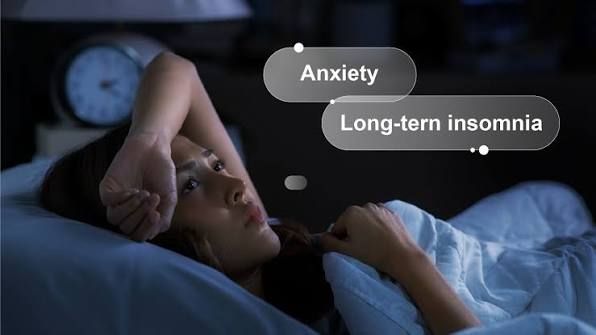
While occasional restlessness is a normal part of the journey, persistent sleep disorders during pregnancy deserve closer attention. Understanding the distinction between typical discomfort and clinical trends can help you work more effectively with your healthcare provider. Many women experience symptoms that warrant gentle investigation, especially when these disturbances begin to erode their daytime function and overall well-being.
One of the most frequent challenges is Restless Legs Syndrome (RLS), a condition characterized by an irresistible urge to move your legs, often accompanied by a crawling sensation. This typically peaks in the evening and can severely delay sleep onset. Another common concern is Obstructive Sleep Apnea (OSA), which can develop or worsen due to upper airway congestion and physical weight changes during pregnancy. If you notice loud snoring, gasping for air, or waking up with an unusually dry mouth, these are symptoms to discuss with your doctor.
To help you understand how these conditions manifest, let’s explore their direct connection to your body’s vital metrics:
How Sleep Disorders Alter Your Biometric Trends:
- Restless Legs Syndrome (RLS): Frequently interrupts your transition into light sleep, causing multiple micro-arousals that lower your overall Daily Recovery Score.
- Sleep-Disordered Breathing: Leads to sudden drops in blood oxygen levels and brief spikes in heart rate, which significantly lower your nocturnal HRV.
- Chronic Pregnancy Insomnia: Severely shortens your deep and REM sleep stages, preventing your brain from executing critical emotional and physical restoration.
Monitoring these physiological responses allows you to look past subjective feelings of fatigue and see the objective reality of your restless leg syndrome or sleep challenges. Instead of guessing why you feel poorly, you can observe how specific symptoms directly impact your overnight recovery cycles. This data serves as an excellent foundation for informed conversations with your care team.
The relationship between pregnancy and sleep is highly bi-directional. Poor sleep quality increases daytime stress, while elevated stress further disrupts your overnight recovery. Breaking this cycle requires a combination of soothing behavioral habits and comfortable, passive tracking tools. By keeping a close eye on your resting metrics, you can easily identify positive trends—such as how a calming evening meditation session improves your HRV or helps you transition into deep sleep more smoothly.
Reclaiming Your Rest: Elegant, Screen-Free Solutions for Pregnancy and Sleep
When you are navigating trouble sleeping pregnancy challenges, the last thing you need is a high-tech gadget that adds stress to your night. Many expectant mothers find that traditional wrist-worn smartwatches are too bulky to wear comfortably, especially when hormonal swelling makes bands feel restrictive. Furthermore, receiving constant vibrating notifications and glowing screen alerts at 2 AM can worsen the very sleep anxiety you are trying to resolve.
This is where the screen-free revolution comes in. By utilizing an elegant, comfortable device like the Herz P1 Smart Ring, you can gather high-quality biometric data without the screens or distractions. It is crafted from aerospace-grade titanium, making it incredibly lightweight and comfortable to wear all night long. Because your fingers can naturally swell during pregnancy, we recommend using a simple sizing kit to choose a size that fits comfortably on multiple fingers, allowing you to easily swap it as your body changes.
Another major advantage of the Herz P1 is its subscription-free model. Many modern health trackers require a monthly fee to access your own biometric data. The Herz P1 allows you to buy the device once and own your data forever, avoiding subscription fatigue and hidden costs. This reflects our philosophy at Mind Body Dan: health tracking should be accessible, simple, and entirely stress-free.
Embrace an Elegant, Screen-Free Approach to Your Health
Reclaim your sleep hygiene with a lightweight titanium smart ring designed to track your resting heart rate, HRV, and sleep stages silently. No screens, no glowing lights, and absolutely no monthly subscriptions.
To further support your journey toward deep, restorative rest, consider combining your biometric tracking with natural, evidence-based lifestyle adjustments. Many expectant mothers find relief by incorporating gentle stretching, mindfulness techniques, and targeted nutritional support under their doctor’s guidance. For instance, incorporating magnesium supplementation can help calm your nervous system and ease muscle tension before bed. This gentle approach works in harmony with screen-free tracking methods, allowing you to observe positive changes in your sleep patterns over time.
By focusing on sleep hygiene, physical comfort, and gentle wellness practices, you can successfully navigate pregnancy sleep problems and reclaim your physical and mental energy. Remember, your body is working incredibly hard to grow a new life. Be patient with yourself, trust your biological trends, and look for gentle, elegant ways to support your recovery every single day.
Disclaimer: Results may vary depending on individual physical activity levels, unique health conditions, and daily tracking patterns. The content provided in this article is for informational and educational purposes only and is not intended to serve as medical advice. Always consult with a qualified healthcare professional or your OB-GYN before beginning any new sleep tracking method, lifestyle changes, or nutritional supplements during pregnancy.
