

5 Best Mattresses for Back Pain and Complete Spinal Recovery
Waking up at 3 AM with a racing mind and a stiff lower spine is a clear sign that you need the best mattress for back pain. But finding structural spinal relief is only half the battle; to truly reclaim your energy, you must combine physical comfort with screen-free biometric tracking to monitor your deep sleep stages and physical recovery trends.
Take Back Your Sleep.
Take Back Your Life.
- Fall asleep faster & sleep deeper
- Stop waking up in the middle of the night
- Wake up refreshed & full of energy
Article Quick Navigation & Key Highlights
- Spinal Alignment & Comfort: Discover how zoned lumbar support relieves muscular tension and promotes nocturnal disc rehydration.
- The Recovery Connection: Why physical support must be paired with biological tracking to verify actual deep sleep improvements.
- Screen-Free Peace of Mind: How transitioning away from bulky, notification-heavy smartwatches can lower physical stress and quiet a racing mind.
- Data-Informed Action: How monitoring your daily Heart Rate Variability (HRV) and Sleep Stages guides smart wellness adjustments.
How Your Sleep Surface Impacts Spinal Alignment and Recovery

Every night, as you lie down, your spine embarks on a vital maintenance mission. After a long day of fighting gravity, your intervertebral discs—the gelatinous cushions separating your vertebrae—need to rehydrate and decompress. However, if your bed does not support the natural “S” curve of your spine, these discs remain under pressure, and your surrounding back muscles must contract continuously to prevent further misalignment. This muscular strain is what causes that painful stiffness when you attempt to sit up in the morning.
When searching for the best mattress for back pain, you must understand the dynamic interaction between bad backs and mattresses. Historically, people believed that an ultra-firm, board-like surface was the only answer. Today, orthopedic science shows that a medium-firm tension is actually ideal. It provides the perfect balance: enough surface resistance to keep your hips from sinking too deeply, combined with enough gentle contouring to cushion your shoulders and lumbar region. Understanding why choosing a top rated mattress for back pain requires looking at both material density and zoned construction is key to finding a supportive bed for bad back discomfort.
Our Evaluation Methodology
To help you make an informed decision, our team focused on structural integrity and pressure relief when evaluating the best mattress for back pain options. We assessed mattresses based on three core parameters:
- Zoned Lumbar Support: The mattress must feature reinforced middle zones to prevent the heavier pelvis area from sagging.
- Point Elasticity: The ability of a mattress to compress under specific pressure points (like the hips and shoulders) without affecting surrounding areas.
- Thermoregulation: High-density foams can trap body heat, which elevates your heart rate and prevents deep, restorative sleep.
Quick Comparison: Support Systems & Biometric Tools
| Product & Category | Key Structural Feature | Best For | Primary Recovery Metric |
|---|---|---|---|
| Helix Midnight Luxe (Hybrid) | Zoned pocket coils & copper gel memory foam | Side sleepers with lower back pain | Spinal decompression & heat dissipation |
| Tempur-Pedic ProAdapt (Memory Foam) | NASA-engineered high-density Tempur Material | Back sleepers needing deep pressure relief | Decreased tossing and turning |
| Avocado Green Mattress (Latex) | 100% GOLS Organic Dunlop Latex & wool batting | Stomach sleepers & eco-conscious buyers | Responsive lumbar push-back support |
| Nectar Premier (Budget All-Foam) | Gel-infused memory foam with transition layer | Budget-conscious back and side sleepers | Affordable muscular pressure relief |
| Herz P1 Smart Ring (Biometric Tracker) | Ultra-light titanium ring with medical-grade sensors | Screen-free sleep stage & HRV tracking | Daily Recovery Score & autonomic trends |
Detailed Sleep & Support Solutions
Below, we look closely at four top mattress options designed to ease back discomfort, alongside the ultimate biometric tracking companion to measure your physical recovery.
1. Helix Midnight Luxe: The Premium Lumbar-Targeted Hybrid
The Helix Midnight Luxe is widely celebrated as the best mattress for back pain among side sleepers. Side sleepers often suffer from hip and shoulder pressure, which can twist the lower spine out of alignment. The Helix Midnight Luxe solves this issue with thousands of individually wrapped pocket coils that are firmer in the middle third of the mattress (to support the hips) and softer near the shoulders.
Strengths: Outstanding targeted lumbar support, excellent motion isolation for couples, and a breathable Tencel pillow-top cover that helps prevent overheating.
Weaknesses: It may feel slightly too soft for stomach sleepers who require a very firm surface to prevent hip sagging.
Ideal For: Side sleepers and combination sleepers seeking a balanced, cloud-like feel with robust under-surface support.
2. Tempur-Pedic ProAdapt Medium: The Orthopedic Pressure-Relieving Foam
The Tempur-Pedic ProAdapt is often considered the best mattress for back pain for those who require deep orthopedic pressure relief. Utilizing NASA-developed open-cell technology, this all-foam mattress reacts to your body temperature, weight, and shape, contouring to every curve and filling the gap between your lower back and the bed surface.
Strengths: Exceptional vibration reduction (zero motion transfer) and unparalleled pressure relief that minimizes micro-arousals from physical discomfort.
Weaknesses: That classic “deep sink” feeling can make it more difficult to change positions during the night, and it carries a premium price tag.
Ideal For: Back sleepers who prefer a slow-responding memory foam feel that hugs the body’s natural shape.
3. Avocado Green: The Eco-Friendly Responsive Latex
For eco-conscious individuals, the Avocado Green is the best mattress for back pain, utilizing natural Dunlop latex instead of synthetic memory foams. Unlike memory foam, latex is naturally buoyant and bouncy, pushing back against your body weight. This constant upward resistance ensures your hips do not sink, making it easier to keep your spine straight.
Strengths: Highly breathable, naturally hypoallergenic, and incredibly durable with an long-lasting lifespan. Offers a clean, non-toxic sleeping environment.
Weaknesses: The buoyant, responsive feel means it does not offer the “contouring hug” some back pain sufferers prefer.
Ideal For: Stomach sleepers, back sleepers, and hot sleepers who prefer an eco-friendly mattress with a responsive feel.
4. Nectar Premier: The Balanced Value Memory Foam
The Nectar Premier offers a budget-friendly option that ranks highly as the best mattress for back pain in the all-foam category. It features a gel-infused memory foam layer designed to draw heat away from your body, supported by a dense, sturdy foam core that prevents too much sinkage.
Strengths: Highly affordable, comes with an industry-leading 365-night trial, and provides good pressure relief for light to average-weight sleepers.
Weaknesses: Lacks the advanced, zoned support coils found in hybrid models, making it less supportive for heavier sleepers.
Ideal For: Budget-conscious shoppers looking for reliable memory foam pressure relief without the luxury price tag.
5. Herz P1 Smart Ring: Our Ultimate Biometric & Sleep-Recovery Companion
We discovered that the best mattress for back pain must always be paired with accurate biometric monitoring to verify physical recovery. While mattresses provide physical comfort, the screen-free Herz P1 Smart Ring works behind the scenes to track how well your body is actually recovering. It is crucial for anyone researching bad backs and mattresses to understand pressure mapping, but monitoring your biological indicators is what confirms true physical rest.
Crafted from medical-grade titanium, this ultra-lightweight, screen-free wearable tracks your exact Sleep Stages (REM, Deep, Light) and your Heart Rate Variability (HRV) throughout the night. It translates these complex biometric algorithms into a simple, easy-to-read Daily Recovery Score. This allows you to see if your new sleep surface is lowering your physical stress levels and improving your deep sleep—all without the bulk, glowing notifications, or daily charging hassle of traditional smartwatches.
Strengths: Fully subscription-free model (buy once, own forever with no hidden monthly fees), comfortable design that won’t disrupt your sleep, and an intuitive app that translates raw data into simple daily recovery insights.
Weaknesses: Does not feature an active GPS for outdoor running tracking (designed primarily for daily health, sleep, and recovery monitoring).
Ideal For: Anyone wanting to track sleep stages, HRV, and daily recovery trends without bulky smartwatches or screen distractions before bed.
Smart Buying Guide
When selecting the best mattress for back pain, keep these guidelines in mind:
- Match Your Sleep Posture: Side sleepers need soft-to-medium contouring to protect their shoulders and hips. Back and stomach sleepers need medium-firm to firm support to keep their hips from sinking, which strains the lumbar spine.
- Test for at least 30 Nights: Your body needs time to adapt to a new sleep surface. It is normal to feel some mild discomfort during the first two weeks as your spine adjusts to a healthier alignment.
- Verify Your Sleep Data: Don’t rely on guesswork alone. Monitoring your Sleep Stages and HRV trends with a dedicated tracker can show you if your new mattress is actually improving your deep sleep.
Final Recommendations
To summarize, investing in a top rated mattress for back pain can significantly improve your spinal alignment, but true physical recovery requires a complete approach. Here are our top recommendations:
- The Best Overall Hybrid: Choose the Helix Midnight Luxe for excellent zoned support and contouring comfort.
- The Best Pure Pressure Relief: Choose the Tempur-Pedic ProAdapt if you want that classic, weightless feel.
- The Ultimate Recovery Optimization Bundle: Pair your new sleep surface with the Herz P1 Smart Ring. By tracking your daily Recovery Score and HRV trends, you can confirm whether your choice of mattress is successfully supporting your spine and lowering your physical stress.
The Science of Sleep Architecture, HRV, and Chronic Back Discomfort
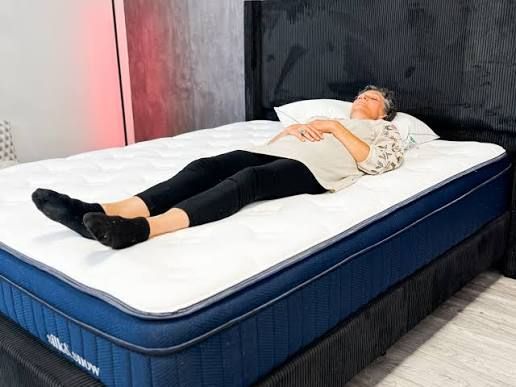
The relationships between bad backs and mattresses extend far beyond basic physical comfort. Chronic back pain can trigger a highly disruptive cycle. When your back is sore, your brain struggles to transition into deep, slow-wave sleep. Instead, you experience brief micro-arousals—tiny awakenings that you may not even remember, but which fragment your sleep architecture. This fragmentation deprives you of essential deep sleep, which is the exact phase when your body releases tissue-repairing growth hormone to rebuild fatigued muscles and support spinal discs.
This is where monitoring your Heart Rate Variability (HRV) becomes so valuable. HRV represents the variation in time between consecutive heartbeats, measured in milliseconds. When your body is under physical or mental stress—such as dealing with chronic back pain or sleeping on a poor surface—your autonomic nervous system shifts into a sympathetic “fight-or-flight” state. This causes your HRV to drop, indicating that your body is struggling to recover. Conversely, when your spine is properly aligned and comfortable, your system shifts into a parasympathetic “rest-and-digest” state, causing your HRV to rise.
How Physical Support Directly Impacts Your Biometrics
Even the best mattress for back pain can only do so much if your nervous system remains in a high-stress state. By monitoring your HRV and Deep Sleep trends, you can see if your body is truly entering a state of recovery. If your mattress is doing its job, you should see a gradual increase in your deep sleep duration and a healthier, higher nocturnal HRV over a 30-day period. This is the ultimate goal of a bed for bad back optimization plan: linking physical spinal comfort with internal biometric recovery.
“At Mind Body Dan, we believe that true wellness requires looking at the whole picture. Buying a highly supportive mattress is a great first step, but without objective biometric data, you are simply guessing. Tracking metrics like HRV and Sleep Stages is what shows you if your body is truly resting and recovering.”
— Team Mind Body Dan Wellness Researchers
A common mistake when shopping for the best mattress for back pain is ignoring your body’s actual recovery data. You might test a mattress in a store for five minutes and think it feels great, only to find that you wake up with the same stiffness and low energy weeks later. By tracking your daily Recovery Score, you can see exactly how your nervous system is responding to your sleeping environment over time. This data-informed approach takes the guesswork out of sleep wellness, helping you see which habits and setups actually lead to deeper, more restorative rest.
Reclaiming Your Rest Through Screen-Free Recovery Insights
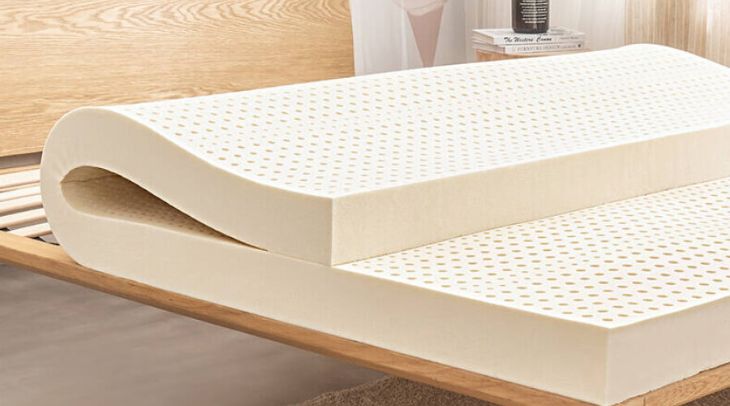
For many busy professionals and health-conscious individuals, the challenge of getting a good night’s sleep is as much mental as it is physical. As you lie in bed trying to relax, a racing mind and thoughts of tomorrow’s to-do list can keep your body in a tense, high-stress state. When you introduce a screen-based smartwatch into this environment—with its constant buzzes, glowing notifications, and the temptation to check emails at 3 AM—you only add to that mental strain. This is why a screen-free approach to sleep hygiene is so valuable.
Replacing bulky, distracting smartwatches with a screen-free titanium ring like the Herz P1 Smart Ring can transform your wind-down routine. It allows you to monitor your health without the distraction of a screen on your wrist. Because it has no glowing screen, it encourages you to disconnect from digital devices before bed, helping your brain wind down and slip into deeper sleep stages naturally.
Upgrade Your Recovery Routine
Ready to pair your mattress with advanced, screen-free biometric tracking? Discover how the Herz P1 Smart Ring tracks your Sleep Stages, HRV, and daily Recovery Score—completely subscription-free.
Furthermore, standard smartwatches often require daily charging, meaning they are frequently plugged in beside your bed rather than tracking your sleep. With its long battery life and lightweight titanium construction, the Herz P1 Smart Ring can be worn comfortably for days at a time. It works quietly in the background, gathering high-quality biometric data while you sleep, and then translates those complex algorithms into a single, simple Daily Recovery Score in the morning.
Ultimately, finding the best mattress for back pain is a crucial first step toward structural recovery. However, to truly support your back, muscles, and nervous system, you must look at how your body is resting as a whole. By combining a supportive, medium-firm sleep surface with comfortable, screen-free biometric tracking, you gain the insights you need to take control of your recovery. You can track your trends, see what works, and enjoy the deeper, more restorative sleep your body needs to feel its best.
Disclaimer: Results may vary depending on individual physical activity levels, unique health conditions, and daily tracking patterns. The content on Mind Body Dan is for informational purposes only and is not intended as medical advice. Always consult with a qualified healthcare professional before starting any new sleep or recovery routine.
