

How to Prepare for a Sleep Study Step by Step
Exhausted by 3 AM awakenings and persistent brain fog? If your physician has recommended an overnight clinical evaluation, knowing how to prepare for a sleep study is essential. Our team at Mind Body Dan has built this comprehensive guide to ease your anxiety and ensure highly accurate baseline results.
Take Back Your Sleep.
Take Back Your Life.
- Fall asleep faster & sleep deeper
- Stop waking up in the middle of the night
- Wake up refreshed & full of energy
What You Will Learn In This Guide:
- The Pre-Study Protocols: How to set up your body and mind for accurate clinical metrics.
- Overnight Expectations: Decoupling the mystery of polysomnography wires and clinical environments.
- Transitioning to Long-Term Care: Moving from one-night diagnostics to everyday screen-free tracking.
- Expert Common Pitfalls: Critical, easily avoidable errors that disrupt clinical sleep patterns.
How to Prepare for a Sleep Study Step by Step: The Ultimate Roadmap

When you are first told you need a clinical evaluation, the thought of sleeping in an unfamiliar laboratory setting with dozens of electrodes glued to your body can trigger a rush of anxiety. Your racing mind might start questioning whether you can sleep at all under such sterile, observed conditions. However, learning how to prepare for a sleep study properly is the single most effective way to eliminate this worry and secure reliable data.
To understand how to prepare for a sleep study, you must understand that the clinical team is looking for a realistic representation of your typical sleep architecture. They are tracking biological trends to evaluate conditions like obstructive sleep apnea, periodic limb movement disorder, and parasomnias. If you drastically modify your behaviors on the days leading up to the test, you risk skewing the physiological baseline.
Prerequisites: What You Must Know Before Your Test
When exploring how to prepare for a sleep study, the first concept to grasp is sleep hygiene synchronization. In the seven days leading up to your clinical appointment, consistency is your priority. Your body runs on a strict internal circadian oscillator. Drastic shifts in your bedtime can temporarily depress your heart rate variability (HRV) and alter the ratio of REM to deep sleep.
Furthermore, knowing how to prepare for a sleep study helps ensure that your brainwaves are captured clearly. Electroencephalogram (EEG) electrodes are placed directly onto your scalp with a conductive paste. If your hair is coated in leave-in conditioners, oils, or heavy styling gels, the signal quality degrades, leading to fragmented metrics or requiring the technician to awaken you in the night to adjust the sensors.
Step-by-Step Execution Guide
Step 1 of how to prepare for a sleep study involves keeping your normal schedule. When you are preparing for a sleep study, consistency is key. Sleep and wake at your usual hours. Do not attempt to “sleep-deprive” yourself the night before in hopes of falling asleep faster at the clinic. This practice alters your sleep architecture, artificially inflating your deep sleep stage while suppressing REM sleep, which yields inaccurate clinical findings.
Step 2: Coordinate your medication protocol. During the days leading up, how to prepare for a sleep study means coordinating directly with your healthcare provider regarding prescriptions. Certain substances, particularly beta-blockers, antidepressants, and sleep aids, have profound effects on sleep cycles. Never stop taking any prescribed medication abruptly without your doctor’s explicit direction, but do ensure the clinic has an exhaustive list of everything you consume.
Step 3: Keep your skin and hair completely natural. On the morning of the test, how to prepare for a sleep study focuses on personal hygiene. Shower and wash your hair thoroughly using a basic shampoo. Avoid all conditioners, hair sprays, skin lotions, creams, and oils. These products form a barrier that interferes with the adhesive quality of the electrodes, which can lead to disconnected sensors during your overnight movements.
Step 4: Regulate your dietary inputs. By the afternoon, how to prepare for a sleep study requires avoiding caffeine, alcohol, and daytime naps. Caffeine has a half-life of roughly five to seven hours, meaning a late-afternoon espresso will still be blocking adenosine receptors in your brain at bedtime. Alcohol, while a central nervous system depressant that may help you fall asleep, severely fragments the second half of your night and suppresses restorative REM sleep.
Step 5: Pack a comfort-focused overnight bag. Bring loose, two-piece pajamas. One-piece sleepwear is highly discouraged because the technician will need to run electrode wires beneath your clothes and attach sensors to your chest and legs. Additionally, pack any familiar items that ease your mind—a favorite pillow, a book (no tablets or phones), and your basic toiletries.
Common Pitfalls & Mistakes
- Consuming Hidden Stimulants: Many patients remember to avoid coffee but fall victim to dark chocolate, energy drinks, decaf teas, or over-the-counter pain relievers containing caffeine on the afternoon of their test. These hidden stimulants are common mistakes when figuring out how to prepare for a sleep study.
- Altering Sleep Schedules Out of Anxiety: Trying to go to sleep exceptionally early at the lab because you are nervous will keep you awake, feeding into a cycle of frustration. Emulating your typical evening routine is a key part of how to prepare for a sleep study.
- Arriving with Complex Hairstyles: Hair extensions, weaves, or complex braids can make electrode placement difficult or highly uncomfortable. Ensure your scalp is easily accessible.
Your Actionable Blueprint for How to Prepare for a Sleep Study
| Timeline | Action Required |
|---|---|
| 7 Days Prior | Set a strict wake-up and bedtime window; stabilize your circadian rhythm. |
| 3 Days Prior | Confirm medications with your physician and note the exact clinic address. |
| Morning Of | Wash hair with clarifying shampoo; do not apply skin creams or oils. |
| Afternoon Of | Avoid all caffeine, alcohol, or intense workouts that spike cortisol. |
| Evening Of | Pack loose two-piece pajamas, toiletries, and arrive on schedule. |
By keeping these preparations in mind, you can step into the sleep center feeling secure, calm, and completely in control of your clinical journey. Let us take a deeper look at the actual schedule you will experience once you arrive.
Understanding the Sleep Study Schedule and What Happens Overnight
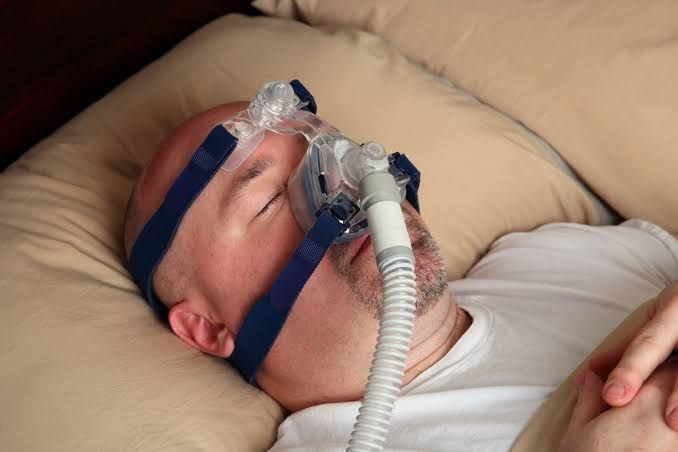
When you arrive at the clinic, having a clear picture of the nocturnal sleep study schedule options helps reduce performance anxiety. Many patients worry they will lay awake all night, staring at the ceiling, feeling pressured to perform for the cameras and sensors. This worry is so common that sleep scientists have a name for it: the “first-night effect.”
Clinicians fully expect your sleep to be slightly more fragmented than it is at home, and clinical algorithms account for this. By reviewing your sleep study schedule options, you can choose a center that matches your typical circadian timing, allowing you to settle in naturally.
The Hour-by-Hour Lab Timeline
While individual clinics vary slightly, essential details about the sleep study schedule include these primary phases:
- 7:30 PM – 8:30 PM: Arrival and Orientation. You check in, fill out paperwork, and are shown to your private room. The room is designed to resemble a comfortable hotel room, though it contains integrated medical hookups and a small camera for visual monitoring.
- 8:30 PM – 9:30 PM: Preparation and Sensor Setup. The polysomnogram setup is thorough. The technician will attach surface electrodes to your scalp (EEG) to track brainwaves and sleep stages; near your eyes (EOG) to identify REM cycles; under your chin (EMG) to monitor muscle tone; and on your chest (EKG) to trace cardiac patterns. Soft, elastic belts are placed around your chest and abdomen to measure breathing effort, and a pulse oximeter clip is placed on your finger to monitor blood oxygen levels.
- 9:30 PM – 10:30 PM: Calibration. Once fully wired, you sit on the bed while the tech calibrates the instruments. They will ask you to look up and down, blink rapidly, swallow, and flex your ankles. This ensures every channel is reading correctly before you turn off the lights.
- 10:30 PM – 6:00 AM: Lights Out and Monitoring. You are encouraged to read, relax, and fall asleep when ready. If you need to use the restroom during the night, you simply speak aloud. The technician monitors you from an adjacent control room and will temporarily unplug your main cable harness so you can move freely.
- 6:00 AM – 6:30 AM: Wake-Up and Departure. The tech gently awakens you, removes the sensors, and helps clean off any adhesive residue. You are free to head home or to work.
When researching how to prepare for a sleep study, look at the timeline as an opportunity to disconnect. Because you are not allowed to use your smartphone or tablet (the blue light suppresses melatonin production and disrupts biological parameters), look at this as a peaceful, screen-free evening. This is why understanding how to prepare for a sleep study and its schedule is so critical—it turns an intimidating medical test into a manageable, structured night of self-care.
Ultimately, learning how to prepare for a sleep study helps you relax, which is key to falling asleep under clinical observation. But what happens after your diagnostic night is over?
Preparing for a Sleep Study: Bridging Clinical Testing with Daily Tracking
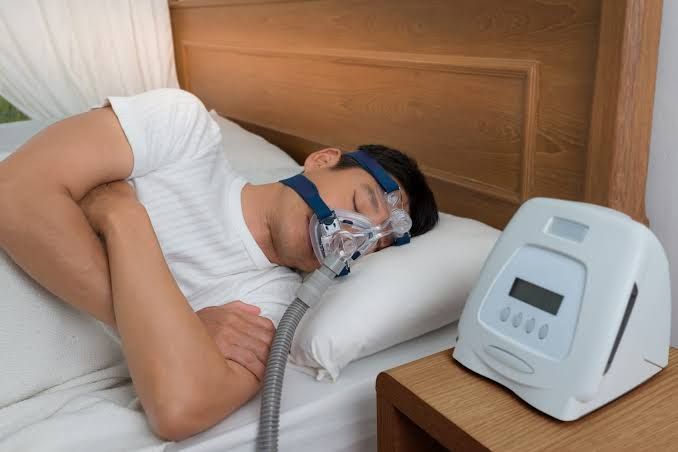
A clinical sleep study is incredibly valuable for identifying serious structural issues, but it only offers a single, one-night snapshot of your body’s sleep health in an artificial environment. This is why learning how to prepare for a sleep study is only the first step. True, long-term sleep optimization depends on tracking your biometric patterns under real-world conditions—night after night, week after week.
Even if you know how to prepare for a sleep study perfectly, one night of clinical testing cannot show how your sleep responds to daily stressors, late-night meals, intense workouts, or travel. To bridge this gap, health-conscious individuals are turning to long-term biometric tracking at home.
The Screen-Free Tracking Revolution
Traditional smartwatches are often bulky, disrupt sleep with bright screen notifications, and demand constant charging. For those recovering from sleep disruptions, adding another glowing screen to your bed defeats the purpose.
Discover a more elegant way to monitor your recovery.
If you are preparing for a sleep study at home or a clinic, the core metrics you want to monitor include your sleep cycles (REM, Deep, Light) and your Heart Rate Variability (HRV). These data points tell you whether your sleep is genuinely restorative or if you are stuck in a cycle of shallow, non-restorative rest that leaves you dealing with brain fog and fatigue.
Our team often advises that how to prepare for a sleep study should lead to a permanent appreciation for your biometric trends. This is where an advanced tool like the Herz P1 Smart Ring shines. Crafted from ultra-lightweight, aerospace-grade titanium, this screen-free ring monitors your biometrics from your finger, where blood vessels are closer to the skin, providing highly accurate readings.
Why the Herz P1 is the Ideal Recovery Companion
- Subscription-Free Model: Unlike other smart rings on the market that require monthly payments to access your own health metrics, the Herz P1 features a lifetime, subscription-free data model. You buy the ring once and own your data forever.
- Screen-Free & Distraction-Free: It features no screen, no vibrations, and no bright lights to wake you up at night, helping you break free from late-night screen dependencies and mindless scrolling.
- Simplified Recovery Scores: Instead of overwhelming you with hard-to-read graphs, the Herz P1 translates complex cardiovascular biometrics and sleep stages into an intuitive, actionable Daily Recovery Score.
- Outstanding Battery Life: Because it is screen-free, the ring uses very little power. You don’t have to deal with the daily charging hassle of typical smartwatches.
Knowing how to prepare for a sleep study gives you a baseline of your respiratory and neurological health. By pairing those clinical insights with a subscription-free, comfortable, and screen-free wearable like the Herz P1 Smart Ring, you can transition from a one-night diagnostic test into a lifetime of optimized recovery and deep, restorative sleep.
Disclaimer: Results may vary depending on individual physical activity levels, unique health conditions, and daily tracking patterns. The content in this article and on the Mind Body Dan website is for informational and educational purposes only. It is not intended to serve as a substitute for professional medical advice, evaluation, or clinical care.
