

How to Resolve Resmed Airsense 10 Pressure Problems for Deep, Restorative Sleep
Are you struggling with your CPAP therapy? If you are experiencing resmed airsense 10 pressure problems, you are not alone. Our team at Mind Body Dan understands how frustrating it is when your device leaves you feeling suffocated, bloated, or exhausted. By monitoring your sleep quality with a screen-free biometric tracker like the Herz P1 Smart Ring, you can ensure your adjustments translate into real, restorative sleep.
Take Back Your Sleep.
Take Back Your Life.
- Fall asleep faster & sleep deeper
- Stop waking up in the middle of the night
- Wake up refreshed & full of energy
- Understand how incorrect CPAP pressure settings cause frequent 3 AM awakenings, aerophagia, and mask leaks.
- Learn to troubleshoot and adjust EPR (Expiratory Pressure Relief) and Ramp settings on your ResMed AirSense 10.
- Explore why tracking physiological metrics like Heart Rate Variability (HRV) and Deep Sleep is critical to verifying CPAP effectiveness.
- Discover how a lightweight, screen-free wearable can help you monitor sleep trends without adding screen-time blue light.
Troubleshooting the ResMed AirSense 10 Pressure Settings
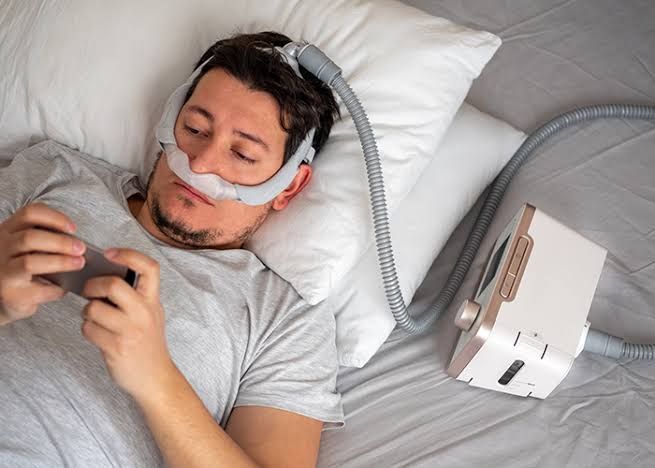
For millions of people worldwide, a continuous positive airway pressure (CPAP) machine is a vital companion for respiratory health. However, the journey to comfortable therapy is rarely a straight line. Many users find themselves waking up in the middle of the night, feeling a sense of panic as they battle resmed airsense 10 pressure problems. When your device is not tuned correctly, it can feel more like an obstacle than a solution, turning your night into an exhausting cycle of restlessness and anxiety.
Waking up at 3 AM with a dry, burning throat, your stomach bloated from swallowed air, is a deeply isolating experience. You might lie awake with your mind racing, wondering why the device that was supposed to restore your vitality is instead making you feel claustrophobic and exhausted. The ensuing daytime brain fog can leave you feeling physically depleted and emotionally drained, turning simple tasks into monumental hurdles.
When you are struggling with resmed airsense 10 pressure problems, the issues usually fall into two categories: either the pressure feels too weak, causing a sensation of air starvation, or you experience the sensation of the airsense 10 pressure too high. Understanding the physiological and mechanical causes behind these issues is the first step toward reclaiming your night.
Prerequisites for Resolving CPAP Pressure Issues
Before you begin adjusting your device, we recommend gathering basic information about your therapy. This ensures you can troubleshoot safely and systematically:
- Know Your Prescribed Pressure Range: This is typically set in centimeters of water pressure (cmH2O), ranging from 4 to 20 cmH2O. Check your initial clinician report.
- Access the Sleep Report Menu: Familiarize yourself with your daily Apnea-Hypopnea Index (AHI) and mask leak rate on the AirSense 10 screen. High leak rates often mimic pressure problems.
- Evaluate Your Mask Style: Nasal pillows, nasal masks, and full-face masks handle high pressure differently. A poor mask seal can cause the machine to ramp up pressure aggressively, leading to a feeling that the airsense 10 pressure too high.
Common Pitfalls and Air Pressure Mistakes
When trying to resolve resmed airsense 10 pressure problems, many people make the mistake of manually turning down their maximum pressure limit out of frustration. While this might stop the immediate feeling of being blasted with air, it can compromise your therapy. If the pressure is too low, your airway may collapse during deep sleep, resulting in silent apneas that fracture your sleep architecture without your knowledge.
Another common issue is ignoring “rainout”—when warm, humidified air condenses inside your cold tubing. This liquid barrier blocks the smooth flow of air, causing the pressure sensor to misread your breathing patterns. The machine may respond by rapidly fluctuating pressure, waking you up with a sudden burst of air or a loud, gurgling noise.
— Team Mind Body Dan Wellness Insights
To help you systematically address these disruptions, we have created an actionable execution guide. Remember, while resolving the mechanical aspects of resmed airsense 10 pressure problems is crucial, tracking your body’s physical response is what truly guarantees recovery.
Step-by-Step Guide to Resolving “Airsense 10 Pressure Too High” and Fluctuations
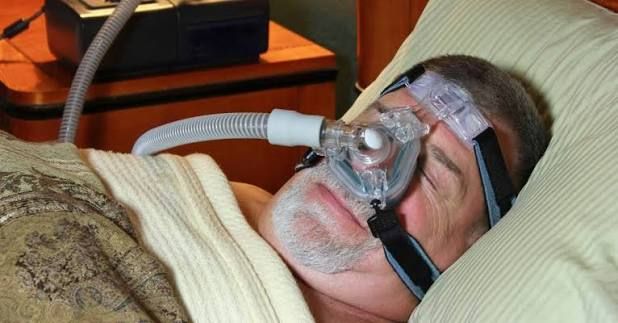
When you feel that your resmed airsense 10 pressure problems are preventing you from getting restful sleep, a structured approach to troubleshooting CPAP pressure can help you find relief. Follow these steps to optimize your ResMed AirSense 10 settings.
Step 1: Activate and Adjust Expiratory Pressure Relief (EPR)
If you find breathing out against the continuous airflow difficult, or feel the airsense 10 pressure too high, the EPR feature is your best solution. EPR temporarily drops the air pressure when you exhale, making your breathing feel more natural.
- Navigate to the “My Options” menu on your device’s home screen.
- Scroll down to “EPR” and switch it from Off to On.
- Set the EPR Level to 1, 2, or 3 (Level 3 offers the greatest pressure reduction upon exhalation, up to a maximum drop of 3 cmH2O).
- Choose whether to apply EPR “Always” or “Ramp Only.” We generally recommend setting it to “Always” if you struggle with resmed airsense 10 pressure problems throughout the night.
Step 2: Optimize the Ramp Time Settings
Ramp Time allows the device to start at a lower, comfortable pressure while you are falling asleep, gradually increasing to your full prescribed therapy pressure over a set period. This helps minimize initial breathing discomfort.
- Go to “My Options” and select “Ramp Time.”
- If you find yourself struggling to fall asleep because the initial pressure feels too weak, turn the Ramp Time off or set it to “Auto.”
- The “Auto” setting is highly responsive; it senses when you fall asleep based on your breathing patterns and only ramps up to the therapeutic pressure once you are asleep.
Step 3: Check Mask Settings in the User Menu
Your AirSense 10 calculates pressure based on resistance, which varies depending on the style of mask you use. If the machine’s internal settings do not match your physical mask, you will experience airflow imbalances.
- Under “My Options,” locate the “Mask” setting.
- Select the correct mask type: Pillows (for nasal pillows), Nasal (for over-the-nose nasal masks), or Full Face (for masks covering both nose and mouth).
- Run the “Run Mask Fit” utility on your device. Put on your mask and start the test. The screen will display a green smiley face if your seal is secure. If it shows a red frowny face, adjust your mask straps to resolve the leak.
Step 4: Consult Your Clinician Regarding Pressure Ranges
If you have implemented EPR and adjusted your Ramp settings but still feel like the airsense 10 pressure too high, you may need a medical adjustment to your overall pressure range. The AirSense 10 AutoSet is an auto-adjusting machine, but if its maximum pressure limit is set too high (e.g., 20 cmH2O), it can spike during minor airway transitions, causing sudden awakenings.
Contact your sleep clinic or pulmonologist to discuss narrowing your range (for instance, adjusting a wide 4-20 cmH2O range to a more stable 8-12 cmH2O range). This prevents extreme fluctuations while still keeping your airway open.
Step 5: Track Your Sleep Quality to Confirm Progress
How do you know if your CPAP pressure adjustments are working? While the machine displays basic data like AHI and leak rates, it cannot measure your actual sleep quality or physical recovery.
Many smartwatches are bulky, distracting, and require daily charging. A lightweight, screen-free alternative like the Herz P1 Smart Ring provides a comfortable, low-profile option. It tracks your sleep stages (Deep, REM, Light) and your Heart Rate Variability (HRV) without screens or subscription fees, allowing you to easily see how your CPAP adjustments impact your overall recovery.
- Is EPR set to “On” and adjusted to Level 3 to reduce exhalation resistance?
- Is the “Mask” setting in the menu correctly matched to your actual mask?
- Have you checked your heated tube and humidifier water levels to prevent dry throat and congestion?
- Are you tracking your nightly sleep trends to confirm your adjustments are improving your sleep quality?
Moving Beyond CPAP Adjustments: Translating Biometrics into True Energy
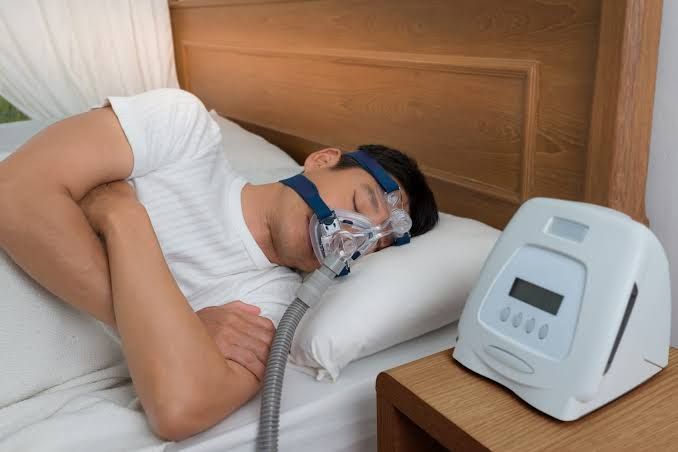
When you are adjusting CPAP pressure, focusing only on the machine’s display screen can feel discouraging. The ResMed device might show a low AHI score of “1.2 events per hour” (indicating that your breathing obstructions are minimized), yet you may still wake up with brain fog and fatigue. This occurs because respiratory stability is only one part of the restorative sleep equation.
To understand if you are truly recovering, you need to track how your autonomic nervous system responds to therapy. This is where tracking metrics like Heart Rate Variability (HRV) and Deep Sleep stages becomes essential. HRV is the microscopic variation in time intervals between consecutive heartbeats, regulated by your autonomic nervous system. When your CPAP therapy is optimized, your body spends more time in a parasympathetic state, leading to a higher night-time HRV and longer periods of deep, restorative sleep.
If you are struggling with solving air pressure issues, tracking these metrics can confirm whether a change in settings is actually reducing physiological stress. If your deep sleep duration increases and your heart rate stabilizes, it is a clear indicator that your adjustments are working, even if you are still adapting to wearing a mask.
Reclaim Screen-Free Rest with the Herz P1 Smart Ring
If you find bulky, screen-heavy smartwatches uncomfortable to wear to bed, the lightweight, screen-free Herz P1 Smart Ring offers a comfortable, elegant alternative. Crafted from medical-grade titanium, it tracks your sleep stages, HRV, and daily recovery without screen distractions, blue-light interruptions, or monthly subscription fees.
By shifting your focus from mechanical troubleshooting to holistic biometric tracking, you can take control of your wellness. Managing resmed airsense 10 pressure problems is no longer about blindly tweaking settings; it becomes a deliberate process of adjusting your therapy to optimize CPAP comfort and improve your daily recovery score.
If you are ready to move past sleepless nights, start by addressing your EPR settings, verifying your mask seal, and tracking your physiological recovery. Your body and mind will thank you.
Disclaimer: Results may vary depending on individual physical activity levels, unique health conditions, and daily tracking patterns. This content is for informational and educational purposes only and is not intended as medical advice. Always consult with a qualified physician or sleep specialist before making any changes to your clinical CPAP settings or therapeutic routine.
