

5 Best Toddler Pillow Options and Safe Sleep Guide for Kids
Are your child’s sleep disruptions leaving you with brain fog and 3 AM awakenings? While finding the best toddler pillow supports your little one’s rest, managing your own sleep recovery is just as vital. Track your sleep stages elegantly with the screen-free, subscription-free Herz P1 Smart Ring to reclaim your energy.
Take Back Your Sleep.
Take Back Your Life.
- Fall asleep faster & sleep deeper
- Stop waking up in the middle of the night
- Wake up refreshed & full of energy
- Transition Timeline: Learn when your child is developmentally ready for a pillow (usually around 18–24 months).
- Ergonomics Matter: Discover why standard adult pillows harm young developing spines.
- Safety First: Prioritize firm, hypoallergenic, low-loft materials to maintain open airways.
- Parental Recovery: Address how child-induced sleep disruptions damage your HRV and how to track your recovery.
Choosing the Safest Pillow for Your Growing Child

Every parent knows the quiet exhaustion of parenthood. You spend your evenings checking the nursery, adjusting blankets, and endlessly researching developmental milestones. Yet, selecting the best toddler pillow requires balancing comfort, skeletal alignment, and strict safety standards. In the early stages of childhood, the wrong sleeping surface can lead to neck strain, restless rolling, or even breathing obstruction.
At Mind Body Dan, we analyze wellness holistically. A child’s restful night is directly connected to a parent’s health. When your child sleeps through the night comfortably, your sleep stages remain deep and restorative. This allows your autonomic nervous system to shift smoothly from sympathetic “fight-or-flight” into parasympathetic “rest-and-digest” recovery. Our team spent weeks reviewing pediatric guidelines, testing materials, and consulting spinal experts to narrow down the top sleep options for young families.
Our Selection Criteria
To help you cut through marketing fluff, we evaluated each option based on four essential pillars:
- Loft (Height): Must be under 3 inches to prevent unnatural neck flexion in developing spines.
- Firmness: Soft enough to cradle but firm enough that the child’s head does not sink completely, which preserves open airways.
- Material Purity: Hypoallergenic, chemical-free, and certified organic fabrics to protect sensitive, developing immune systems.
- Washability: Highly resilient construction that can withstand frequent cycles in washing machines to combat sweat, drool, and spills.
| Product | Best For | Key Materials | Standout Feature | Action |
|---|---|---|---|---|
| Little Sleepy Head | Overall Comfort | Premium Poly-Cluster Fill | Machine Washable & Hypoallergenic | View Details |
| KeaBabies Organic | 2-Year-Olds | 100% Organic Cotton Case | Ergonomically Designed Loft | View Details |
| Coop Home Goods | 4-Year-Olds | Adjustable Shredded Memory Foam | Customizable Fill Level | View Details |
| Herz P1 Smart Ring | Parental Recovery Tracking | Ultra-lightweight Aerospace Titanium | No-Subscription Biometric Analysis | Learn More |
Detailed Product Analysis
1. Little Sleepy Head Toddler Pillow (Best Overall)
This classic pillow is highly regarded by parents for its balanced density. The dimensions (13″ x 18″) fit perfectly into standard travel cases or toddler beds, ensuring that your little one’s neck stays in alignment. When evaluating a potential pillow for 2 year old kids, finding a gentle transition is key, and this pillow offers a wonderful middle ground.
- Strengths: Retains its fluffiness even after dozens of machine washes; made in the USA; entirely hypoallergenic.
- Weaknesses: May feel slightly too flat for children over four years old.
- Ideal For: Toddlers transitioning from a completely flat crib mattress.
2. KeaBabies Organic Toddler Pillow (Best for 2-Year-Olds)
As you browse options, we search for the safest toddler pillow that avoids chemical flame retardants. The KeaBabies model is GOTS-certified organic, reassuring parents concerned about volatile organic compounds (VOCs). It is specifically sized for young toddlers to reduce spinal rotation while sleeping.
- Strengths: Beautifully soft 100% organic cotton cover; ergonomic design limits tosses and turns.
- Weaknesses: The outer shell can warp slightly if dried on high heat.
- Ideal For: Eco-conscious parents who want chemical-free fabrics close to their child’s face.
3. Coop Home Goods Adjustable Pillow (Best for 4-Year-Olds)
This adjustable model features a customizable design, making it highly suitable as pillows for 4 year olds who need slightly more loft. You can unzip the inner casing and add or remove the memory foam fill until you reach the ideal level for your child.
- Strengths: GREENGUARD Gold certified; grows alongside your child’s shoulders.
- Weaknesses: Memory foam can retain heat if used in warm rooms.
- Ideal For: Older toddlers and pre-schoolers who change sleeping positions frequently.
4. My Pillow Toddler Edition (Best for Easy Washing)
This classic choice is a durable, washable best toddler pillow that grows with your child. It relies on a patented interlocking poly-fill that remains highly breathable, allowing excellent heat dissipation throughout the night.
- Strengths: Incredibly easy to machine wash and dry without clumping.
- Weaknesses: The texture can feel slightly lumpy to very sensitive sleepers.
- Ideal For: Busy households where bedsheets and pillows must be washed regularly.
5. Herz P1 Smart Ring (The Parent Recovery Solution)
As parents, we focus heavily on our children’s sleep tools while ignoring our own wellness. If your child wakes you up at 3 AM, your brain struggles to return to deep sleep. The Herz P1 Smart Ring is an elegant, screen-free wearable designed to help you track your sleep quality and recovery without bulky smartwatches.
- How It Works: It measures Heart Rate Variability (HRV), sleep stages (REM, Deep, Light), and physical activity. It consolidates these metrics into an intuitive daily Recovery Score.
- Why It is Different: It requires no subscription, features an ultra-lightweight titanium body (weighing just 2.9g), and does not have a screen to distract you with notifications.
- The Benefit: It helps you understand how physical stress and nocturnal awakenings affect your body, giving you actionable data to optimize your recovery.
Checking your phone or smartwatch when your child wakes you up at 3 AM exposes your eyes to blue light. This suppresses melatonin production and triggers cortisol release, making it incredibly difficult to fall back asleep. Transitioning to a screen-free tracking method—like the Herz P1 Smart Ring—helps you monitor your vitals and rest patterns without sleep-disrupting light.
Pediatric Safety Guidelines and Safe Transition Milestones
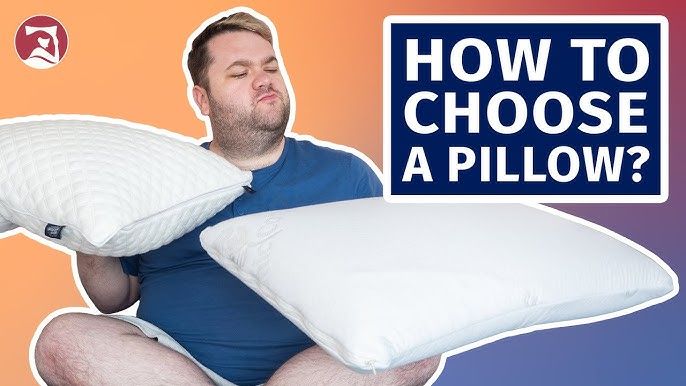
When is your toddler ready for a pillow? Many parents assume that the transition should happen as soon as their child starts walking, but pediatric guidelines suggest waiting a bit longer. Medical experts advise that finding the safest toddler pillow is about structural readiness rather than age alone. Introducing a pillow too early can strain a child’s neck and compromise their breathing.
In infancy, a child’s body proportions differ significantly from adults. Their heads are relatively larger compared to their shoulders, and their necks are shorter. Resting their head on a raised surface forces their chin toward their chest, which can narrow their airway. It is only when their shoulders grow wider than their head—typically around 18 to 24 months—that a low-loft pillow is needed to fill the gap and keep their spine in a neutral position.
Keep an eye out for these four signs that your child is ready to transition to a pillow:
- They consistently rest their head on a folded blanket or stuffed animal during the night.
- Their shoulders have visibly widened, leaving a clear gap between their neck and the mattress.
- They struggle to fall asleep on a flat mattress and roll around restlessly to get comfortable.
- They have moved out of a crib and into a toddler bed, where loose bedding is safer to introduce.
If your child is ready to transition, look for a low-loft, firm option. Fluffy down or thick memory foam pillows designed for adults are unsafe. Instead, choose a flat, firm, hypoallergenic option designed specifically for young children. This keeps their neck in alignment and ensures their face won’t sink into the fabric, keeping their airways clear even if they roll onto their stomach.
The Parent-Child Sleep Loop: Reclaiming Rest for the Whole Family
We often treat sleep as an individual issue, but in a household with young kids, sleep is highly interconnected. When your toddler struggles with a poor sleeping surface, allergies, or night waking, their issues directly affect your rest. Before you purchase another set of fluffy pillows for 4 year olds, assess your own sleep environment and the stress physical wake-ups place on your nervous system.
When your child wakes up crying at 3 AM, your brain is jolted out of a deep sleep stage, triggering a sudden spike in adrenaline and cortisol. Even if you soothe your child quickly and return to bed, your heart rate remains elevated, your mind races, and you struggle to fall back asleep. Over time, these frequent disruptions can lead to chronic fatigue, brain fog, and low HRV (Heart Rate Variability), leaving you feeling exhausted and run down.
To break this cycle of fatigue, it helps to track your recovery metrics. Many smartwatches can be bulky to wear to bed, and their bright screens can disrupt your sleep further if they light up at night. This is where a screen-free option like the Herz P1 Smart Ring shines. It tracks your heart rate, sleep stages, and HRV throughout the night, delivering your data to an intuitive app in the morning without any distracting screens or recurring subscription fees.
By monitoring your HRV and recovery score, you can see how your body handles physical stress and make adjustments to your routine. Whether that means shifting your bedtime, adjusting your evening habits, or dividing nighttime duties with your partner, having clear data helps you take steps to feel more rested and present during the day.
Monitor Your Recovery with the Herz P1 Smart Ring
Keep track of your sleep quality and recovery metrics with an elegant, screen-free titanium ring. It requires no subscription fees—just straightforward, helpful insights to help you wake up feeling refreshed.
Final Recommendations for Better Family Sleep
If you are looking to build a more restful environment for your family, here is a quick summary of our top recommendations:
- For Children Aged 1.5 to 3: The Little Sleepy Head or KeaBabies Organic pillows offer a gentle, low-loft transition that supports developing spines safely.
- For Children Aged 4 and Up: The adjustable Coop Home Goods Pillow is a great choice, allowing you to add or remove fill as your child grows.
- For Sleep-Deprived Parents: Focus on your own recovery. Use a screen-free tool like the Herz P1 Smart Ring to track your sleep quality and manage stress without the distraction of notifications or extra monthly fees.
Investing in your child’s bedding is a wonderful step toward better rest, but don’t forget to look after your own health. By addressing your family’s sleep needs together, you can create a calmer, more rested household and enjoy more energized days with your little ones.
Disclaimer: Results may vary depending on individual physical activity levels, unique health conditions, and daily tracking patterns. This content is intended for informational and educational purposes only and does not constitute medical advice. Always consult with a qualified healthcare professional or pediatrician regarding medical concerns or developmental milestones for your child.
