

Helix Plus Mattress Review: The Best Bed for Heavy Sleepers?
Are you struggling with non-restorative sleep, waking up with aching joints and a racing mind? Finding a bed that supports heavy sleepers while keeping you cool is tough. In this in-depth helix plus mattress review, we explore how matching orthotic support with screen-free biometric tracking like the Herz P1 Smart Ring helps you reclaim your vital physical energy.
Take Back Your Sleep.
Take Back Your Life.
- Fall asleep faster & sleep deeper
- Stop waking up in the middle of the night
- Wake up refreshed & full of energy
What You’ll Learn in This Article:
- Why traditional mattresses fail heavy sleepers, causing lower back strain and tossing and turning.
- An honest review of the Helix Plus, including materials, firmness, and durability.
- How to bridge physical orthopedic comfort with advanced biometric tracking.
- A detailed comparison of standard, Luxe, and Elite models to guide your purchase.
- How a subscription-free smart ring helps you decode sleep stages, HRV, and daily recovery.
Why Heavy Sleepers Need Specialized Support: Our Deep Dive into the Helix Plus
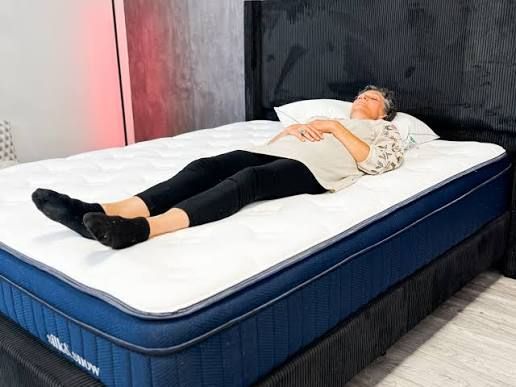
For individuals who carry more body weight, finding a reliable mattress is not merely a matter of comfort—it is a critical factor in spinal alignment and restorative sleep. Standard mattresses are typically designed for average-weight profiles, meaning they often sag prematurely under heavier loads. When a mattress sags, it forces your lumbar spine into an unnatural, curved position. This tension triggers the sympathetic nervous system, leaving you in a state of low-grade physiological stress throughout the night. If you have ever experienced that frustrating 3 AM awakening with your mind racing and body aching, your bed’s structural support might be the silent culprit.
At Team Mind Body Dan, we understand that a mattress should work in tandem with your natural sleep cycles. This is why we have thoroughly tested and written this comprehensive helix plus mattress review to see if this specialized bed truly delivers on its promise of heavy-duty support and temperature-regulated comfort.
| Performance Category | Rating (Out of 5) | Key Takeaway for Sleepers |
|---|---|---|
| Spinal Alignment | 4.8 / 5.0 | High-density foam layers prevent pelvic sinking. |
| Cooling & Breathability | 4.5 / 5.0 | Tencel cover and pocketed coils facilitate heat dissipation. |
| Edge Support | 4.7 / 5.0 | Reinforced perimeter coils allow full surface utilization. |
| Durability | 4.6 / 5.0 | Heavy-duty materials resist sagging and body impressions. |
Product Overview: The Construction Behind the Support
The helix plus is a 13-inch hybrid mattress engineered specifically for heavy sleepers (individually weighing 250 to 500 pounds). What makes it unique is its deliberate choice of heavy-duty materials. Instead of standard low-density polyurethane foams that soften quickly, the mattress utilizes ultra-dense, pressure-relieving memory foam and a specialized transition layer to support higher weight capacities. Beneath these foam layers rests a core of up to 1,000 individually wrapped, tall XL pocketed coils that react dynamically to movement while limiting motion transfer across the bed.
Key Highlights of the Helix Plus Mattress
- Reinforced TitanCool™ Tencel Cover: Designed to pull heat away from the body, maintaining an optimal sleep climate to prevent overnight awakenings due to overheating.
- High-Density Memory Foam Layers: High-density memory foam provides therapeutic pressure relief for shoulders and hips without letting you sink too deeply.
- Tall XL Pocketed Coils: Provides robust, push-back support specifically tuned to maintain skeletal alignment for larger individuals.
- Optimal Edge Support: Reinforced steel coils run along the outer perimeter, making it incredibly stable to sit or sleep near the mattress edge.
Expert Insight: The Connection Between Support and Stress Recovery
A mattress that lacks structural integrity causes your muscles to contract all night to guard your joints. This subtle, unconscious muscular strain prevents your nervous system from transitioning from sympathetic dominance (fight-or-flight) to parasympathetic relaxation (rest-and-digest). By choosing a high-density, supportive hybrid mattress, you remove this structural stress, opening the door for restorative sleep.
Real-World Experience: Overcoming the Emotional and Physical Toll of Bad Sleep
Sleep deprivation is not just about feeling tired the next morning; it is a pervasive disruption that colors every hour of your day. Imagine dragging yourself to bed, physically exhausted, only to toss and turn for hours because your hips are sinking uncomfortably into a soft mattress. Your lower back starts to ache, and your body temperature climbs. Soon, you are caught in a cycle of waking up at 3 AM with a racing mind, staring at the ceiling, feeling helpless against your creeping daytime brain fog.
When our team tested the helix plus, we immediately noticed the immediate sensation of “on top of the mattress” support rather than “sinking into” it. For heavy sleepers, this sensation is incredibly comforting. The heavy-duty coils act like a supportive hand under the lumbar spine, allowing the chest and pelvis to rest in alignment. This structural support helps reduce micro-awakenings caused by physical discomfort, allowing you to settle into deeper, more restorative sleep stages.
Honest Pros and Cons
To give you a completely transparent overview, we have broken down what we love about this mattress and where we think it has its limitations:
Pros:
- Unparalleled weight support that eliminates the dreaded mattress “sinkhole” effect.
- Excellent temperature regulation through a breathable coil layout and a cooling, soft-touch Tencel cover.
- Robust edge support, which is critical for individuals who utilize the full perimeter to sit or sleep.
- Responsive hybrid design that makes changing positions easy, avoiding that stuck-in-the-mud feeling.
Cons:
- The mattress has a medium-firm to firm feel (around 7-8 out of 10 on the firmness scale). If you are a lighter-weight side sleeper (under 150 lbs) sharing the bed, you may find it too unyielding.
- Its heavy-duty XL coils make the mattress heavy and difficult to move or rotate without assistance.
Helix Plus vs. Luxe and Elite: Finding Your Ideal Match
When researching this brand, you will likely encounter different model tiers. To help you navigate your options, here is how the standard model stacks up against its premium siblings:
- The Standard Model: The base hybrid that offers high-density support and straightforward comfort. It is excellent for those looking for pure, unadulterated orthopedic performance.
- The helix plus luxe review: The Luxe upgrade introduces zoned lumbar support, a quilted pillow top, and a premium hypoallergenic Tencel cover. If you suffer from mild back tension, the zoned coils offer targeted relief for your lower spine.
- The helix plus elite review: This is the pinnacle of luxury hybrid design. According to recent helix plus luxe reviews and expert analyses of the Elite series, this model combines nested microcoils with multiple layers of ultra-high-density foam. It provides a luxurious cloud-like feel while retaining the dense underlying support heavy sleepers require.
The Biometric Connection: Why a Mattress is Only Half the Story
A supportive mattress provides the perfect physical canvas, but true recovery is internal. To genuinely understand if your body is recovering overnight, you need to track your sleep trends. Traditional smartwatches can be bulky and disruptive to wear in bed, which is why a lightweight, screen-free biometric ring is the perfect partner for your new mattress setup.
Our top recommendation: The subscription-free, titanium Herz P1 Smart Ring.
Target Audience: Who is This Bed Designed For?
This mattress is primarily designed for heavy sleepers who require robust support to keep their spine neutral. It is also an exceptional option for side and back sleepers over 250 pounds who experience hip or back aches. However, if you weigh under 150 pounds and prefer a plush, body-hugging mattress, the firmness of this hybrid layout may not provide the contouring you need.
Our Verdict: A Solid Foundation for Orthopedic Recovery
If you have struggled with feeling exhausted and achy despite making healthy lifestyle adjustments, your bed is likely failing to support your frame. The dense foams and heavy-duty hybrid coil system of the mattress successfully eliminate sag, providing a stable, cool surface. When paired with smart biometric tracking, it forms a powerful foundation for rebuilding your sleep habits and waking up refreshed.
The Biometrics of Restorative Sleep: Measuring HRV, Sleep Stages, and Recovery

Even on a highly supportive mattress like the helix plus, you may still experience non-restorative sleep. Why does this happen? The truth is, physical comfort is only one side of the sleep architecture equation. Real nocturnal recovery is governed by your autonomic nervous system, which you can easily monitor through biometric metrics. Tracking these internal signals helps you understand why you might wake up feeling groggy, even after spending eight hours in a premium hybrid bed.
Your sleep architecture is composed of distinct, repeating cycles. To achieve peak physical and cognitive recovery, you must spend enough time in specific sleep stages:
- Deep Sleep (N3): This is the stage when your body repairs tissue, builds bone and muscle, and strengthens your immune system. If your mattress forces your body to constantly adjust to relieve pressure points, your brain is pulled out of deep sleep and into lighter stages.
- REM (Rapid Eye Movement) Sleep: Essential for cognitive consolidation, emotional regulation, and memory processing. This is when your brain files away information from the day, helping you wake up without that disorienting brain fog.
- Light Sleep (N1 & N2): Serves as the pathway between waking life and deeper restorative stages. While normal, spending too much time in light sleep leaves you feeling unrefreshed.
Heart Rate Variability (HRV): The Ultimate Recovery Metric
As biometric specialists, we look at Heart Rate Variability (HRV) as the most telling metric of overall recovery. HRV measures the tiny, millisecond-level variation in time between consecutive heartbeats. Contrary to what you might think, a highly variable heart rate is a sign of a healthy, adaptive autonomic nervous system.
“When your HRV is elevated, it means your parasympathetic ‘rest-and-digest’ system is dominant, indicating your body is actively recovering and ready to handle daily stressors. Conversely, a consistently depressed HRV indicates that your body is in a state of sympathetic stress, which can be caused by physical overtraining, systemic inflammation, digestive distress, or sleeping in an unsupportive environment.”
By monitoring your HRV alongside your sleep cycles, you can easily pinpoint what is disrupting your rest. If your overnight biometric trends reveal a sharp dip in HRV and a low percentage of deep sleep, you can look for the cause: Was it a late-night heavy meal? Dehydration? Elevated core temperature? Or perhaps your body is struggling to stay cool on a poorly ventilated surface?
The Wearable Dilemma: Bulky Smartwatches vs. Screen-Free Smart Rings
Historically, the biggest obstacle to tracking sleep biometrics has been the hardware itself. Many of us try to track our sleep using a bulky, touchscreen smartwatch, only to find it incredibly frustrating. These heavy wrist devices are uncomfortable to sleep in, trap heat against your skin, and have screens that can light up and wake you in the middle of the night. Plus, having to charge them daily means you often miss tracking critical overnight data.
This operational friction is why many health-conscious consumers are moving toward smart rings. A screen-free, ultra-lightweight titanium smart ring like the Herz P1 Smart Ring is designed to sit comfortably on your finger, collecting precise, medical-grade biometrics without any distraction. By removing the screen, it eliminates blue-light temptation before bed, helping you build a healthier screen-free wind-down routine.
Crucially, the Herz P1 Smart Ring offers a subscription-free model. In an industry where competitors require ongoing monthly payments to access your own biometric graphs, a buy-once-own-forever tracker is a refreshing, trustworthy solution. It translates complex cardiovascular algorithms into a single, highly intuitive Daily Activity & Recovery Score, letting you easily track your recovery trends over time.
Building Your Personal Recovery Protocol: Actionable Tips for Screen-Free Wellness
To truly reclaim your physical and mental energy, you need a holistic, data-informed approach to your nightly rest. Having a heavy-duty, supportive bed like the helix plus mattress is a great start, but pairing it with healthy habits and comfortable biometric tracking is how you sustain long-term wellness.
Here is an actionable, step-by-step protocol to help you establish a screen-free recovery routine:
- Ditch the Screens: Turn off all phones, TVs, and tablets at least 60 minutes before bed. Blue light suppresses your brain’s natural melatonin production, delaying REM onset and shortening your deep sleep cycles. Try a screen-free ring to track your metrics instead of keeping a glowing smartphone on your nightstand.
- Optimize Your Room Temperature: Your body temperature needs to drop by about two degrees Fahrenheit to initiate sleep. Keep your room cool (ideally between 60 to 67 degrees) and let the breathable hybrid design of your helix plus help disperse your body heat.
- Track Your Recovery Score: Every morning, check your Daily Activity & Recovery Score on your companion app. Use this score to guide your daily training or work intensity. If your recovery score is high, it is a great day for an intense workout. If your score is low, prioritize active recovery, like a gentle walk or a yoga session.
- Eat and Drink Early: Avoid heavy meals, alcohol, and caffeine in the evening. Digesting food late at night raises your resting heart rate and lowers your overnight HRV, leaving you with less deep, restorative sleep.
By combining physical orthopedic support with screen-free biometric tracking, you can take control of your nightly recovery. This balanced approach takes the guesswork out of sleep hygiene, helping you reclaim your vitality and live a more energetic life.
Disclaimer: Results may vary depending on individual physical activity levels, unique health conditions, and daily tracking patterns. Content on Mind Body Dan is for educational purposes only and should not replace medical advice from qualified healthcare professionals.
