

Should You Use Your CPAP When You Have COVID-19? Expert Safety, Cleaning, and Recovery Guide
Battling respiratory fatigue makes restorative sleep critical, yet managing your CPAP therapy during a COVID-19 infection raises vital safety concerns. While a clinical CPAP manages sleep apnea, monitoring your physiological recovery requires precise, screen-free biometric tracking. The Herz P1 Smart Ring tracks your Sleep Stages and Heart Rate Variability, offering insights without screen-induced sleep disruption.
Take Back Your Sleep.
Take Back Your Life.
- Fall asleep faster & sleep deeper
- Stop waking up in the middle of the night
- Wake up refreshed & full of energy
- Clinical Directives: Clear advice on continuing CPAP usage while isolating safely.
- Aerosolization Realities: How positive pressure interacts with viral transmission at home.
- Sanitization Protocols: Deep-cleaning rules to prevent self-reinfection and bacterial buildup.
- Recovery Metrics: Using non-invasive biomarkers like HRV to track systemic healing.
Understanding CPAP Therapy and COVID-19 Management

Quick Answer: Yes, but with strict isolation. The short answer is that continuing your CPAP therapy is vital for managing sleep apnea, but you must prevent viral aerosolization. However, to choose the right approach, you need to understand how the machine disperses air, how to isolate your sleeping space, and how to track your body’s overall stress levels during recovery.
When you are diagnosed with a respiratory virus, navigating the intersection of clinical respiratory support and viral transmission becomes a complex challenge. Many individuals ask: should i use my cpap if i have covid? If you rely on a Continuous Positive Airway Pressure machine to keep your airway open, stopping therapy abruptly can lead to severe oxygen desaturation, placing extra stress on an already compromised cardiovascular system. The core conflict of managing cpap and covid simultaneously lies in the mechanics of the machine itself.
A standard CPAP machine works by drawing ambient air, pressurizing it, and delivering it through a mask to keep your upper airway from collapsing. Under normal circumstances, this is a highly effective way to prevent sleep apnea. However, when you have an active respiratory infection, the pressurized air can increase the risk of aerosolizing viral particles. Understanding the dynamics of cpap and covid requires examining how these machines affect the immediate environment.
When you exhale while wearing a CPAP mask, air escapes through exhalation ports designed to vent carbon dioxide. If you are infected, this vented air carries microscopic viral droplets. Because the air is pressurized, it can travel further into the room than normal, unassisted breathing, potentially exposing anyone sharing your space. Thus, the relationship between cpap and covid protocols relies on careful containment and strategic hygiene.
— Team Mind Body Dan Clinical Advisory Group
For individuals managing sleep apnea, a temporary cessation of therapy can trigger a cascade of negative physiological events. These include increased systemic inflammation, spikes in blood pressure, and severe sleep fragmentation. When your body is fighting a virus, it needs deep, restorative sleep to fuel your immune system. Disruptive apneas can lead to a racing mind, 3 AM awakenings, and profound daytime brain fog, making it incredibly difficult for your immune system to mount an effective defense. For these reasons, sleep specialists generally recommend continuing therapy, provided you can implement rigorous isolation measures.
Using a cpap machine for covid infected patients requires balancing individual therapeutic benefits against the risk of environmental contamination. If you sleep alone and can isolate completely from other household members, the risk of transmission is virtually eliminated. However, if complete isolation is impossible, you must weigh the risks and consult with your primary care provider to find an alternative pathway.
When to Continue Using Your CPAP
You should prioritize continuing your CPAP therapy under the following conditions:
- Severe Obstructive Sleep Apnea (OSA): If you have been diagnosed with severe sleep apnea, stopping your machine can lead to severe drops in blood oxygen saturation, putting dangerous stress on your heart and lungs.
- Total Physical Isolation: If you have a dedicated room and bathroom where no other family members or pets enter, you can safely operate your machine without risking transmission.
- Mild Symptoms: If your symptoms are primarily upper respiratory or mild, and you are not experiencing severe shortness of breath that conflicts with the machine’s pressure settings.
When to Suspend or Modify Therapy
You should exercise caution or consult your healthcare provider regarding suspension under these scenarios:
- Shared Sleeping Spaces: If you cannot isolate in a separate room from a partner, using a CPAP creates a high-risk environment for immediate viral transmission.
- Severe Respiratory Distress: If you experience significant shortness of breath, a high respiratory rate, or chest pain, you need immediate clinical evaluation rather than relying solely on home CPAP pressure.
- Inability to Sanitize: If you are too weak or fatigued to perform daily cleaning of the mask, tubing, and water chamber, creating a risk for secondary bacterial infections.
To safely bridge the gap between managing sleep apnea and monitoring your recovery, we highly recommend integrating a passive, screen-free biometric tracker. While your clinical machine supports your airway, a dedicated health wearable can track how your body is coping with the stress of the illness. The Herz P1 Smart Ring is an ideal, unobtrusive companion during this time. It monitors critical recovery trends like Sleep Stages (REM, Deep, Light) and Heart Rate Variability (HRV) without the annoying screen alerts, bright lights, or bulky frames of a traditional smartwatch.
Frequently Asked Questions About CPAP Use During COVID-19
Q: Can using a CPAP machine make my viral symptoms worse?
A: No, the machine itself does not worsen the viral infection. However, using dirty equipment can introduce secondary pathogens, and improper pressure settings during severe chest congestion can cause discomfort. Always maintain strict cleaning habits.
Q: What should I do if my CPAP mask feels uncomfortable due to nasal congestion?
A: Nasal congestion is common during viral infections. You can consult your doctor about using a temporary saline nasal spray, a full-face mask that covers both mouth and nose, or using the built-in heated humidifier on your machine to soothe irritated nasal passages.
Q: Does a CPAP machine act as a ventilator?
A: No, a CPAP machine is not a ventilator. It provides continuous positive pressure to keep your airway open, but it does not actively breathe for you or assist with mechanical ventilation in the way a hospital ventilator does.
Aerosolization and Home Isolation Protocols During Infection
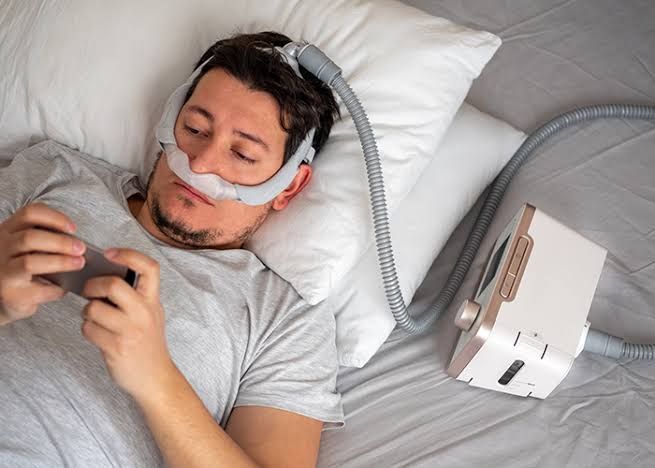
The primary concern raised by healthcare organizations regarding the use of a cpap machine for covid is the physical process of aerosolization. When you use your device, the continuous pressure can turn heavy respiratory droplets into fine aerosols that remain suspended in the air for longer periods. This increases the risk of transmission to anyone entering your room.
To safely navigate cpap and covid challenges within a shared household, establishing a strict boundary between your isolation room and the rest of your home is vital. If you are asking yourself, “should i use my cpap if i have covid”, the answer hinges directly on whether you can sleep alone. The ideal setup is a dedicated bedroom with a closed door, separated from common living areas. The air in this room should not circulate back into the rest of the house through central heating or cooling systems. Keeping the door fully closed prevents the migration of airborne viral particles.
- Deploy a HEPA Air Purifier: Running a high-efficiency particulate air (HEPA) filter next to your bed helps trap airborne droplets.
- Maintain a Tight Mask Seal: A poor mask fit leads to significant leaks, increasing the escape of pressurized, virus-laden air into the bedroom.
- Ventilate to the Outside: If weather permits, open a window to allow fresh air exchange, diluting any indoor viral concentrations.
- Control Foot Traffic: Family members should avoid entering your room while the CPAP machine is running or immediately afterward.
Understanding the implications of a cpap machine for covid aerosolization can help you make informed decisions. It is worth noting that while the machine vents exhaled air, using a high-quality full-face mask or nasal pillow with an integrated, high-efficiency bacterial filter can help mitigate some of the risks. Some modern clinical setups incorporate inline filters, but these are often difficult to configure on standard home CPAP models without proper medical guidance.
For those living in small apartments or shared spaces where separate rooms are not an option, the decision becomes much more difficult. If you cannot isolate, you must discuss alternative options with your physician. They may suggest a temporary dental appliance, positional therapy (such as sleeping on your side to keep the airway open), or adjusting your sleeping arrangements to ensure maximum distance and physical barriers between you and others. The physical and emotional stress of managing a severe illness while trying to avoid infecting your loved ones can cause significant anxiety, often manifesting as a racing mind and non-restorative sleep.
During these times of stress, establishing a screen-free wind-down routine is vital. Using a screen-free sleep tracker instead of a bright smartwatch screen helps keep your sleeping environment dark and calm, minimizing sleep disruptions. This calm environment is essential for allowing your body to transition into deep, cellular recovery phases.
Sanitation Guide and Biometric Recovery Tracking
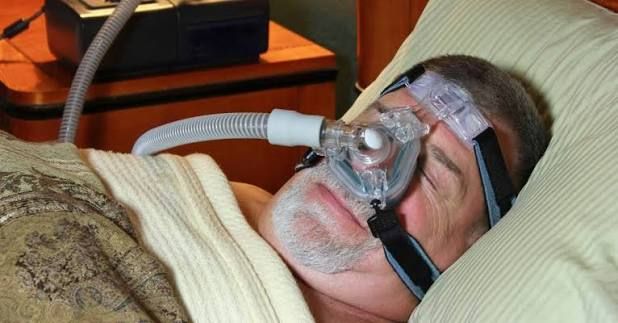
When you are sick, maintaining your equipment becomes even more critical. Proper hygiene helps you avoid inhaling old viral particles or accumulating harmful mold, bacteria, and allergens in your airway. Establishing a rigorous daily maintenance routine is a cornerstone of managing cpap and covid safety protocols.
Your daily routine should include washing your mask cushion, headgear, and tubing in warm, soapy water using a mild, unscented dish soap. Avoid harsh chemicals, bleach, or alcohol-based cleaners, which can degrade the silicone components and release irritating fumes. Rinse all parts thoroughly with clean water and allow them to air dry completely out of direct sunlight before using them again. Additionally, you must empty the humidifier water chamber daily, rinse it, and refill it only with fresh distilled water to prevent mineral buildup and bacterial growth.
While you are diligently cleaning your equipment, it is equally important to track your internal healing process. When your body is fighting off an infection, your cardiovascular system and autonomic nervous system work overtime. To understand how well you are recovering, you need to monitor objective biomarkers like Heart Rate Variability (HRV) and sleep staging. Monitoring these trends helps you determine when it is safe to resume normal physical activities.
Track Your Recovery Screen-Free
Don’t let complex graphs and bright, buzzing smartwatches disrupt your recovery. Explore how the titanium Herz P1 Smart Ring simplifies complex biometrics into one intuitive Recovery Score—completely free of subscription fees.
Your HRV, which measures the variation in time between consecutive heartbeats, is a direct indicator of your autonomic nervous system’s state. When your body is fighting an active infection, your sympathetic nervous system (“fight or flight”) dominates, causing your HRV to drop significantly. As your body recovers and your parasympathetic nervous system (“rest and digest”) takes back control, your HRV will begin to climb back toward your personal baseline. Tracking this trend provides reliable, objective feedback on your recovery path.
Unfortunately, many modern smartwatches are bulky, uncomfortable to sleep in, and require daily charging, often disrupting your sleep when you need it most. They can also overwhelm you with complex, hard-to-read graphs and send stressful alerts that keep your mind racing. This is where the Herz P1 Smart Ring shines. Designed with an ultra-lightweight, screen-free titanium body, it provides a highly comfortable, subscription-free tracking experience. By turning complex medical-grade data into a simple daily Recovery Score, it helps you understand your body’s needs without the stress of screen distractions or recurring monthly costs.
Tips for Complete Home Sanitization
To keep your equipment pristine, implement these protocols:
- Disinfect with White Vinegar: Once a week, soak your mask and tubing in a mixture of one part white vinegar to three parts warm water for 30 minutes, then rinse thoroughly. This naturally disinfects without harsh chemicals.
- Replace Filters Promptly: Check your machine’s disposable paper filters every few days during an infection. They can quickly become clogged with dust and airborne particles, forcing your machine’s motor to work harder.
- Sanitize High-Touch Zones: Regularly wipe down your CPAP’s exterior, power buttons, and the surface of your nightstand with a mild disinfectant wipe.
By combining safe cpap and covid protocols with precise, passive biometric tracking, you can protect your household and actively monitor your recovery. This comprehensive approach empowers you to navigate your illness with confidence, allowing your body to focus on deep, restorative healing.
Disclaimer: Results may vary depending on individual physical activity levels, unique health conditions, and daily tracking patterns. The content provided here is for informational and educational purposes only and should not be construed as professional medical advice, diagnosis, or treatment. Always consult with a qualified healthcare provider regarding any clinical respiratory concerns or changes to your prescribed medical therapies.
