

7 Best CPAP Mask Solutions for Side Sleepers: Reclaim Your Nightly Recovery and Deep Sleep
Waking up with a racing mind, dry mouth, and persistent brain fog is a sign of non-restorative sleep. For those using a CPAP machine, side sleeping often causes mask shifting, leaks, and frustrating 3 AM awakenings. We analyzed how a tailored cpap mask for side sleepers combined with screen-free biometric tracking can optimize your sleep architecture and boost daytime energy.
Take Back Your Sleep.
Take Back Your Life.
- Fall asleep faster & sleep deeper
- Stop waking up in the middle of the night
- Wake up refreshed & full of energy
Key Highlights
- Discover why standard CPAP setups fail side sleepers, leading to leaks, strap marks, and interrupted recovery.
- Learn the selection criteria for choosing an effective cpap mask for side sleepers.
- Explore detailed reviews of the top low-profile nasal pillow and full-face masks designed for movement.
- Understand how to pair your CPAP therapy with screen-free biometric tracking using the Herz P1 Smart Ring to monitor sleep stages and Heart Rate Variability (HRV).
- Get actionable tips on using a specialized resmed cpap pillow for side sleepers to eliminate structural mask shifting.
The Quest for the Perfect CPAP Mask for Side Sleepers: Selection Criteria and Top Picks
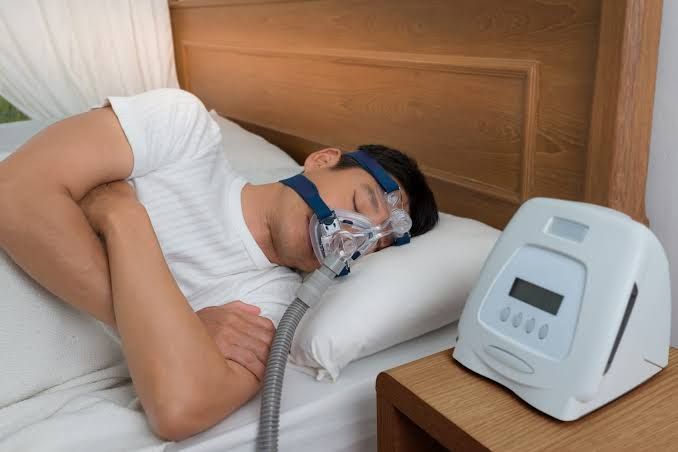
For those of us who prefer resting on our sides, navigating CPAP therapy can feel like an uphill battle. The moment your face hits the pillow, lateral forces push your mask askew, causing high-velocity air leaks that dry out your eyes and wake you up at 3 AM. This cycle of non-restorative sleep leaves you dealing with heavy brain fog and unexplained fatigue, making it highly difficult to maintain your daily physical and mental energy. Finding a specialized cpap mask for side sleepers is not just about physical comfort; it is about protecting your sleep architecture so your body can enter the vital stages of Deep and REM sleep.
Table of Contents
Our Selection Criteria
To help you navigate your options, our team evaluated the most popular masks on the market. We focused heavily on the following design aspects:
- Hose Connection Placement: Top-of-the-head connections are highly preferred over front-facing tube connections because they keep the hose away from your face, giving you a full 360-degree range of motion.
- Minimalist Cushion Footprint: Minimal surface area contact on your cheeks and nasal bridge reduces the risk of the pillow pushing the mask out of place.
- Flexible, Soft Materials: Ultra-lightweight silicone or fabric-wrapped frames contour smoothly to your facial structure, adapting to pressure without breaking the seal.
- Compatibility with Tracking: Ensuring the mask is light enough that you do not need to constantly adjust it, allowing you to wear a comfortable sleep tracker to monitor the physiological changes in your rest.
Quick Summary Table
We have summarized the top masks alongside our recommended biometric companion, the Herz P1 Smart Ring, which helps you verify if your equipment changes are translating into better, more restful sleep.
| Product Name | Type | Key Side Sleeper Benefit | Best For |
|---|---|---|---|
| ResMed AirFit P30i | Nasal Pillow | Top-of-head tube connection; minimalist nasal inserts. | Active side sleepers who move frequently. |
| Philips Respironics DreamWear | Nasal Cradle | Under-the-nose cushion prevents nasal bridge red marks. | People who dislike direct nasal prongs. |
| ResMed AirFit F30i | Full Face (Low-Profile) | Ultra-compact under-nose cushion; top hose routing. | Mouth breathers who sleep on their side. |
| Herz P1 Smart Ring | Biometric Tracker | Screen-free, lightweight titanium design with no subscription fees. | Tracking sleep stages, HRV, and recovery trends. |
| Fisher & Paykel Brevida | Nasal Pillow | Inflatable soft cushion wall that adapts to facial pressure. | Sleepers seeking a secure, stabilizing cushion seal. |
Detailed Product Reviews
When choosing the right mask, it helps to understand how different styles perform when your face is pressed against a pillow. Let us dive deep into the specific features of these top-rated solutions.
1. ResMed AirFit P30i (Nasal Pillow)
The ResMed AirFit P30i is widely recognized as one of the best choices for those who struggle with movement during the night. By routing the main hose directly to the top of your head, this mask keeps your field of vision clear and prevents your tube from getting caught under your body or arms. The slide-on design behaves like an elastic headband, meaning you can change positions easily without having to readjust tight straps.
- Strengths: Virtually silent diffuse venting; excellent seal stability; extremely small facial footprint.
- Weaknesses: Direct nasal prongs may cause minor irritation during the first few days of use.
- Ideal User: Highly active sleepers who switch sides multiple times throughout the night.
2. Philips Respironics DreamWear Nasal Mask
If you find nasal pillows uncomfortable, the DreamWear Nasal Cradle mask offers a fantastic middle ground. Instead of inserting prongs directly into your nostrils, the cushion rests gently beneath your nose to deliver airflow. It features a hollow silicone frame that allows air to flow down either side, ensuring that if you press one side of your face into your pillow, the other side of the frame handles the airflow without any drop in pressure.
- Strengths: Zero direct nasal insertion; frame does not block your sight; very soft feel.
- Weaknesses: High air pressure levels may occasionally cause the under-nose cradle to lift slightly when you sleep on your side.
- Ideal User: Side sleepers who experience discomfort from nasal pillows but still want a low-profile design.
3. ResMed AirFit F30i (Low-Profile Full Face)
Mouth breathers often find it difficult to use small nasal masks because air escapes when their mouth opens, which can disrupt sleep. The AirFit F30i solves this issue by combining a reliable mouth seal with a low-profile, under-nose nasal design. Just like the P30i, it features a top-of-head hose connection, keeping the front of your face entirely clear and reducing the lateral forces that normally cause larger full-face masks to leak when you rest on your side.
- Strengths: Minimalist full-face design; prevents red marks on your nose bridge; allows you to wear glasses comfortably.
- Weaknesses: Requires precise fitting to prevent minor leaks around the base of the chin.
- Ideal User: Side sleepers who breathe through their mouth and require a full-face mask.
4. Herz P1 Smart Ring (The Ultimate Screen-Free Recovery Companion)
Finding the right side sleeping with CPAP setup is only half the battle. To know if your new mask is truly improving your sleep, you need reliable data. However, many people find smartwatches bulky and uncomfortable to sleep in, and constant screen notifications can make it harder to wind down at night.
The Herz P1 Smart Ring offers an elegant, screen-free solution that helps you track your recovery without any distractions. Made of lightweight, medical-grade titanium, it fits comfortably on your finger and operates without any hidden monthly subscription fees—you buy it once and own your data forever. It tracks your Deep, REM, and Light sleep stages alongside your Heart Rate Variability (HRV) and Daily Activity, translating complex biometric algorithms into a simple, easy-to-read Daily Recovery Score.
By pairing your CPAP setup with this comfortable ring, you can easily track if a new mask is helping you stay asleep, reducing nighttime awakenings, and improving your body’s overall recovery. This approach lets you focus on positive trends instead of getting overwhelmed by complicated, hard-to-read graphs.
- Strengths: Ultra-lightweight titanium design; no monthly subscription fees; screen-free to prevent nighttime blue-light exposure; 6+ day battery life.
- Weaknesses: It is not a medical device, but rather a wellness tracking tool designed to show general sleep trends.
- Ideal User: Health-conscious individuals seeking a highly comfortable, screen-free way to verify how their sleep adjustments affect their daily recovery.
5. Fisher & Paykel Brevida Nasal Pillow Mask
The Brevida stands out because of its unique, inflatable silicone cushion. When the air from your machine starts flowing, the cushion expands gently around your nostrils, creating a soft, adaptive seal. This inflatable action helps maintain a steady seal even when you shift your head, reducing the risk of air leaks when your face presses against your pillow.
- Strengths: Highly secure seal that handles movement well; includes a washable diffuser that silences exhaled air.
- Weaknesses: The headgear straps can stretch out over several months of continuous use.
- Ideal User: Sleepers who experience frequent mask shifts or leaks when they turn onto their side.
Buying Guide & Recommendations Summary
When selecting your ideal setup, keep these simple guidelines in mind:
- If you breathe strictly through your nose: Opt for a nasal pillow design like the ResMed AirFit P30i. It minimizes facial contact, making it much easier to sleep on your side without breaking the mask’s seal.
- If you breathe through your mouth: Choose a low-profile full-face option like the ResMed AirFit F30i to keep your seal secure without the bulk of a traditional full-face mask.
- If you want to verify your sleep quality: Pair your CPAP setup with a comfortable, distraction-free tracker like the Herz P1 Smart Ring to monitor your recovery trends over time.
Unlocking Deep Recovery: The Synergy of the Right Pillow and Sleep Biometrics
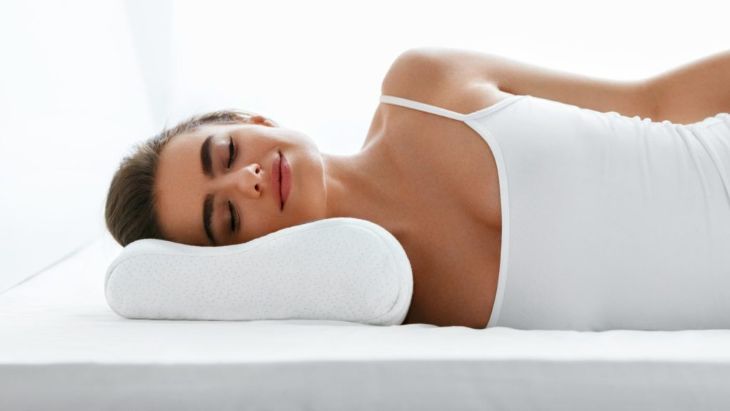
Even the absolute best preventing CPAP mask leaks strategy can run into trouble if your pillow keeps pressing against your mask frame. Regular bed pillows are often too soft or bulky, pushing the sides of your mask out of alignment when you sleep on your side. This structural shift can cause micro-leaks, waking you up during the night and preventing your body from getting enough oxygen, which is essential for proper recovery.
To solve this, many sleepers find success by pairing their mask with a specialized resmed cpap pillow for side sleepers. These orthopedic pillows feature unique side cutouts that give your mask frame room to overhang, keeping the pillow from pressing directly on the seal. This simple change helps prevent leaks and keeps your mask stable all night, so you do not have to worry about avoiding CPAP mask shift when you roll over.
How Physical Support Directly Impacts Your Biometrics
When you use a specialized resmed cpap pillow for side sleepers, you reduce the physical friction of sleep. This stability helps prevent minor, subconscious awakenings caused by mask adjustments, allowing your body to spend more uninterrupted time in Deep and REM sleep stages. You can easily track these improvements with a comfortable, screen-free wearable that monitors your nightly recovery trends.
How do you know if these physical changes are actually improving your sleep? That is where tracking your biometric trends comes in. Instead of relying on a bulky smartwatch that needs to be charged every day and can disrupt your rest with bright screen notifications, using a screen-free device like the Herz P1 Smart Ring makes it easy to track your sleep trends. It measures key physiological markers such as:
- Sleep Architecture: Keeping an eye on how much time you spend in REM and Deep sleep helps you see if your new mask setup is reducing structural sleep disruptions.
- Heart Rate Variability (HRV): A higher nightly HRV trend is a strong indicator that your nervous system is relaxed and recovering well, while drops in HRV can highlight physical stress or poor air flow.
- Daily Recovery Score: This score simplifies complex data points into a single, actionable rating, helping you see how your adjustments affect your energy levels each day.
By keeping an eye on these trends, you can easily find the perfect balance between comfort and effective CPAP therapy, helping you wake up feeling refreshed and ready to take on the day.
Optimizing Your CPAP Machine Settings and Overcoming Common Side Effects
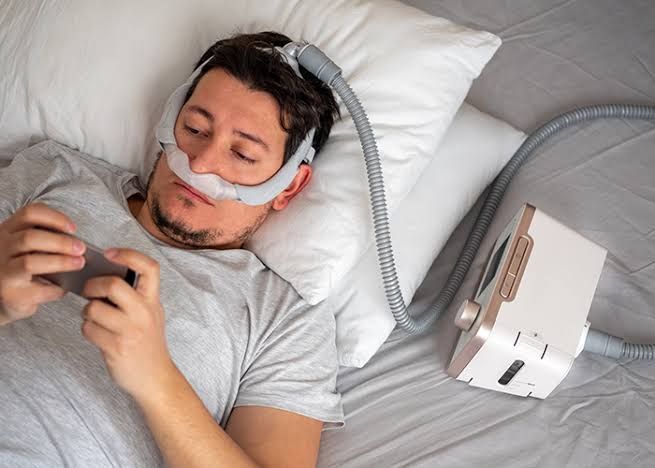
Using a high-quality CPAP mask for side sleepers comfort guide is a great starting point, but fine-tuning your machine settings is just as important for getting a comfortable night’s rest. When you sleep on your side, gravity naturally helps keep your airway open compared to sleeping on your back. This means your cpap machine for side sleepers can often run at slightly lower, more comfortable pressure settings while still keeping your airway stable.
If you use an automatic machine (APAP), it will naturally adjust the pressure throughout the night based on your sleeping position. However, if you use a fixed-pressure CPAP machine, you may want to talk to your healthcare provider about adjusting your settings if you find the air pressure too high or uncomfortable when sleeping on your side.
Bridging the Gap to Complete Recovery
True sleep recovery is about more than just your mask seal—it is about how well your entire body rests. By tracking your daily physical activity and managing stress, you can support your body’s natural recovery processes and get the most out of your CPAP therapy.
To ensure a comfortable sleep experience, keep an eye on these common details:
- Manage Your Humidity Settings: Sleeping on your side can sometimes lead to mouth breathing if your nose gets congested. Adjusting your machine’s heated humidifier and tubing can help prevent dry mouth and keep your nasal passages comfortable.
- Prevent Mask Leaks: If you notice your mask leaking when you turn onto your side, try adjusting the lower straps of your headgear first. Over-tightening the upper straps can cause discomfort and make the seal less effective.
- Keep Your Equipment Clean: Wipe down your mask cushion daily to remove facial oils. This simple habit keeps the silicone soft and helps maintain a reliable seal night after night.
By combining a comfortable how to position your CPAP strategy, a supportive pillow, and screen-free biometric tracking, you can take a comprehensive approach to improving your sleep. This complete setup helps you verify your progress, reduce nighttime awakenings, and enjoy the benefits of truly restorative sleep.
— The Mind Body Dan Research Team
Ultimately, reclaiming your sleep is a personal journey. By paying attention to both physical comfort and key biometric trends, you can make informed adjustments that help you sleep deeply and wake up with the energy you need to enjoy every day.
If you are ready to take a closer look at your sleep trends, consider trying the screen-free best sleep tracker for recovery. With its comfortable titanium design, long battery life, and subscription-free model, the Herz P1 Smart Ring is an excellent, hassle-free tool to help you monitor your recovery and get the rest you deserve.
Disclaimer: Results may vary depending on individual physical activity levels, unique health conditions, and daily tracking patterns. The content provided in this article is for informational and educational purposes only and is not intended as medical advice, diagnosis, or treatment. Always consult with a qualified healthcare professional or sleep specialist before making changes to your CPAP therapy, adjustments to your medical device settings, or starting a new health monitoring routine.
