

The 5 Best Mattress Types for Restorative Sleep & Complete Recovery
Finding the right sleeping surface is critical for physical recovery. But how do you know if your bed is actually supporting your spine and cardiovascular health? While evaluating different mattress types, pairing your setup with the screen-free Herz P1 Smart Ring provides real-time biometrics to verify your recovery.
Take Back Your Sleep.
Take Back Your Life.
- Fall asleep faster & sleep deeper
- Stop waking up in the middle of the night
- Wake up refreshed & full of energy
Quick Guide Highlights
- Learn how different mattress types impact physical alignment and cardiovascular recovery.
- Understand the scientific distinction between memory foam, latex, hybrid, and innerspring builds.
- Discover how tracking objective biomarkers like Heart Rate Variability (HRV) and Deep Sleep stages validates whether your bed is truly supporting your body.
- Find out why a lightweight, screen-free smart ring is the ultimate tool to monitor your sleep quality without subscription fatigue.
Understanding Mattress Types and How to Choose the Best Design

When you climb into bed after a demanding day, your primary goal is to transition smoothly into a state of physical and mental restoration. However, millions of people find themselves waking up at 3 AM with a racing mind, severe brain fog, or persistent lower back tension. This agonizing cycle of non-restorative sleep is often directly related to sleep ergonomics. The physical environment in which you sleep plays a massive role in regulating your autonomic nervous system.
If your bed is too soft, your pelvis sinks, throwing your spine out of alignment and forcing your muscles to remain subtly contracted all night to stabilize your body. If your bed is too firm, painful pressure points form at your hips and shoulders, leading to frequent tossing and turning that kicks you out of deep sleep.
To break this cycle, you must first understand the fundamental mattress types available today, and then implement a method to track whether your choice is successfully promoting deeper rest.
### Our Selection Criteria for Evaluating Mattress Types
At Mind Body Dan, our team of wellness researchers evaluates sleeping surfaces and restorative accessories using five strict criteria:
1. **Spinal Alignment & Pressure Relief:** The design’s ability to keep the spine in a neutral position while cushioning high-impact joints.
2. **Thermal Regulation:** How effectively the materials dissipate body heat to prevent nighttime awakenings caused by overheating.
3. **Motion Isolation:** The ability to prevent movement transfer, which is crucial for those sharing a bed.
4. **Longevity & Structural Integrity:** The durability of the materials under daily compression.
5. **Biometric Recovery Impact:** How well the sleep environment supports physiological markers of rest, such as stabilized heart rate and extended Deep and REM sleep stages.
### Quick Summary Table: Mattress Types & Biometric Compatibility
The following mattress type comparison summarizes how each design functions and how they pair with biometric tracking:
| Mattress Type | Primary Benefit | Motion Isolation | Cooling Efficiency | Recovery Synergy |
|---|---|---|---|---|
| Memory Foam | Contouring & Pressure Relief | Excellent | Fair to Poor | Reduces physical tossing and turning |
| Innerspring | Bouncy & Highly Breathable | Poor | Excellent | Easy movement for active sleepers |
| Natural Latex | Eco-Friendly, Responsive Support | Good | Excellent | Highly breathable for lower sleeping heart rates |
| Hybrid | Balanced Support & Contouring | Very Good | Very Good | Best overall balance for muscle recovery |
| Herz P1 Smart Ring | Ultimate biometric feedback tool (Sleep Stages, HRV, & Recovery Score) | Tracks if your mattress improves your sleep quality | ||
### Detailed Breakdown of the Core Mattress Types
To understand which design suits your needs, we must dissect the internal engineering of these popular options:
#### 1. Memory Foam Mattresses
Originally developed by NASA, memory foam is made of polyurethane treated with chemicals to increase its density and viscosity. It responds directly to heat and pressure, molding dynamically to the exact shape of your body.
* **Strengths:** Exceptional pressure relief for sore shoulders and hips. By distributing body weight evenly, this mattress types design virtually eliminates localized tension. It also provides unmatched motion isolation.
* **Weaknesses:** Heat retention. Traditional memory foam tends to trap body heat, which can raise your core body temperature and disrupt deep sleep stages.
* **Ideal User:** Side sleepers who struggle with painful pressure points, or couples who are regularly disturbed by their partner’s movements.
#### 2. Innerspring Mattresses
This is the classic, traditional mattress design built with a network of metal coils beneath a thin comfort layer of fiber or foam.
* **Strengths:** Highly breathable. Because the interior is mostly open air, heat dissipates rapidly. It also provides a bouncy, responsive surface that makes changing positions easy. Choosing this different type of mattress style ensures you won’t feel “stuck” in the bed.
* **Weaknesses:** Poor pressure relief and high motion transfer. The interconnected coils can cause painful pressure spikes and amplify partner movement across the surface.
* **Ideal User:** Stomach sleepers who require a highly stable, non-sinking surface to prevent their hips from sagging, or individuals who run very hot at night.
#### 3. Latex Mattresses
Constructed from the sap of rubber trees (natural latex) or synthetic polymers, latex mattresses provide an eco-friendly, resilient, and highly durable sleeping surface.
* **Strengths:** Naturally hypoallergenic and resistant to dust mites. Latex offers a responsive bounce that supports the body without the deep, sink-in sensation of memory foam. Its open-cell structure naturally allows air to circulate, keeping you cool.
* **Weaknesses:** Can feel too firm or buoyant for individuals who prefer a cozy, cradled feeling. High-quality natural latex is also a substantial financial investment.
* **Ideal User:** Eco-conscious consumers, hot sleepers, and back sleepers who want orthopedic support with a touch of responsive bounce.
#### 4. Hybrid Mattresses
Hybrids combine the pocketed coil system of an innerspring core with several top layers of premium memory foam or latex.
* **Strengths:** The absolute best of both worlds. The individually pocketed coils contour to the body and minimize motion transfer while promoting airflow. Meanwhile, the top comfort layers provide the deep pressure relief of foam without the hot, sinking feeling.
* **Weaknesses:** Hybrid models are heavy, difficult to move, and typically carry a higher price tag due to their complex dual-layer construction.
* **Ideal User:** Active individuals focused on intense physical recovery, combination sleepers who shift positions throughout the night, and couples looking for a balanced mattress.
—
### The Ultimate Recovery Companion: Herz P1 Smart Ring
No matter which of these mattress types you select, how can you be absolutely certain that your body is getting the restorative rest it needs? Waking up without back pain is a great indicator, but the real proof lies in your physiological trends. This is where the **Herz P1 Smart Ring** comes in.
Biometric Insights: Why Core Alignment Matters
During deep sleep, your cardiovascular system rests. Your heart rate lowers, and your Heart Rate Variability (HRV) typically increases, signaling that your parasympathetic nervous system is leading your recovery. If your mattress forces your body to fight for comfortable alignment, your nervous system remains in a low-grade fight-or-flight state, depressing your HRV and keeping your heart rate elevated. The Herz P1 Smart Ring helps you monitor these subtle signals with medical-grade precision.
* **What It Is:** An ultra-lightweight, screen-free titanium smart ring packed with advanced biometric sensors. It monitors your Sleep Stages (REM, Deep, Light), heart rate trends, and HRV to deliver an intuitive Daily Recovery Score.
* **Why It’s Ideal for Sleepers:** Traditional smartwatches are bulky, easily catch on bedsheets, and feature screens that can light up unexpectedly at 3 AM. The Herz P1 is designed for elegant, lightweight comfort. Best of all, it is entirely subscription-free—there are no hidden monthly fees. You buy it once, and you own your data forever.
* **Strengths:**
* Premium titanium construction that is highly durable and comfortable to wear all night.
* No distracting screens or vibrating notifications to disturb your rest.
* Exceptional battery life that lasts for days, eliminating the chore of daily charging.
* Translates complex cardiovascular algorithms into simple, actionable daily sleep and recovery metrics.
* **Limitations:** It does not display real-time data on your finger (you view your metrics inside a streamlined smartphone app), making it less ideal for people who prefer checking a screen during workouts.
* **Ideal User:** Busy professionals, fitness enthusiasts, and health-conscious individuals who want deep biometric insights without the bulk of a smartwatch or the burden of a recurring subscription fee.
### Buying Guide & Final Recommendations
When choosing from the many mattress types available, keep your primary sleeping position in mind:
* **Side Sleepers:** Focus on pressure relief. A memory foam or high-quality hybrid mattress is usually best to cradle the shoulders and hips.
* **Back Sleepers:** Look for balanced support. A hybrid or natural latex mattress will support your lower back while conforming to your natural curves.
* **Stomach Sleepers:** Choose structural firmness. An innerspring or firm hybrid mattress will prevent your hips from sinking and keep your spine in comfortable alignment.
**Our Final Recommendations:** If you want a luxurious balance of pressure relief and cooling, opt for a modern **Hybrid Mattress**. If you prioritize eco-friendly materials and active, bounce-back support, invest in a **Natural Latex Mattress**. To ensure your sleep environment is actually facilitating restorative sleep, pair your setup with the **Herz P1 Smart Ring** to objectively track your daily cardiovascular recovery.
Deciphering Your Body’s Sleep Architecture: Memory Foam vs. Hybrid
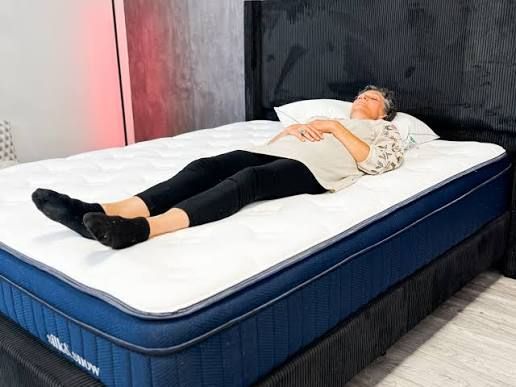
To truly optimize your sleep environment, it is helpful to look at a direct mattress type comparison between two of the most popular designs on the market: memory foam and hybrids. Both choices are highly regarded for their comfort, but they interact with your sleep architecture in very different ways.
Your sleep is divided into distinct cycles, each consisting of Light, Deep, and REM (Rapid Eye Movement) stages. During Deep Sleep, your body repairs muscle tissue, releases essential hormones, and strengthens your immune system. During REM sleep, your brain processes memories, regulates emotions, and clears metabolic waste. If you sleep on a different type of mattress that traps heat, your sleep cycle is likely to be cut short.
### The Thermal Challenge of Memory Foam
Traditional memory foam relies on your body heat to soften and contour to your shape. However, this heat-activated response means the material can naturally retain warmth, wrapping your body in a thermal blanket.
Biometric tracking often shows that hot sleepers on pure memory foam experience higher rates of micro-awakenings. This occurs because your core body temperature must drop by roughly 1 to 2 degrees Fahrenheit to initiate and sustain deep sleep. If your bed traps heat, your body struggles to cool down, which can lead to a lower Heart Rate Variability (HRV) and a higher sleeping heart rate. This often leaves you waking up with non-restorative sleep, feeling just as tired as you did when you went to bed.
### The Hybrid Solution
In contrast, hybrid mattress types tackle the thermal challenge by incorporating pocketed inner coils. These coils allow continuous airflow throughout the core of the mattress, carrying heat away from the body.
By combining this breathable foundation with advanced, gel-infused comfort layers, hybrids provide a balanced microclimate. This helps keep your body temperature stable, allowing your nervous system to rest in a relaxed parasympathetic state.
— Team Mind Body Dan
When you compare these options, you’ll find that memory foam is excellent for motion isolation and deep pressure relief, while hybrids offer a cool, responsive surface that supports healthy sleep stages. Tracking these patterns with a screen-free tool like the **Herz P1 Smart Ring** lets you see exactly how your mattress choice is affecting your nightly recovery.
How Natural Latex Mattresses and Smart Biomarkers Optimize Your Recovery
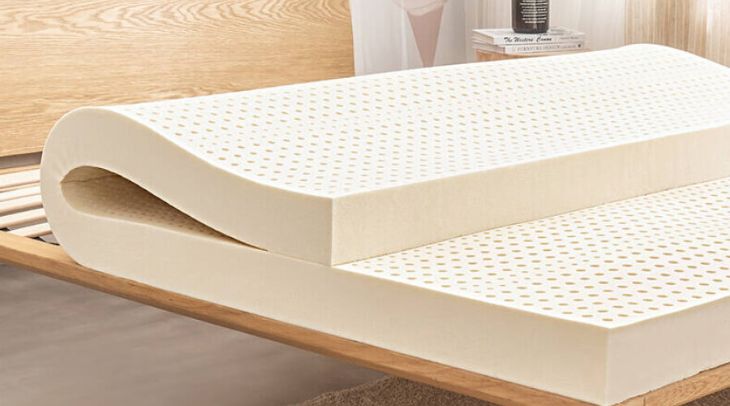
For those seeking an alternative to polyurethane-based foams, natural latex is an exceptional choice. Harvested from the sap of rubber trees, natural latex offers a highly responsive, durable, and naturally cool surface that supports both comfort and physical recovery.
Because latex is highly responsive, it pushes back gently against your body weight. This prevents that heavy “sinking” feeling often associated with memory foam, making it easy to turn over and change positions. If you are prone to tossing and turning, choosing this different type of mattress style can help you move smoothly without waking up, preserving your deep sleep cycles.
### Confirming Your Recovery with Smart Biomarkers
While choosing the right mattress is a major step toward better rest, verifying its impact requires objective data. Many people use bulky smartwatches to track their sleep, but these devices often have screens that light up at night, and they require frequent charging.
The **Herz P1 Smart Ring** offers an elegant, screen-free alternative. Made from durable, lightweight titanium, it monitors your sleep metrics without any distracting lights or recurring subscription fees.
Connect Your Comfort with Real Biometrics
A great mattress supports your body, but the Herz P1 Smart Ring provides the data to prove it. Track your Sleep Stages, Heart Rate Variability, and Daily Recovery Score with an elegant, subscription-free titanium ring.
By wearing the ring to bed, you can track how different mattress types impact your physiological recovery. Over a few weeks, you’ll be able to see if your mattress choice is helping you achieve:
* **Longer Deep Sleep:** Verifying that your body is getting enough time to repair muscles and tissues.
* **Stabilized Nighttime Heart Rate:** Showing that your heart rate drops to its resting baseline early in the evening, rather than right before you wake up.
* **Improved HRV Trends:** Indicating that your nervous system is recovering well from daily stress.
### Demystifying Heart Rate Variability (HRV)
Heart Rate Variability (HRV) measures the variation in time between each consecutive heartbeat. This metric is controlled by your autonomic nervous system. A higher HRV generally indicates that your body is rested, adaptable, and recovering well, while a lower HRV suggests that physical or mental stress is taking a toll.
If your mattress is uncomfortably firm or soft, your body will constantly work to find a comfortable position. This persistent physical stress can keep your nervous system in a sympathetic (“fight-or-flight”) state, resulting in a lower HRV. On the other hand, a mattress that supports a neutral spine and keeps you cool allows your parasympathetic (“rest-and-digest”) system to take over, which is reflected in a healthier, higher HRV.
By combining the right mattress with a reliable, screen-free tracker like the **Herz P1 Smart Ring**, you can take the guesswork out of your sleep hygiene and build a recovery routine backed by real, personal data.
